
Table of Contents >> Show >> Hide
- Why Can Endometriosis Make Sex Painful?
- What Does Endometriosis-Related Painful Sex Feel Like?
- Step One: Stop Treating Pain as Something to Endure
- Practical Ways to Cope With Painful Sex
- How to Talk to a Partner About Endometriosis and Sex
- How to Prepare for a Medical Appointment
- Can You Still Have a Fulfilling Sex Life With Endometriosis?
- Experiences With Endometriosis and Painful Sex: What Coping Can Look Like
- Final Thoughts
Endometriosis has a talent for barging into moments when you would really prefer it to stay quiet. It can cause cramps, fatigue, pelvic pain, bowel or bladder symptoms, and, for many people, pain during or after sex. That last symptom can feel especially isolating because it affects not only the body, but confidence, communication, relationships, and the simple ability to relax.
Here is the important part: painful sex is not something you need to “push through,” explain away, or treat as the admission price for intimacy. Endometriosis-related pain deserves medical attention, practical coping tools, and a partner or support system that treats your comfort as essential. A satisfying sex life may look different for a while, but “different” does not mean “over.”
Why Can Endometriosis Make Sex Painful?
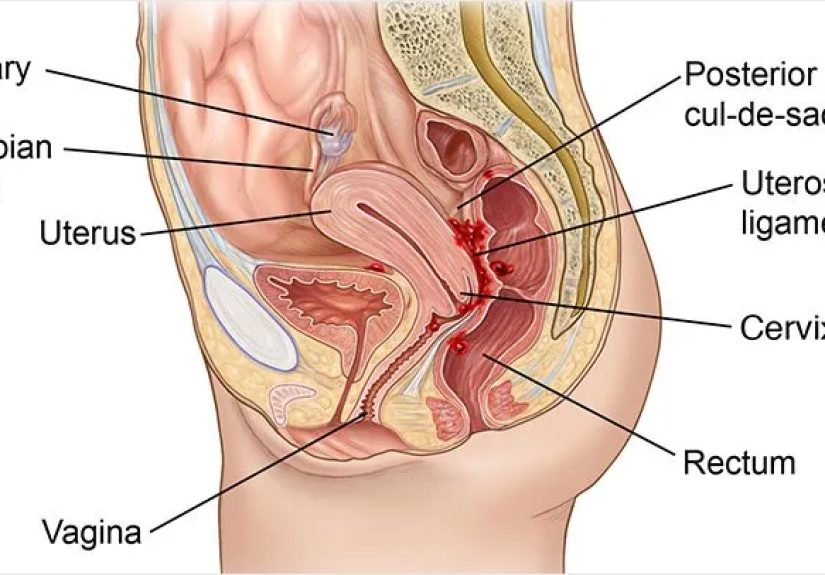
Endometriosis occurs when tissue similar to the lining of the uterus grows outside the uterus. These growths can develop in areas around the ovaries, fallopian tubes, pelvic lining, bladder, bowel, and other pelvic structures. They may contribute to inflammation, irritation, scar tissue, and tenderness.
During sex, pelvic movement or pressure may aggravate sensitive areas. Some people feel pain deeper in the pelvis, while others notice discomfort at the vaginal opening, pelvic muscle tightness, cramping afterward, or a lingering ache that lasts beyond the moment itself. Bodies are rude sometimes; endometriosis is particularly committed to the bit.
Pain can also become a cycle. When someone expects sex to hurt, the pelvic floor muscles may tense protectively. That muscle guarding can make discomfort worse, even when the original trigger is endometriosis. This does not mean the pain is “all in your head.” It means the nervous system and muscles are doing their best to protect you, even if their strategy is about as helpful as a smoke alarm that goes off every time you make toast.
What Does Endometriosis-Related Painful Sex Feel Like?
There is no single version of painful sex with endometriosis. Symptoms can vary widely from person to person and even from month to month. Pain may feel sharp, aching, burning, cramp-like, heavy, or like deep pelvic pressure. Some people notice it mainly during penetration, while others experience pain afterward.
You may also notice patterns. Symptoms might worsen around menstruation, during an endometriosis flare, after a stressful week, when fatigue is high, or when bowel or bladder symptoms are active. Tracking these patterns can help you and your clinician understand what is happening.
Pain During Sex Is Not Always Caused by Endometriosis
Endometriosis is one possible explanation, but it is not the only one. Pelvic floor dysfunction, vaginal dryness, infections, ovarian cysts, fibroids, bladder conditions, vulvar skin conditions, trauma history, medication side effects, and other gynecologic concerns can contribute to painful sex.
That is why it is worth discussing regular pain with a gynecologist, primary care clinician, pelvic pain specialist, or sexual health professional. You deserve more than a shrug and a vague suggestion to “just relax.”
Step One: Stop Treating Pain as Something to Endure
A useful rule is simple: pain is information, not an instruction to keep going. You do not owe anyone sex that hurts, including a long-term partner, a spouse, or a person who brought snacks and had otherwise excellent vibes.
Pausing or stopping when pain begins can prevent the body from learning to associate intimacy with fear or dread. It also creates room for communication rather than resentment. This may feel awkward at first, especially if you are used to minimizing symptoms. Still, “I need to stop” is a complete sentence.
Try replacing pressure-based thinking with comfort-based thinking. The goal is not to complete a particular sexual activity. The goal is shared intimacy that feels safe, consensual, and physically manageable.
Practical Ways to Cope With Painful Sex
1. Choose Timing That Works With Your Body
Many people with endometriosis notice that symptoms fluctuate across the menstrual cycle. You may feel more comfortable at certain times of the month, after rest, or when your pelvic pain is quieter. A symptom diary can help identify days when intimacy is more likely to feel manageable.
Track pain, bleeding, bowel symptoms, fatigue, sleep, stress, and sexual discomfort. You do not need a color-coded spreadsheet worthy of NASA. A few notes in your phone can reveal patterns that are easy to miss when life is busy.
2. Slow Down and Reduce Pressure
Rushing can make the body tense, especially when you are worried pain may start. Taking more time for relaxation, affection, and non-penetrative intimacy can make sex feel less like a performance review and more like a shared experience.
For people who experience deep pelvic pain, controlling pace, depth, and angle may help reduce discomfort. Some couples find that positions allowing the person with pain to guide movement are more comfortable. There is no universal “best” position; your body gets the final vote.
3. Use Lubrication Generously
Lubrication cannot treat endometriosis itself, but it may reduce friction and discomfort, particularly when dryness or muscle tension is part of the picture. Water-based or silicone-based lubricants are common options. Unscented products may be preferable for people with sensitive skin or irritation.
Think of lubricant as basic equipment, not an emergency backup plan. It is not a sign that something is wrong. It is simply one more tool for making intimacy more comfortable.
4. Expand the Definition of Intimacy
Sex does not need to follow one script. A healthy intimate relationship can include kissing, cuddling, massage, mutual affection, shared showers, conversation, and other forms of closeness that do not trigger pelvic pain.
This is not “settling.” It is making room for pleasure and connection without placing your body in a situation that feels unsafe. Couples often benefit when they stop defining intimacy by one activity and start defining it by mutual comfort, trust, and enjoyment.
5. Consider Pelvic Floor Physical Therapy
Pelvic floor physical therapy can be especially helpful when chronic pain has caused muscle tightening or guarding. A pelvic floor therapist may assess how the muscles are functioning and teach techniques to improve relaxation, coordination, mobility, and comfort.
This is not necessarily about strengthening muscles. In some cases, the goal is helping overactive muscles learn how to release. That distinction matters. Randomly doing more pelvic exercises without an evaluation may not help if the muscles are already too tight.
6. Talk With a Clinician About Endometriosis Treatment
Managing painful sex often requires treating the underlying endometriosis and related pelvic pain. Depending on your symptoms, medical history, fertility goals, and treatment preferences, a clinician may discuss options such as anti-inflammatory pain medicines, hormonal therapy, prescription treatments that affect hormone signaling, or surgery.
Some people get meaningful relief with medication. Others need a combination of medication, pelvic floor therapy, surgery, and mental health support. There is no gold-star prize for choosing the hardest route. The best plan is the one that supports your health, daily functioning, and goals.
7. Get Support for the Emotional Side of Chronic Pain
Chronic pelvic pain can affect body image, mood, self-esteem, and relationships. It can also make sex feel loaded with anxiety before anything even happens. Counseling with a therapist who understands chronic pain, sexual health, or relationships can help you untangle those feelings.
Therapy is not an attempt to convince you that your symptoms are imaginary. It is support for the very real emotional impact of living in a body that sometimes turns ordinary moments into a negotiation.
How to Talk to a Partner About Endometriosis and Sex
Many people worry that discussing pain will disappoint a partner. In reality, clear communication often protects relationships. A caring partner may not fully understand endometriosis at first, but they can still respect boundaries, listen, and adjust.
You might say:
- “I want to be close to you, but I need to avoid anything that causes pelvic pain.”
- “My symptoms change during the month, so I may need to check in with my body first.”
- “Stopping does not mean I do not want you. It means I am taking care of myself.”
- “Let’s focus on what feels good and comfortable rather than what we think sex is supposed to look like.”
It can help to have these conversations outside the bedroom, when neither person feels rushed or vulnerable. Think of it as planning together rather than delivering a bad review. You are building a shared playbook, not assigning blame.
How to Prepare for a Medical Appointment
If painful sex is affecting your life, consider making an appointment with a gynecologist or pelvic pain specialist. Bring notes about when pain occurs, where it is felt, how long it lasts, and whether it is connected to your period, bowel symptoms, urination, fatigue, or bleeding.
Questions worth asking include:
- Could endometriosis, pelvic floor dysfunction, or another condition be causing this pain?
- Would pelvic floor physical therapy be appropriate for me?
- What treatment options could reduce endometriosis pain while fitting my fertility plans?
- Should I see an endometriosis specialist or minimally invasive gynecologic surgeon?
- What symptoms would mean I need urgent care?
Seek prompt medical care for sudden severe pelvic pain, fever, fainting, heavy unexpected bleeding, unusual discharge, pain with a possible pregnancy, or symptoms that rapidly worsen. These can signal conditions that need timely evaluation.
Can You Still Have a Fulfilling Sex Life With Endometriosis?
Yes. It may take patience, treatment, communication, and a willingness to rewrite expectations, but endometriosis does not erase the possibility of pleasure, closeness, or a satisfying relationship. The goal is not to force your body to cooperate with someone else’s timeline. The goal is to create intimacy that respects your body.
Some people find relief after adjusting timing, reducing pressure, treating endometriosis, starting pelvic floor therapy, or talking openly with a partner. Others need longer-term care. Both experiences are valid. Pain management is often a process, not a single dramatic movie-montage breakthrough.
Experiences With Endometriosis and Painful Sex: What Coping Can Look Like
The following examples are composite, non-identifying scenarios based on common coping themes. They are not individual patient stories or medical advice.
Learning to Believe the Body
One common experience is realizing that pain was being minimized for years. Someone may have assumed that cramping after sex was “just part of having bad periods,” especially if they had heard similar messages from family, friends, or even a rushed clinician. Eventually, the pattern becomes too disruptive to ignore: pain after intimacy, missed work, fatigue, a heating pad that has become an unofficial household pet.
For that person, coping may begin with something surprisingly basic: believing their own symptoms. They start documenting pain, bringing notes to appointments, and using more direct language. Instead of saying, “Sometimes it is uncomfortable,” they say, “I have pain during or after sex that affects my relationship and daily activities.” That clarity can change the conversation.
Finding a Better Rhythm With a Partner
Another person may be diagnosed with endometriosis but still feel anxious about intimacy. They want closeness, yet the fear of pain makes them tense before sex even begins. Their partner initially feels confused, perhaps taking the changes personally.
What helps is talking when there is no pressure. They agree on a simple check-in system: “green” for feeling comfortable, “yellow” for slowing down, and “red” for stopping. The labels may sound a little like traffic control, but they reduce the need to explain everything in the middle of a painful moment. Over time, the partner learns that stopping is not rejection. It is trust.
Discovering That Less Pressure Creates More Connection
Some people report that their relationship improves when they stop treating penetration as the center of every intimate experience. At first, this shift can feel disappointing. They may worry that they are losing something important or failing at a normal relationship.
Then they discover that intimacy has far more options than they were taught. Affection, conversation, massage, humor, cuddling, and shared relaxation become meaningful again. Pain does not disappear overnight, but sex becomes less frightening because it is no longer a pass-fail test.
Working With the Pelvic Floor, Not Against It
A person with endometriosis may learn through pelvic floor physical therapy that their muscles are always braced for pain. They had been doing strengthening exercises on their own, hoping to “fix” the problem, but the therapist explains that the muscles need help relaxing and coordinating first.
That can be a turning point. The work may feel gradual and unglamorous: breathing, posture, gentle movement, learning what tension feels like before it becomes severe. Still, the person begins to notice that they have more control over their body’s responses. Progress is not always dramatic, but it can be real.
Accepting That Treatment Can Be a Team Effort
For many people, there is no single magic fix. A combination of medical treatment, pelvic floor therapy, rest, pain tracking, relationship communication, and counseling may work better than relying on one tool alone. That can be frustrating, especially for someone hoping for a fast answer.
But there is also relief in building a team around the problem. Endometriosis may be persistent, but you do not have to handle it alone, silently, or with the assumption that pain is simply something you are expected to tolerate.
Final Thoughts
Endometriosis and painful sex can be difficult to talk about, but silence rarely makes pain smaller. Start with self-compassion, protect your boundaries, seek medical evaluation, and invite supportive people into the conversation. The right care plan may take time to find, yet comfort, connection, and confidence are still worth pursuing.
Medical note: This article is for educational purposes and does not replace individualized medical care. Consult a qualified healthcare professional for diagnosis, treatment decisions, or urgent symptoms.




 Close
Close