
Table of Contents >> Show >> Hide
- First: Is Dehumidifier Water “Clean”?
- How to Keep Dehumidifier Water “Reuse-Ready”
- 1) Water Non-Edible Plants (Houseplants and Ornamentals)
- 2) Use It for General Cleaning (Floors, Bathrooms, Utility Areas)
- 3) Pour It Into a Steam Iron (If Your Manual Allows)
- 4) Top Off Your Car’s Cooling System (Only With Proper Coolant Guidance)
- 5) Refill (or Assist) Toilet Flushing to Save Water
- 6) Wash Your Car (Less Water Waste, Fewer Spots)
- What Not to Do With Dehumidifier Water
- Conclusion
- Real-World Experiences: What People Learn After Reusing Dehumidifier Water
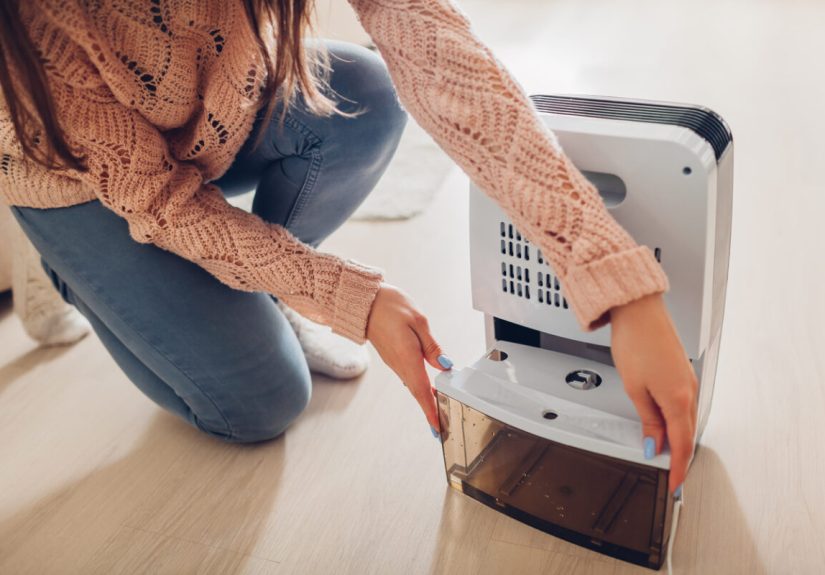
Your dehumidifier is basically a tiny, hardworking cloud wrangler. Day after day, it pulls moisture out of the air and
drips it into a bucketsometimes gallons of it. Then most of us do the same sad routine: sigh, carry the tank to the
sink, and pour it out like we’re paying a tiny water bill for the privilege of being mildly annoyed.
Here’s the good news: that collected water (often called dehumidifier condensate) can be reused in several smart,
money-saving ways. Bob Vila’s advice is simple: don’t drink it, but don’t waste it either. With the right safety rules,
you can repurpose dehumidifier water for cleaning, car care, plants, and even reducing toilet water use.
First: Is Dehumidifier Water “Clean”?
Dehumidifier water is not potable. It’s formed when warm, humid air passes over cold coils and the moisture
condenses into liquid. Along the way, that water can pick up dust, pollen, mold spores, and grime from the unit’s tank,
filter area, and coils. In some casesespecially with older units or contaminated indoor dustit may also contain trace metals.
Quick safety rules (non-negotiable)
- Do not drink it (and don’t give it to pets).
- Do not use it on edible plants (veggies, herbs, fruiting plants).
- Do not put it in devices that spray mist (like humidifiers or misters). Aerosolizing questionable water is a no.
- Use it soon. Stagnant water turns gross fast. If it smells funky, toss it.
- Keep your dehumidifier clean so the water stays as low-gunk as possible.
How to Keep Dehumidifier Water “Reuse-Ready”
If you want to reuse dehumidifier water safely, the best trick is boringbut effective: maintenance.
Empty the tank regularly so water doesn’t sit around long enough to audition for a science fair project.
- Empty the reservoir frequently (daily is ideal in humid seasons).
- Rinse and wash the tank with mild dish soap and warm water; a little vinegar can help with buildup.
- Clean the filter on the schedule in your manual (many homes need it every week or two during heavy use).
- Wipe exterior vents and inspect coils occasionally so dust doesn’t become part of your “water recipe.”
Think of it like this: the cleaner the machine, the cleaner the condensate. You’re not making bottled spring water
you’re making “good enough for chores” water.
1) Water Non-Edible Plants (Houseplants and Ornamentals)
One of the easiest dehumidifier water uses is watering houseplants and ornamental plants. Because condensate
is low in minerals compared with many tap-water sources, some sensitive indoor plants may actually prefer itespecially if
you live in an area with hard water.
How to do it safely
- Use it for non-edible plants only: pothos, snake plant, peace lily, ferns, orchids (ornamental), shrubs, flowers.
- Strain it through a clean cloth or coffee filter if you see visible debris.
- Don’t store it for longuse it the same day if possible.
Skip your vegetable garden and herb planters. If you’re growing basil for pasta night, give it normal tap water (or properly
treated water). Save the dehumidifier water for plants that won’t end up on your plate.
2) Use It for General Cleaning (Floors, Bathrooms, Utility Areas)
Dehumidifier water is perfectly suited for cleaning tasks where you’re already using soap or a cleaning solutionthink
mopping floors, scrubbing the bathtub, wiping down baseboards, or washing muddy tools in a utility sink.
Best cleaning wins
- Mopping tile, vinyl, sealed laminate (use your usual cleaner).
- Scrubbing tubs, showers, toilets, and bathroom sinks.
- Rinsing outdoor planters, buckets, dustpans, or gardening tools.
Where not to use it
- Kitchen / food surfaces (countertops, cutting boards, dishwashing).
- Porous materials like unsealed wood or natural stone where residues could soak in.
The goal isn’t to make your home “more rustic.” The goal is to save fresh water where it doesn’t matterlike the floor
you’re about to mop anyway.
3) Pour It Into a Steam Iron (If Your Manual Allows)
Many people buy distilled water for steam irons to reduce mineral buildup. Dehumidifier water is typically low in minerals
(since it condensed from air), which can make it useful in irons that are compatible with low-mineral water. That said,
some manufacturers recommend specific water types, so your iron’s manual gets the final vote.
Smart, low-drama approach
- Check your iron’s instructions first (some irons prefer tap water or a mix).
- Only use water from a clean unit. If your tank looks questionable, your iron will not be impressed.
- Filter it if you see particles (lint + steam vents = bad combo).
- Empty the iron after use so water doesn’t sit in the iron and develop odor.
If you ever notice spotting, weird smells, or sputtering, stop and switch back to the manufacturer-recommended option.
Your shirts deserve better than mystery steam.
4) Top Off Your Car’s Cooling System (Only With Proper Coolant Guidance)
Car cooling systems generally do best with a proper coolant mixture, and many guidance sources recommend avoiding mineral-heavy
tap water because minerals can contribute to deposits and corrosion over time. Since dehumidifier water is typically low in minerals,
it can be a better choice than tap water in theory.
But here’s the important part: car coolant is not a casual DIY experiment. Coolant products are toxic, and mixing ratios and
compatibility matter. If you’re not experienced with vehicle maintenance, treat this as an “adult/mechanic task.”
If you do proceed (high-level rules)
- Never add plain water alone as a “solution.” Follow your vehicle manual and coolant product instructions.
- Use the correct coolant type for your vehicle (wrong coolant can cause serious issues).
- Only top off when the engine is cool and only if you know exactly what you’re doing.
The simplest safe route: use a reputable pre-mixed coolant product and let dehumidifier water stay in the “house chores” category.
If you want to use it in the car, do it under proper supervision and guidance.
5) Refill (or Assist) Toilet Flushing to Save Water
Toilets are one of the biggest indoor water users in a home. Even modern toilets can use a meaningful amount per flush,
and older models can use more. Using dehumidifier water as a manual “refill” source is a classic water conservation hack:
you’re essentially swapping potable water for non-potable water for a job that does not require drinking-quality water.
Easy ways to do it
- Pour directly into the bowl to trigger a flush (works on many toilets).
- Use a bucket near the toilet for occasional refills after flushingkeep it labeled.
Label the bucket something obvious like “NOT FOR DRINKING”. It’s not just for youit’s for anyone who visits and thinks,
“Oh look, free water.” (Humans are unpredictable. Labels are peace.)
6) Wash Your Car (Less Water Waste, Fewer Spots)
Washing your car can waste a surprising amount of waterespecially if you let a hose run like it’s trying to put out a
fire that happened three years ago. Dehumidifier water is a handy bucket-fill for soaping up panels, wheels, or grimy
areas. Because it’s often low in minerals, it may also help reduce water spotting compared to hard tap water.
A practical bucket method
- Use a bucket of dehumidifier water + a car wash soap (or mild dish soap for quick, non-waxed situations).
- Wipe with a microfiber mitt; rinse with clean water as needed.
- Dry promptly with a microfiber towel to prevent spots (the real secret weapon).
Keep expectations realistic: this isn’t a concours-level detailing system. It’s a smarter way to use water you already collected
especially for pre-washes, wheel cleaning, or quick cleanups between deeper washes.
What Not to Do With Dehumidifier Water
To keep your “reuse plan” on the safe side, avoid these common missteps:
- Drinking or cooking (including coffee, tea, and ice cubesno).
- Filling pet bowls or aquariums.
- Using in humidifiers, facial steamers, or anything that creates inhalable mist.
- Watering edible gardens (veggies, fruits, herbs).
- Storing it for weeks (stagnant water becomes a bacteria party).
Conclusion
Reusing dehumidifier water is one of those rare household habits that’s both practical and oddly satisfying. You’re already
pulling moisture out of the airwhy not put it to work? Stick to safe, non-potable jobs: water ornamental plants, tackle cleaning,
help with toilet flushing, wash the car, and (with manual approval) use it in a steam iron. Keep the unit clean, use the water
promptly, and avoid anything involving drinking, food, or mist.
In short: don’t pour money down the drainunless you’re rinsing your shower. Then, by all means, pour away.
Real-World Experiences: What People Learn After Reusing Dehumidifier Water
When homeowners first start reusing dehumidifier water, the biggest surprise is usually volume. In a damp basement or during a sticky summer,
the tank can fill faster than you’d expectsometimes in a single day. That reality tends to reshape habits quickly: instead of treating the
tank like an annoying chore, people start treating it like a “free utility bucket” that can handle a bunch of small tasks.
One common pattern is the “two-bucket system.” People keep one clearly labeled bucket for toilet flushing and another for cleaning jobs.
The label matters more than you thinkespecially in busy households where someone might see a bucket of clear water and assume it’s fine for anything.
The simplest labels tend to work best: NOT FOR DRINKING, TOILET ONLY, or CLEANING WATER.
It sounds sillyuntil it prevents an awkward conversation (or worse, a risky mistake).
Another learning curve is timing. Dehumidifier water that’s reused quickly is usually “fine for chores,” but water that sits in the tank for days
can start to smell musty. Once that happens, people either stop reusing it altogether or they get more consistent about emptying the reservoir.
The habit that sticks is: dump and reuse on a schedule. If the tank is emptied daily, the water tends to stay more neutral-smelling and clearer.
If it’s forgotten for a weekend, it becomes a science experiment with a bad attitude.
Plant watering is also where people get picky. Many find it works great for hardy houseplantsespecially when they strain the water to catch lint
or dust. But the moment someone sees residue in the watering can, they usually adopt a “filter-first” habit. A simple coffee filter or clean cloth
becomes the go-to fix. And almost everyone who gardens seriously arrives at the same rule: ornamentals only. Even people who love the idea of sustainability
don’t love the idea of unknown trace contaminants ending up in tomatoes.
On the cleaning side, users often discover that dehumidifier water is best used where soap or cleaner is already involved. Mopping a basement floor,
wiping down patio furniture, rinsing muddy toolsthose are perfect “reuse wins.” But people tend to avoid kitchens and food-prep areas once they understand
the water isn’t meant for hygiene-sensitive zones. It’s not about fear; it’s about matching the water quality to the job.
Finally, car washing becomes a gateway habit. Once someone uses a bucket of dehumidifier water to soap up wheels or do a quick rinse-free wipe-down,
they realize how much tap water a hose can waste. The best experience-based tip is simple: dry immediately. Whether you use dehumidifier
water or tap water, drying quickly is what prevents spots and streaks. People who towel-dry with microfiber tend to feel like they “leveled up” their
whole routinewithout buying anything fancy.
The overall takeaway from real households is consistent: reuse works best when it’s easy, labeled, and routine. If you make it complicated, you’ll stop.
If you make it a simple habitbucket, label, use-it-todayyour dehumidifier becomes part appliance, part water-saving sidekick.





 Close
Close