
Table of Contents >> Show >> Hide
- A Garden That Glows on October 31
- Step 1: Map Out Your Haunted Garden Rooms
- Step 2: Choose Plants With a Spooky Vibe
- Step 3: DIY Halloween Garden Decorations
- Step 4: Light, Sound, and Special Effects
- Step 5: Safety, Weather, and Pet-Friendly Tips
- Step 6: Budget and Storage Hacks
- What I Learned From Building My Halloween Garden
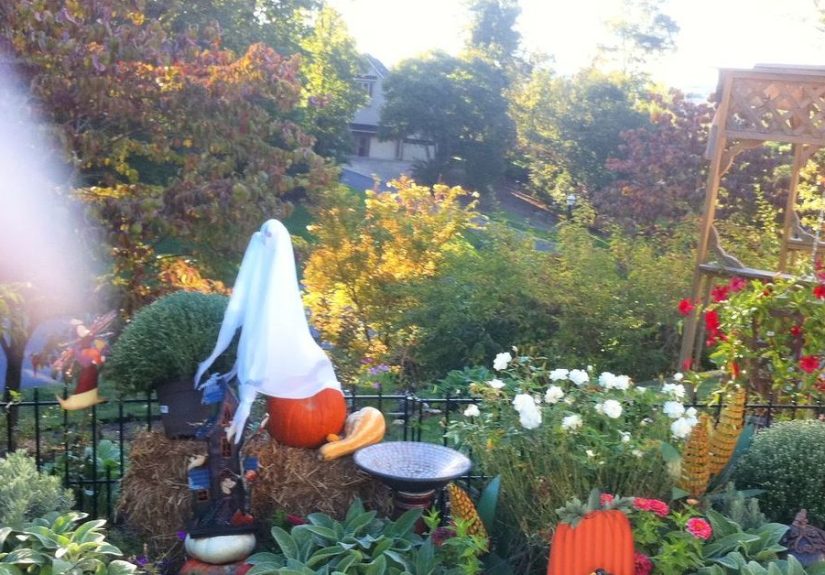
Every October, my garden stops being a quiet little patch of green and turns into a full-on Halloween stage set. Pumpkins pile up in the beds, ghostly figures peek between shrubs, and the path to the front door looks like it was laid out by a slightly mischievous witch with good design taste. Creating a Halloween garden isn’t just about tossing a plastic skeleton onto the lawnit’s about mixing plants, props, and lighting so your yard feels like a tiny outdoor haunted movie set you get to walk through every night.
Whether you have a big backyard, a tiny front yard, or just a few containers on the porch, you can build a Halloween garden that looks magical after dark and still feels charming in daylight. Here’s how I plan, plant, and decorate my yard every year so trick-or-treaters slow down, neighbors take photos, and my garden gets to be the star of spooky season.
A Garden That Glows on October 31
The best Halloween gardens feel intentional, not cluttered. Instead of spreading decorations randomly, think in “scenes.” You might have a haunted front gate, a spooky graveyard bed, and a playful pumpkin corner. Each area tells a little story, and together they make your yard feel like a walk-through experience instead of a yard full of stuff.
Before I pull a single pumpkin out of the car, I walk the garden at dusk with a cup of something warm. I note where the shadows fall, where people naturally walk, and which corners already feel a little eerie. Tall shrubs, dark corners, and winding paths are perfect for skeletons, “monster” plants, and glowing eyes. Open sunny spots are great for bright pumpkins, containers, and kid-friendly decorations.
Step 1: Map Out Your Haunted Garden Rooms
Start with a simple sketch of your yard. Mark the front door, walkway, garden beds, and any steps or paths. Then divide the space into 3–5 “rooms” or zones for your Halloween garden:
- The Welcome Zone: Porch, steps, or entry area where guests first see your decorations.
- The Pathway: Walkway or garden path where you can add lights, lanterns, and small props.
- The Feature Bed: A main garden bed or border that becomes your “haunted garden” moment.
- The Surprise Corner: A side yard or tucked-away space with a fun jump-scare or unexpected scene.
Give each zone a theme. For example, your porch might be “witch’s cottage,” the main bed might be “monster garden,” and your side yard might host a tiny “Halloween fairy village.” Having themes will keep you from buying random decor that doesn’t fit and make your Halloween yard decorations look much more pulled together.
Step 2: Choose Plants With a Spooky Vibe
Your plants can do half the work of creating a Halloween garden if you choose them wisely. You don’t have to redo the whole landscapejust layer in a few dramatic, dark, or oddly shaped plants in containers and key spots.
Dark and Dramatic Foliage
Plants with deep purple, black, or burgundy foliage instantly set a moody tone. Look for options that work in containers or borders, such as:
- Black mondo grass: Fine, inky-black blades that look amazing spilling over the edge of a pot next to white or orange pumpkins.
- Dark coleus varieties: Burgundy, near-black, and chartreuse patterns that scream “mad scientist’s lab” when grouped together.
- Heuchera (coral bells): Varieties with smoky purple or near-black leaves add a gothic edge to shady spots.
Mix these with silver or gray foliage (like dusty miller or lamb’s ear) to create a ghostly contrast. Set them near your front steps or along the main path so visitors see them up close.
Carnivorous and “Monster” Plants
If you really want your Halloween garden to feel like it might bite back, add a few truly creepy plants. Depending on your climate and how much care you’re willing to give them, consider:
- Pitcher plants and sundews: These carnivorous plants look like they belong in a haunted greenhouse. Group them in a shallow tray for a “monster bog.”
- Spiky succulents and cacti: Aloe, agave, or claw-shaped succulents look like something growing outside a villain’s lair.
- Large tropicals: Big leaves (like elephant ears) create a dramatic, oversized backdrop that feels like the set of a spooky jungle movie.
Even if your climate doesn’t allow these to live outside year-round, you can keep them in pots and bring them out for October, then overwinter them indoors.
Kid-Friendly Cute Plants
Not every Halloween garden has to be terrifying. If you want more “spooky-cute” than horror film, go for cheerful fall favorites:
- Chrysanthemums: Bright orange, yellow, or purple mums in simple pots look great with jack-o’-lanterns.
- Pansies and violas: Look for purple, black, and orange varieties to tuck into container edges.
- Ornamental peppers and cabbage: These add texture and bold color to your Halloween planters.
Mixing creepy and cute plants keeps your Halloween yard ideas fun for all ages. Think of it as “PG-13 spooky,” not nightmare fuel.
Step 3: DIY Halloween Garden Decorations
This is where your Halloween garden really gets its personality. You don’t need expensive propshalf the charm comes from reusing garden items like old pots, trellises, and stakes in new, spooky ways.
Pumpkin Planters and Pumpkin Topiaries
Pumpkins are the backbone of any Halloween garden. Instead of lining them up in a basic row, use them to add height and structure:
- Pumpkin topiary: Stack three lightweight faux or foam pumpkins on a dowel set in a large pot. Cut or drill holes for the dowel, then tuck in trailing plants like ivy or sweet potato vine around the base.
- Pumpkin planters: Hollow out real pumpkins, add drainage holes, and drop in a small pot of mums or violas. When the season’s over, the whole thing can go into the compost bin.
- Mini pumpkin cluster: Group different sizes and colors (white, orange, striped) at the edge of beds to lead the eye down a path.
Pumpkin stacks next to black foliage or dark containers create instant drama with almost no effort. At night, add a few battery-operated candles or string lights for a soft glow.
A Mini Halloween Fairy Garden
For a playful twist, create a tiny Halloween fairy village in a shallow container, raised bed, or an old wheelbarrow:
- Use small gourds and mini pumpkins as “houses,” carving or drawing tiny doors and windows.
- Add miniature fences, tombstones, and a “witch’s cottage” made from a small birdhouse painted black.
- Plant low-growing groundcovers or moss to mimic spooky lawns and creeping vines.
- Hide tiny skeletons, bats, or black cats among the plants for kids to find.
This Halloween garden idea is perfect if you have limited spaceeverything fits into one container, but it still tells a full story.
Monster Corners and Graveyard Beds
Turn a regular bed into a “monster garden” by combining plants and props:
- Place a fake skeleton so it looks like it’s crawling out from under a shrub.
- Use simple foam tombstones and tuck them between perennials or ornamental grasses.
- Let vines like creeping jenny or ivy spill over the edges of containers like “ooze.”
- Add giant spiders climbing the trellis, fence, or pergola.
Try to keep all the props in a similar color schemeblack, gray, and bone-white, for exampleso the bed looks cohesive, not chaotic.
Step 4: Light, Sound, and Special Effects
In a Halloween garden, lighting is everything. It shapes what visitors see first, where they look next, and how eerie the space feels. You don’t need professional equipment; just be intentional with what you use.
- Path lights and lanterns: Line the walkway with solar lanterns, mason jars with battery tea lights, or paper luminaries (protected from moisture) to safely guide trick-or-treaters.
- String lights: Drape orange or purple lights through trees, around railings, or along fences for a festive glow.
- Spotlights: Small outdoor spotlights pointed at key features (like your pumpkin topiary or a skeleton in the shrubs) create dramatic shadows.
- Flickering bulbs: Replace porch bulbs with flicker-effect versions for an instant haunted house vibe.
If you want to go the extra mile, add a small speaker hidden near the porch to play low, spooky sound effectsrustling leaves, distant thunder, or soft Halloween music. Keep the volume low enough that it’s atmospheric, not annoying for neighbors.
Step 5: Safety, Weather, and Pet-Friendly Tips
Spooky is fun, but tripping is not. When you plan your Halloween yard decorations, walk your paths at night to make sure everything is easy to navigate. Keep these safety tips in mind:
- Keep paths clear of cords, loose props, and low decorations.
- Use flameless candles instead of open flames in pumpkins or lanterns.
- Secure tall decorations with stakes or zip ties so they don’t blow over.
- Avoid small, loose pieces at ground level if you expect toddlers or pets.
If you live in a windy or rainy climate, choose sturdy items: heavy pots, weighted tombstones, and weather-resistant materials. Fabric items should be tightly tied down or reserved for covered areas like porches.
For pets, avoid using real bones or anything they might chew. Skip toxic plants and keep cords protected or tucked away. Your Halloween garden should be safe for the furry residents too.
Step 6: Budget and Storage Hacks
A Halloween garden doesn’t have to wreck your budget. In fact, the more you reuse and repurpose, the more character your display gains over time.
- Shop your garden first: Old trellises, broken pots, and worn wooden crates suddenly look like haunted props in October.
- Use faux pumpkins: Buy lightweight faux pumpkins on sale and reuse them year after year, giving them new paint or designs as your style changes.
- Layer fall and Halloween decor: Start with fall basicsmums, straw bales, pumpkinsand then add Halloween pieces for October. After Halloween, remove the spooky items and leave the fall display through Thanksgiving.
- Store smart: Label bins by “porch,” “pathway,” and “garden bed” so you can recreate your scenes quickly next year.
Think of your Halloween garden decor as a collection you build gradually. Each year, add one or two special pieces: a new monster plant, a handmade sign, or a dramatic light feature. Over time, you’ll have a yard that feels like a tradition, not just a one-night display.
What I Learned From Building My Halloween Garden
The first year I tried to create a Halloween garden, I did what most people do: I bought a bunch of random decorations and scattered them across the lawn. There were spider webs on every bush, tombstones leaning at odd angles, and pumpkins that looked like they had no idea why they were there. It was festive, but it didn’t feel like a “garden”just a yard with decorations.
The turning point came when I started thinking like a gardener, not just a Halloween fan. Instead of asking, “What can I stick here?” I asked, “What story do I want this space to tell?” That’s when the Halloween garden really came to life.
One year I focused on the idea of a “witch’s apothecary.” I filled an old potting bench with dark-leafed plants in mismatched containers, labeled them with hand-painted signs like “Dragon’s Breath” and “Nightshade,” and tucked in a few faux ravens and glass bottles. Suddenly, that little corner felt like it belonged to someonea mysterious gardener who knew too much about poisonous herbs. Guests immediately gravitated there, pointing out plant names and laughing at the labels.
Another year, I tested how far lighting alone could go. I kept the decorations simplemostly pumpkins, mums, and a few skeleton hands “growing” out of the soilbut invested in a couple of inexpensive spotlights and string lights. I aimed the spotlights up into the branches of a tree and along the fence line, letting shadows do the spooky work. It was a good reminder that in a Halloween garden, what you highlight can be more important than what you buy.
I’ve also learned that my plants can play multiple roles. Black mondo grass that looks elegant around my front path in summer suddenly feels haunted next to white pumpkins in October. A plain evergreen shrub becomes a hiding place for glowing eyes. Ornamental grasses I plant for texture end up looking like something a ghost might brush past. When I choose plants, I now ask myself, “Will this be interesting in October?” long before Halloween rolls around.
The biggest lesson, though, is that a Halloween garden doesn’t need to be perfect to be memorable. Some of my favorite moments are the unplanned ones: the year the wind tilted a skeleton just enough that it looked like it was peeking around the corner; the way fallen leaves collect around the tombstones, making them look older and more mysterious; or the time a neighbor’s little kid insisted on introducing their friends to “the monsters in my garden” like they were old buddies.
Every season teaches me something new. I’ve learned to anchor big props in heavy containers so a storm doesn’t send them rolling down the street. I’ve realized it’s smarter to group fragile decorations near the house and keep the durable, weather-proof pieces out at the edge of the yard. I’ve also become much more thoughtful about what goes in the compost and what gets stored. Real pumpkins and organic decor break down beautifully and feed next year’s plants; durable faux pieces get cleaned and stored by zone so I can re-create the layout without guesswork.
Most importantly, building a Halloween garden has turned October into a month-long ritual instead of a one-night event. I walk the garden at dusk, adjusting lights, checking on plants, and adding small touchesanother lantern here, a new sign there. It gives me an excuse to be outside, to connect with neighbors, and to see my garden in a completely different light (literally and figuratively).
If you’re starting your own Halloween garden, don’t worry about copying anyone’s yard exactly. Start with one corner, one planter, or one idea that makes you smile. Maybe it’s a stack of pumpkins in a giant pot, a tiny haunted fairy garden, or a “monster bed” with spooky plants and a skeleton or two. Build from there, season by season. The magic isn’t in how expensive or elaborate your decorations areit’s in the stories your garden tells when the porch light clicks on and the first trick-or-treaters walk up the path.
With a little planning, some well-chosen plants, and a few DIY projects, your Halloween garden can become everyone’s favorite stop on the blockand your favorite project of the year.







 Close
Close