Table of Contents >> Show >> Hide
- What Are Clover Mites (and Why Are They in My House)?
- Quick ID: Is It Really a Clover Mite?
- Clover Mites vs. Other Tiny Red Bugs
- Do Clover Mites Bite? Are They Dangerous?
- Why Clover Mites Love Your House (Spoiler: Your Lawn Might Be a Buffet)
- Where You’ll Usually See Clover Mites Indoors
- How to Get Rid of Clover Mites Indoors (Without Smearing Them Everywhere)
- How to Prevent Clover Mites (The Part That Actually Keeps Them Gone)
- Common Myths (So You Don’t Waste a Weekend)
- When to Call a Pro
- FAQ: Quick Answers About Clover Mites
- Real-World Experiences: What Clover Mite Encounters Usually Look Like (and What Actually Helps)
- Conclusion
You’re wiping down the windowsill when you spot them: teeny-tiny red specks moving like they’ve got somewhere important to be.
Your brain immediately starts free-associating: bed bugs? chiggers? tiny angry spiders?
Take a breath. If these little red “dots” show up in clusters on sunny walls or windows, you’re probably looking at
clover mitesa nuisance pest with a dramatic talent for leaving red smears when squished.
This guide will help you identify clover mites fast, tell them apart from other “tiny red bugs,” understand why they appear,
and (most importantly) get them out of your home without turning your wall into a modern art exhibit.
What Are Clover Mites (and Why Are They in My House)?
Clover mites are tiny plant-feeding mitesrelatives of spiders and ticks (arachnids, not insects). Outdoors, they feed on
plant sap, especially from grasses and clover. Indoors, they’re mostly just… lost. They wander inside through small gaps
when outdoor conditions swing too hot, too dry, or otherwise unpleasant.
The good news: clover mites are considered nuisance pests. They don’t attack your pantry, don’t chew furniture,
and typically can’t set up a thriving indoor colony because your home doesn’t offer their preferred plant food and conditions.
The bad news: they can show up in surprising numbers, and if you squash them, they can leave reddish stains.
Quick ID: Is It Really a Clover Mite?
The “Tiny Red Dot” Checklist
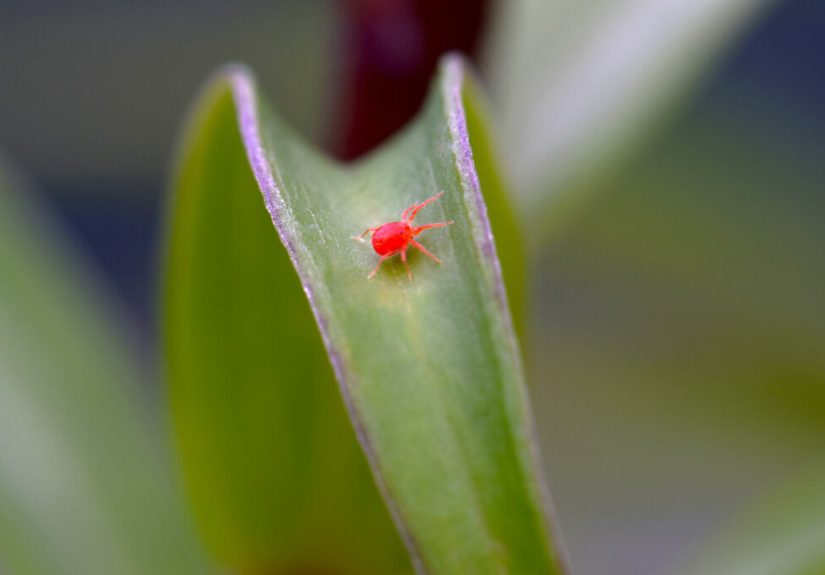
- Size: Extremely smallaround a pinhead or smaller. Many people notice them as moving specks.
- Color: Red to reddish-brown; sometimes they look darker or a bit brown/olive depending on age and feeding.
- Body type: A true mite with eight legs (not six like insects).
- Signature feature: The front pair of legs is unusually long and can look like antennae.
- Where they gather: Sunny exterior walls, foundations, patios, and especially windowsills and window frames.
- Tell-tale “oops” factor: When crushed, they can leave a rusty red smear.
A Simple (Non-Gross) Test
If you want to confirm without creating a stain, use a piece of clear tape to pick one up. Under close inspection,
the extra-long front legs and rounded body are often easier to spot. (Tape: the underrated hero of bug identification.)
Clover Mites vs. Other Tiny Red Bugs
“Tiny red bugs” is basically a whole genre. Here’s how clover mites compare to common lookalikes.
Clover Mites vs. Chiggers
- Bites: Clover mites don’t bite people; chiggers (their larval form) can cause intensely itchy bites after outdoor exposure.
- Where you find them: Clover mites often show up on buildings/windows; chiggers are usually a problem after walking through brushy, grassy outdoor areas.
- Visibility: Chiggers are extremely tiny and often not noticed until bites appear; clover mites are commonly seen crawling on surfaces.
Clover Mites vs. Red Spider Mites (Plant Pests)
- Location: Spider mites typically live on the undersides of plant leaves and create fine webbing; clover mites roam on walls, sills, and outdoor surfaces.
- Houseplants: If your indoor plants have stippled leaves and webbing, that’s more consistent with spider mites than clover mites.
Clover Mites vs. “Velvet Mites”
- Texture: Velvet mites look fuzzier and more “plush” up close.
- Behavior: Clover mites often appear in large groups near foundations and sunny walls.
Still unsure? If you’re seeing clusters on sunny windows, and nobody in the household is getting mystery bites,
clover mites rise to the top of the suspect list.
Do Clover Mites Bite? Are They Dangerous?
Clover mites are not known for biting people or pets, and they aren’t considered a disease threat. Their biggest “crime”
is being annoying and leaving stains if crushed. If you’re getting itchy welts after outdoor exposure, you may be dealing
with something else (like chiggers) and should treat it as a separate issue.
Why Clover Mites Love Your House (Spoiler: Your Lawn Might Be a Buffet)
Clover mites thrive in lush, well-watered, heavily fertilized turfespecially close to a building. Homes with
grass or clover growing right up to the foundation can be more likely to see migrations indoors. They also tend
to show up on the warmer sides of buildings (often south or west-facing) because temperature and sun exposure
influence their activity.
Common “Welcome” Signs You Didn’t Mean to Hang
- Thick, over-fertilized lawn right next to the foundation
- Overwatering that keeps turf extra lush
- Plants touching the structure (groundcovers, creeping vegetation)
- Tiny entry points around windows, doors, siding seams, or utility penetrations
- Seasonal shifts (they’re often most noticeable during cool seasons or transitions)
Where You’ll Usually See Clover Mites Indoors
Clover mites are small enough to slip through very narrow gaps. Indoors, they’re most often spotted:
- Along windowsills and window frames
- Near sliding glass doors and door thresholds
- On sunny walls (especially light-colored surfaces where they stand out)
- In rooms adjacent to lawns, patios, or foundation plantings
How to Get Rid of Clover Mites Indoors (Without Smearing Them Everywhere)
Step 1: Vacuum, Don’t Smash
The fastest, least messy way to remove clover mites indoors is to vacuum them up.
Use a hose/crevice attachment so you can lift them off surfaces without crushing. Afterward, empty the canister
or dispose of the bag in an outdoor trash container so any survivors don’t stage a comeback tour.
Step 2: Use Gentle Pickup Methods for Stragglers
For small numbers, you can dab them with a damp cloth or sponge (light pressurethink “collecting,” not “squishing”).
Tape can also work for a few individuals on window frames.
Step 3: Avoid Indoor Chemical Sprays as a First Move
Indoor pesticides usually aren’t the best answer for clover mites because indoor control tends to be temporary if
the outdoor source remains. Focus on removal plus prevention. If you believe chemical control is necessary, consult
a licensed pest professional and follow product labels and local guidanceespecially in homes with kids or pets.
How to Prevent Clover Mites (The Part That Actually Keeps Them Gone)
Clover mite control works best when you treat the situation like a tiny red “commute problem.” If you make it hard
for them to reach your home in the first place, you won’t have to keep dealing with surprise windowsill parades.
Create a Barrier Zone Along the Foundation
Many extension programs recommend a vegetation-free strip along the foundation. Think of it as a “no-snack, no-shelter”
zone: less turf and clover right next to the house means fewer mites making the journey indoors.
- Keep grass, clover, and groundcovers from touching the structure.
- Consider a border of gravel or mulch (maintained and kept from bridging directly into siding gaps).
- Keep edges trimmed so plants don’t creep back into the buffer.
Dial Back the “Lawn Spa Day” Routine Near the House
Clover mites favor lush growth. If your foundation area looks like a golf course fairway with a personal hydration coach,
mites may see it as prime real estate. Consider:
- Avoiding heavy fertilization close to the foundation.
- Adjusting watering to support healthy turf without creating constant “luxury greens.”
- Keeping grass height appropriate and removing heavy thatch where it’s an issue.
Seal the Easy Entry Points
Since clover mites can slip through tiny openings, basic exclusion helps a lot:
- Repair torn screens and ensure windows close snugly.
- Seal gaps around window frames, door frames, and utility lines (appropriate materials and methods matter).
- Address cracks or crevices where the foundation meets siding or trim.
Consider Targeted Outdoor Help When Needed
If you’ve done the basics and still see heavy activity outdoors right against the home, targeted perimeter management may help.
Because pesticide selection and application details vary by location, product labeling, and household needs, it’s safest to
consult local extension guidance or a licensed pest management professional rather than improvising.
Common Myths (So You Don’t Waste a Weekend)
Myth: “They’re sucking my blood because they’re red.”
Clover mites are plant feeders. The red color isn’t proof of a vampire lifestylejust their natural pigmentation.
Myth: “If I spray inside, they’ll be gone forever.”
Indoor sprays may reduce what you see today, but if mites are still thriving in vegetation outside, more can wander in.
Prevention beats whack-a-mite.
Myth: “They’re breeding in my carpet.”
Clover mites generally don’t reproduce well indoors. When you see recurring mites, it’s usually ongoing entry from outside,
not a secret carpet civilization.
When to Call a Pro
If you’re seeing large numbers repeatedly, you can’t locate entry points, or you need a customized perimeter plan (especially
around sensitive areas like gardens, pets, or children’s play zones), a licensed pest professional can help identify the source
and recommend a safe, effective approach.
FAQ: Quick Answers About Clover Mites
How long do clover mites live indoors?
Indoors, they typically don’t thrive because conditions and food aren’t ideal. You may still see them for days as outdoor
migrants continue to enter until prevention steps take effect.
Why are they on my sunny window specifically?
Clover mites respond strongly to temperature and sun exposure. Windows, sills, and sun-warmed walls become high-traffic areas,
especially on the warmer sides of a building.
Will they damage my houseplants?
Clover mites prefer outdoor turf and clover-type plants. If a houseplant is suffering, investigate common houseplant pests
like spider mitesespecially if you see leaf stippling or webbing.
Real-World Experiences: What Clover Mite Encounters Usually Look Like (and What Actually Helps)
People often describe their first clover mite encounter the same way: “I thought my windowsill had moving dust.” One homeowner
notices tiny red specks clustered along the bottom edge of a sunlit windowusually on a warm afternoonthen watches in disbelief
as a few dozen become a few hundred. The immediate instinct is to grab a paper towel and wipe. That’s when the infamous red
streaks happen, and suddenly the pest problem feels personal.
The next most common storyline is the “new lawn, new neighbors” scenario. After fresh sod or a newly seeded yard takes off,
the turf around the foundation is thick, bright green, and frequently watered. It’s the kind of lawn that makes you want to
take a photo. Clover mites also approve. In these cases, people report that the problem is worst along one side of the homeoften
the sunniest walland especially near sliding glass doors or basement windows close to ground level. The indoor mites may taper
off once the yard routine changes and a small barrier zone is created along the foundation.
Another pattern shows up in townhomes and apartments with ground-floor patios: planters and groundcovers pushed tight against
the wall create a cozy bridge straight to door frames and window tracks. Residents report that simply pulling vegetation back
a bit and keeping plant material from touching the structure reduces sightings dramaticallywithout needing to treat the entire
outdoor space like it’s a biohazard zone.
Families with kids or pets often focus on “no-chemical” solutions first, and their experiences tend to align: vacuuming is the
MVP. The best results come from vacuuming the mites as soon as they’re noticed (before they get crushed), then working outdoors
to reduce the “launch pad” near the hometrimming grass edges, avoiding heavy fertilizer near the foundation, and fixing obvious
gaps around windows. People also report success using sticky tape for a handful of mites in tricky spots like window channels,
where wiping would smear and vacuuming might miss.
Finally, there’s the “it keeps happening every spring/fall” group. In these cases, the biggest turning point is usually
shifting from indoor cleanup to outdoor prevention. Once homeowners treat the situation like a perimeter-and-landscape issue
(not an indoor infestation), the problem becomes manageable: fewer mites reach the house, fewer get inside, and the ones that
do show up are a quick vacuum jobnot an annual crisis. The takeaway from most real-world reports is simple: clover mites are
more annoying than dangerous, but your landscaping choices can either discourage themor roll out the red carpet.
Conclusion
Clover mites are the definition of “tiny pest, big confusion.” The key is knowing what you’re looking at: a very small red
mite with extra-long front legs that loves sunny walls and lush turf, doesn’t bite, and mostly becomes a problem when it
wanders indoors. Vacuuming beats smashing, prevention beats panic, and a small foundation buffer zone can do a lot of heavy
lifting. Once you see the pattern, clover mites go from mystery menace to mildly annoying seasonal guest you can keep at the door.