
Table of Contents >> Show >> Hide
- What Defines a Hunting Lodge Chic Mood Board?
- The Color Palette: Woodsy, Warm, and Slightly Dramatic
- The Essential Materials: The Real Stars of the Room
- Furniture Choices: Sturdy, Tailored, and Deeply Comfortable
- Patterns and Textiles: Where the Cozy Really Happens
- Lighting: Low, Warm, and Gloriously Flattering
- Styling the Rooms: A Mood Board You Can Actually Live In
- How to Keep It Chic Instead of Cliché
- Why This Style Works So Well Right Now
- Final Thoughts: Build the Feeling, Not Just the Look
- Extended Reflection: What Living With This Mood Board Actually Feels Like
If your dream home lives somewhere between a polished country estate and a weekend cabin where the coffee is strong and the fireplace never really gets a day off, a hunting lodge chic mood board may be exactly your style language. This look is rustic, yes, but not rough around the edges. It is layered, tailored, moody, and warm. Think rich woods, handsome stone, broken-in leather, soft plaids, antique brass, and just enough wilderness energy to feel adventurous without turning your living room into a costume party for a nineteenth-century gamekeeper.
The magic of hunting lodge chic is that it borrows from classic American lodge design, mountain retreats, refined country homes, and a little old-school sporting-club polish, then gives all of it a modern edit. In other words, it says, “I love the outdoors,” but it also says, “I appreciate a good lamp and a sofa that doesn’t scratch.” That tension between rugged and refined is what makes the style so memorable. A proper mood board for this look should feel collected, not staged; masculine-leaning, but never stiff; and cozy enough that even your most design-skeptical guest will suddenly start using phrases like “atmosphere” and “wow, this blanket has presence.”
What Defines a Hunting Lodge Chic Mood Board?
At its core, a hunting lodge chic home is about mood, material, and restraint. Mood comes from deep, enveloping color and intimate lighting. Material comes from the classics: oak, walnut, reclaimed pine, stone, iron, leather, wool, linen, and aged brass. Restraint is the part that keeps the space chic. Without restraint, the room can tip into theme-park territory faster than you can say “antler chandelier.”
The best version of this style looks like it evolved over time. It mixes practical cabin references with elevated details: a rough-hewn beam above a fireplace, but paired with a tailored sofa; a plaid throw tossed over an armchair, but balanced by crisp drapery; vintage landscape art above a console, but with a sleek ceramic lamp beside it. This is not the place for glossy perfection. A little patina, a few scratches, and furniture that looks like it has heard some stories are all part of the appeal.
The Color Palette: Woodsy, Warm, and Slightly Dramatic
Every effective mood board starts with color, and for a lodge-inspired interior, the palette should feel pulled from a long walk through the woods in late fall. Start with grounding neutrals: warm ivory, mushroom, camel, taupe, bark brown, charcoal, and weathered gray. From there, layer in richer tones such as moss green, deep olive, rust, oxblood, tobacco, midnight blue, and muted black. These colors create the cocooning effect that makes a room feel intimate and timeless.
If you want the space to feel brighter and more current, use those darker shades as accents rather than a full-room commitment. A cream or soft putty wall can still support a hunting lodge chic mood board beautifully when paired with walnut furniture, a brown leather chair, plaid pillows, and a blackened iron sconce. If you want something moodier, a paneled wall in forest green or a den painted in deep brown can create the kind of cinematic backdrop that makes everything in the room look intentional.
Color Combinations That Work Exceptionally Well
- Camel, olive, and antique brass for a classic lodge look
- Charcoal, warm white, and walnut for a cleaner modern-rustic mix
- Rust, chocolate brown, and deep green for a cozy, collected atmosphere
- Navy, tan, and stone gray for a slightly more tailored, East Coast sporting feel
The Essential Materials: The Real Stars of the Room
In this style, materials do the heavy lifting. If the surfaces feel right, the room is already halfway to gorgeous. Wood should be visible and meaningful, whether that means ceiling beams, wide-plank floors, knotty paneling, a chunky coffee table, or an antique sideboard. Stone is equally important, especially around a fireplace, hearth wall, mudroom floor, or kitchen backsplash. It adds mass, texture, and that lodge-house seriousness that makes a room feel grounded.
Leather is almost non-negotiable, but it does not need to dominate. A pair of cognac club chairs, a dark brown ottoman, or a leather bench at the end of the bed can instantly give the mood board a richer profile. Then soften the room with wool, bouclé, linen, velvet, and quilted textiles. Texture is your secret weapon here. The room should look like it feels good before anyone even sits down.
Metal finishes should lean warm and aged. Antique brass, oil-rubbed bronze, wrought iron, and blackened steel all fit. High-shine chrome, on the other hand, can feel too cool and urban unless used sparingly. Lodge chic does not want to sparkle. It wants to glow.
Furniture Choices: Sturdy, Tailored, and Deeply Comfortable
Furniture for a lodge style home should feel substantial, but not oversized to the point of visual traffic jam. Think silhouettes with presence: rolled-arm sofas, slipcovered pieces in textured neutrals, spindle or Windsor accents, trestle dining tables, carved wood nightstands, and low-slung leather chairs that practically dare you to cancel your plans.
A common mistake is assuming every piece must look handmade by a mountain blacksmith. Not true. The chic part of hunting lodge chic comes from contrast. Mix rustic items with cleaner shapes so the room feels edited. For example, pair a reclaimed wood dining table with upholstered dining chairs, or set an antique chest beneath a modern landscape painting in earthy tones. Put a contemporary bench under a row of vintage hooks. Keep the palette cohesive and the materials honest, and the mix will feel sophisticated instead of confused.
Anchor Pieces for the Mood Board
- A stone or brick fireplace, or at least a mantel with visual weight
- A camel or tobacco leather chair
- A substantial wood coffee table or dining table
- A wool plaid throw or tartan pillow mix
- A dark area rug with subtle pattern and texture
- Antique-style lamps with linen shades
- Nature-inspired art, maps, or framed sporting prints used sparingly
Patterns and Textiles: Where the Cozy Really Happens
No hunting lodge chic mood board is complete without textiles that invite touch. Plaid is the obvious hero, but it works best when it is treated like seasoning rather than the whole meal. A plaid lumbar pillow, wool throw, upholstered ottoman, or bedroom bench is usually enough. Mix it with solids, nubby neutrals, ticking stripes, subtle herringbone, and the occasional small floral or heritage print if you want a more layered, collected look.
Quilts, sheepskin accents, heavy drapes, and vintage-inspired rugs help keep the room from feeling too hard. A lodge interior without fabric is just a handsome shell. The trick is to build softness in multiple layers. In a living room, that might mean a textured sofa, plaid pillow, wool throw, old rug, and lined curtains. In a bedroom, it might be a wood bed, crisp sheets, a quilted coverlet, a thick throw at the foot, and one beautifully patterned accent pillow. The overall effect should say “settle in,” not “please admire from across the room.”
Lighting: Low, Warm, and Gloriously Flattering
Lighting may be the most underrated part of the entire mood board. Hunting lodge chic is not a style that thrives under one lonely overhead light blasting the room like an interrogation scene. It needs layers. Use table lamps, floor lamps, picture lights, sconces, and if possible, a statement pendant or chandelier with some rustic structure. Linen shades, amber bulbs, and warm dimmers are your friends.
Firelight matters too, even if your “fireplace” is more decorative than frontier functional. A real hearth instantly creates lodge energy, but candles grouped on a mantel or a softly glowing electric insert can still help achieve the same emotional warmth. The goal is simple: the room should look even better at 7:30 p.m. than it does at noon.
Styling the Rooms: A Mood Board You Can Actually Live In
Living Room
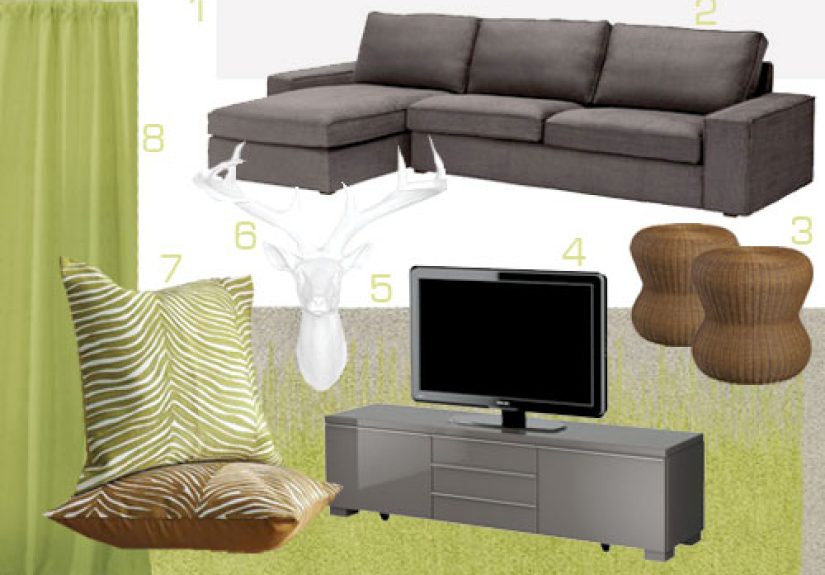
Start with a neutral sofa, then build outward with leather seating, a wood-and-stone mix, and cozy layered textiles. Add one vintage trunk or chest, a few books with handsome spines, a tray for drinks, and a sculptural object that feels earthy rather than flashy. Landscape art, equestrian prints, or black-and-white nature photography work well. Skip clutter. This style wants character, not chaos.
Dining Room
A long wooden dining table is the emotional center of a lodge-style dining room. Pair it with a mix of chairs, perhaps upholstered host chairs at the ends and simpler wood chairs along the sides. Add a wrought-iron or antique-brass chandelier overhead, linen napkins, stoneware dishes, and a centerpiece that feels seasonal but unfussy. Branches, greenery, or a bowl of pears can do the trick without looking like you hired a moose as your stylist.
Bedroom
The bedroom should feel softer and quieter than the public rooms. Use warm wood, layered bedding, textured curtains, and a palette that leans earthy rather than bright. A plaid blanket or quilt can add lodge personality without turning the room into a flannel commercial. Bedside lamps with soft shades, vintage artwork, and a bench in leather or wood complete the scene.
Entry or Mudroom
This is where the hunting lodge fantasy really earns its boots. A bench, hooks, woven baskets, durable flooring, and maybe a striped or plaid runner create an entry that is practical and stylish. It should look ready for coats, dogs, boots, and spontaneous weekend guests.
How to Keep It Chic Instead of Cliché
The line between rustic luxury decor and full-blown costume drama is thinner than many people realize. The easiest way to keep the style elevated is to edit aggressively. Use wildlife motifs selectively. Choose one antler reference, not twelve. Favor original materials over fake distressing. Look for furniture with good shape and proportion, not just “rustic” branding. And mix in enough refined elements, such as tailored upholstery, polished lighting, or clean-lined art, so the room feels designed rather than themed.
Another smart move is to avoid making everything dark. A hunting lodge chic mood board needs contrast. If the walls are wood-paneled and the sofa is brown and the rug is dark and the curtains are plaid, congratulations: you have designed a very expensive cave. Break things up with cream upholstery, lighter rugs, pale plaster, or even a whitewashed ceiling. That contrast is what lets the richer materials shine.
Why This Style Works So Well Right Now
Design trends come and go, but this particular look has staying power because it satisfies two modern cravings at once: comfort and character. People want homes that feel grounded, tactile, and personal. They also want rooms that photograph well, entertain easily, and do not feel disposable. Hunting lodge chic delivers on all three. It embraces craftsmanship, celebrates natural materials, and creates spaces that feel deeply lived in without looking messy.
It also adapts well. In a mountain house, it feels obvious. In a suburban home, it can make a generic living room feel warmer and more memorable. In a city apartment, even a few elements, like a leather chair, plaid throw, moody lamp, and wood table, can create the same atmosphere in miniature. The mood board is flexible because the principles are timeless: warmth, texture, balance, and soul.
Final Thoughts: Build the Feeling, Not Just the Look
A successful home mood board does more than assemble pretty objects. It creates a feeling you can return to every day. That is the real power of hunting lodge chic. It is not about pretending you just came back from a weekend of fly-fishing, horseback riding, or dramatically gazing across a foggy field at dawn, though the style certainly leaves room for that kind of main-character energy. It is about creating a home that feels rooted, welcoming, textured, and unmistakably personal.
If you are building your own hunting lodge chic interior, start with the bones: wood, stone, leather, wool, warm light. Then add the layers that tell your version of the story: vintage finds, landscape art, a plaid you actually love, a table that can survive a dinner party, a chair that deserves its own reading lamp. When you get the balance right, the space feels less like a trend and more like a place people want to stay awhile. And really, that is the whole point.
Extended Reflection: What Living With This Mood Board Actually Feels Like
There is something special about walking into a hunting lodge chic room at the end of a long day. The experience begins before you sit down. You notice the low light first, the kind that makes everyone and everything look slightly more interesting. Then your eye lands on the grain of the wood table, the soft fold of the wool throw, the leather chair that seems to improve simply by existing. Nothing is shouting for attention, but everything has presence. The room does not feel decorated in a showy way. It feels composed, like a favorite outfit built from pieces that have known each other for years.
That is why this style resonates emotionally as much as visually. It invites slower rituals. Morning coffee feels better in a room with warm wood tones and quiet texture. Reading feels more appealing when there is a lamp glowing over your shoulder and a heavy blanket draped nearby. Hosting becomes easier because the room already knows how to be generous. A long dining table, sturdy seating, soft lighting, and layered materials create an atmosphere where people naturally linger. No one rushes out of a room that feels this grounded.
There is also a subtle confidence to the aesthetic. It does not depend on trend-chasing or fragile perfection. A scratched wood surface is not a disaster; it is part of the story. A vintage cabinet with a slightly uneven patina feels more interesting, not less. The room allows life to happen. Dogs can nap there. Boots can land by the door. Guests can put their drink down without triggering a design emergency. In a world full of spaces that look good only when untouched, that practicality feels strangely luxurious.
Perhaps the most appealing part of the hunting lodge chic mood board is the way it reconnects a home to nature without becoming literal about it. You do not need a wall of mounted trophies or a dozen pinecone motifs to suggest the outdoors. A stone hearth, an olive wall, a weathered bench, and a landscape painting can do the job with much more elegance. The effect is psychological as much as decorative. You feel sheltered, but not sealed off. The outside world seems present in the palette, the materials, and the calm of the space.
Over time, that feeling deepens. The room starts to hold memory well. Holiday dinners feel warmer. Winter weekends feel slower. Rain against the windows seems cinematic instead of inconvenient. Even in summer, the style works because it is not just cozy; it is rooted. It gives a home a sense of permanence, and permanence is one of the rarest design luxuries of all. A great hunting lodge chic interior does not merely look good in a photo. It becomes the kind of place people remember in sensory fragments: the soft lamp glow, the smell of wood, the weight of the blanket, the comfort of the chair, the way the whole room seemed to exhale when they walked in.






 Close
Close