
Table of Contents >> Show >> Hide
- What Is Allemande Sauce?
- Why This Allemande Sauce Recipe Works
- Ingredients for Allemande Sauce
- How to Make Allemande Sauce
- Best Tips for a Silky Allemande Sauce
- What to Serve with Allemande Sauce
- Allemande Sauce Variations
- Common Mistakes to Avoid
- How to Store and Reheat Allemande Sauce
- Food Safety Note for Egg-Based Sauces
- Allemande Sauce Recipe Card
- Kitchen Experience: What Making Allemande Sauce Teaches You
- Conclusion
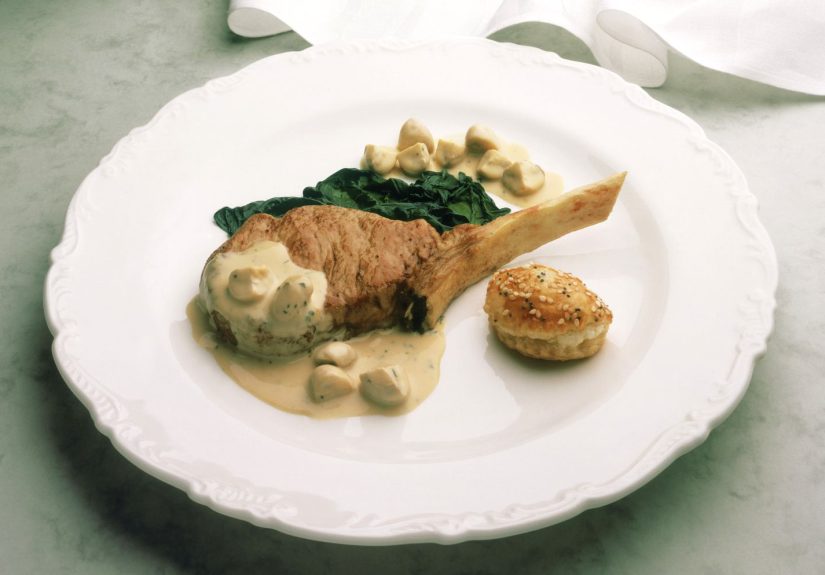
Allemande sauce sounds like the kind of thing that should arrive wearing a tiny powdered wig and demanding a silver spoon. In reality, it is one of the most elegant, practical, and surprisingly approachable classic French sauces you can make at home. Built from a light velouté sauce, enriched with egg yolks and cream, and finished with a bright squeeze of lemon juice, this creamy white sauce turns simple chicken, veal, fish, vegetables, or poached eggs into something that feels restaurant-worthy without requiring a culinary school tuition bill.
If you have ever tasted a sauce that was silky, savory, delicate, and just rich enough to make you pause mid-bite, there is a good chance it had something in common with Allemande sauce. It belongs to the classic family of French “small sauces,” meaning it is made from a foundational mother saucein this case, velouté. Think of velouté as the dependable parent and Allemande as the polished child who studied abroad and learned how to hold a dinner party.
This guide walks you through a clear, home-friendly Allemande sauce recipe with ingredients, step-by-step instructions, troubleshooting tips, serving ideas, and real kitchen experience so your sauce turns out smooth instead of scrambled. Because yes, egg yolks are involved, and yes, they can be dramatic if mistreated.
What Is Allemande Sauce?
Allemande sauce is a classic French sauce made by enriching velouté with a liaison, which is a mixture of egg yolks and cream. The sauce is then seasoned with lemon juice, salt, white pepper, and sometimes a little nutmeg. Its flavor is mild, savory, lightly tangy, and beautifully creamy without being heavy like a cheese sauce.
Traditionally, Allemande sauce is made with veal velouté, but home cooks often use chicken velouté because chicken stock is easier to find and more affordable. Fish velouté can also be used when serving the sauce with seafood. The key is to start with a light, well-seasoned stock-based sauce and then enrich it gently.
Why This Allemande Sauce Recipe Works
A good Allemande sauce recipe is all about balance. The velouté provides body and savory depth, the egg yolks add richness, the cream creates a smooth texture, and lemon juice brings the sauce back to life so it does not taste flat. Without the lemon, the sauce can feel sleepy. With too much lemon, it starts shouting. The goal is a polite sparkle.
This version is designed for home kitchens. It uses accessible ingredients, clear temperatures, and a simple tempering method to prevent the egg yolks from curdling. You do not need fancy equipment, but a whisk, a saucepan, and a little patience will make you feel like you have joined a secret sauce society.
Ingredients for Allemande Sauce
For the Velouté Base
- 2 tablespoons unsalted butter
- 2 tablespoons all-purpose flour
- 2 cups warm chicken, veal, or fish stock
- 1 small bay leaf, optional
- 1 small sprig thyme, optional
- Salt, to taste
- White pepper, to taste
For the Liaison and Finish
- 2 large egg yolks
- 1/4 cup heavy cream
- 1 to 2 teaspoons fresh lemon juice
- 1 tablespoon cold unsalted butter, optional, for extra gloss
- Pinch of freshly grated nutmeg, optional
How to Make Allemande Sauce
Step 1: Make a Light Roux
Place a medium saucepan over medium-low heat and add the butter. Once melted, whisk in the flour. Cook for 2 to 3 minutes, whisking often, until the mixture looks smooth and pale blonde. Do not let it brown. Allemande sauce should stay light in color, not wander into gravy territory.
Step 2: Add the Stock Gradually
Slowly whisk in the warm stock, adding a little at first to loosen the roux. Once smooth, continue adding the rest of the stock in a steady stream. Add the bay leaf and thyme if using. Bring the sauce to a gentle simmer, then reduce the heat and cook for 15 to 20 minutes, whisking occasionally. The sauce should thicken enough to coat the back of a spoon.
Step 3: Strain the Velouté
For the smoothest texture, strain the velouté through a fine-mesh sieve into a clean saucepan. This step is optional, but it makes the finished sauce feel more refined. If you are already making a classic French sauce, you may as well let it wear its nice shoes.
Step 4: Prepare the Liaison
In a small bowl, whisk together the egg yolks and heavy cream until smooth. This mixture is what gives Allemande sauce its luxurious texture. Keep the heat low from this point forward because egg yolks thicken beautifully when handled gently and revolt when boiled.
Step 5: Temper the Egg Yolks
Slowly whisk about 1/2 cup of the hot velouté into the egg yolk and cream mixture. Add it gradually while whisking constantly. This warms the eggs gently and helps prevent curdling. Once the liaison is warm, whisk it back into the saucepan with the remaining velouté.
Step 6: Cook Gently
Cook the sauce over low heat for 2 to 4 minutes, stirring constantly, until it thickens slightly. Do not let it boil. The finished sauce should be silky and nappe, meaning it lightly coats a spoon. If you run your finger across the back of the spoon, the line should hold for a moment.
Step 7: Finish with Lemon and Butter
Remove the pan from the heat. Stir in lemon juice, white pepper, and a pinch of nutmeg if using. Taste and adjust the salt. For extra shine, whisk in 1 tablespoon of cold butter at the end. Serve warm.
Best Tips for a Silky Allemande Sauce
Use Warm Stock
Cold stock can make the roux clump. Warm stock blends more smoothly and helps the sauce thicken evenly. If lumps do appear, keep whisking and strain the sauce before adding the liaison.
Do Not Boil After Adding Egg Yolks
This is the golden rule. Once the egg yolks enter the pan, high heat is no longer your friend. Boiling can cause the sauce to curdle and turn grainy. Keep the sauce over low heat and stir gently but consistently.
Season at the End
Because the sauce reduces slightly as it cooks, add most of the salt near the end. This keeps the final flavor balanced. White pepper is traditional because it blends into the pale sauce, but black pepper works if you do not mind tiny specks.
Add Lemon Carefully
Lemon juice should brighten the sauce, not dominate it. Start with 1 teaspoon, taste, and add more only if needed. A great Allemande sauce tastes rich first, then gently tangy.
What to Serve with Allemande Sauce
Allemande sauce is wonderfully flexible. It pairs especially well with mild proteins and vegetables that appreciate a creamy, savory lift. Spoon it over poached chicken breast, roast chicken, turkey cutlets, veal, steamed asparagus, boiled potatoes, poached eggs, or white fish. It is also excellent with mushrooms, especially if you add sautéed mushrooms to the sauce for an earthy variation.
For a simple dinner, try serving Allemande sauce over roasted chicken with buttered rice and green beans. For brunch, spoon it over poached eggs and toast. For a more elegant meal, pair a fish-based version with poached cod, sole, or halibut. The sauce has enough body to feel luxurious, but it will not overpower delicate ingredients.
Allemande Sauce Variations
Chicken Allemande Sauce
Use chicken stock to make the velouté. This is the easiest version for most home cooks and works beautifully with poultry, rice, biscuits, and vegetables.
Veal Allemande Sauce
Use veal stock for a more traditional flavor. Veal stock gives the sauce a delicate richness and classic restaurant-style depth.
Fish Allemande Sauce
Use fish stock and serve with poached or baked seafood. Keep the lemon gentle and consider adding a small amount of chopped parsley or chervil before serving.
Mushroom Allemande Sauce
Sauté sliced mushrooms in butter until golden, then stir them into the finished sauce. This variation is excellent with chicken, pork, or roasted vegetables.
Herb Allemande Sauce
Add finely chopped parsley, tarragon, chives, or chervil at the end. Fresh herbs make the sauce feel brighter and more modern without losing its classic identity.
Common Mistakes to Avoid
Making the Roux Too Dark
A dark roux has a nutty flavor, but it belongs in other sauces. Allemande sauce should be pale and delicate, so keep the roux blonde.
Skipping the Tempering Step
Adding egg yolks directly to hot sauce is a shortcut to scrambled disappointment. Tempering may feel fussy, but it takes less than a minute and saves the texture.
Using Weak Stock
The sauce gets much of its flavor from the stock. If the stock tastes watery, the sauce will taste shy. Use a good-quality homemade or store-bought stock and simmer the velouté long enough to concentrate the flavor.
Over-Thickening the Sauce
Allemande should be creamy and pourable, not paste-like. If it becomes too thick, whisk in a splash of warm stock or cream until it loosens.
How to Store and Reheat Allemande Sauce
Allemande sauce is best served fresh, but leftovers can be stored in an airtight container in the refrigerator for up to 2 days. Because it contains egg yolks and cream, reheat it gently over low heat while whisking. Add a splash of stock or cream if needed to restore the texture.
Avoid microwaving on high heat, which can break the sauce. Also avoid boiling during reheating. Treat the sauce like a silk shirt: gentle handling prevents regret.
Food Safety Note for Egg-Based Sauces
Because Allemande sauce uses egg yolks, it should be cooked gently but thoroughly and served promptly. Use fresh refrigerated eggs, or pasteurized eggs if you prefer an extra margin of safety. Keep the sauce hot for serving, refrigerate leftovers quickly, and reheat carefully. Egg-based sauces reward attention, and the reward is a spoonful of creamy French magic.
Allemande Sauce Recipe Card
Prep Time
10 minutes
Cook Time
25 minutes
Total Time
35 minutes
Yield
About 2 cups
Ingredients
- 2 tablespoons unsalted butter
- 2 tablespoons all-purpose flour
- 2 cups warm chicken, veal, or fish stock
- 2 large egg yolks
- 1/4 cup heavy cream
- 1 to 2 teaspoons fresh lemon juice
- Salt and white pepper, to taste
- Pinch of nutmeg, optional
- 1 tablespoon cold butter, optional
Instructions
- Melt butter in a saucepan over medium-low heat.
- Whisk in flour and cook for 2 to 3 minutes without browning.
- Gradually whisk in warm stock until smooth.
- Simmer gently for 15 to 20 minutes, stirring occasionally.
- Strain the velouté into a clean saucepan.
- Whisk egg yolks and cream together in a small bowl.
- Temper the liaison by slowly whisking in 1/2 cup hot velouté.
- Whisk the warmed liaison back into the sauce.
- Cook over low heat for 2 to 4 minutes, stirring constantly. Do not boil.
- Finish with lemon juice, salt, white pepper, nutmeg, and optional cold butter.
- Serve warm over chicken, veal, fish, eggs, or vegetables.
Kitchen Experience: What Making Allemande Sauce Teaches You
Making Allemande sauce is one of those kitchen experiences that quietly upgrades the way you cook. At first, it may seem like just another cream sauce, but once you make it from scratch, you start to understand why classic French cooking cares so deeply about technique. This sauce is not complicated, but it is honest. If the heat is too high, it tells on you. If the stock is bland, it refuses to pretend otherwise. If you whisk with patience, it rewards you with a smooth, glossy finish that makes you want to sauce everything in sight, including leftovers that were minding their own business.
The first useful lesson is learning how much flavor comes from a simple base. A velouté made with butter, flour, and stock does not sound flashy, but when cooked properly, it becomes savory, soft, and comforting. The stock matters more than many people expect. A good chicken stock gives the sauce warmth and depth, while a weak stock makes it taste like cream wearing a Halloween costume as dinner. If you have homemade stock, use it. If not, choose a quality low-sodium stock so you can control the seasoning.
The second lesson is heat control. Allemande sauce teaches you to stop bullying the stove. Many home cooks cook everything too hot because high heat feels productive. With this sauce, lower heat is the professional move. Once the egg yolks and cream are added, the sauce needs gentle warmth, not a rolling boil. The goal is to thicken the sauce slowly, allowing the yolks to enrich the texture without curdling. A calm whisk and a watchful eye do more than brute force ever could.
The third lesson is balance. The lemon juice may look like a small detail, but it changes everything. Without acid, the sauce can taste too rich. With the right amount, it becomes lively and elegant. This is a great reminder for cooking in general: richness needs brightness. Cream needs lemon. Butter needs herbs. A cozy dish needs a little lift so it does not fall asleep on the plate.
In practical cooking, Allemande sauce is also a terrific rescue tool. Leftover roast chicken becomes dinner-party material. Steamed vegetables become something people actually reach for twice. Plain poached fish suddenly looks intentional. Even rice or mashed potatoes can become more exciting with a spoonful of warm sauce. It is the culinary equivalent of putting a blazer over a T-shirt: still comfortable, but now it looks like you made plans.
One of the best experiences with this recipe is realizing that “classic” does not have to mean stiff or outdated. You can keep the technique traditional while adjusting the final flavor to your meal. Add parsley for freshness, mushrooms for depth, or a whisper of tarragon for a more aromatic finish. The core method remains the same, but the sauce becomes your own. That is the beauty of learning a foundational recipe: it gives you confidence, not just instructions.
If you are new to French sauces, Allemande is a wonderful place to practice because it combines several essential skills in one recipe: making roux, building velouté, tempering eggs, seasoning with acid, and finishing for texture. Once you understand those steps, other sauces feel less mysterious. Suddenly, sauce-making stops being a fancy restaurant trick and becomes a regular kitchen skill. And that is a very good thing, because a homemade sauce has the power to turn an ordinary meal into something memorable.
Conclusion
Allemande sauce is creamy, classic, and far easier to make than its elegant name suggests. With a light velouté base, a careful egg yolk and cream liaison, and a clean finish of lemon juice, this French sauce brings smooth texture and refined flavor to chicken, veal, fish, eggs, and vegetables. The secret is not complicated equipment or rare ingredients. It is gentle heat, steady whisking, good stock, and a little respect for the egg yolks, which are tiny but clearly have strong opinions.
Whether you are building your sauce skills, planning a special dinner, or simply trying to make leftover chicken taste like it has a reservation at a nice bistro, this Allemande sauce recipe is worth learning. Master it once, and you will have a versatile, elegant sauce ready for countless meals.
Note: This article is written for web publishing and is based on established culinary techniques, classic French sauce methods, and practical home-kitchen experience.






 Close
Close