
Table of Contents >> Show >> Hide
- What Is Almond Pastry Cream?
- Ingredients for Almond Pastry Cream (Crème Patisserie)
- Step-by-Step Almond Pastry Cream (Crème Patisserie) Recipe
- How to Use Almond Pastry Cream
- Tips to Get Perfect Almond Pastry Cream Every Time
- Storage & Food Safety
- Common Problems & How to Fix Them
- Conclusion: Your New Go-To Dessert Filling
- Real-Life Experiences & Extra Tips for Almond Pastry Cream (Approx. )
If you’ve ever bitten into a fruit tart and thought, “I could happily live inside this filling,” then almond pastry cream is about to become your new home address. This rich, silky crème pâtissière boosted with almond flavor is perfect for tarts, eclairs, cream puffs, layer cakes, and any dessert that deserves to be a little extra.
In this guide, we’ll walk through what almond pastry cream is, how it’s different from almond cream and frangipane, how to make it step by step, and all the tips you need to avoid scrambled-egg custard disasters. At the end, you’ll also find a longer “experience” section full of practical stories, troubleshooting, and flavor ideas to help you really master this recipe.
What Is Almond Pastry Cream?
Pastry cream (crème pâtissière) is a classic French custard made from milk, egg yolks, sugar, and a starch (usually cornstarch, flour, or both). It’s cooked on the stove until thick and smooth, then chilled and used as a filling for pastries and desserts.
Almond pastry cream is essentially a standard pastry cream packed with almond flavor. That almond character usually comes from one or more of the following:
- Almond extract
- Finely ground blanched almonds (almond flour/almond meal)
- Occasionally a splash of amaretto or another nut liqueur
Almond Cream vs Frangipane vs Almond Pastry Cream
The terminology can get a little confusing, so let’s keep it straight:
- Almond cream (crème d’amande) – A soft, spreadable mixture of butter, sugar, eggs, and ground almonds. It’s often baked inside tarts and laminated pastries.
- Frangipane – Traditionally, a mixture of almond cream plus pastry cream. It’s richer, custardy, and used in classics like galette des rois.
- Almond pastry cream – A pastry cream that’s flavored with almond (extract and/or almonds) and used as a cooked, then chilled filling for tarts, puffs, eclairs, and cakes.
In this recipe, we’re making a true almond pastry cream: a crème pâtissière base enhanced with almond extract and ground almonds. You can also turn it into a frangipane-style filling by blending part of it with a classic almond cream if you like to go all-in.
Ingredients for Almond Pastry Cream (Crème Patisserie)
This recipe makes about 2 to 2½ cups of almond pastry cream, enough to fill a 9-inch tart or a generous batch of cream puffs.
Core Ingredients
- 2 cups (480 ml) whole milk – Whole milk gives the best texture. You can swap in part heavy cream for extra richness.
- 5 large egg yolks – Yolks provide structure, color, and that luxurious custard feel.
- 1/2 cup (100 g) granulated sugar – Sweetens and also helps protect the yolks from curdling too quickly.
- 3 tablespoons (24 g) cornstarch – For thickening and stability. You can use a mix of flour and cornstarch if desired.
- 2 tablespoons (15–20 g) all-purpose flour – Adds a slightly more “pudding-like” body and helps the cream hold up in tarts.
- 2 tablespoons (28 g) unsalted butter, at room temperature – Stirred in at the end for shine and richness.
Almond & Flavoring Ingredients
- 1/2 cup (50 g) finely ground blanched almonds (almond flour) – Adds real almond flavor and a subtle, pleasant texture.
- 1–1 1/2 teaspoons pure almond extract – Start with 1 teaspoon; almond extract is strong. Add more to taste.
- 1 teaspoon pure vanilla extract or 1/2 vanilla bean – Vanilla rounds out the flavor and keeps the custard from tasting “one-note.”
- Pinch of fine sea salt – A little salt makes the sweetness and almond flavor pop.
Step-by-Step Almond Pastry Cream (Crème Patisserie) Recipe
Step 1: Warm the Milk with Almond and Vanilla
- Add the milk to a medium saucepan.
- Stir in the ground almonds, vanilla (extract or bean), and a pinch of salt.
- Set the pan over medium heat and warm the mixture until it’s steaming and tiny bubbles appear around the edges. Do not let it boil aggressively.
Warming the milk infuses it with almond and vanilla and shortens the final cooking time, which helps preserve a silky texture.
Step 2: Whisk the Egg Yolks, Sugar, and Starch
- In a separate heatproof bowl, whisk together the egg yolks and sugar until the mixture looks lighter in color.
- Whisk in the cornstarch and flour until the mixture is smooth and lump-free.
Whisking the sugar into the yolks right away helps protect the eggs from the heat and keeps the final pastry cream silky instead of grainy.
Step 3: Temper the Eggs
This is the step that scares people, but you’ve got this.
- Slowly pour about 1/2 cup of the hot milk into the egg mixture while whisking constantly. This gently warms the eggs without scrambling them.
- Repeat with another 1/2 cup of hot milk, whisking the whole time.
- Once the egg mixture is warm and loosened, pour it back into the saucepan with the remaining milk, whisking as you go.
If you see a few tiny cooked egg bits, don’t panic. We’ll strain later if needed.
Step 4: Cook Until Thick and Bubbly
- Place the saucepan back over medium heat.
- Whisk constantly, scraping the bottom and sides so nothing sticks or scorches.
- The mixture will start thin, then thicken and look glossy. Once it reaches a slow boil (large bubbles popping), keep cooking and whisking for another 1–2 minutes to fully activate the starches.
You’re aiming for a consistency that holds soft peaks and slowly mounds on itself when spooned. Too runny and it won’t hold up in tarts; too thick and it can feel heavy. If you drag a spatula through the cream, it should leave a lasting trail that slowly closes.
Step 5: Finish with Butter & Almond Extract
- Remove the pan from the heat.
- Whisk in the butter until completely melted and incorporated.
- Stir in the almond extract, starting with 1 teaspoon. Taste and add up to 1/2 teaspoon more if you want a stronger almond flavor.
If your cream looks slightly lumpy, strain it through a fine-mesh sieve into a clean bowl. You’ll lose any larger almond bits, but the texture will be ultra-smooth.
Step 6: Chill Properly
- Press a piece of plastic wrap directly onto the surface of the pastry cream to prevent a skin from forming.
- Cool to room temperature, then refrigerate until thoroughly chilled, at least 3–4 hours.
- Before using, whisk the chilled almond pastry cream to loosen it into a smooth, spoonable texture.
How to Use Almond Pastry Cream
Almond pastry cream is wildly versatile. Once you have a batch in the fridge, desserts practically build themselves.
Classic Uses
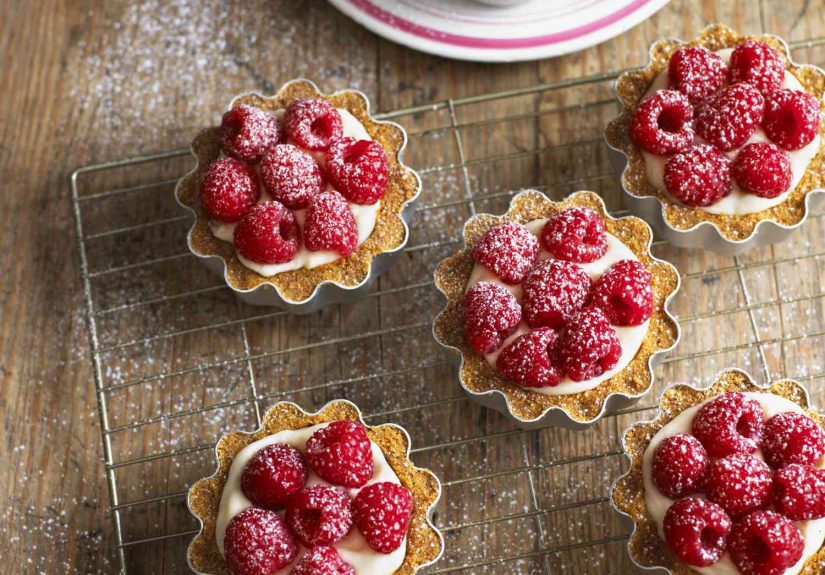
- Fruit tarts – Spread in a par-baked tart shell and top with fresh berries, stone fruit, or sliced pears.
- Cream puffs and eclairs – Pipe into choux shells and top with chocolate glaze or caramel.
- Layer cakes – Use as a filling between layers of sponge cake, especially with raspberries, cherries, or apricots.
- Breakfast pastries – Spoon into croissant dough, Danish dough, or puff pastry with fruit.
- Trifles and parfaits – Layer with cake cubes, whipped cream, and toasted almonds.
Flavor Variations
- Amaretto Almond Pastry Cream – Replace 1 tablespoon of the milk with 1 tablespoon of amaretto or almond liqueur (add at the end off-heat).
- Chocolate Almond Pastry Cream – Whisk in 3–4 ounces of finely chopped dark chocolate after cooking, along with the butter.
- Orange-Almond – Add 1 teaspoon of finely grated orange zest with the milk for a citrus twist that pairs beautifully with berries.
- Frangipane-Style – Stir equal parts almond pastry cream and classic almond cream for a richer, bakeable tart filling.
Tips to Get Perfect Almond Pastry Cream Every Time
1. Don’t Rush the Tempering
Add the hot milk slowly and whisk constantly. That gentle warm-up keeps the yolks from turning into scrambled eggs. Tempering is the key to custards that are smooth, not grainy.
2. Whisk, Whisk, Whisk
When the mixture is on the stove, whisk constantly, especially in the corners of the pan. Custard loves to stick where you’re not looking. A flat-bottomed whisk can help you reach the edges.
3. Let It Bubble Briefly
You need that 1–2 minutes of gentle bubbling once it thickens. That’s when the cornstarch fully activates and the cream develops its structure. If you stop too early, you’ll get a pastry cream that looks thick when hot but turns soupy as it cools.
4. Adjust Almond Flavor to Taste
Almond extract is powerful. Different brands vary in strength, so always start with less and taste before adding more. You want “delightful almond,” not “did I just drink perfume?”
5. Strain if Needed
If you see visible lumps, run the hot cream through a fine-mesh sieve. Yes, it’s one more dish, but it’s the difference between “homemade rustic” and “bakery-level smooth.”
Storage & Food Safety
- Refrigerator: Store almond pastry cream in an airtight container with plastic wrap pressed on the surface. Use within 3 days for best quality.
- Freezer: Some bakers successfully freeze pastry cream, but the texture can suffer. If you do freeze it, thaw overnight in the fridge and re-whisk thoroughly.
- Room temperature: Because it contains eggs and dairy, almond pastry cream should not sit at room temperature for more than about 2 hours.
Always use clean utensils when dipping into your pastry creamdouble-dipping might be forgiven with chips and salsa, but not with custard.
Common Problems & How to Fix Them
“My Pastry Cream Is Lumpy”
Cause: Eggs scrambled slightly during cooking or starch clumped.
Fix: Whisk vigorously while still hot. If that doesn’t solve it, strain through a fine-mesh sieve. Next time, temper more slowly and whisk constantly.
“It’s Too Runny”
Cause: Custard not cooked long enough at a boil, or measurements off.
Fix: Return to the heat and cook, whisking, for another minute or two. If it’s still too loose when chilled, you can fold in a little whipped cream and use it as a softer dessert cream instead of a tart filling.
“It Tastes Eggy”
Cause: Overcooked custard or not enough flavoring.
Fix: Make sure you’re cooking over medium (not high) heat and stop as soon as it’s thick and bubbly. Boost vanilla and almond extract slightly to balance any egg notes.
Conclusion: Your New Go-To Dessert Filling
Almond pastry cream (crème pâtissière) gives you all the smooth, velvety charm of classic pastry cream with a nutty twist that makes even simple desserts feel fancy. Once you’ve made it once or twice, you’ll realize it’s less “advanced pastry magic” and more “whisk and chill.” From fruit tarts to croissants to birthday cakes, this almond custard is the kind of recipe that quietly turns you into “the dessert person” in your circle of friendsand honestly, what a delicious reputation to have.
SEO Ready Summary
sapo: Almond pastry cream (crème pâtissière) is a rich, silky custard infused with almond flavor that instantly makes any dessert taste like it came from a French bakery. In this in-depth guide, you’ll learn how to make almond pastry cream step by step, understand the difference between almond cream, frangipane, and classic pastry cream, and pick up pro tips for getting a smooth, lump-free texture every time. We’ll also share ideas for using it in tarts, eclairs, cakes, and breakfast pastriesplus real-world tricks and flavor variations to help you make this almond custard your new go-to dessert filling.
Real-Life Experiences & Extra Tips for Almond Pastry Cream (Approx. )
Once you’ve learned the basic technique, almond pastry cream becomes one of those “why not?” recipes. Have extra egg yolks after making meringue? Why not pastry cream. Bought way too many berries because they were on sale? Why not pastry cream. Randomly promised to bring dessert to a dinner party? Definitely pastry cream.
One of the most useful experiences bakers share is that the pan and whisk you choose really matter. A heavy-bottomed saucepan distributes heat more evenly, making it much less likely that the custard will scorch on the bottom. Pair that with a sturdy whisk, and you’ll feel much more in control of the thickening process. If you’ve ever tried to make custard in a thin pot and watched it go from “fine” to “burned” in 10 seconds, you know this pain.
Another practical tip from home bakers and pastry pros alike is to think about texture in context. If you’re using almond pastry cream in a tart that will be sliced and served on plates, you want it quite firm so it holds its shape. That’s when the extra flour plus the brief boil really help. If you’re filling cream puffs or eclairs, a slightly softer, more spoonable texture can be nicer, especially if you plan to fold in a little whipped cream to make a lighter-style filling.
Flavor-wise, almond pastry cream plays incredibly well with fruit. One favorite combination is almond pastry cream with poached pears. You can line a tart shell with the cream, fan out poached pear halves on top, then brush with a little warmed apricot jam for shine. The almond and pear pairing tastes elegant but requires surprisingly little effort once the cream is made.
If you’re more of a breakfast person, try using this cream in a cheat’s “bakery” pastry. Roll out ready-made puff pastry, cut it into squares, spread a spoonful of almond pastry cream in the center, add sliced strawberries or cherries, fold up the corners, and bake until golden. A drizzle of powdered sugar glaze and a sprinkle of toasted sliced almonds on top make it look like it came straight from a fancy café.
One experience almost everyone has at some point is the “I left it on the heat a bit too long” moment. If your almond pastry cream gets slightly too thick on the stove, don’t panic. While it’s still warm, you can whisk in a tablespoon or two of warm milk to loosen it to the texture you want. Go slowlyadding a little at a timeso you don’t overshoot and make it too thin.
Another small but mighty trick: strain first, then chill if you’re unsure about the texture. Straining hot pastry cream through a sieve gives you a chance to catch any tiny lumps and also to check the consistency before it sets. Once it’s chilled, you can still whisk it, but fixing serious lumps or graininess becomes a lot harder.
Finally, don’t underestimate the power of garnish. Because almond pastry cream has such a smooth, understated look, adding a contrast on top makes desserts much more eye-catching. Think toasted sliced almonds, crushed amaretti cookies, chocolate shavings, or even a small sprinkle of flaky sea salt on chocolate-almond versions. Those little touches elevate your dessert from “homemade” to “I could charge money for this” in about 30 seconds.
Once you’ve made almond pastry cream a couple of times, you’ll start seeing possibilities everywhere: inside crepes, sandwiched between cookies, layered into mason jars with granola and fruit. Consider this recipe your almond-scented passport to an entire world of custard-based dessert creativity.







 Close
Close