
Table of Contents >> Show >> Hide
- Why This Harvard Health Topic Matters
- What Makes the Mediterranean Diet “Mediterranean” in the First Place?
- How an Indian Adaptation Works
- The Science Behind the Buzz
- What to Put on the Plate: A Practical Indian Mediterranean Template
- A One-Day Example of an Indian-Style Mediterranean Menu
- Common Mistakes That Can Derail the Plan
- How to Start Without Turning Your Kitchen Into a Research Project
- Experiences People Often Have When Adopting an Indian-Style Mediterranean Diet
- Final Thoughts
If the Mediterranean diet had a passport and a love of bold spices, it might happily settle into an Indian kitchen. That is the big idea behind An Indian adaptation of the Mediterranean diet, a Harvard Health topic that has sparked interest for a good reason: it shows that healthy eating does not have to look imported, expensive, or painfully bland. Your heart is not sitting in the corner demanding olives from a Greek island. It mostly wants more plants, better fats, less ultra-processed food, and fewer sugar-and-saturated-fat ambushes.
The classic Mediterranean pattern is already famous for emphasizing vegetables, fruits, beans, whole grains, nuts, seeds, fish, yogurt, and healthy fats while keeping red meat, added sugar, and heavily processed foods on a short leash. The Indian adaptation takes those same principles and asks a practical question: what if the plate looked more like dal, sabzi, brown basmati rice, whole-wheat roti, yogurt, chickpeas, lentils, mustard oil, peanuts, fish, fenugreek leaves, and a riot of spices? Suddenly, the idea becomes less “nutrition lecture” and more “dinner you might actually want to eat.”
That shift matters. People stick with eating patterns that match their culture, taste preferences, budget, and routines. A healthy diet is not useful if it only survives for three dramatic days between Monday motivation and Thursday takeout. The beauty of an Indian-style Mediterranean approach is that it keeps the core science while speaking the language of familiar ingredients and everyday cooking.
Why This Harvard Health Topic Matters
Harvard Health highlighted a small 2025 feasibility study involving 53 people from a cardiology clinic in New Delhi. Researchers created an Indian-adapted Mediterranean eating pattern using foods common to Northern India. After three months, participants reported the diet was generally easy to follow and showed modest improvements in body mass index, blood sugar, and leptin, a hormone linked with inflammation and metabolic regulation. That does not mean the plan is a miracle in a bowl. It does mean something important: a culturally tailored, heart-conscious eating pattern may be realistic and potentially helpful.
That is a big win in nutrition. Some diets fail not because the science is weak, but because the menu feels like it was designed by a person who has never met an actual family, a grocery budget, or a busy Wednesday. An Indian adaptation solves part of that problem by building around foods many people already know and love.
It also fits with broader American guidance on heart and metabolic health. U.S. experts consistently recommend eating more vegetables, fruits, whole grains, beans, nuts, seeds, and healthy fats while cutting back on sodium, added sugars, refined carbohydrates, and saturated fat. In other words, the blueprint is familiar. The accent changes, not the architecture.
What Makes the Mediterranean Diet “Mediterranean” in the First Place?
Before we adapt it, we should know what we are adapting. The Mediterranean diet is less a rigid rulebook and more a pattern built around whole, minimally processed foods. It is heavy on plants, moderate with dairy, modest with fish and poultry, and pretty stingy with red meat and sweets. Olive oil often plays the starring role as the primary fat source, and meals are usually seasoned with herbs and spices rather than drowned in sugar or salt.
It is also a lifestyle, not just a shopping list. Regular movement, cooking more at home, and sharing meals with other humans instead of exclusively with your laptop all tend to be part of the picture. That last detail may sound almost suspiciously wholesome, but it matters. Healthy eating works better when it is sustainable, social, and enjoyable.
So when people hear “Mediterranean diet,” they should not picture a narrow list of sacred foods. They should picture a flexible pattern: lots of plants, smart fats, fewer processed foods, and meals that do not leave your arteries writing complaint letters.
How an Indian Adaptation Works
The smartest part of the Indian adaptation is that it does not copy the Mediterranean diet ingredient by ingredient. It translates the principles. Olive oil is wonderful, but a healthy pattern does not collapse if someone cooks with peanut oil or mustard oil instead, especially when the overall diet is rich in legumes, vegetables, whole grains, and other unsaturated-fat foods. That is a practical adaptation, not nutritional betrayal.
Harvard Health noted several examples from the study and related expert commentary. Protein often came from legumes such as chickpeas and lentils, with dishes like chana masala and dal. Whole grains replaced more refined options, so brown rice, millet, barley, buckwheat, and whole-wheat roti or chapati became better carbohydrate choices than polished rice and refined flour breads. Healthier oils such as peanut or mustard oil were favored over larger amounts of ghee or coconut oil, which are higher in saturated fat. Vegetables included common favorites like tomatoes, eggplant, peppers, and spinach, along with regional greens. Fruit choices expanded beyond the usual apple-banana rotation to include mango, papaya, and guava. Even the spice cabinet got invited to the health party, with ginger, garlic, turmeric, cumin, coriander, cinnamon, cardamom, cloves, and black pepper adding flavor and plant compounds without needing a sodium explosion.
In plain English, the adaptation says this: keep the soul of Indian food, but quietly upgrade the structure. More lentils. More vegetables. More whole grains. More unsaturated fats. More fish or plant proteins if you eat them. Less refined flour, less deep-fried everything, less oversized dessert energy, and less treating ghee like a beverage.
The Science Behind the Buzz
The Mediterranean diet has long been linked with better heart health, healthier cholesterol patterns, improved blood pressure, and better blood sugar outcomes. U.S. diabetes and heart organizations also recognize Mediterranean-style eating as a solid option for reducing cardiovascular risk and supporting glucose management. That is one reason the Indian adaptation is so promising: it borrows from a pattern that already has a strong evidence base, then fits it into a culturally familiar framework.
Harvard Health also drew attention to the anti-inflammatory angle. The study authors described their Indian-adapted menu as having an exceptionally low Dietary Inflammatory Index score. That matters because chronic inflammation is often part of the messy background story in heart disease, diabetes, and other long-term conditions. No, turmeric alone will not ride in on a golden horse and rescue your metabolism. But a pattern built around fiber-rich plants, healthier fats, and fewer heavily processed foods can support a healthier internal environment over time.
That last phrase matters: over time. This is not about a detox weekend or an aggressively optimistic Sunday grocery haul. Benefits tend to come from consistent habits. The pattern works because the pieces reinforce one another. Beans bring fiber and plant protein. Whole grains slow the refined-carb roller coaster. Vegetables deliver bulk, nutrients, and variety. Healthier fats can help replace saturated fat. Yogurt or kefir can fit in moderation. Fish, when included, adds another nutrient-dense protein option. Together, the plate starts to look less inflammatory and more supportive of long-term health.
What to Put on the Plate: A Practical Indian Mediterranean Template
1. Build around legumes and other smart proteins
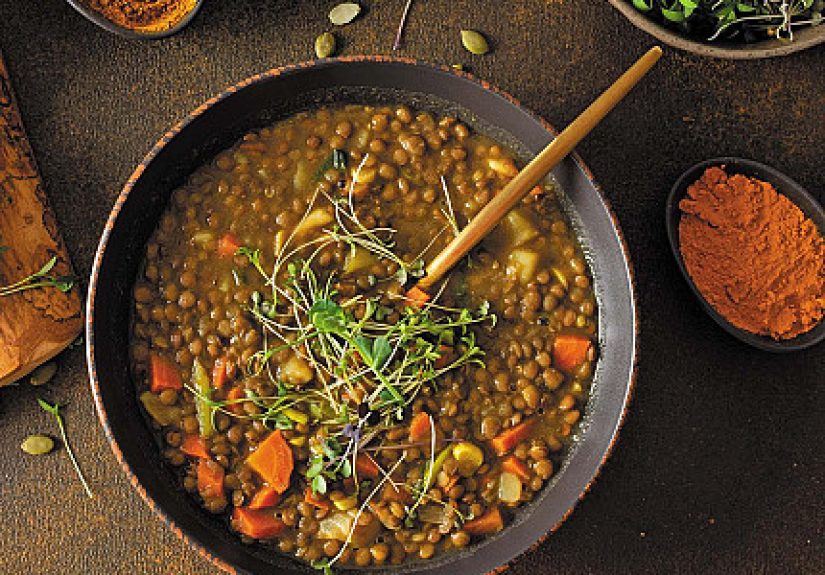
Lentils, chickpeas, kidney beans, black-eyed peas, and other pulses are basically the overachievers of this eating style. They offer fiber, protein, and staying power. Dal, rajma, chole, sprouted bean salads, and lentil soups all work beautifully. If you eat animal protein, fish and skinless poultry can fit well too. Paneer can also fit in moderation, though portion size matters because it can bring more saturated fat than legumes or fish.
2. Upgrade your carbs instead of fearing them
This is not a no-carb plan. It is a better-carb plan. Brown basmati rice, millet, barley, buckwheat, oats, and whole-wheat roti offer more fiber and nutritional value than a steady parade of refined flour breads, sugary cereals, and oversized piles of white rice. Carbs are not the villain in a fake mustache. The real problem is usually quantity, refinement, and what comes with them.
3. Let vegetables take up real estate
Half the plate filled with non-starchy vegetables is a smart rule borrowed from diabetes-friendly guidance and common sense. Spinach, okra, cauliflower, cabbage, eggplant, bell peppers, tomatoes, green beans, carrots, gourds, onions, and mixed sabzi all belong here. The goal is not decorative garnish. The goal is volume, fiber, color, and satisfaction.
4. Use healthy fats with intention
Classic Mediterranean eating leans on olive oil, but an Indian adaptation can also use other unsaturated fats sensibly. Peanut oil, mustard oil, nuts, seeds, and avocado can all help. Ghee does not have to disappear forever like a dramatic ex from a streaming series, but it should move from “main character” to “special guest star.”
5. Keep dairy moderate and smart
Plain yogurt, curd, kefir, or modest amounts of natural cheese can fit into this pattern. The trick is to avoid turning dairy into a sugar delivery system. A plain yogurt raita with cucumber and herbs is very different from a sweetened, cream-heavy restaurant-style mango lassi that behaves more like dessert wearing a yogurt costume.
6. Use spices as allies
Indian cuisine has a built-in advantage here. Garlic, ginger, turmeric, cumin, coriander, black pepper, cinnamon, cloves, cardamom, fenugreek, and chili can add incredible flavor with less reliance on heavy sauces, butter, or extra salt. Spices are not magic, but they are mighty useful when healthy eating needs to remain delicious.
A One-Day Example of an Indian-Style Mediterranean Menu
Breakfast: Vegetable oats or millet upma cooked with onions, peas, carrots, ginger, and mustard seeds, plus plain yogurt and a side of papaya.
Lunch: Brown basmati rice, mixed dal, sautéed spinach and tomato, cucumber-onion salad, and a spoonful of plain raita.
Snack: Roasted chana, a handful of unsalted nuts, or fruit with plain kefir.
Dinner: Whole-wheat roti, grilled or baked fish with Indian spices, eggplant and pepper sabzi, and a bowl of lentil soup.
Dessert: Fruit, or a small serving of lightly sweetened yogurt with cardamom and chopped pistachios.
This kind of menu checks many boxes: fiber, plant diversity, sensible fats, and less reliance on refined starches or sugar-heavy extras. It also tastes like actual food, which is a delightful bonus.
Common Mistakes That Can Derail the Plan
Mistake one: assuming “vegetarian” automatically means heart-healthy. A plate full of refined flour, fried snacks, sugary tea, and dessert is still a nutritional plot twist, even if no meat is involved.
Mistake two: using the phrase “traditional” as a free pass for unlimited saturated fat or salt. Tradition can be wonderful, but your blood pressure does not grade on cultural nostalgia.
Mistake three: forgetting portion sizes. Brown rice is a better choice than white rice, but a mountain of it is still a mountain.
Mistake four: over-glorifying single ingredients. Olive oil is great. Turmeric is interesting. Nuts are excellent. But no single item can save an overall pattern dominated by ultra-processed foods, sugary drinks, and constant overeating.
Mistake five: trying to become perfect overnight. Sustainable eating is usually built with repeatable swaps, not theatrical declarations made while reorganizing a spice rack at 11 p.m.
How to Start Without Turning Your Kitchen Into a Research Project
Start with three simple moves. First, upgrade one grain. Swap part or all of your white rice or refined-flour bread routine for brown rice, millet, barley, oats, or whole-wheat roti. Second, add one more legume-based meal each week, such as dal, chana masala, rajma, or lentil soup. Third, change one fat habit by cooking more often with unsaturated oils and using less butter, cream, or ghee.
Then build from there. Add a vegetable side to lunch. Keep fruit visible. Buy plain yogurt instead of sweetened versions. Roast or sauté rather than deep-frying everything that crosses your counter. Read labels on packaged foods, especially for sodium, added sugars, and saturated fat. Restaurant food can fit too, but home cooking makes it easier to control ingredients and portions.
And perhaps most importantly, keep the experience enjoyable. Food should support health, but it should also support life. Shared meals, home cooking, regular movement, and realistic routines are part of the reason Mediterranean-style patterns work so well in the real world.
Experiences People Often Have When Adopting an Indian-Style Mediterranean Diet
The experience of shifting toward an Indian adaptation of the Mediterranean diet is often less dramatic than people expect. There is usually no mystical moment where a person eats one bowl of dal and suddenly hears a choir of cardiologists singing in the distance. Instead, the change tends to feel practical. The first week is often about small substitutions: switching from refined breads to whole-wheat roti, replacing a fried snack with roasted chana, cooking vegetables in a lighter hand with oil, or choosing brown basmati rice a few nights a week. At first, some people worry the food will feel like punishment. Then they discover that cumin, ginger, garlic, chili, coriander, mustard seeds, and turmeric are more than capable of preventing boredom.
Another common experience is realizing that fullness changes. Meals centered on beans, lentils, vegetables, yogurt, nuts, and whole grains often feel steadier. People may notice they stay satisfied longer and are less likely to bounce between “I am starving” and “Why did I eat half the snack drawer?” Fiber and protein do not come with fireworks, but they do come with staying power. That can make everyday eating feel calmer and less chaotic.
Families often discover that this approach is surprisingly adaptable. One person may prefer a vegetarian plate with rajma, millet, salad, and raita. Another may add spiced fish or grilled chicken. Children may accept a meal more easily when the core flavors still feel familiar. This matters because cultural comfort is not a side note; it is often the reason a healthy eating pattern survives beyond a motivational speech and a refrigerator clean-out.
There can also be an adjustment period. Some people miss the richness of heavy restaurant curries, buttery breads, or very sweet drinks. Others find that reducing salt or fried foods makes meals taste “different” at first. But taste buds are adaptable little creatures. Over time, many people begin to appreciate the natural sweetness of fruit, the nuttiness of whole grains, and the layered flavor that spices create without needing extra cream or sugar.
For home cooks, one of the best experiences is discovering that healthy Indian-style meals do not have to be fancy. A simple bowl of dal, a vegetable dish, plain yogurt, and a whole grain can be balanced, satisfying, and deeply comforting. That kind of meal does not chase food trends or ask you to order ingredients from a moonlit mountain. It asks you to cook with intention. For many people, that is what makes the pattern sustainable. It feels less like going on a diet and more like returning to a smarter version of everyday food.
Final Thoughts
An Indian adaptation of the Mediterranean diet is appealing because it respects two truths at the same time: nutrition science matters, and culture matters too. The healthiest eating pattern is not always the one with the fanciest reputation. It is the one grounded in evidence and realistic enough to live with. Harvard Health’s spotlight on this approach is a reminder that heart-healthy eating can be translated, localized, and made genuinely enjoyable.
If your plate becomes richer in legumes, vegetables, whole grains, fruit, yogurt, nuts, seeds, fish or other lean proteins, and healthier oils, while lighter on refined grains, sugary drinks, deep-fried extras, and saturated-fat overload, you are moving in the right direction. Your food can still be Indian. It can still be delicious. And yes, it can still have personality. Healthy eating does not have to taste like regret.







 Close
Close