Table of Contents >> Show >> Hide
- A quick anatomy tour (because location matters… but not always the way you think)
- Anal cancer vs. rectal cancer: The differences that actually change care
- At-a-glance comparison
- Causes and risk factors: What raises the odds?
- Symptoms: When anal cancer and rectal cancer look alike (and how they differ)
- Diagnosis: How doctors tell anal cancer from rectal cancer
- Staging basics: How “extent of disease” is described
- Treatment: What happens after diagnosis?
- Prognosis: What outcomes depend on
- Prevention and early detection: What you can do
- Questions worth asking your clinician
- Real-world experiences (about ): What people often learn the hard way
- Conclusion
Let’s talk about a topic nobody casually brings up at brunchunless your brunch crowd is unusually into anatomy
(no judgment). Anal cancer and rectal cancer can sound like twins separated at birth,
but medically they’re more like cousins who share a family reunion and then take very different career paths.
They happen close together on the body map, can cause similar symptoms (hello, rectal bleeding), and yet they
often start in different cell types, have different risk factors, and are treated with different playbooks.
This guide breaks down the key differences between anal cancer vs. rectal cancerincluding causes,
symptoms, diagnosis, staging, treatment, prevention, and what to do if you’re worried about symptoms. It’s
educational, not a substitute for medical care, but it will help you ask smarter questions (and feel less
blindsided by medical jargon).
A quick anatomy tour (because location matters… but not always the way you think)
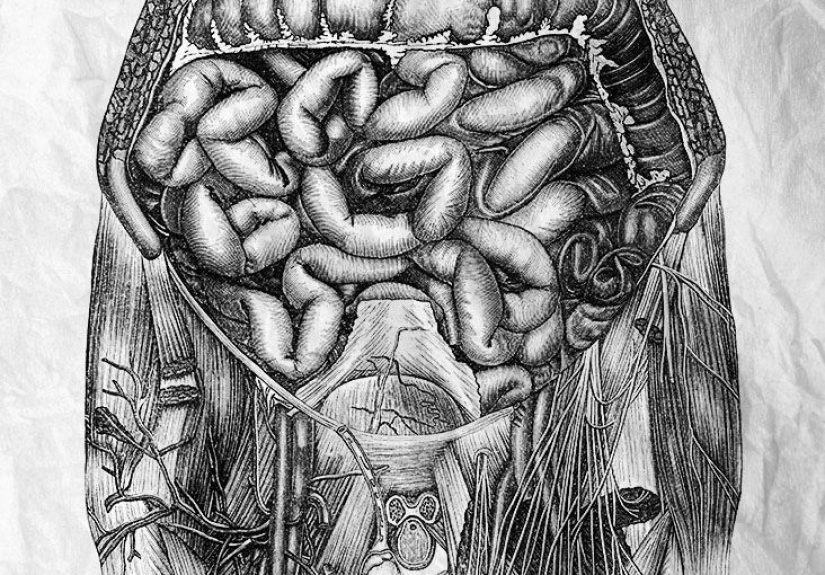
Your rectum is the last several inches of the large intestine, acting like a holding area before a
bowel movement. The anus is the opening at the end of the digestive tract, and the anal canal
is the short passage leading to that opening. They’re neighborsclose enough to borrow sugarso symptoms and even tumor
growth can overlap.
Here’s the twist: doctors often distinguish these cancers not only by where they are, but by what kind of cells
the cancer started from. That cell-of-origin is a big reason treatment strategies diverge.
Anal cancer vs. rectal cancer: The differences that actually change care
1) Cell type (the “origin story”)
Most anal cancers are squamous cell carcinomasthey start in squamous cells, which are
skin-like cells lining parts of the anal canal. Most rectal cancers are adenocarcinomasthey
begin in glandular cells that make mucus inside the rectum (similar to most colorectal cancers).
Why that matters: squamous cell cancers and adenocarcinomas respond differently to treatments like chemotherapy and
radiation. This is one reason anal cancer treatment often aims to avoid major surgery up front, while
rectal cancer treatment frequently involves surgery as a central step.
2) Common causes and risk factors (HPV vs. polyps-and-genetics, broadly speaking)
Anal cancer is strongly linked to human papillomavirus (HPV), especially persistent
infection with high-risk HPV types. Smoking and immune suppression (such as HIV infection or certain transplant-related
medications) also raise risk.
Rectal cancer is more often tied to the classic colorectal cancer pathway: precancerous polyps,
inherited syndromes (like Lynch syndrome or FAP), inflammatory bowel disease, and lifestyle factors such as obesity,
smoking, heavy alcohol use, low physical activity, and dietary patterns heavy in red/processed meats.
3) Treatment approach (chemoradiation-first vs. surgery-centered)
For many people with anal squamous cell carcinoma that hasn’t spread widely, the standard first-line
approach is chemoradiation (chemotherapy + radiation together). Surgery is often reserved for cancers
that don’t respond fully or that come back.
For rectal adenocarcinoma, treatment commonly uses a combination of surgery (often with
a technique called total mesorectal excision), chemotherapy, and sometimes radiation
before or after surgery. Some patients with an excellent response to pre-surgery therapy may be candidates for a
carefully monitored “watch-and-wait” strategyat specialized centers and with close follow-up.
4) Screening norms (routine for colorectal, selective for anal)
Colorectal cancer screening (which includes rectal cancer) is widely recommended for average-risk adults,
often beginning at age 45, using options such as colonoscopy and stool-based tests.
Anal cancer screening is not universal for the general population. It may be considered in certain
higher-risk groups (for example, some people living with HIV or with a history of HPV-related genital cancers), using
tools like digital rectal exams and anal cytology in appropriate settings.
At-a-glance comparison
| Feature | Anal cancer | Rectal cancer |
|---|---|---|
| Most common cell type | Squamous cell carcinoma | Adenocarcinoma |
| Major risk driver | Persistent HPV infection (plus smoking, immune suppression) | Polyps, genetics, IBD, lifestyle factors |
| Typical first-line treatment | Chemoradiation (often sphincter-sparing) | Surgery + chemo ± radiation (often multimodality) |
| Routine screening? | No (selective in some high-risk groups) | Yes (colorectal screening programs) |
| Common early clue | Bleeding, pain, itching, lump, “feels like hemorrhoids” | Bleeding, change in bowel habits, stool caliber change, fatigue |
Causes and risk factors: What raises the odds?
Anal cancer risk factors
- HPV infection, especially persistent high-risk types (a major driver for most anal cancers)
- History of anal or genital warts (often caused by HPV types associated with infection exposure)
- Weakened immune system (for example, HIV infection or immunosuppressive therapy after organ transplant)
- Smoking (increases risk and can worsen HPV persistence)
- History of HPV-related cancers (such as cervical, vulvar, or vaginal cancer)
- Age (risk increases with age)
Important nuance: having HPV is common, and most HPV infections clear on their own. The higher risk situation is
persistent high-risk HPV infection plus other risk factors (like smoking or immune suppression).
Rectal cancer risk factors
- Adenomatous polyps (precancerous growths that can become cancer over time)
- Family history of colorectal cancer or advanced polyps
- Inherited syndromes (such as Lynch syndrome or familial adenomatous polyposis)
- Inflammatory bowel disease (ulcerative colitis or Crohn’s colitis, especially longstanding disease)
- Age (risk rises as you get older, though rates have increased in younger adults too)
- Lifestyle factors: obesity, low physical activity, smoking, heavy alcohol use
- Diet patterns high in red/processed meats and low in fiber-rich foods (one piece of a larger puzzle)
Think of rectal cancer risk like a “many levers” situation. Some levers you can’t control (genes, age), but others
you can influence (screening, smoking, weight, activity).
Symptoms: When anal cancer and rectal cancer look alike (and how they differ)
Both cancers can cause symptoms that overlap with common, non-cancer conditionsespecially hemorrhoids. The goal here
is not to panic at every weird bathroom moment (we all have them), but to recognize when symptoms need evaluation.
Symptoms that can happen with either
- Rectal bleeding or blood in the stool
- Changes in bowel habits (constipation, diarrhea, or a persistent change from your normal pattern)
- A feeling of incomplete emptying
- Unexplained weight loss, fatigue, or anemia (especially with ongoing blood loss)
Symptoms that lean more “anal cancer”
- Pain or pressure in or around the anus
- Itching or unusual discharge
- A lump or mass near the anal opening
- Bleeding that’s dismissed as “just hemorrhoids” (common storyworth checking)
Symptoms that lean more “rectal cancer”
- Persistent change in stool shape (sometimes described as narrower stools)
- Tenesmus (feeling like you need to poop even after you just did)
- Pelvic discomfort or cramping that doesn’t resolve
A practical rule: if bleeding, pain, or bowel changes persist more than a couple of weeksor keep coming backget it checked.
The earlier something is evaluated, the more options you typically have.
Diagnosis: How doctors tell anal cancer from rectal cancer
Because the area is anatomically close, clinicians often use a combination of exams and imaging to clarify what’s going on.
Expect a stepwise processlike detective work, but with more gloves and fewer dramatic music cues.
Common first steps
- Medical history (symptoms, duration, family history, HPV-related history)
- Physical exam, often including a digital rectal exam (DRE)
- Visual inspection of the anal area
Tests used more in suspected anal cancer
- Anoscopy (a small scope to view the anal canal)
- Biopsy of suspicious tissue (this is the definitive step)
- Imaging such as MRI of the pelvis, CT scans, and sometimes PET imaging for staging
Tests used more in suspected rectal cancer
- Colonoscopy (examines the rectum and entire colon; can biopsy and remove some polyps)
- Biopsy to confirm cancer type
- MRI pelvis (commonly used to stage rectal tumors locally)
- CT chest/abdomen/pelvis to look for spread
- Sometimes endorectal ultrasound for select early-stage evaluation
The biopsy result (squamous cell vs adenocarcinoma) often becomes the “north star” for choosing a treatment plan.
Staging basics: How “extent of disease” is described
Both cancers are staged to describe tumor size, lymph node involvement, and whether there’s spread to distant organs
(often using the TNM system). Staging influences treatment intensitybecause a small localized tumor is a very different
opponent than one that has traveled.
Clinicians also pay close attention to lymph nodes in the pelvis and groin region, since the anal canal and rectum have
different lymphatic “routes” that can affect where cancer is likely to show up.
Treatment: What happens after diagnosis?
Anal cancer treatment (commonly chemoradiation-first)
For many non-metastatic cases of anal squamous cell carcinoma, combined chemotherapy and radiation is the
standard first approach. Common regimens include radiation paired with medicines such as 5-FU (or capecitabine)
and mitomycin. The goal is cure while preserving anal functionbecause nobody is excited about losing
sphincter control as a side quest.
If the cancer doesn’t fully respond or returns locally, surgery may be recommended. In more advanced cases, systemic
therapy (chemotherapy and sometimes immunotherapy in select settings) may play a role, and clinical trials can be important.
Rectal cancer treatment (often multimodality, surgery as a cornerstone)
Rectal cancer care is tailored to stage and tumor location (especially how close it is to the sphincter). Common components include:
- Surgery: local excision for select early tumors, or more extensive surgery for many cases
- Radiation therapy (often for locally advanced disease)
- Chemotherapy: before surgery, after surgery, or both (including “total neoadjuvant therapy” approaches)
- Targeted therapy or immunotherapy in specific tumor profiles (such as MSI-H/dMMR cancers)
In specialized settings, some patients who achieve a clinical complete response after preoperative therapy may be
offered a carefully monitored watch-and-wait strategy to preserve the rectum and avoid surgery. This requires
strict follow-up, and it’s not a DIY plan.
Side effects and quality of life (yes, we’re talking about the real stuff)
Both anal and rectal cancer treatments can affect bowel habits, sexual function, urinary function, and energy levels.
Radiation can irritate tissues in the pelvis; surgery can change anatomy and sometimes involves a temporary or permanent ostomy.
A good care team doesn’t just treat the tumorthey help you plan for recovery, symptom control, nutrition, and emotional support.
Prognosis: What outcomes depend on
Prognosis is influenced by stage, tumor biology, response to treatment, and overall health. In general, cancers found earlier
are easier to treat and more likely to be cured. Both anal cancer and rectal cancer can be highly treatable, especially when
detected before they spread.
Instead of relying on one “survival rate” number you found at 2 a.m., focus on your specific situation: stage, pathology,
imaging results, and treatment response. Those details are far more predictive than internet doom-scrolling.
Prevention and early detection: What you can do
HPV vaccination (big deal for anal cancer prevention)
Because HPV drives most anal cancers, HPV vaccination is one of the strongest prevention tools available.
It’s recommended routinely for preteens (with catch-up options for many teens and young adults). Even if you’re past the ideal
vaccination age, it’s still worth asking a clinician whether vaccination makes sense for you.
Colorectal screening (the rectal cancer game-changer)
Screening can find colorectal cancer earlyor prevent it by removing precancerous polyps. Average-risk adults are commonly advised
to begin screening around age 45, with options including colonoscopy and stool-based tests. If you have family history,
inflammatory bowel disease, or certain genetic syndromes, you may need earlier or more frequent screening.
Lifestyle moves that help (no, not “drink celery water and manifest”)
- Don’t smoke (or get help quittingyour future self will be obnoxiously grateful)
- Maintain a healthy weight and stay physically active
- Limit alcohol
- Eat a balanced pattern rich in fiber-containing foods (fruits, vegetables, whole grains, legumes)
- Keep up with medical care if you have IBD or a strong family history
Questions worth asking your clinician
- What type of cancer is it (squamous cell vs adenocarcinoma), and what does that mean for treatment?
- What stage is it, and what tests were used to determine that stage?
- What are my treatment options, and what’s the goal (cure vs control vs symptom relief)?
- Will treatment affect bowel, bladder, or sexual functionand what can we do to reduce those effects?
- Should I be tested for tumor markers like MSI/dMMR or other biomarkers?
- Do I need genetic counseling based on my age or family history?
- What follow-up schedule will I need after treatment?
Real-world experiences (about ): What people often learn the hard way
When you read about anal cancer vs. rectal cancer online, it can feel like everything happens in neat bullet points:
symptom → test → diagnosis → treatment → done. In real life, the path is messierand it’s normal to feel confused,
embarrassed, or overwhelmed along the way.
Experience #1: “I thought it was hemorrhoids.”
This is one of the most common stories with anal cancer and rectal cancer alike. Bleeding or discomfort starts, you
assume it’s hemorrhoids (because that’s statistically likely), and you try to wait it out. The tricky part is that
cancers can mimic hemorrhoids earlyespecially if symptoms are mild or come and go. Many people say the turning point
was persistence: bleeding that kept returning, pain that didn’t fit their usual pattern, or a new lump. The lesson
isn’t “panic”it’s “don’t self-diagnose forever.”
Experience #2: The testing feels awkward… until it’s not.
Let’s be honest: anoscopy, colonoscopy, rectal examsnone of these win “Most Glamorous Appointment” awards. But a funny
thing happens once you’re in the medical system: embarrassment usually drops fast because (1) clinicians do this all day,
and (2) you realize your body is doing something worth investigating. Many patients describe relief after diagnosisnot
relief that it’s cancer, obviously, but relief that there’s an explanation and a plan.
Experience #3: Treatment affects more than the tumor.
With anal cancer, chemoradiation can be highly effective, but pelvic radiation may temporarily change bowel habits,
irritate skin, and cause fatigue. People often say they weren’t prepared for how “local” side effects can feelbecause
the treatment targets a very sensitive neighborhood. Good supportive care (skin care guidance, pain control, hydration,
nutrition help, and sometimes pelvic floor therapy) can make a huge difference.
With rectal cancer, the emotional weight often centers on surgery decisions: Will I need a temporary ostomy? Permanent?
What will bathroom life look like afterward? People who go through it frequently say the fear was worse than the reality,
especially once they met an ostomy nurse and learned the practical skills. It’s also common to hear that quality of life
improves steadily after the initial recovery periodparticularly with good coaching and follow-up.
Experience #4: The “after” phase is its own chapter.
Finishing treatment doesn’t always mean flipping instantly back to normal. Many survivors describe a “new normal”:
different bowel rhythms, food sensitivities, changes in energy, and a heightened awareness of their body. Follow-up care
becomes a routine, and anxiety before scans (the famous “scanxiety”) is real. Support groups, counseling, and talking
openly with the care team about symptoms can help people feel less alone in that chapter.
If you’re in the middle of this journeypatient or caregiverone gentle truth helps: you don’t need to be brave every
minute. You just need to keep showing up, asking questions, and letting the care team do what they’re trained to do.
(And yes, you’re allowed to laugh occasionally. Bodies are weird, and humor can be a pressure valvenot a denial of reality.)
Conclusion
The key takeaway in the anal cancer vs. rectal cancer conversation is that these are not interchangeable diagnoses.
They differ in typical cell type, common causes (especially HPV’s role in anal cancer), and usual treatment strategy.
Both can share symptoms like rectal bleeding and bowel changeswhich is exactly why persistent symptoms deserve medical attention.
The upside: early detection and modern treatment options give many people strong chances for effective control or cure.