Table of Contents >> Show >> Hide
- Why Apple Pie Recipes Never Go Out of Style
- What Makes the Best Apple Pie Recipe?
- Classic Double-Crust Apple Pie Recipe
- Three Easy Apple Pie Recipe Variations
- Common Apple Pie Problems and How to Fix Them
- Serving, Storing, and Reheating Apple Pie
- FAQ About Apple Pie Recipes
- Final Thoughts on Apple Pie Recipes
- Apple Pie Recipes: The Real-Life Experience Behind the Crust
There are desserts, and then there is apple piethe flaky, cinnamon-scented overachiever that somehow makes a regular Tuesday feel like a holiday. If you have ever searched for the best apple pie recipes, you already know the internet is packed with advice: use tart apples, use sweet apples, use both, chill the dough, don’t chill the dough too much, and somehow emerge from the kitchen with a pie that looks like it belongs on a magazine cover. No pressure.
This guide cuts through the flour cloud. You will get a classic homemade apple pie recipe, smart baking tips, easy variations, and practical fixes for the most common pie disasters. Whether you are aiming for a traditional double-crust beauty, a crumb-topped Dutch version, or something rustic enough to say “I meant to do that,” this article will help you bake a pie that tastes deeply comforting and looks proudly homemade.
Why Apple Pie Recipes Never Go Out of Style
Apple pie is not trendy. It does not need to be. It has survived every dessert fad because it delivers where it counts: buttery crust, tender fruit, warm spice, and the kind of smell that makes people wander into the kitchen pretending they “were just passing by.” A great homemade apple pie balances sweet and tart flavors, keeps the filling thick instead of soupy, and gives the crust enough structure to hold everything together without turning into edible cardboard.
That balance is what separates a pie that gets polite compliments from a pie that disappears before dinner is technically over. The best apple pie recipes are not just about ingredients. They are about technique: choosing the right apples, managing moisture, seasoning with restraint, and letting the pie cool long enough to set. In other words, apple pie rewards patience. Annoying, yes. Delicious, also yes.
What Makes the Best Apple Pie Recipe?
1. Start with the right apples
The best apples for apple pie are firm enough to hold their shape while baking. If the apples collapse too quickly, your filling turns into sweet apple mush. That may still taste good, but it is no longer the pie experience most people are after. A mix of apples usually works best because it creates a more layered flavor. Tart apples bring brightness, while sweeter apples round things out and keep the filling from tasting flat.
Good choices often include Granny Smith, Honeycrisp, Braeburn, Pink Lady, and Golden Delicious. A blend is your friend here. Think of it as building a tiny fruit orchestra: one apple for structure, one for sweetness, one for that classic “yep, that tastes like apple pie” flavor.
2. Keep the crust cold and calm
A flaky crust depends on cold fat and gentle handling. Butter should stay cold enough to create steam pockets in the oven, which helps form those tender layers everyone loves. If your dough warms up too quickly, the butter melts before baking and the crust loses its flaky magic. That is how you end up with a sad, dense crust that feels more “weekday cracker” than “golden pastry triumph.”
Use ice-cold water, work quickly, and chill the dough before rolling it out. If it starts fighting back, do not argue. Put it back in the fridge and let it regroup.
3. Control the filling moisture
Watery filling is the classic apple pie betrayal. Apples release a lot of juice as they bake, and if that liquid is not managed properly, the bottom crust gets soggy and the filling slides everywhere once sliced. The fix is simple but important: toss the apples with sugar, spices, acid, and a thickener such as flour, cornstarch, or tapioca starch. Some bakers also let the apples sit for a bit first, which helps draw out extra moisture before the pie goes into the oven.
Another smart move is not overloading the spice cabinet. Cinnamon is welcome. A little nutmeg is lovely. But the goal is to support the apple flavor, not bury it under a spice avalanche.
4. Let it cool completely
This may be the hardest rule in baking. A bubbling pie smells incredible, and your brain will tell you that cutting into it immediately is a sign of passion. Your filling will disagree. Letting the pie cool gives the juices time to thicken and settle, which means cleaner slices and better texture. If you want a pie that holds together instead of collapsing like a dramatic TV character, let it rest.
Classic Double-Crust Apple Pie Recipe
If you want one reliable recipe to bookmark, this is it. It is classic, rich with apple flavor, and flexible enough to personalize.
Ingredients
For the crust
- 2 1/2 cups all-purpose flour
- 1 teaspoon salt
- 1 tablespoon granulated sugar
- 1 cup unsalted butter, very cold and cut into cubes
- 6 to 8 tablespoons ice water
For the filling
- 8 cups peeled, cored, and thinly sliced apples
- 3/4 cup brown sugar
- 1/4 cup granulated sugar
- 2 tablespoons all-purpose flour
- 2 tablespoons cornstarch
- 1 tablespoon lemon juice
- 1 1/2 teaspoons ground cinnamon
- 1/4 teaspoon nutmeg
- 1/4 teaspoon salt
- 1 teaspoon vanilla extract
- 1 tablespoon unsalted butter, cut into small pieces
For finishing
- 1 egg, beaten with 1 tablespoon water
- 1 tablespoon coarse sugar
Instructions
- Make the dough. In a large bowl, whisk together flour, salt, and sugar. Cut in the cold butter until the mixture looks shaggy with pea-sized bits. Add ice water, one tablespoon at a time, just until the dough starts to come together.
- Chill the dough. Divide into two discs, wrap each one, and refrigerate for at least 1 hour.
- Prep the apples. In a large bowl, toss the sliced apples with both sugars, flour, cornstarch, lemon juice, cinnamon, nutmeg, salt, and vanilla. Let the mixture sit for 15 to 20 minutes.
- Roll the bottom crust. On a lightly floured surface, roll one disc into a 12-inch circle. Fit it into a 9-inch pie dish, leaving a little overhang.
- Fill the pie. Spoon in the apples, piling them slightly higher in the center. Dot with small pieces of butter.
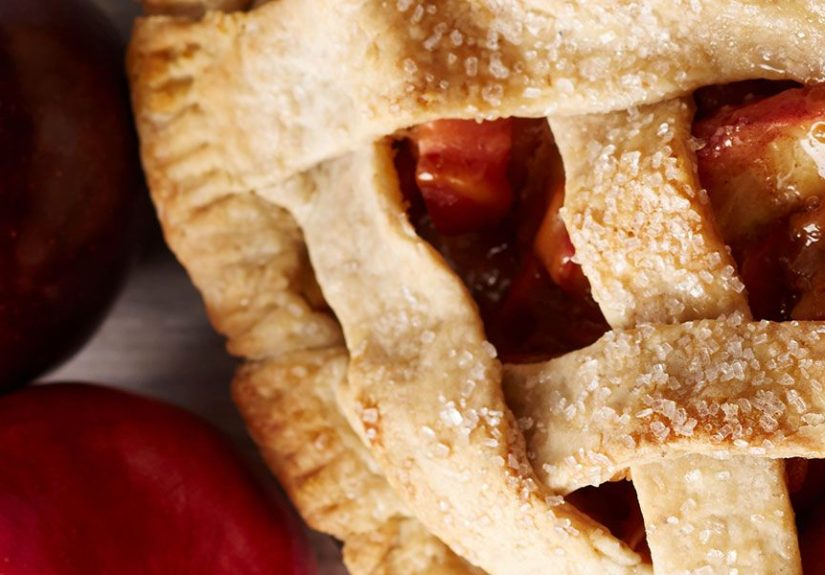
- Add the top crust. Roll out the second disc and place it over the filling, or cut it into strips for a lattice top. Trim excess dough, seal the edges, and crimp.
- Brush and vent. Brush with egg wash, sprinkle with coarse sugar, and cut a few vents if using a full top crust.
- Bake hot, then steady. Bake at 425°F for 20 minutes. Reduce the temperature to 375°F and continue baking for 35 to 45 minutes, until the crust is deeply golden and the filling is bubbling.
- Cool completely. Let the pie cool for at least 3 to 4 hours before slicing. Yes, really.
Three Easy Apple Pie Recipe Variations
Dutch Apple Pie
If you love a crisp, buttery topping, Dutch apple pie is your move. Instead of a top crust, use a streusel made with flour, brown sugar, butter, and a pinch of cinnamon. It is easier than weaving a lattice and gives you crunch in every bite. It also looks impressively bakery-like with less stress, which is always good kitchen math.
Salted Caramel Apple Pie
For a richer twist, drizzle salted caramel into the filling or over the baked pie. The caramel adds sweetness and depth, especially if your apples lean tart. The trick is restraint. You want the caramel to flirt with the apples, not smother them.
Skillet Apple Pie
A skillet version feels rustic and dramatic in the best way. Baking in cast iron can help create a beautifully browned bottom crust, and the presentation is pure cozy-season theater. Serve it warm in the skillet and people will act like you own a charming little bakery in Vermont.
Common Apple Pie Problems and How to Fix Them
Soggy bottom crust
Bake the pie on a lower oven rack and make sure the filling is not too wet. A glass or metal pie plate can also help the bottom crust cook through more effectively.
Gap between crust and filling
Apples shrink as they bake. Thin slices, a well-packed filling, and letting apples rest before baking can reduce that hollow space under the top crust.
Filling is too runny
Use a thickener and do not skip the cooling time. Cutting into the pie too early is one of the fastest ways to create apple soup in a crust costume.
Crust edges brown too fast
Shield the edges with foil or a pie guard partway through baking. This keeps the rim from burning while the center finishes cooking.
Pie tastes flat
Add a little acid, usually lemon juice, and a pinch of salt. These tiny additions sharpen the fruit flavor and make the whole pie taste more alive.
Serving, Storing, and Reheating Apple Pie
Apple pie is wonderful slightly warm, at room temperature, or straight from the counter after you sneak a forkful in the kitchen. Serve it with vanilla ice cream, whipped cream, or sharp cheddar if you enjoy a classic sweet-savory pairing. No judgment here; apple pie has range.
For storage, keep the pie loosely covered at room temperature for up to two days. For longer storage, refrigerate it and reheat slices in the oven so the crust stays crisp. Microwaves are convenient, but they can turn that beautiful crust soft. Useful? Yes. Noble? Not exactly.
FAQ About Apple Pie Recipes
What are the best apples for apple pie?
Firm varieties such as Granny Smith, Honeycrisp, Braeburn, Pink Lady, and Golden Delicious work very well. A mix usually creates the best flavor and texture.
Should you cook apples before making pie?
You can, but you do not have to. Lightly precooking or resting the apples can help reduce excess moisture and shrinkage. If you prefer a more traditional method, raw apples work well when sliced thin and combined with the right thickener.
How do you keep apple pie from being watery?
Use a thickener, avoid overly juicy apples, let the filling rest before baking if needed, and cool the pie completely before slicing. Those four steps solve most pie-related heartbreak.
Final Thoughts on Apple Pie Recipes
The best apple pie recipes are not complicated because they are flashy. They are memorable because they get the fundamentals right. Good apples. Cold crust. Balanced spice. Proper bake. Enough patience to let the filling set. That is the formula.
Once you master the classic version, you can branch out into Dutch toppings, skillet pies, caramel drizzles, crumb finishes, and all the little upgrades that make a pie feel like your pie. That is the beauty of baking apple pie at home. It is traditional, yes, but it still leaves plenty of room for personality. A little imperfect, a little dramatic, and absolutely worth making again.
Apple Pie Recipes: The Real-Life Experience Behind the Crust
Reading about apple pie recipes is one thing. Living through them is another. The real experience of making apple pie is gloriously messy, slightly chaotic, and weirdly emotional for something that starts with fruit and flour. You think you are just making dessert. Then suddenly you are elbow-deep in peeled apples, negotiating with butter, and questioning whether your lattice top looks “rustic” or “like it lost a fight.”
For many home bakers, the first apple pie is a confidence test. You roll out the dough and it cracks. You patch it. Then it sticks to the counter. You patch it again. By the time the crust finally lands in the pie dish, you have learned the first great lesson of pie baking: confidence is helpful, but a bench scraper is better. Still, once the apples are tossed with cinnamon and sugar, everything changes. The kitchen starts to smell like the kind of place where people forgive each other and ask for second helpings.
There is also something deeply satisfying about the routine itself. Peeling apples becomes strangely meditative. Slicing them thin feels fussy at first, then oddly calming. Tossing them with sugar, lemon juice, and spice feels like the dessert version of getting your life together. You line the crust, mound the filling, dot the butter, and suddenly the pie starts looking real. That is the turning point. Up until then, it is ingredients. After that, it becomes a promise.
And then the baking starts. This is the phase where hope and anxiety share an apartment. You peer through the oven door every seven minutes as if your attention alone can encourage flakiness. The butter bubbles. The filling starts to burble. The crust turns golden. If the pie leaks onto the baking sheet, congratulations: you are now having an authentic apple pie experience. Almost every memorable pie comes with at least one moment of panic.
The best part, though, is what happens after the pie cools. Someone cuts the first slice and the room gets quiet for a second. People inspect the layers. They notice whether the apples still have shape, whether the filling holds, whether the crust shatters just enough. Then they taste it, and the mood shifts immediately. Even a pie that is not picture-perfect often wins big because apple pie is generous like that. It tastes nostalgic even when it is brand-new.
That is why apple pie keeps showing up at holidays, birthdays, potlucks, and random weekends when life needs improving. It feels special without being pretentious. It can be elegant on a pretty plate or comforting straight from the pan. And every time you make one, you learn something newslice the apples thinner, chill the dough longer, go lighter on the sugar, wait longer before cutting. Apple pie is not just a recipe. It is a repeatable little adventure, and honestly, that is half the fun.