
Table of Contents >> Show >> Hide
- What Is the Magimix Vision Toaster?
- Why This Toaster Gets So Much Attention
- Design and Build Quality
- Performance: What the Features Mean in Real Life
- What the Magimix Vision Toaster Does Better Than Many Competitors
- Potential Drawbacks to Know Before Buying
- Who Should Buy the Magimix Vision Toaster?
- Cleaning, Care, and Safety
- Is the Magimix Vision Toaster Worth It?
- Extended Experience: What Living With the Magimix Vision Toaster Feels Like
Some kitchen appliances are quiet little workhorses. Others walk into your morning routine like they own the place. The Magimix Vision Toaster is firmly in the second camp. This is not the kind of toaster that hides in a corner and politely browns supermarket sandwich bread without making eye contact. It is a premium, design-forward, glass-sided machine that practically asks for a front-row seat on your countertop.
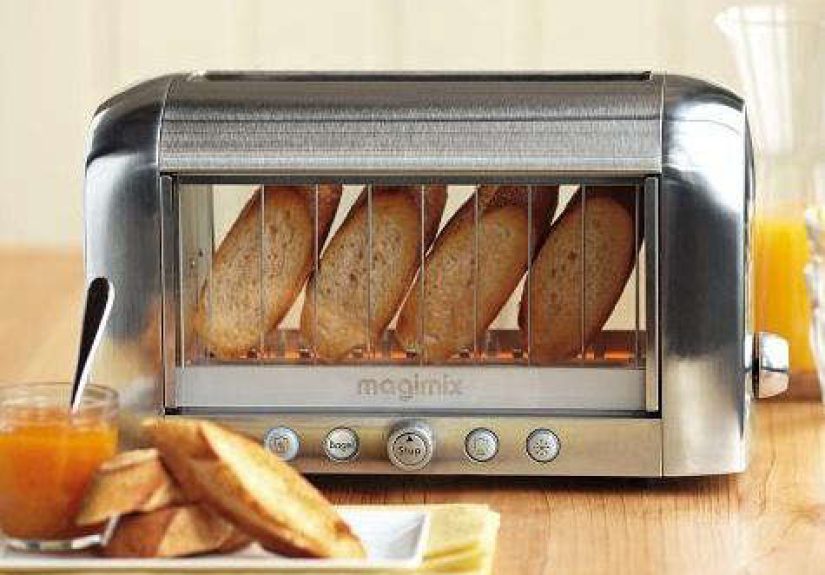
And honestly? That confidence is earned. The Magimix Vision Toaster combines a brushed stainless-steel body with see-through borosilicate glass sides, giving you something most pop-up toasters never offer: actual visibility. No more playing the old breakfast game called “Is it golden brown or have I accidentally created roofing material?” You can literally watch the bread toast. It sounds like a small thing until you use it, then suddenly every opaque toaster starts to feel a little secretive.
If you are researching the best premium toaster for artisan bread, bagels, baguette slices, or simply for people who like their appliances to look as polished as the rest of their kitchen, the Magimix Vision Toaster deserves serious attention. But good looks alone do not make good toast. So let’s break down what this toaster actually does, who it suits best, and whether it is a practical upgrade or just a glamorous carb aquarium.
What Is the Magimix Vision Toaster?
The Magimix Vision Toaster is a two-slice toaster with a wide-slot design, quartz heating elements, eight browning levels, and four main programs: standard toast, reheat, one-side toasting, and defrost. It is built with borosilicate glass viewing panels and stainless steel, which immediately separates it from the sea of plastic and metal boxes that dominate the toaster aisle.
On the practical side, it has a 1450-watt motor, an extra-lift lever for smaller pieces, a stop button for manual control, and a removable crumb tray for easier cleanup. Magimix also positions it as a long-life appliance, with a three-year guarantee and spare parts availability for up to ten years. In a category where many people replace a toaster the second it starts behaving like a moody dragon, that is a meaningful point in its favor.
Why This Toaster Gets So Much Attention
The star feature is obvious: the clear sides. This toaster lets you monitor browning in real time, which is more useful than it sounds. Many toaster reviews from major U.S. testing outlets focus on the same issues again and again: uneven browning, poor performance with thick slices, too-narrow slots for bagels, and controls that do not match real-world results. The Magimix Vision Toaster attacks one of those problems head-on by removing the guesswork. If the bread is getting darker faster than expected, you can see it and stop the cycle before breakfast turns into a cautionary tale.
That visibility also changes how the toaster feels to use. Instead of relying entirely on a dial and blind optimism, you get feedback. It is a small quality-of-life improvement, but it makes the appliance feel more precise, especially if you switch between thin sandwich bread, dense sourdough, frozen waffles, and halved bagels during the week.
Design and Build Quality
If most toasters are economy sedans, the Magimix Vision Toaster is the one that pulls up wearing a tailored coat. The stainless steel body looks sleek and substantial, and the glass panels make it feel more like a premium countertop appliance than a disposable breakfast gadget.
Its footprint is not tiny, but it is reasonable for a premium long-slot style toaster. The size works in its favor because it helps accommodate more than basic square bread. Magimix says it can handle two slices of soft bread, one large country-style slice, or four baguette pieces, which tells you exactly who this appliance is for: people who buy bakery bread and expect their toaster to keep up.
The borosilicate glass matters too. This is not decorative glass chosen only because it looks pretty in product photos. Borosilicate is known for better thermal resistance than ordinary glass, which makes it a sensible material choice in a heat-heavy appliance. The result is a toaster that looks modern without feeling flimsy.
Performance: What the Features Mean in Real Life
1. Eight Browning Levels
Eight browning levels give you more control than the standard bare-minimum dial found on cheaper models. That matters because toaster preferences are wildly personal. Some people want a pale, warm slice ready for butter. Others want toast with the crunch and confidence of a detective in a crime drama. More settings mean better odds of hitting your sweet spot without constant trial and error.
2. One-Side Toasting
This is one of the smartest features on the appliance. One-side toasting is ideal for bagels and halved baguettes because it crisps the cut side while keeping the outside from getting too aggressive. If you eat open-faced breakfast sandwiches or toast bakery rolls, this setting is genuinely useful, not just marketing glitter.
3. Defrost and Reheat
These modes help the toaster play nicely with real kitchens, not fantasy kitchens where every loaf is fresh and every morning is calm. Defrost is handy for frozen bread, waffles, and emergency breakfast planning. Reheat is perfect for those moments when coffee needed more attention than toast and now your slice has gone lukewarm and emotionally distant.
4. Wide Slot Capacity
Wide slots are crucial if you toast thick sourdough, bagels, buns, English muffins, or rustic bakery bread. Plenty of well-reviewed toasters still stumble here. A slot that is too narrow can tear bread, create uneven browning, or force you into awkward mid-cycle flipping. The Magimix Vision Toaster is designed with enough room to be more flexible, which makes it more useful for modern bread habits.
5. Quartz Heating Elements
The toaster uses four quartz heating elements, a detail that helps explain its premium positioning. Quartz elements are associated with fast, responsive heat and even browning. In plain English, this means the toaster is designed to be less random and more repeatable. Nobody wants toast roulette before 8 a.m.
What the Magimix Vision Toaster Does Better Than Many Competitors
The biggest win is control. A lot of toasters can toast bread. Fewer make the process feel predictable. By letting you see the bread while it browns, Magimix adds a layer of user control that most competitors simply do not have.
It also scores well on versatility. This is not just a white-bread specialist. The wide slot, one-side function, extra-lift lever, and multiple modes make it better suited to how people actually eat today: thicker slices, freezer staples, weekend bagels, and bakery loaves that refuse to fit into bargain toasters.
Then there is longevity. A three-year guarantee and long spare-parts support suggest a more repair-friendly, durable mindset. For shoppers tired of replacing small appliances every few years, that matters.
Potential Drawbacks to Know Before Buying
No premium toaster is perfect, and the Magimix Vision Toaster is not trying to be the cheapest or most compact option on the market.
First, it is a luxury toaster. You are paying for design, materials, and specialty features, not just the ability to brown bread. If your main breakfast goal is “make toast, spend little,” there are less expensive models that will do the job.
Second, the glass panels are a feature, but they also make this an appliance you will want to keep clean. Fingerprints, smudges, and crumbs show up more visibly on a see-through toaster than on a standard opaque one. The good news is that Magimix designed the unit with opening windows and a pop-out crumb tray to make cleaning easier. The bad news is that if you hate wiping appliances, the toaster may occasionally call you out.
Third, it is best suited to people who appreciate premium countertop gear. If your kitchen style is purely utilitarian and you store appliances away after every use, you may not get the full joy of owning something this visually distinctive.
Who Should Buy the Magimix Vision Toaster?
It is a great fit for:
- Home cooks who regularly toast bagels, baguette pieces, thick artisan bread, or frozen breakfast items
- People who want a premium toaster with more control over browning
- Design-conscious shoppers who care how appliances look on the counter
- Anyone frustrated by surprise over-toasting in traditional pop-up toasters
- Buyers who value longer-term durability and repair support
It may not be ideal for:
- Budget-first shoppers
- People with very limited counter space
- Anyone who only toasts basic sandwich bread once in a while
Cleaning, Care, and Safety
Even the fanciest toaster still deals with crumbs, and crumbs are not cute when they build up around heating elements. The Magimix Vision Toaster includes a removable crumb tray, which should make regular maintenance simpler. That matters because toaster experts and home-care editors consistently point to crumb buildup as both a performance issue and a safety issue.
Best practice is simple: unplug the toaster, let it cool completely, empty the crumb tray regularly, and wipe the exterior with a soft damp cloth. Do not try to rinse the inside or flood it with water. A toaster is not a salad spinner, and it does not want a bath. If you use the toaster often, a quick weekly crumb check is a smart habit.
The clear side panels are part of the appeal, so keeping them free of smears helps preserve the “watch your toast become breakfast” magic. A little routine maintenance goes a long way here.
Is the Magimix Vision Toaster Worth It?
If you want a toaster that is purely functional, you can spend less. But if you want a toaster that blends strong everyday utility with standout design, thoughtful features, and better control over browning, the Magimix Vision Toaster makes a convincing case for itself.
Its appeal is not just that it is different. It is that the difference is practical. The glass sides are not a gimmick when they help prevent overcooking. The wide slot is not a luxury when it fits the bread you actually buy. The one-side mode is not a novelty when it makes bagels better. Add the quartz heating elements, multiple settings, easy-clean design, and repair-minded support, and the package starts to feel less like a flashy toy and more like a premium breakfast tool.
In other words, this toaster is for people who care about toast a little more than average. And frankly, I respect that. Life is short. Breakfast should be excellent.
Extended Experience: What Living With the Magimix Vision Toaster Feels Like
Let’s talk about the experience side, because that is really where the Magimix Vision Toaster separates itself from the average appliance. A normal toaster is the kind of kitchen item you notice only when it fails. The Magimix Vision Toaster feels like something you actually interact with. It turns a tiny part of breakfast into a visible process, and that changes the mood more than you might expect.
Picture a weekday morning. You are still waking up, the coffee is doing its best, and you slide in a slice of sourdough that is a little taller and a little thicker than supermarket bread. In many toasters, that is the beginning of a minor argument. In the Magimix, you lower the bread, choose your setting, and watch the slice slowly color through the glass. It feels oddly reassuring. Instead of wondering whether the dial is lying to you, you can see the browning happen. There is something almost calming about it, like a tiny breakfast fireplace with better payoff.
Now switch to a weekend bagel. This is where the one-side function earns its keep. The cut side gets the attention, the outside stays more restrained, and the result feels closer to what people actually want from a bagel: crisp where the cream cheese goes, not dried out on every surface like a piece of edible plywood. If your household rotates through bagels, baguette halves, English muffins, and reheated slices from the freezer, this toaster starts to feel less like a luxury and more like the appliance that finally understands your breakfast schedule.
There is also a subtle pleasure in the stop button. On paper, that sounds unremarkable. In real life, it means you are never trapped by the machine’s opinion of done-ness. If the toast looks perfect a little early, you stop it. If you want a second glance, the clear panels let you make that call with confidence. It adds a sense of partnership that most toasters do not offer.
Cleaning is not exciting, but the experience here is more civilized than usual. The crumb tray slides out, and the fact that the toaster is designed to be seen somehow encourages better habits. You are more likely to keep it tidy because the appliance invites attention. It is hard to pretend crumbs are not collecting when your toaster is literally transparent.
Over time, the Magimix Vision Toaster feels like the kind of appliance that rewards people who enjoy small rituals. The first toast of the day becomes a little less mechanical and a little more satisfying. It is not life-changing in the dramatic, cinematic sense. You will not suddenly start baking your own rye or writing poetry about breakfast. But you may find yourself enjoying the simple act of making toast far more than you expected. And for a countertop appliance, that is a pretty charming trick.






 Close
Close