Table of Contents >> Show >> Hide
- What Are Minimalist Toe Shoes, Exactly?
- The Biggest Potential Benefits of Minimalist Toe Shoes
- The Downsides: When Minimalist Toe Shoes Can Be Bad for Your Feet
- So, Are Minimalist Toe Shoes Good for Your Feet?
- Who May Benefit Most From Minimalist Toe Shoes?
- Who Should Be More Careful?
- How to Transition Without Regretting Everything
- What to Look for in a Good Pair
- Final Verdict
- Real-World Experiences With Minimalist Toe Shoes
Minimalist toe shoes are the Marmite of the footwear world: some people swear by them, others look at them like feet have accidentally joined a costume party. But beyond the unusual look, there is a real question worth asking: are minimalist toe shoes actually good for your feet?
The honest answer is a very unsatisfying but very useful one: they can be good for your feet, but not for every foot, every activity, or every stage of life. For some people, they encourage natural toe splay, better foot awareness, and stronger foot muscles. For others, they can trigger soreness, overload the forefoot, and turn a casual walk into a calf-cramping life lesson.
If you are trying to decide whether minimalist toe shoes deserve a place in your closet, this guide breaks down the benefits, the risks, who may benefit most, who should be cautious, and how to make the switch without making your feet file a formal complaint.
What Are Minimalist Toe Shoes, Exactly?
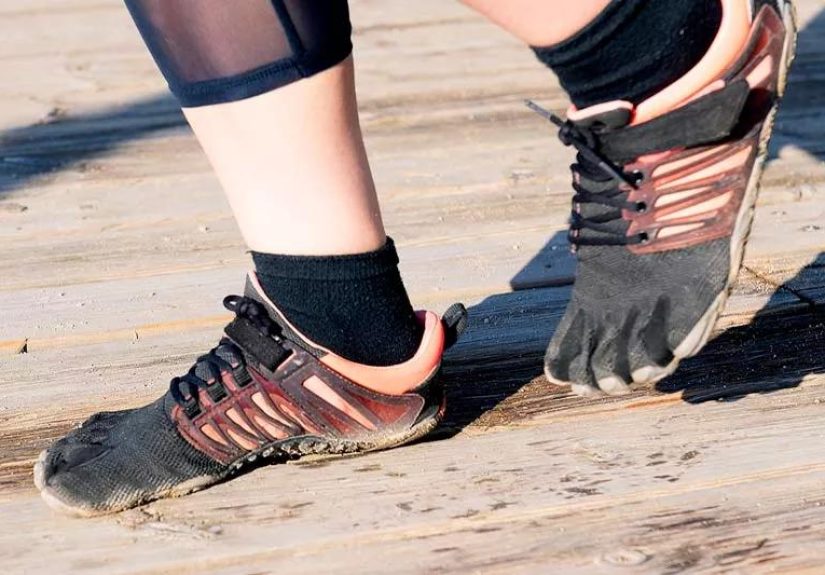
Minimalist toe shoes are a category of footwear designed to mimic barefoot movement while still giving your feet some protection from the ground. They usually have a very thin sole, little or no heel-to-toe drop, a flexible structure, and separate compartments for each toe. In other words, they are trying to let your foot behave more like a foot and less like a loaf of bread packed into foam.
Compared with traditional athletic shoes, minimalist toe shoes typically offer:
- A wider forefoot shape or individual toe pockets
- Minimal cushioning
- Very little arch support
- A flatter platform from heel to toe
- Greater flexibility through the sole
The theory behind them is simple. Modern shoes often cushion, stabilize, and structure the foot so much that the small muscles in the foot do less work. Minimalist footwear aims to reverse some of that by encouraging your foot to move, spread, flex, and stabilize more naturally.
The Biggest Potential Benefits of Minimalist Toe Shoes
1. They can give your toes more room to spread out
One of the most appealing features of minimalist toe shoes is the shape. Traditional shoes often taper in the toe box, which may crowd the toes together. Toe shoes, by design, separate the toes and reduce that squeezed-in feeling.
This matters because your toes are not decorative. They help with balance, push-off, and stability. When your forefoot has more room, you may feel more planted during walking, lifting, and other daily movement. People with mild bunion discomfort or a chronically cramped forefoot may especially appreciate the extra space.
2. They may help strengthen the foot over time
One of the strongest arguments in favor of minimalist footwear is that it may encourage your intrinsic foot muscles to do more work. Those muscles help support the arch, control movement, and stabilize the foot during walking and running.
Research has suggested that regular activity in minimalist footwear can increase foot strength. That does not mean your feet will transform into superhero hands overnight, but it does suggest that less shoe structure can prompt the foot to become more active and resilient over time.
For healthy adults who have spent years in stiff, heavily cushioned shoes, that can be a meaningful shift. Stronger feet may contribute to better control, improved balance, and more efficient movement mechanics.
3. They may improve body awareness and balance
Thinner soles allow you to feel the ground more clearly. This can improve proprioception, which is your body’s sense of position and movement. Better proprioception can help you react more quickly to changes in terrain and move with more control.
Some people notice this right away. They say walking in minimalist shoes feels more connected, more stable, and less clunky. Others notice it in the gym, especially during exercises like squats, deadlifts, lunges, or balance drills where a flatter base can feel more grounded than a thick, soft sneaker.
4. They may change gait mechanics in a helpful way for some people
Minimalist footwear often encourages a shorter stride, a softer landing, and less dramatic heel striking. For some runners and walkers, that can reduce stress in certain areas, especially around the knees.
That said, “helpful” depends heavily on the person. A movement pattern that feels efficient for one runner may overload another person’s calves, Achilles tendon, or forefoot. So while minimalist toe shoes can improve mechanics for some users, they are not a guaranteed upgrade for every body.
The Downsides: When Minimalist Toe Shoes Can Be Bad for Your Feet
1. They ask a lot more from your feet and lower legs
Minimalist toe shoes do not just remove cushion. They shift the workload. When the shoe does less, your muscles, tendons, and bones do more.
That sounds great in theory, but tissues need time to adapt. If you go from supportive sneakers to very thin, flexible toe shoes too quickly, your feet and lower legs may protest. Common trouble spots include the calves, Achilles tendon, plantar fascia, and metatarsals.
This is where many people get into trouble. They feel amazing for a few short walks, get overconfident, then decide to wear them all day, run five miles, or take them on vacation where they accidentally walk 19,000 steps. Their feet respond by delivering a strongly worded rebuttal.
2. They may increase forefoot pressure
Several studies have raised concerns that minimalist shoes can increase loading under the forefoot, especially during running or abrupt transition. That does not make them inherently dangerous, but it does mean the front of the foot may absorb more stress than it is used to.
For some people, that can contribute to soreness, irritation, or in more serious cases, stress reactions or stress fractures. If you have a history of metatarsal pain, stress fractures, or fragile bone health, this is not a detail to shrug off.
3. They are not ideal for every foot condition
Minimalist toe shoes are often marketed with a “natural foot health” vibe, but natural does not always equal appropriate. Some conditions respond better to cushioning, structure, or orthotics.
People who may need more caution include those with:
- Diabetic neuropathy or reduced sensation
- Poor circulation
- A history of foot ulcers
- Significant plantar fasciitis pain
- Severe arthritis or rigid foot mechanics
- Achilles tendon problems
- Current stress injury or recurrent metatarsal pain
If you cannot feel irritation well, you may not notice rubbing, overload, or developing injury until it becomes a real problem. In those cases, a more protective shoe is often the smarter choice.
4. The surface matters more than people think
Walking across grass in minimalist toe shoes is a very different experience from pounding pavement, standing all day on concrete, or hiking over sharp rocks. Hard surfaces and high volumes of repetitive impact can magnify the stress of a very thin sole.
That is why some people love toe shoes for the gym, short neighborhood walks, or beachside strolls, but hate them for long city days, theme parks, or long-distance road running. Your environment matters almost as much as the shoe itself.
So, Are Minimalist Toe Shoes Good for Your Feet?
They can be good for healthy feet when used appropriately. Minimalist toe shoes may be helpful if you want a roomy forefoot, enjoy a more natural feel underfoot, and are willing to transition gradually. They may also be useful for certain activities where a flat, flexible, ground-connected feel is beneficial.
They are not automatically better than traditional shoes. A shoe is “healthy” when it matches the person wearing it, the shape of their foot, their injury history, and the activity they are doing. The healthiest shoe for one person may be a terrible idea for another.
Think of minimalist toe shoes as a tool, not a religion. A hammer is great for nails, not soup. Same principle.
Who May Benefit Most From Minimalist Toe Shoes?
You may do well in minimalist toe shoes if you:
- Have healthy feet without significant pain or pathology
- Prefer a wide, natural-feeling forefoot
- Want to strengthen your feet gradually
- Use them for walking, casual wear, gym training, or short runs
- Have experience with lower-drop or less structured shoes
- Value ground feel and flexibility
Some strength athletes like them for lifting because the flat sole feels stable. Some walkers enjoy them because the roomy toe area feels freeing. Some runners adapt well and say their stride feels lighter and more efficient. These are real advantages, but only when the body adapts well to the demand.
Who Should Be More Careful?
You should think twice or talk with a podiatrist, sports medicine physician, or physical therapist before wearing minimalist toe shoes if you:
- Have diabetes with neuropathy or circulation issues
- Have a history of ulcers or skin breakdown
- Need orthotics for pain control or alignment
- Have severe flatfoot symptoms or rigid high arches
- Have active plantar fasciitis, Achilles pain, or stress injury
- Spend long hours on unforgiving surfaces
- Are returning to exercise after a long break
Minimalist toe shoes may still be possible for some people in these groups, but they are not a casual experiment. They need more planning, more monitoring, and sometimes a different shoe altogether.
How to Transition Without Regretting Everything
Start with walking, not running
Wear the shoes for short periods first. Around the house, on errands, or during brief walks is a much better starting point than a run.
Increase time slowly
Add minutes, not miles. If your feet, calves, or Achilles feel unusually sore, scale back. Mild muscle fatigue is one thing; sharp pain is your cue to stop.
Alternate with your regular shoes
You do not need to go all-in immediately. Many people do well rotating minimalist shoes with more supportive footwear depending on the day and activity.
Strengthen your feet and calves
Toe spreads, calf raises, short-foot exercises, towel scrunches, and balance drills can help your body adapt. This is especially useful if your feet have been living a cushioned, supportive lifestyle for years.
Do not use them for everything at first
Minimalist toe shoes might be great for the gym and short walks but not yet ideal for travel days, all-day standing, or long runs. Let success in small doses earn the right to bigger use.
What to Look for in a Good Pair
If you decide to try minimalist toe shoes, look for:
- A comfortable fit with no rubbing between the toes
- Enough room for natural toe movement
- A secure midfoot and heel
- A flexible sole that still offers enough protection for your environment
- Traction that matches how you will use them
- Gradual adaptation rather than instant all-day wear
And yes, comfort matters. A shoe can be biomechanically interesting and still feel like a rubberized argument. If it does not fit well, do not force the relationship.
Final Verdict
Minimalist toe shoes are not miracle footwear, but they are not nonsense either. For the right person, they can support stronger feet, better toe freedom, and a more natural connection to the ground. For the wrong person, or the right person moving too fast, they can lead to irritation, pain, and injury.
If your feet are healthy, your goals make sense, and you transition gradually, minimalist toe shoes may be a smart option. If you have medical foot issues, reduced sensation, or need more cushioning and support, they may be the wrong tool for the job.
The healthiest approach is not blind loyalty to either minimalist or traditional shoes. It is matching the shoe to the foot in front of you. Your feet are wonderfully complicated little engineering projects. They deserve more than trend-based decision-making and less punishment in the name of “natural movement.”
Real-World Experiences With Minimalist Toe Shoes
One of the most interesting things about minimalist toe shoes is how differently people react to them. A healthy office worker who spends most of the day sitting may put them on for evening walks and immediately love the roomy feel in the forefoot. The shoes can feel light, flexible, and oddly liberating, especially after years in stiff sneakers. Many first-time users say the same thing: their toes finally feel like they have their own zip code.
Gym-goers often report another kind of benefit. For lifting, minimalist toe shoes can feel stable and grounded compared with thick, squishy running shoes. Squats, deadlifts, and lunges may feel more controlled because the foot is closer to the floor. Some people also like them for balance work, since the thin sole gives more feedback from the ground. In that setting, the shoes can feel less like footwear and more like a steering wheel for the feet.
Walkers tend to have mixed experiences. Some say they feel more natural and less clunky on neighborhood strolls, especially if they walk with a shorter stride and moderate pace. Others discover that the same shoes feel wonderful for 20 minutes and awful at the 90-minute mark. That is usually when the calves tighten up, the arches start complaining, or the ball of the foot begins to feel overworked. In plain English, the feet enjoyed the idea more than the workload.
Runners probably report the widest range of outcomes. Some adapt gradually and say minimalist toe shoes helped them become more aware of cadence, posture, and landing mechanics. They often describe a softer, quieter stride and a stronger sense of control. But runners who switch too fast often tell a less cheerful story. The usual complaints include calf soreness, Achilles tightness, hot spots under the forefoot, and occasional sharp pain that forces them back into more cushioned shoes.
People with bunions or wide forefeet sometimes have surprisingly positive experiences because the toe pockets or wider front shape reduce the squeezed feeling common in narrow shoes. That does not mean toe shoes cure bunions, because they do not. But for some users, the extra room is simply more comfortable and may reduce daily irritation.
On the other hand, people dealing with plantar fasciitis, arthritis, nerve problems, or previous stress fractures often report that minimalist toe shoes are far less forgiving. Even if they like the concept, the lack of cushioning or support may make symptoms worse. In those cases, a more structured shoe usually wins the argument.
The biggest pattern in user experience is this: success usually comes from patience. People who start slowly, rotate shoes, and pay attention to discomfort often do much better than people who jump in at full speed. Minimalist toe shoes are not usually a “put them on and conquer the world” kind of shoe. They are more of a “build the world’s trust one careful step at a time” kind of shoe.