

Table of Contents >> Show >> Hide
- Quick Answer: Which Fruits May Trigger Hives?
- What Are Hives, Exactly?
- Can Fruit Really Cause Hives?
- Fruits That Some People With Hives May Need to Watch
- Fruits That Are Often Better Tolerated
- How to Tell Whether Fruit Is Causing Your Hives
- Should You Try a Low-Histamine Diet?
- What to Do If You Suspect a Fruit Trigger
- When Hives Are an Emergency
- Practical Fruit-Smart Tips for People With Hives
- Common Myths About Fruit and Hives
- Experience-Based Section: Living With Fruit Questions and Hives
- Conclusion
Hives have a dramatic personality. One minute your skin is minding its own business; the next, it is hosting a surprise pop-up event featuring itchy welts, swelling, and a burning desire to scratch like a cartoon bear on a tree trunk. Naturally, many people look at the last thing they ate and ask, “Was it the strawberries? The orange? That suspiciously cheerful pineapple?”
The honest answer is: there is no single list of fruits everyone with hives must avoid. Hives, also called urticaria, can be triggered by many things, including infections, medications, heat, cold, pressure on the skin, stress, pollen, insect stings, latex, and yes, sometimes food. But food is not always the villain, especially in chronic hives that come and go for six weeks or longer.
Still, fruit can matter for some people. Certain fruits may trigger hives through a true food allergy, pollen-food allergy syndrome, histamine sensitivity, latex-fruit syndrome, or reactions to preservatives in dried or processed fruit. The key is not to banish the entire fruit bowl like it committed a crime. The key is to identify your personal triggers with a smart, calm, evidence-based approach.
Quick Answer: Which Fruits May Trigger Hives?
Some people with hives report reactions after eating fruits such as strawberries, citrus fruits, bananas, kiwi, pineapple, papaya, plums, peaches, cherries, apples, melons, and dried fruits treated with sulfites. These fruits do not trigger hives in everyone. In many cases, the problem is not “fruit” as a category but a specific fruit, the raw form of a fruit, a pollen cross-reaction, or an additive used in packaged fruit products.
If a fruit repeatedly causes hives, mouth itching, lip swelling, throat tightness, wheezing, vomiting, dizziness, or widespread flushing, stop eating it and talk with an allergist or healthcare professional. If breathing becomes difficult or the throat, tongue, or face swells, seek emergency care immediately.
What Are Hives, Exactly?
Hives are raised, itchy welts that can appear suddenly and move around the body. One hive may fade within hours while another shows up nearby like an uninvited guest who brought cousins. Hives often blanch, meaning the center may turn pale when pressed. They may be small like pencil erasers or large enough to merge into map-shaped patches.
Acute hives last less than six weeks. Chronic hives last six weeks or longer and may appear almost daily. Acute hives are more likely to be linked to infections, medicines, or allergic reactions. Chronic hives are often harder to pin down and may have no obvious trigger, which is frustrating but common. In other words, you are not failing detective school if you cannot find one food culprit.
Can Fruit Really Cause Hives?
Yes, fruit can cause hives in some people, but it depends on the mechanism. A true food allergy involves the immune system reacting to a protein in the food. Even a small amount can cause symptoms such as hives, swelling, stomach upset, wheezing, or anaphylaxis. Although the most common major food allergens in the United States include milk, eggs, fish, shellfish, tree nuts, peanuts, wheat, soy, and sesame, other foodsincluding fruitscan still cause allergic reactions in certain individuals.
Fruit may also cause symptoms through pollen-food allergy syndrome, also known as oral allergy syndrome. This happens when proteins in raw fruits or vegetables resemble pollen proteins. The immune system gets confused, which is rude but biologically understandable. Symptoms often include itching or swelling of the mouth, lips, tongue, face, or throat soon after eating raw fruit. Hives can happen, though mouth and throat symptoms are more typical.
Another possibility is histamine sensitivity. Histamine is a chemical involved in allergic symptoms and hives. Some foods may contain histamine or encourage histamine release in sensitive people. Evidence is still developing, and low-histamine diets should not be treated as a miracle cure, but some people with chronic spontaneous urticaria report improvement when they limit high-histamine or histamine-releasing foods.
Fruits That Some People With Hives May Need to Watch
1. Strawberries
Strawberries are often accused of triggering hives, and sometimes the accusation is fair. Some people react to strawberry proteins. Others may be sensitive to compounds that seem to promote histamine release. If strawberries consistently lead to welts, itching, or flushing, skip them and discuss testing or a supervised reintroduction plan with a clinician.
2. Citrus Fruits
Oranges, lemons, limes, grapefruit, and tangerines can bother some people with hives or oral allergy symptoms. Citrus allergy is not the same as being “allergic to citric acid.” Citric acid itself is not typically an immune-system allergen, but proteins or other components in citrus fruits may trigger symptoms in certain individuals. Citrus can also irritate the mouth or stomach in people who do not have a true allergy.
3. Bananas
Bananas may trigger symptoms in people with ragweed pollen sensitivity or latex allergy. In pollen-food allergy syndrome, banana can cross-react with ragweed. In latex-fruit syndrome, banana may cross-react with latex proteins. If bananas cause mouth itching, lip swelling, hives, or throat symptoms, especially if you also react to latex gloves or balloons, talk with an allergist.
4. Kiwi
Kiwi is a common fruit trigger for oral allergy symptoms and can sometimes cause more serious reactions. Some people experience itching in the mouth; others may have hives, abdominal symptoms, wheezing, or swelling. Because kiwi reactions can vary widely, do not casually “test” kiwi at home if you have had a strong reaction before.
5. Pineapple and Papaya
Pineapple and papaya contain enzymes that can irritate the mouth and may bother some people with sensitive skin or histamine-related symptoms. A tingly tongue after pineapple is not always a dangerous allergy; pineapple can be feisty. But hives, swelling, or breathing symptoms are different and deserve medical attention.
6. Apples, Peaches, Cherries, Pears, Apricots, and Plums
These fruits are often involved in birch pollen-related oral allergy syndrome. People with springtime tree pollen allergies may notice mouth itching or swelling after eating raw apples, peaches, cherries, pears, apricots, or plums. Cooking may reduce symptoms because heat can break down some of the responsible proteins. Apple pie may be friendlier than raw apple slices, which is the kind of medical fact dessert has been waiting for.
7. Melons
Cantaloupe, honeydew, and watermelon may trigger symptoms in people with ragweed or grass pollen allergies. Reactions often involve the mouth or throat, but hives can occur in some cases. If melon only bothers you during pollen season, that timing is a helpful clue.
8. Avocado and Tomato
Botanically speaking, avocado and tomato are fruits, even if they do not behave like dessert. Avocado can cross-react with latex, and tomato may cross-react with grass pollen in some people. Both may also bother individuals following a low-histamine approach. If your hives flare after guacamole or tomato-heavy meals, track the pattern before blaming every fruit in the produce aisle.
9. Dried Fruits
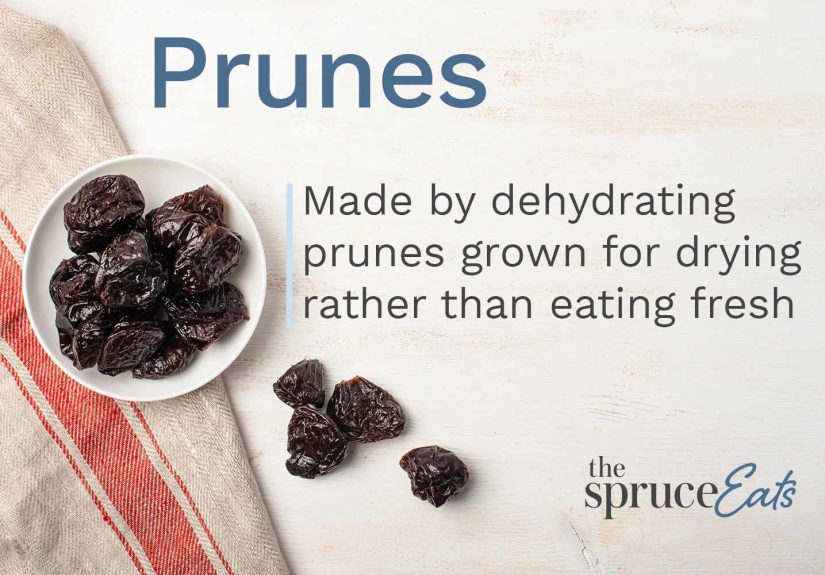
Dried apricots, dried apples, raisins, prunes, and other packaged fruits may contain sulfites or other preservatives. Sulfite reactions are uncommon, but they can include hives, asthma symptoms, or more serious reactions in sensitive people. Dried fruit is also concentrated, so you may eat more of the fruit than you would in fresh form. Three dried apricots look innocent; then suddenly the bag is empty and your skin is filing a complaint.
Fruits That Are Often Better Tolerated
Many people with hives tolerate fruit perfectly well. Depending on the person, gentler options may include blueberries, cooked apples, peeled pears, grapes, mango, watermelon, or other fruits eaten in modest portions. However, tolerance is individual. A fruit that calms one person’s snack cravings may bother another person’s immune system.
If you suspect fruit-related hives, do not create an overly restrictive diet without guidance. Fruit provides fiber, vitamin C, potassium, antioxidants, and general joy. Removing too many foods can make meals stressful and nutritionally thin. A targeted plan is better than a fruit apocalypse.
How to Tell Whether Fruit Is Causing Your Hives
Look at Timing
Food allergy symptoms often appear soon after eating, commonly within minutes to two hours. Pollen-food allergy syndrome usually appears quickly after raw fruit touches the mouth or throat. If hives appear the next day, the connection is possible but less straightforward. Chronic hives can flare randomly, which makes casual guessing unreliable.
Check for Repeat Patterns
One hive outbreak after eating strawberries does not prove strawberries are the cause. Maybe you had a virus, took ibuprofen, exercised in heat, felt stressed, or wore a tight waistband that treated your skin like a personal enemy. A stronger clue is a repeated pattern: the same fruit, similar amount, similar timing, similar symptoms.
Notice Raw Versus Cooked
If raw apples cause mouth itching but baked apples do not, pollen-food allergy syndrome may be involved. Cooking, microwaving, peeling, or canning can reduce reactions for some people because heat and processing may change the proteins responsible. This does not work for all fruit allergies, and it is not safe to experiment after a severe reaction.
Track Other Triggers
Hives may worsen with alcohol, exercise, heat, stress, illness, pressure on the skin, or certain medications such as aspirin or ibuprofen. If you eat fruit after jogging, during a stressful week, while fighting a cold, or with a glass of wine, the fruit may be only one piece of the puzzle.
Should You Try a Low-Histamine Diet?
A low-histamine diet may help some people with chronic spontaneous urticaria, but it is not necessary for everyone and should not replace medical treatment. This approach usually limits fermented foods, aged foods, alcohol, certain processed foods, and some fruits that may be higher in histamine or may encourage histamine release. Fruits commonly limited in low-histamine plans may include strawberries, citrus, bananas, pineapple, papaya, kiwi, plums, and sometimes avocado or tomato.
The best way to use this strategy is short-term and structured. Try it only with guidance from a healthcare professional or registered dietitian, especially if you already have dietary restrictions. After a trial period, foods are usually reintroduced one at a time to identify actual triggers. Staying on a restrictive diet forever “just in case” can turn eating into a spreadsheet with feelings.
What to Do If You Suspect a Fruit Trigger
- Stop eating the suspected fruit temporarily. Avoid it long enough to see whether symptoms improve.
- Keep a symptom diary. Record the fruit, portion size, raw or cooked form, timing, symptoms, medications, stress, exercise, and pollen exposure.
- Do not self-diagnose a serious allergy. An allergist can help decide whether skin testing, blood testing, or an oral food challenge is appropriate.
- Avoid risky home challenges. If you have had throat swelling, wheezing, dizziness, or widespread hives, do not test the fruit on your own.
- Ask about emergency medication. People with a history of severe food reactions may need an epinephrine auto-injector and a written action plan.
When Hives Are an Emergency
Hives alone can be uncomfortable, but hives with certain symptoms can signal anaphylaxis, a potentially life-threatening allergic reaction. Seek emergency help immediately if hives occur with trouble breathing, throat tightness, tongue or face swelling, dizziness, fainting, confusion, repeated vomiting, chest tightness, or a sudden sense of doom. Yes, “sense of doom” sounds dramatic, but in allergy medicine it can be a real warning sign.
If you have been prescribed epinephrine, use it as directed for signs of anaphylaxis and call emergency services. Antihistamines may help itching, but they do not replace epinephrine for severe allergic reactions.
Practical Fruit-Smart Tips for People With Hives
Choose Fresh, Simple Fruit
Fresh fruit without syrups, dyes, preservatives, or mystery glazes is easier to evaluate. If you react to fruit cocktail but not fresh peaches, the fruit may not be the issue. The culprit could be an additive, preservative, or another ingredient.
Peel or Cook Trigger-Prone Fruits
For pollen-food allergy syndrome, peeling or cooking may reduce symptoms because some proteins are concentrated near the skin and some are heat-sensitive. This is most relevant for mild mouth symptoms, not severe systemic reactions.
Avoid Fruit Before Exercise If You Have Food-Exercise Reactions
Some allergic reactions happen only when a food is followed by exercise within a few hours. If you notice hives after eating fruit and then working out, tell an allergist. The timing matters.
Watch Pollen Season
If raw fruit bothers you only in spring, summer, or fall, pollen-food allergy syndrome may be part of the story. During peak pollen season, your immune system may be more reactive, as if it had too much coffee and access to your skin.
Do Not Over-Restrict Without a Plan
Removing every fruit, every colorful food, and every enjoyable snack may not improve hives and can create nutritional gaps. A better plan is targeted avoidance, symptom tracking, medical evaluation, and careful reintroduction when appropriate.
Common Myths About Fruit and Hives
Myth 1: Everyone With Hives Should Avoid Citrus
No. Citrus bothers some people, but many people with hives eat oranges, lemons, and grapefruit without any problem. Avoid citrus only if it repeatedly triggers symptoms or your clinician recommends it.
Myth 2: Natural Foods Cannot Cause Allergies
Nature is lovely, but it is not automatically gentle. Peanuts, shellfish, pollen, latex, and bee venom are all natural. Fruit can cause allergic reactions in susceptible people.
Myth 3: If a Fruit Makes Your Mouth Tingle, It Is Always Dangerous
Not always. Mild mouth itching from raw fruits may be pollen-food allergy syndrome. However, throat swelling, breathing trouble, widespread hives, vomiting, or dizziness are not “just tingles.” Those symptoms require prompt medical advice or emergency care.
Myth 4: Chronic Hives Are Usually Caused by Food
Food can be a trigger for some people, but chronic hives often have no obvious food cause. In many cases, the immune system is overactive in the skin without a single dietary villain. This is why broad elimination diets often disappoint people and their refrigerators.
Experience-Based Section: Living With Fruit Questions and Hives
People dealing with hives often describe the same exhausting routine: eat something normal, notice itching, panic-search every ingredient, swear off half the kitchen, then wake up with hives anyway. The emotional side is real. When your skin reacts unpredictably, food can start to feel suspicious. A peach is no longer a peach; it becomes “Exhibit A.”
A useful experience-based approach is to slow the investigation down. Imagine someone who gets hives twice in one week. On Monday, they ate strawberries. On Wednesday, they ate no strawberries but had a stressful workday, took ibuprofen for a headache, and sat outside during high pollen season. If they blame strawberries immediately, they may miss the larger pattern. A diary helps turn panic into data. It does not need to be fancy. A simple note such as “8 a.m. banana smoothie, 10 a.m. lip itching, noon hives on arms, high pollen day, no exercise” can be more helpful than memory, which tends to become dramatic under itch pressure.
Another common experience is the raw-versus-cooked surprise. Someone may react to raw apples but tolerate applesauce or baked apples. That pattern can point toward pollen-food allergy syndrome rather than a classic fruit allergy. For that person, the solution may not be “never eat apples again.” It may be avoiding raw apple during birch pollen season, peeling it, cooking it, or discussing options with an allergist. Of course, if the reaction includes throat tightness or breathing symptoms, the plan changes completely: no experiments, no brave bites, no “just one slice.”
People also notice that fruit reactions are dose-dependent or context-dependent. A few blueberries may be fine, but a giant smoothie with strawberries, kiwi, pineapple, banana, and citrus may be too much at once. Smoothies are delicious, but they can also hide a fruit jungle in one cup. If hives follow a smoothie, test the ingredients mentally one at a time with professional guidance when needed. Was it the kiwi? The protein powder? The almond milk? The exercise right after? The answer may not be obvious.
Dining out adds another layer. Fruit salads may contain citrus juice to prevent browning. Dried fruit may contain sulfites. Desserts may include nuts, dairy, dyes, or flavorings. Someone who reacts after eating “fruit” at a restaurant may actually be reacting to a glaze, preservative, nut garnish, or cross-contact with another allergen. Reading labels and asking questions can feel annoying, but it is less annoying than surprise hives during dessert.
The most reassuring experience many people have is discovering that they do not need to fear all fruit. Once they identify specific triggers, they can often enjoy a smaller, safer list. Maybe strawberries are out, but blueberries are in. Maybe raw peaches are trouble, but baked peaches are fine. Maybe bananas are fine except during ragweed season. Personal patterns matter more than internet lists.
The best mindset is curious, not terrified. Hives are uncomfortable, and severe allergic symptoms must be taken seriously. But the goal is not to build a life around avoidance. The goal is to understand your body well enough to eat confidently, treat symptoms appropriately, and know when to get help. Your fruit bowl does not need a courtroom trial. It needs a careful, practical investigationand perhaps fewer mystery smoothies until the case is solved.
Conclusion
So, are there certain fruits to avoid with hives? Sometimes, yesbut only if those fruits trigger symptoms for you. Common suspects include strawberries, citrus fruits, bananas, kiwi, pineapple, papaya, plums, peaches, cherries, apples, melons, avocado, tomato, and sulfite-treated dried fruits. These foods may be involved through true allergy, pollen-food allergy syndrome, histamine sensitivity, latex-fruit syndrome, or additives.
For most people, the smartest move is not a permanent fruit ban. It is pattern tracking, targeted avoidance, medical evaluation when needed, and urgent care for severe symptoms. Hives may be loud, itchy, and deeply annoying, but with the right approach, you can usually separate real triggers from innocent snacks wearing suspicious fruit costumes.
Note: This article is for educational purposes only and is not a substitute for diagnosis or treatment from a licensed healthcare professional. Seek emergency medical care for hives with breathing trouble, throat swelling, dizziness, fainting, or other signs of anaphylaxis.




 Close
Close