
Table of Contents >> Show >> Hide
- What Aris Actually Makesand Why That Matters
- The Aris Look: Functional, Warm, and Slightly Nostalgic
- Why Wood Still Wins
- Signature Aris Pieces Worth Talking About
- How Aris Brings Italian Craft into Everyday Life
- Where Aris Fits Best in the Home
- Mistakes to Avoid When Buying Wooden Utility Goods
- How to Care for Aris Wooden Goods
- Is Aris Worth It?
- Extended Experience: What Living with Aris-Style Wooden Goods Feels Like
- Final Thoughts
Some home products try very hard to impress you. They arrive shouting in brass, acrylic, and trend forecasting. Aris does the opposite. Its wooden goods look as though they were designed by someone who understood that a good ladder, a proper valet stand, or a folding drying rack should first do the job beautifullyand only then earn style points on the side. That quiet confidence is exactly what makes the brand memorable.
Aris has built its identity around wooden homewares that feel practical, sturdy, and refreshingly unbothered by fast-moving trends. The company’s world includes step ladders, valet stands, ironing boards, trolleys, laundry pieces, luggage racks, and other household essentials that are made to live in plain sight. In a market full of plastic shortcuts and “assembly required” optimism, Aris leans into solid wood, clean function, and the kind of design language that whispers rather than yells.
This is the magic of old-fashioned wooden goods: they don’t look old because they are outdated. They look old-fashioned because they come from an era when utility mattered, materials mattered, and the object in your home was expected to last longer than the trend cycle of your social feed. Aris turns that mindset into Made in Italy wooden homewares that feel timeless, lived-in, and deeply useful.
What Aris Actually Makesand Why That Matters
At first glance, the Aris catalog feels like a love letter to the overlooked corners of domestic life. Not glamorous corners, either. We are talking about the bedroom corner where tomorrow’s clothes need a home, the kitchen shelf that is just out of reach, the laundry zone that always seems to attract chaos, and the guest room that could use a luggage rack that doesn’t look like it came free with a conference badge.
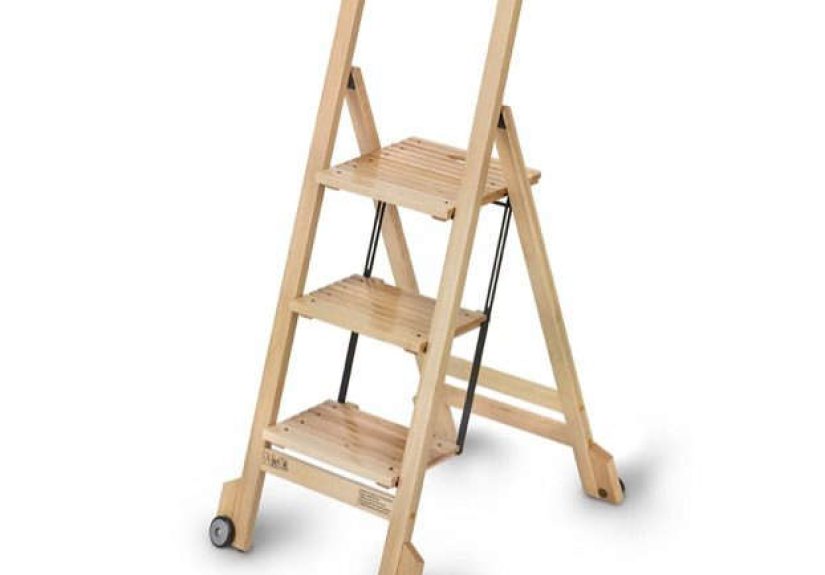
That focus is the whole point. Aris specializes in utilitarian wooden furniture and accessories that solve ordinary problems with uncommon grace. Its best-known categories include folding solid beech wood step ladders, valet stands, laundry baskets, clothes drying racks, ironing boards, and storage-friendly pieces that can disappear when not in use. Even the product names have a practical charm. The Biblio step ladders, for example, are designed for libraries, kitchens, living rooms, and officesplaces where function has to coexist with appearance.
And unlike many brands that treat utility as an excuse for blandness, Aris understands that everyday objects are part of the room. A step ladder might lean against a bookcase for days. A valet stand may stand in the bedroom like a small servant with excellent posture. A laundry basket is often more visible than anyone wants to admit. If these pieces are going to stay out, they may as well be handsome.
The Aris Look: Functional, Warm, and Slightly Nostalgic
The visual appeal of Aris comes from its refusal to separate beauty from use. The brand’s pieces often feature natural wood finishes, fold-flat designs, thoughtful hardware, and silhouettes that feel rooted in traditional household craftsmanship. Instead of looking slick or aggressively modern, they feel calm, balanced, and grounded.
That makes perfect sense in today’s interiors. Home design has been moving toward warm woods, natural textures, European influences, and practical display rather than sterile minimalism. In other words, people are tired of homes that look like they’re afraid of fingerprints. Wooden household pieces bring warmth, texture, and a little visual honesty. They age with patina instead of panic.
Aris fits beautifully into that shift. Its style lands somewhere between classic Italian design, utility-room discipline, and old-world common sense. Think of it as the homeware equivalent of a well-made oxford shirt: not flashy, not disposable, always useful, and suspiciously good at making everything around it look more pulled together.
Why Wood Still Wins
There is a reason wood keeps returning to kitchens, bedrooms, and laundry rooms even after decades of cheaper alternatives. First, it feels better. Wood has visual warmth that metal and plastic usually struggle to fake. It softens a room, especially one filled with hard surfaces like tile, stone, glass, or painted cabinetry.
Second, wood tends to age in a more forgiving way. A little wear can look like character instead of damage. Small nicks and darkening often read as patina, not failure. That is especially important for Italian wooden housewares meant to be handled every day.
Third, wood is often gentler in use. In the kitchen, wooden utensils remain popular because they are easy on cookware, pleasant to hold, and don’t conduct heat the same way metal does. In furniture and home accessories, wood brings a softer physical presence to utility objects. A wooden valet stand feels more like furniture. A wooden ladder looks intentional. A wooden drying rack doesn’t visually bully the room.
Signature Aris Pieces Worth Talking About
1. The Biblio Step Ladders
If there is one product line that captures the Aris philosophy, it is the Biblio ladder series. These folding ladders are made for real household use, but they also look refined enough to remain visible between tasks. Solid beech construction, reinforced structure, enlarged top steps, and castors on some models make them more than decorative props. They are practical tools dressed in civilized clothing.
The appeal here is obvious. Most step ladders are ugly enough to deserve exile. The Biblio models, by contrast, can live beside shelving, in a pantry, or near a wardrobe without turning the room into a hardware aisle. For readers who love homes with floor-to-ceiling bookshelves, high cabinets, or layered storage, an Aris ladder offers the rare pleasure of function without aesthetic punishment.
2. Valet Stands
Valet stands are one of those old-school objects that make you wonder why we ever stopped using them. They offer a place for jackets, trousers, belts, ties, jewelry, and tomorrow’s outfit without resorting to the universal modern storage method known as “the chair.” Aris makes several versions, including folding and more elaborate models with trays, bars, and accessory storage.
These pieces are especially compelling because they turn routine into ritual. Hanging clothes neatly at night may not sound thrilling, but it does make mornings easier. And an Aris valet stand looks considerably more elegant than draping a blazer over a treadmill you swear you’re going to use again.
3. Laundry and Ironing Pieces
Laundry equipment is rarely described as charming. Aris is here to complicate that assumption. Folding laundry baskets, drying racks, and wooden ironing boards bring order to spaces that are usually treated as afterthoughts. These products do not just store fabric; they restore some dignity to the domestic grind.
Their greatest strength is that they acknowledge the reality of small-space living. Folding forms, mobility, and clean silhouettes matter when your laundry zone shares square footage with your bathroom, hallway, or kitchen. Utility becomes more attractive when it also becomes compact.
How Aris Brings Italian Craft into Everyday Life
“Made in Italy” can sometimes be tossed around like parsley on a menupretty, familiar, and occasionally overused. But in the case of Aris, the phrase matters because the brand’s appeal is tied to a specific tradition of design and making. The company’s story reaches back through a family carpentry heritage, and its modern identity continues to emphasize craftsmanship, quality testing, and products created to meet specific domestic needs.
That background shows up in the details. The forms are sober, but not dull. The finishes are warm. The proportions feel considered. Even the brand’s more instrumental products, like ironing boards or bathroom aids, are designed with an insistence that usefulness should not cancel out beauty. That is a very Italian instinct: make the practical object work well, then make it look like it belongs in a well-run home.
Where Aris Fits Best in the Home
Bedroom
Valet stands, luggage racks, and clothes organization pieces feel especially at home here. They add structure without adding visual noise. A wooden valet stand beside a dresser or wardrobe creates a hotel-meets-heirloom vibe in the best way.
Kitchen
The step ladders and compact utility pieces shine in kitchens with high cabinets, open shelving, or a pantry that believes vertical storage is a personality trait. Warm wood also pairs naturally with stone, tile, ceramic, and painted cabinetry.
Laundry Room
This might be the most obvious setting for Aris, but it is also where the brand feels most satisfying. The combination of foldable design and visual restraint can make a cramped laundry area feel more intentional and less like a place where socks go to negotiate their independence.
Entry or Guest Room
Luggage racks and compact wooden accessories are ideal here. They create the kind of thoughtful hospitality people notice immediately, even if they never say, “Wow, excellent luggage rack.” They are thinking it.
Mistakes to Avoid When Buying Wooden Utility Goods
- Do not buy by looks alone. Beautiful wood cannot rescue weak hinges, awkward proportions, or a terrible folding mechanism.
- Do not ignore the finish. Natural, cherry, and darker wood tones each change how the piece lives in a room.
- Do not treat utility items like hidden storage if they will stay visible. If it lives out in the open, it should match your space.
- Do not assume all wooden goods are equal. There is a large difference between solid beech construction and a flimsy imitation with a good filter.
- Do not skip maintenance. Wood rewards basic care and punishes neglect with cracks, warping, and a generally offended appearance.
How to Care for Aris Wooden Goods
Good wood care is not complicated, but it does require consistency. Keep wooden household pieces dry, wipe spills promptly, and avoid prolonged soaking or harsh dishwasher-style treatment for any food-contact or kitchen-adjacent items. Gentle cleaning with mild soap, warm water where appropriate, and immediate drying will help preserve the finish and structure. Periodic conditioning with a food-safe mineral oil or wood balm can help maintain the wood’s natural resilience.
In plain English: don’t treat wooden goods like indestructible plastic. They are tougher than they look, but they still prefer basic respect. Which, frankly, is more than can be said for most flat-pack furniture.
Is Aris Worth It?
For shoppers who want the cheapest possible utility solution, Aris is probably not the answer. You can always spend less on a plastic stool, a wire hamper, or a metal valet stand. But that is not really the competition Aris is trying to win. The real value of the brand lies in the way it combines usefulness, longevity, and room-friendly design.
If you care about wooden home accessories made in Italy, appreciate pieces that can stay visible without looking accidental, and want everyday objects with a little soul, Aris makes a compelling case. Its products feel rooted in a slower, smarter approach to domestic lifeone where the ladder can be beautiful, the ironing board can be elegant, and the laundry basket does not have to look like surrender.
Extended Experience: What Living with Aris-Style Wooden Goods Feels Like
To understand the appeal of Aris, it helps to imagine not the showroom, but the week. Monday morning starts with a valet stand in the bedroom holding the shirt, jacket, and belt you set aside the night before. Nothing is wrinkled from being tossed over a chair. Nothing is hiding under a pile of laundry. The room feels more composed, and somehow you do too. It is a tiny improvement, but it changes the rhythm of getting dressed. That is the quiet trick of good utility design: it improves behavior without making a speech about it.
Later in the day, a folding wooden step ladder comes out in the kitchen so you can reach the top shelf where the big serving platter, holiday glassware, or emergency chocolate lives. When the task is done, the ladder folds away neatly, and if it stays out for a while, it does not look like a construction accident wandered into the room. It reads as part of the home. That matters more than people think. Objects affect mood, and the difference between “helpful tool” and “visual clutter” is often the difference between enjoying a space and apologizing for it.
In the laundry area, the experience becomes even more obvious. A wooden hamper or drying piece softens the practical, repetitive work of washing, sorting, and folding. Instead of a corner filled with plastic bins and metal rods, the space has warmth. There is structure, yes, but there is also texture. The routine feels less temporary and less chaotic. You are still doing laundryAris has not invented magical self-folding socksbut the environment feels calmer and more intentional.
There is also a sensory pleasure to wooden goods that is hard to fake. The touch of smooth beech, the visual warmth of natural grain, the way a wood finish sits beside tile or linen or painted cabinetrythese things register quietly every day. They do not shout “luxury,” but they do suggest care. And that may be the most modern luxury of all: objects that make ordinary life feel considered.
Aris-style pieces also age in a satisfying way. They are not precious museum items that panic at being used. They are better than that. They are the sort of pieces that can pick up familiarity over time. A slight softening of the finish, a tiny mark from years of use, a bit of character in the grainthese details can make the item feel settled rather than worn out. In a culture obsessed with “new,” that kind of aging feels almost rebellious.
Most of all, living with wooden utilitarian goods changes the tone of the home. It suggests that useful things deserve dignity. That the bedroom can be organized without becoming sterile. That the laundry corner can be practical without looking sad. That the kitchen can be hardworking and still warm. Aris captures that mindset beautifully. Its pieces do not ask for attention, but over time they earn affection. And that is usually a better deal.
Final Thoughts
Aris succeeds because it understands a truth many brands miss: the most used objects in a home shape your experience of the home itself. A well-made wooden ladder, valet stand, or laundry piece is not just a tool. It is part of the architecture of daily life. When that object is thoughtfully designed, made from solid wood, and balanced between tradition and practicality, it can make the whole room feel smarter.
For anyone drawn to old-fashioned wooden goods, utilitarian style, and the enduring appeal of Made in Italy homewares, Aris offers something rarea collection of useful pieces that do their work without sacrificing charm. They are not trend bait. They are not disposable. They are simply good household objects, which is a rarer compliment than it should be.
Editorial note: This article is intentionally written without source links for web publishing, while remaining grounded in real brand, design, and care information.





 Close
Close