Table of Contents >> Show >> Hide
- What is aspiration, exactly?
- Why does a tracheostomy increase aspiration risk?
- What are the actual risks of aspiration with a tracheostomy?
- Signs and symptoms of aspiration with a tracheostomy
- Who is at higher risk of aspiration with a tracheostomy?
- How do clinicians check for aspiration risk?
- How can you reduce aspiration risk with a tracheostomy?
- Working with the care team
- Real-world experiences: what aspiration risk feels like day to day
- Final thoughts
When someone you love has a tracheostomy (or you’re the one living with it), the word
“aspiration” starts popping up everywhere. Nurses mention it. The speech therapist
talks about it. The doctor warns about aspiration pneumonia. It can sound scary and
technical, especially when all you want is for breathing, eating, and talking to feel
a little more normal again.
The good news: understanding aspiration with a tracheostomy is one of the most
powerful things you can do to keep complicationsespecially pneumoniaunder control.
This guide breaks down what aspiration is, why tracheostomy can increase the risk,
which warning signs to watch for, and what you, your family, and your care team can
do to help prevent it.
We’ll keep things clear, practical, and as light as possible for a heavy topicbecause
medicine is serious, but your learning doesn’t have to be miserable.
What is aspiration, exactly?
Aspiration happens when something that’s supposed to go down the esophagus into the
stomachlike food, liquids, saliva, or stomach contentsends up going into the airway
and lungs instead. Think “down the wrong pipe,” but not just a quick coughing fit.
Repeated or large-volume aspiration can seriously irritate the lungs and lead to
infection (aspiration pneumonia), inflammation, and breathing problems.
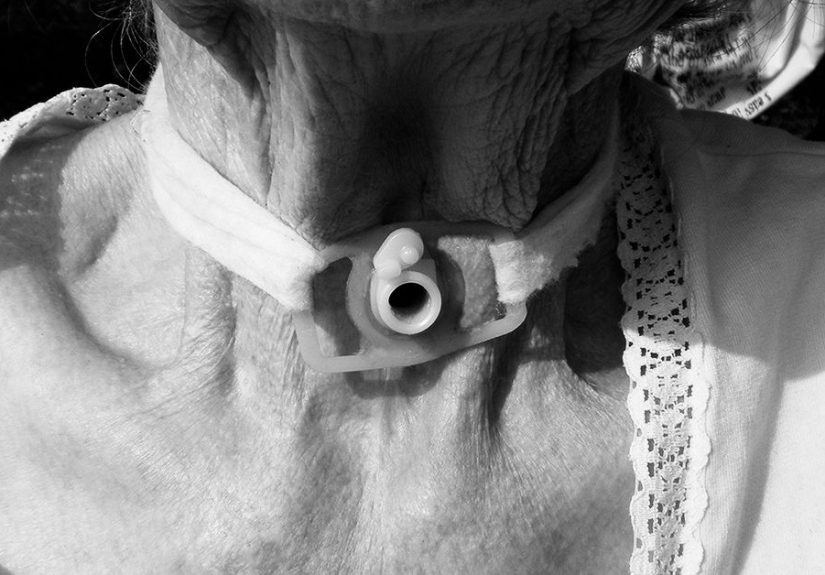
With a tracheostomy, there’s an opening (stoma) in the neck that leads straight into
the windpipe (trachea). A tracheostomy tube sits in that opening to help with
breathing. While this can be life-saving and make breathing easier, it also changes
how air flows, how the throat and larynx move, and how swallowing works. That’s where
aspiration risk comes in.
Silent aspiration: when there’s no obvious choking
One of the most importantand frustratingparts of aspiration in people with a
tracheostomy is that it’s often silent. Silent aspiration means material slips into
the airway without the usual warning signs like coughing, choking, or throat
clearing. A person can aspirate repeatedly and not feel it in the moment. The first
clue may be a fever, more secretions, or a new pneumonia on a chest X-ray.
Studies in people with tracheostomies and mechanical ventilation have found that a
high percentage aspirate at least some of what they swallow, and many of them do so
silently. That’s why healthcare teams take swallowing evaluations and aspiration
prevention so seriouslyespecially when someone is just starting to eat or drink
again after an illness.
Why does a tracheostomy increase aspiration risk?
A tracheostomy doesn’t automatically mean someone will aspirate, but it does change
the anatomy and mechanics of swallowing and breathing. Several factors work together
to raise the risk.
1. Changes in swallowing mechanics
Swallowing is a complex, choreographed event involving the tongue, throat muscles,
larynx, and vocal cords. A tracheostomy can:
- Reduce laryngeal elevation: The larynx (voice box) usually lifts
and moves forward during a swallow to protect the airway. With a trach tube in
place, that movement can be weaker or slower. - Decrease subglottic pressure: Normally, air pressure below the
vocal cords helps keep material out of the airway. The trach tube diverts airflow
away from the upper airway, making that protective pressure weaker. - Reduce sensation in the larynx: Long-term tracheostomy and illness
can blunt sensation in the throat, making it harder to feel when something is going
the wrong way. - Weaken the cough: If the cough isn’t strong or coordinated enough,
the body can’t clear material that accidentally slips toward the lungs.
All of these changes fall under the umbrella of dysphagia (swallowing
difficulty), which is very common in people with tracheostomies and a key driver of
aspiration.
2. The tracheostomy tube and cuff
Many adult tracheostomy tubes have a cuffa small balloon around the tube near its
tip. When inflated, the cuff helps seal the airway so that mechanical ventilation can
deliver adequate pressures and to reduce the risk of large-volume aspiration.
But there’s a trade-off:
- An inflated cuff can further restrict laryngeal movement and change how swallowing
works. - Secretions, food, or liquid can still pool above the cuff and slowly leak around it
into the lower airway. - An inflated cuff may reduce airflow through the upper airway, which can dull
sensation and impair cough effectiveness over time.
This is why decisions about cuff inflation, deflation, and timing are made carefully
by the care team, especially when a patient is starting or resuming oral intake.
3. Overall medical complexity
People who need a tracheostomy often have other risk factors that increase the chance
of aspiration, such as:
- Neurological conditions (stroke, brain injury, Parkinson’s disease)
- Muscle weakness and deconditioning after long ICU stays
- Sedation, decreased alertness, or fluctuating mental status
- Gastroesophageal reflux, feeding tubes, or delayed stomach emptying
When you stack these factors on top of the mechanical changes from the trach itself,
it becomes easier to see why aspiration risk is such a concern.
What are the actual risks of aspiration with a tracheostomy?
1. Aspiration pneumonia
The most discussed complication is
aspiration pneumoniaa lung infection caused by inhaling material
that doesn’t belong in the lungs. This can include food, drink, saliva, or stomach
contents teeming with bacteria. Once in the airways, these materials can inflame lung
tissue and provide fuel for infection.
In people with tracheostomies and mechanical ventilation, aspiration pneumonia is a
major cause of prolonged hospital stays, repeated antibiotics, and even ICU
readmissions. The risk grows higher in those who are older, have chronic lung
disease, or have weak immune systems.
2. Chronic lung damage and breathing problems
Repeated micro-aspirationsmall amounts of material getting into the lungs over and
overmay not cause dramatic symptoms each time. But it can lead to:
- Chronic inflammation in the airways
- Frequent bronchitis or “chest infections”
- Increased mucus production and thicker secretions
- Worsening oxygen needs or shortness of breath
Over the long term, this can reduce quality of life and make weaning from the
tracheostomy more difficult.
3. Nutrition and hydration problems
If swallowing is unsafe, people may be limited to modified diets (thickened liquids,
purees) or may need partial or full tube feeding. While this can be crucial for
safety, it can also:
- Make it harder to get enough calories and fluids
- Reduce enjoyment of eating and social mealtimes
- Increase the emotional burden for patients and families
These challenges highlight the importance of a thoughtful plan that balances safety
with quality of life.
Signs and symptoms of aspiration with a tracheostomy
Not everyone will show the same signs, and remember, aspiration is often silent. But
common clues that aspiration may be happening include:
- Coughing, choking, or throat clearing during or right after eating or drinking
- A “wet” or gurgly voice (if the person speaks) after swallowing
- Increased secretions from the trach, especially if they suddenly look cloudy or thicker
- Frequent suctioning needs during meals
- Watery eyes, facial redness, or distress while eating
- Shortness of breath during or after meals
- Unexplained fevers, fatigue, or new lung changes on chest imaging
If you notice any of these signsespecially if they’re new or getting worselet the
care team know. It doesn’t automatically mean aspiration pneumonia is happening, but
it’s a reason to ask for a swallowing reassessment.
Who is at higher risk of aspiration with a tracheostomy?
While anyone with a tracheostomy can be at risk, some groups have a higher chance of
aspirating:
- People with new tracheostomies who are just starting to eat or drink again
- Patients on mechanical ventilation or recently weaned from a ventilator
- Individuals with neurological conditions or brain injury
- Those with existing swallowing problems or a history of aspiration pneumonia
- People with inflated trach cuffs or frequent changes in cuff pressure
- Medically complex patients with multiple chronic conditions
In these groups, swallowing evaluations and ongoing monitoring are especially important.
How do clinicians check for aspiration risk?
Aspiration risk isn’t just guessedit’s assessed. A typical evaluation may include:
1. Bedside swallowing assessment
A speech-language pathologist (SLP) or other trained clinician:
- Reviews medical history, medications, and prior swallowing issues
- Checks alertness, posture, and ability to manage saliva
- Observes swallowing with small amounts of different textures (if safe)
- Monitors for coughing, voice changes, or changes in breathing
This assessment helps determine whether more detailed testing is needed and what
consistencies might be safer.
2. Instrumental studies
Two common tests provide a “live” look at swallowing:
- Videofluoroscopic Swallow Study (VFSS): A moving X-ray video is
taken while the person swallows contrast material mixed with food or liquid. This
shows exactly where the material goes and whether it enters the airway. - Fiberoptic Endoscopic Evaluation of Swallowing (FEES): A tiny
flexible camera is passed through the nose to view the throat while the person
swallows dyed foods and liquids.
These tests can reveal silent aspiration, timing problems, and structural issues and
guide specific recommendations on diet, posture, and strategies.
How can you reduce aspiration risk with a tracheostomy?
No single step eliminates aspiration risk, but a combination of strategies can make
swallowing safer and reduce complications.
1. Optimize tracheostomy management
- Cuff management: When medically appropriate, partial or full cuff
deflation during eating (under supervision) may improve airway sensation and
swallowing. This must always be guided by the healthcare team. - Speaking valves: In some patients, a one-way speaking valve can
help restore airflow through the upper airway, improve sensation, and sometimes
support better swallowing. - Proper tube size and positioning: An appropriately sized and
well-positioned tube can minimize interference with laryngeal movement.
2. Swallowing therapy and strategies
Working with a speech-language pathologist is key. They may recommend:
- Specific postures (such as chin tuck or head turn) during
swallowing to redirect the flow of material. - Swallowing exercises to strengthen muscles and improve timing.
- Modified diets (thickened liquids, softer textures) if needed to
reduce aspiration risk. - Safe swallow techniques, like double swallows or small, slow
bites and sips.
These strategies are highly individualized, so following your SLP’s specific plan
matters more than any generic advice.
3. Positioning and mealtime habits
- Keep the person sitting fully upright (at least 30–45 degrees) during meals.
- Stay upright for 30–60 minutes after eating or tube feeding.
- Avoid rushing meals; smaller, slower bites and sips are usually safer.
- Reduce distractions so the person can focus on swallowing.
4. Good oral and tracheostomy care
Aspiration isn’t just about where food goes; it’s also about what’s in the mouth and
secretions. Good hygiene can lower the risk that aspirated material carries lots of
bacteria.
- Brush teeth and clean the mouth regularly, even if the person doesn’t eat by mouth.
- Follow tracheostomy care instructions for cleaning, suctioning, and changing the tube.
- Wash hands thoroughly before and after trach care.
5. Recognize and act on early warning signs
If you notice increased coughing during meals, thicker or discolored secretions,
fevers, or new breathing difficulty:
- Pause oral intake if it seems to be triggering symptoms.
- Contact the healthcare team or home health provider promptly.
- Seek urgent or emergency care for severe shortness of breath, high fever, or distress.
Early attention can turn a potential pneumonia into a treatable issue caught before it
becomes serious.
Working with the care team
Managing aspiration risk with a tracheostomy is a true team project. Typically,
several professionals are involved:
- Pulmonologist or critical care doctor for airway and lung issues
- Surgeon or ENT specialist for tracheostomy tube and anatomy
- Speech-language pathologist for swallowing and communication
- Dietitian for nutrition and safe diets
- Nurses and respiratory therapists for day-to-day trach and respiratory care
As a patient or caregiver, you’re also a crucial member of this team. You’re the one
who sees what happens during meals and at home. Speaking up about changes, concerns,
and goals (like eating more by mouth or reducing pneumonia episodes) helps the team
tailor the plan to what matters most to you.
Real-world experiences: what aspiration risk feels like day to day
Statistics are helpful, but life with a tracheostomy and aspiration risk happens far
away from medical journalsin hospital rooms, rehab centers, and living rooms.
Experiences vary widely, but a few themes tend to show up again and again.
Many people describe the first time they’re cleared to eat or drink again as both
exciting and terrifying. Imagine having been on a feeding tube for weeks, then
suddenly being handed a spoonful of pudding. It’s not “just pudding” anymoreit’s a
test of your swallow, your lungs, and your confidence. Some patients say they felt
hyper-aware of every swallow, every little tickle in their throat, worried it might
mean something went down the wrong way.
Caregivers often carry their own stress. They’re the ones cutting food into tiny
bites, checking that the person is sitting upright, watching the clock to keep them
upright after meals, and listening to every breath for any change. One caregiver
might notice that their loved one always coughs on thin liquids but not on thicker
drinks; another might spot that “wet” sound in the trach secretions before anyone
else does. Over time, caregivers become experts in the small details that hint at
aspiration risk.
There are also stories of progress. A patient who once aspirated on nearly everything
they tried by mouth can, after weeks of swallowing therapy and careful practice, enjoy
small meals again. Maybe it’s not a full steak dinner, but being able to share mashed
potatoes at a family gathering or sip coffee in the morning can feel like winning the
lottery. These wins don’t happen overnight, but they’re realand they matter.
At the same time, not every story ends with returning to a full regular diet. Some
people find that the safest approach long-term is a combination of tube feeding and
small, carefully chosen “pleasure feeds.” In these cases, the goal shifts from “no
aspiration ever” (which may not be realistic) to “as safe as possible while honoring
quality of life.” For some, a few teaspoons of favorite food under close supervision
are worth the extra monitoring and planning.
Emotionally, aspiration risk can be exhausting. It’s normal to feel frustrated,
relieved, scared, hopeful, and proudall sometimes in the same day. Patients may
worry about being a “burden” when meals take longer or require supervision. Caregivers
may feel torn between wanting to push for more independence and wanting to protect
their loved one from any possible harm.
What helps? Good communication with the care team, honest conversation about goals,
and realistic expectations. It also helps to remember that progress isn’t always
linear. Some days will be better than others. A minor respiratory infection or a
medication change might temporarily make swallowing less safe. That doesn’t mean all
the progress is gone; it just means the plan may need a short-term adjustment.
Most importantly, you’re not supposed to figure this out alone. Swallowing therapists,
nurses, doctors, and respiratory therapists exist for a reason. Asking questions like
“What can we do to lower the aspiration risk?” or “Is there a way to make meals feel
safer and more enjoyable?” is not being difficultit’s being proactive.
Final thoughts
Aspiration with a tracheostomy is a real and significant risk, but it isn’t something
you’re powerless against. By understanding how and why aspiration happens, recognizing
the warning signs, and working with a skilled care team, you can take practical steps
to reduce complications and protect lung health.
Whether your goal is to safely enjoy more foods, cut down on pneumonia episodes, or
eventually remove the tracheostomy, managing aspiration risk is a central part of the
journey. Ask questions, stay curious, and remember: careful, consistent habits around
swallowing and trach care add up over time.
Important: This article is for educational purposes only and does not
replace medical advice. Always talk with your healthcare team or a qualified clinician
about specific decisions related to tracheostomy care, swallowing, and aspiration risk.