Table of Contents >> Show >> Hide
- Why Balsamic and Honey Belong on Roast Turkey
- Ingredients for Balsamic and Honey Glazed Roast Turkey
- Step-by-Step: How to Make Balsamic and Honey Glazed Roast Turkey
- Tips for a Juicy, Evenly Glazed Turkey
- Flavor Twists and Variations
- Serving Ideas and Leftover Magic
- Frequently Asked Questions
- Real-Life Experiences with Balsamic and Honey Glazed Roast Turkey
- Final Thoughts
If your holiday turkey has ever come out dry, bland, or just a little sad on the carving board,
it’s time for a glow-up. Enter the balsamic and honey glazed roast turkey:
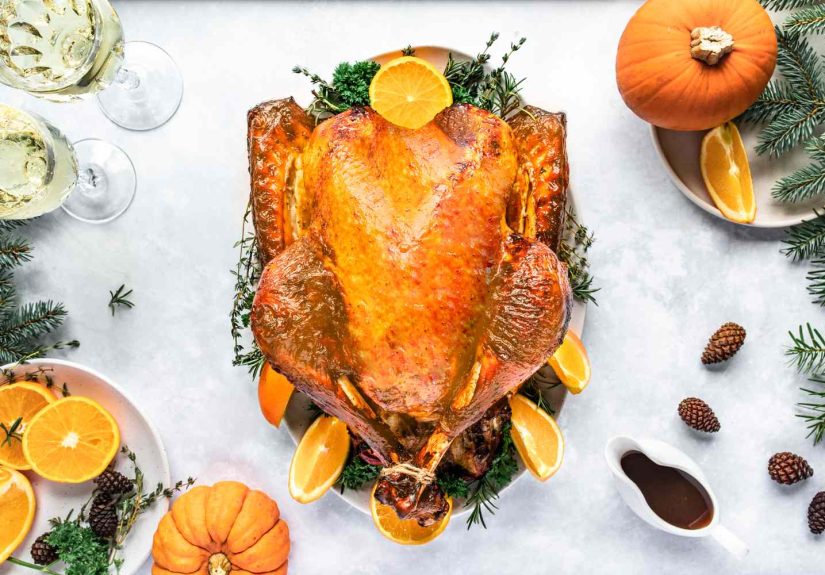
glossy, deeply caramelized skin, juicy meat, and a sweet-tangy aroma that hits your guests
the second you open the oven door. This isn’t just another turkey recipe; it’s your new
showpiece bird.
In this guide, we’ll walk through exactly how to make a roast turkey with a balsamic and honey
glaze that’s flavorful all the way to the bone. You’ll learn how to keep the meat juicy,
how to build layers of flavor with herbs and citrus, and how to finish with a sticky, lacquered
glaze that looks like it came straight off a magazine coverwithout needing a culinary degree
or a second oven.
Why Balsamic and Honey Belong on Roast Turkey
Turkey is a relatively lean meat, especially the breast, which makes it a perfect canvas
for bold flavors. A balsamic and honey glaze works so well because it hits all the right notes:
- Sweetness from honey balances turkey’s savoriness and helps the skin brown.
-
Acidity from balsamic vinegar brightens the flavor and cuts through the richness
of butter and pan drippings. -
Natural caramelization happens as the glaze cooks down, creating that gorgeous,
mahogany, almost shell-like crust on the skin. -
Herbs and citrus (like thyme, rosemary, and orange) add freshness so the turkey
tastes complex, not cloyingly sweet.
The result is a bird that tastes like you fussed over it for days, even though most of the work
happens in a few smart steps: seasoning, glazing, and not overcooking it.
Ingredients for Balsamic and Honey Glazed Roast Turkey
Main Turkey Ingredients
- 1 whole turkey, 12 to 14 pounds, fully thawed
- 4 tablespoons unsalted butter, softened
- 2 teaspoons kosher salt (plus extra to taste)
- 1 teaspoon freshly ground black pepper
- 1 large orange, quartered
- 1 small onion, quartered
- 1 small bunch fresh thyme
- 2 to 3 sprigs fresh rosemary
- 3 to 4 cloves garlic, lightly smashed
- 1 to 2 cups low-sodium chicken or turkey broth (for the roasting pan)
Balsamic and Honey Glaze
- 3/4 cup balsamic vinegar (traditional or white balsamic)
- 1/2 cup honey
- 2 tablespoons fresh orange juice
- 1 teaspoon Dijon mustard (optional, for a bit of tang and body)
- 1 teaspoon fresh thyme leaves (or 1/2 teaspoon dried thyme)
- 2 tablespoons unsalted butter
- 1/4 teaspoon salt, or to taste
These amounts will give you enough glaze to brush during roasting and again right before
serving, with a little extra to drizzle over carved slices.
Step-by-Step: How to Make Balsamic and Honey Glazed Roast Turkey
1. Plan Ahead and (Optionally) Dry-Brine
For maximum flavor and juiciness, season the turkey a day before roasting:
- Pat the thawed turkey completely dry with paper towels, inside and out.
-
Sprinkle 1 1/2 to 2 teaspoons kosher salt and 1 teaspoon black pepper all over the skin
and inside the cavity. You can also add a little garlic powder or smoked paprika if you like. -
Place the turkey uncovered on a rimmed sheet pan in the refrigerator for 12 to 24 hours.
This “dry brine” helps the meat hold onto moisture and seasons it all the way through.
If you don’t have time, don’t panic. You can still make a fantastic turkey by seasoning it
generously just before it goes into the oven. The glaze will help a lot.
2. Bring the Turkey to Room Temperature
About 1 hour before roasting, take the turkey out of the fridge and let it sit at room
temperature. This helps it cook more evenly and reduces the risk of a dry breast and underdone
legs.
3. Preheat the Oven and Prep the Roasting Pan
Preheat your oven to 425°F (220°C) with the rack in the lower third position.
You’ll start hot to encourage browning, then reduce the heat later.
Set a sturdy roasting rack inside a large roasting pan. Pour 1 to 2 cups of chicken or turkey
broth into the bottom of the pan. This prevents burning, encourages moist heat in the oven,
and gives you a good base for gravy later.
4. Stuff and Butter the Turkey
Remove any giblets or packets from the cavity and neck area. Pat the turkey dry again if needed.
Then:
- Stuff the cavity loosely with the orange quarters, onion, garlic, and herb sprigs.
-
Gently loosen the skin over the breast with your fingers and rub some of the softened butter
directly onto the meat. - Rub the remaining butter all over the outside of the turkey.
- Season the outside again lightly with salt and pepper.
- Tuck the wing tips under and tie the legs together with kitchen twine.
5. Make the Balsamic and Honey Glaze
While the oven finishes preheating, prepare your glaze:
- In a small saucepan, combine the balsamic vinegar, honey, and orange juice.
- Add the thyme and Dijon mustard, if using.
-
Bring to a gentle simmer over medium heat, then reduce the heat and cook until the mixture
thickens slightly and reduces by about one-third, 8 to 12 minutes. - Remove from heat and whisk in the butter and salt until glossy.
The glaze should be thick enough to coat the back of a spoon but still pourable. If it gets too
thick, you can thin it with a tablespoon or two of warm water or broth.
6. Start Roasting the Turkey
- Place the turkey breast-side up on the roasting rack.
-
Roast at 425°F (220°C) for about 20 to 30 minutes, until the skin just
starts to turn golden. -
Reduce the oven temperature to 325°F (165°C). Cover the breast loosely
with foil if it’s browning quickly. - Continue roasting, brushing the turkey with a thin layer of glaze every 30 minutes or so.
As a general guide, expect about 13 to 15 minutes of roasting time per pound for an unstuffed
turkey, but always rely on a meat thermometer instead of the clock. You’re aiming for
165°F (74°C) in the thickest part of the breast and 170–175°F (77–80°C) in
the thigh.
7. Finish with a High-Heat Glaze
When the turkey is about 15 to 20 minutes away from being done (the breast is reading around
150–155°F), remove the foil and brush on a generous final coat of the balsamic-honey glaze.
You can briefly increase the oven temperature back to 400°F (205°C) to set
the glaze and deepen the color. Keep a close eye on itsugars can burn quickly. If any small
spots start to get too dark, cover just that area with a bit of foil.
8. Rest, Carve, and Serve
When the turkey reaches the proper internal temperatures, remove it from the oven and transfer
it to a carving board. Tent loosely with foil and let it rest for at least 25 to 30 minutes.
Resting is non-negotiable. It allows the juices to redistribute so they stay in the meat instead
of ending up all over your cutting board. After resting, carve the turkey and drizzle a little
extra warmed glaze or pan juices over the slices before serving.
Tips for a Juicy, Evenly Glazed Turkey
-
Use a meat thermometer. The pop-up timer that came with the turkey is more
decorative than reliable. An instant-read or probe thermometer is your best friend. -
Don’t oversauce early on. Too much glaze at the beginning can burn. Start
light, then get more generous in the last 30 to 40 minutes. -
Cover and uncover strategically. Foil over the breast protects it while the
legs catch up. Remove it toward the end to crisp the skin and finish the glaze. -
Keep some liquid in the pan. If the pan looks dry, add more broth or a splash
of water. This helps prevent scorching and sets you up for great gravy. - Don’t skip the rest. Yes, everyone is hungry. Yes, it’s worth the wait.
Flavor Twists and Variations
Maple-Balsamic Turkey
Swap half of the honey for pure maple syrup. The maple flavor is subtle but pairs beautifully
with balsamic and roasted turkey.
Garlic-Herb Balsamic Turkey
Add 2 to 3 minced garlic cloves and extra chopped rosemary and thyme to the glaze.
This version leans more savory while still getting that glossy finish.
Spiced Citrus Turkey
Stir a pinch of ground cinnamon or allspice and a bit more orange zest into the glaze.
It gives the turkey a warm holiday aroma without turning it into dessert.
Serving Ideas and Leftover Magic
Serve your balsamic and honey glazed roast turkey with simple sides that let the glaze shine:
roasted Brussels sprouts, garlic mashed potatoes, or a bright arugula salad with shaved
Parmesan and extra balsamic drizzle.
Leftovers are where this turkey really flexes:
-
Balsamic turkey sandwiches: Pile sliced turkey on crusty bread with arugula,
a smear of goat cheese, and a few pickled onions. -
Grain bowls: Combine leftover turkey with farro or quinoa, roasted veggies,
and a spoonful of leftover glaze thinned with olive oil. -
Turkey flatbreads: Use naan or pizza dough, add mozzarella, turkey slices,
red onion, and a drizzle of balsamic glaze before baking.
Frequently Asked Questions
Can I use just a turkey breast instead of a whole turkey?
Absolutely. A bone-in turkey breast (5 to 7 pounds) works great with this glaze and is ideal
for smaller gatherings. Reduce the roasting time (often around 20 minutes per pound at 325°F
after an initial high-heat blast) and start checking the internal temperature earlier.
Will the glaze make the turkey too sweet?
Not if it’s balanced. The balsamic vinegar brings plenty of acidity, and the herbs and citrus
keep the overall flavor profile savory. If you’re worried, cut the honey back slightly or add
a bit more Dijon mustard for a sharper edge.
Can I make the glaze ahead of time?
Yes. You can simmer and reduce the glaze up to 3 days ahead. Store it in the fridge, then warm
it gently on the stove before brushing it onto the turkey.
What if my glaze burns in spots?
If a section of the skin is darkening too fast, cover just that area with a small piece of foil.
You can also brush a little broth over overly dark spots to dilute the sugars slightly.
Real-Life Experiences with Balsamic and Honey Glazed Roast Turkey
Once you’ve made this turkey, you quickly realize it’s not just a recipeit’s a holiday ritual.
Here are a few experience-based lessons and scenarios that help bring the method to life and
keep your sanity intact.
Imagine it’s Thanksgiving morning. The turkey is dry-brined, your glaze is ready, and you
suddenly remember your oven will also be hosting stuffing, rolls, and a pan of roasted
vegetables. The good news is that this balsamic and honey glazed turkey is fairly forgiving.
The initial high-heat roast gets the browning started quickly, so you can share oven space later
at a steady 325°F. If side dishes need a slightly higher temperature, you can briefly bump
the heat toward the end while you’re finishing the glaze, then let the turkey rest while the
sides finish baking.
Another common scenario: the “I’m afraid of overcooking it” cook. This person checks the oven
every eight minutes, opening the door so often that the turkey basically lives in a wind tunnel.
Experience says: trust your thermometer more than your eyes. A deep mahogany glaze might look
“too dark” before the turkey is fully cooked, but that’s the sugars doing their job.
Instead of constantly opening the oven, schedule your checksabout once every 30 minutes for
basting and temperature. Your turkey will cook more evenly, and the glaze will set properly.
There’s also the host who wants everything to taste special but doesn’t want to spend all day
fussing. For them, the balsamic and honey glaze is a cheat code. The base turkey technique is
fairly classicseason, roast, restbut the glaze makes it seem like a high-effort, chef-level move.
Guests will ask what you did differently this year, even if you secretly know the hardest part
was remembering to thaw the bird on time.
Experience also teaches you how flexible the flavors can be. One year you might lean into orange
and thyme for a bright, almost Mediterranean twist. Another year you might add a splash of bourbon
or a pinch of smoked paprika to the glaze for a deeper, more wintry vibe. Because the basic pattern
stays the samesweet plus tangy plus herbsyou can safely play without wrecking the turkey.
Leftovers reveal a final lesson: make more glaze than you think you need. A bit of extra
balsamic-honey goodness turns day-two turkey into something people actually fight over.
It’s excellent for reheating slices gently in a skillet, tossing with roasted vegetables,
or whisking with olive oil into a quick salad dressing. Think of the glaze as a flavor
“bridge” that ties the main event and the leftovers together, so the whole weekend feels
intentional instead of improvised.
In the end, cooking a balsamic and honey glazed roast turkey is less about chasing perfection
and more about building a reliable, repeatable ritual. You season ahead, you let the oven do
most of the work, you finish strong with a glossy glaze, and you give the turkey time to rest.
Do those things consistently and you’ll have a holiday centerpiece people rememberand request
year after year.
Final Thoughts
A balsamic and honey glazed roast turkey delivers everything you want from a
holiday main: juicy meat, crisp caramelized skin, and a flavor profile that feels both classic
and a little bit elevated. With a simple set of stepsgood seasoning, smart roasting, and a
carefully timed glazeyou can turn an ordinary turkey into a centerpiece that practically
gleams on the table.
Whether it’s your first time roasting a turkey or your twentieth, this method gives you structure
and room to play. Once you’ve mastered the basics, you can riff on flavors, tweak the sweetness
level, and customize the herbs to match your favorite sides. And when the compliments start
rolling in, you’ll know it was worth every brush of glaze.