Table of Contents >> Show >> Hide
- When Can Babies Eat Beans?
- Why Beans Are Good for Babies
- Best Beans for Babies to Try First
- How to Serve Beans Safely by Age
- How to Prepare Beans for Babies
- Simple Bean Recipes for Babies
- Can Babies Be Allergic to Beans?
- Do Beans Cause Gas in Babies?
- Frequently Asked Questions About Beans for Babies
- Common Parent and Caregiver Experiences With Beans for Babies
- Final Thoughts
Note: This article is for general education and does not replace advice from your child’s pediatrician, especially if your baby was born prematurely, has feeding difficulties, eczema, known food allergies, or a medical condition affecting growth or digestion.
Beans may not look glamorous. They are small, wrinkly, and occasionally responsible for a little extra household sound effects. But when prepared safely, beans can be a nutritious, budget-friendly addition to your baby’s menu. They offer plant protein, fiber, iron, zinc, folate, and several other nutrients that support a growing body.
The trick is not simply when to offer beans. It is also about how to prepare them. A whole black bean can be a choking hazard for a baby, while a soft, smooth black bean mash can become an easy and nutritious first food. That difference matters more than the bean’s color, brand, or ability to make a dramatic splat on the high-chair tray.
This guide explains the best age to introduce beans to babies, the safest types to try first, how to serve them by stage, what nutrients they provide, and what to do if your tiny diner reacts with enthusiasm, confusion, or a suspicious amount of gas.
When Can Babies Eat Beans?
Most babies can begin eating beans at around 6 months old, once they are ready to start solid foods. Age is only one clue, though. Developmental readiness matters more than a birthday on the calendar.
Signs your baby may be ready for solids include sitting with little support, holding their head steady, opening their mouth for food, bringing objects toward their mouth, and swallowing food instead of pushing most of it back out with their tongue. Breast milk or infant formula should still remain an important source of nutrition while solid foods are introduced gradually.
Beans do not need to wait until your baby has tried every fruit, vegetable, and grain in the grocery store. There is no required order for introducing most foods. Once your baby is developmentally ready for solids, soft, well-prepared beans can join the menu alongside other iron-rich and protein-rich foods.
Why Beans Are Good for Babies
Beans, lentils, peas, and chickpeas belong to the legume family. They are nutritional multitaskers: inexpensive, versatile, filling, and easy to pair with vegetables, grains, meat, fish, eggs, or dairy foods. For families who eat vegetarian or mostly plant-based meals, beans can be especially helpful.
Plant Protein for Growing Bodies
Babies need protein to support growth and development. Beans provide plant protein and can add variety to meals that might otherwise rely on the same foods repeatedly. A bowl of mashed lentils or creamy white beans is not meant to replace every animal-based protein, but it can be a valuable part of a varied diet.
Iron and Zinc Support
Iron becomes especially important during infancy because babies grow quickly and their iron stores gradually decrease after birth. Beans and lentils contain non-heme iron, the form found in plant foods. Pairing them with foods rich in vitamin C, such as strawberries, tomatoes, bell peppers, broccoli, mango, or citrus fruit, can help the body absorb plant-based iron more effectively.
Legumes also provide zinc, folate, magnesium, potassium, and B vitamins. These nutrients support normal growth, energy metabolism, immune function, and many other behind-the-scenes jobs that babies are far too busy crawling, babbling, and throwing spoons to appreciate.
Fiber for Digestion
Beans contain fiber, which can support regular digestion as babies begin eating more solid foods. A baby’s digestive system is still adapting, however, so beans may cause temporary gas or changes in stool patterns. This is usually not a reason to ban beans forever. It simply means starting with small portions and allowing your baby’s tummy time to adjust.
Fiber is found in many plant foods, including beans, fruits, vegetables, nuts, seeds, and whole grains. It supports digestion and may help prevent constipation as part of an overall balanced eating pattern.
Best Beans for Babies to Try First
Almost any bean can work for babies when it is cooked until very soft and served in a safe texture. Still, some types are easier to mash, blend, and mix into baby-friendly meals than others.
1. Red Lentils
Red lentils are one of the easiest legumes for babies because they cook quickly and become soft almost immediately. They have a mild flavor and blend well with carrots, sweet potatoes, butternut squash, tomatoes, or mild spices such as cumin.
For early eaters, cook red lentils until very soft, then blend or mash them with water, breast milk, formula, or a vegetable puree until the texture is smooth.
2. White Beans
Cannellini beans, navy beans, and Great Northern beans have a creamy texture when cooked. They are mild enough to pair with sweet potato, zucchini, peas, pumpkin, or avocado. Their pale color can also make them less visually intimidating for babies who have already decided that green food is a personal insult.
3. Black Beans
Black beans are packed with nutrients and work well in savory baby meals. Mash them thoroughly with sweet potato, ripe avocado, cooked carrots, or mild tomato sauce. Make sure every bean is fully crushed before serving.
4. Pinto Beans
Pinto beans are soft, earthy, and easy to mash. They are common in family meals, making them a convenient option for babies who are beginning to eat modified versions of what everyone else is having. Skip salty refried beans from restaurants or canned products with added seasonings, and make a plain mashed version at home instead.
5. Chickpeas
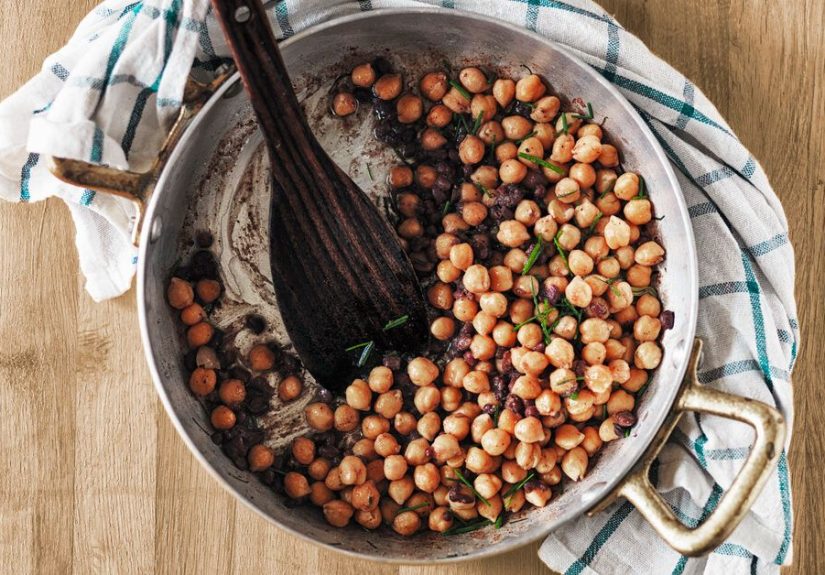
Chickpeas can be nutritious for babies, but they need extra attention because whole chickpeas are round and firm enough to create a choking risk. For babies, chickpeas should be blended into a smooth puree, mashed very thoroughly, or mixed into a soft homemade hummus-style spread without added salt.
Traditional hummus may contain tahini, which is made from sesame. Sesame is a common food allergen, so it can be introduced when your baby is ready for solids, but it is smart to use a simple ingredient list and introduce new allergenic foods thoughtfully.
6. Split Peas
Yellow and green split peas become soft and creamy after cooking. They are excellent for soups and purees. Blend cooked split peas with carrots, potatoes, or squash for a thick, spoonable meal that has more personality than plain mashed potatoes.
How to Serve Beans Safely by Age
The safest bean texture depends on your child’s eating skills, not just their age. A baby who is new to solids needs a much smoother texture than a toddler who is learning to chew.
For Babies Around 6 to 8 Months
Serve beans as a smooth puree or very soft mash. You can blend cooked beans with water, breast milk, formula, vegetable puree, or unsalted broth. The texture should be soft enough that there are no whole beans, skins, tough chunks, or round pieces left behind.
Good options include:
- Red lentil puree with sweet potato
- Mashed white beans with zucchini
- Black bean and avocado mash
- Split pea puree with carrots
- Chickpea puree with olive oil and water
For Babies Around 8 to 10 Months
As your baby becomes more comfortable with thicker textures, you can offer chunkier mashes. Beans should still be flattened, crushed, or mixed into soft foods. A preloaded spoon with thick lentil mash can encourage self-feeding while keeping the texture manageable.
For Babies Around 10 to 12 Months and Beyond
Older babies who are developing chewing skills may handle more textured meals, such as mashed beans in a soft quesadilla, bean-and-vegetable patties, or soft bean mixtures stirred into pasta sauce. Continue crushing round beans and check that the food squishes easily between your fingers.
Whole beans are considered a choking hazard for young children. Mash, flatten, or cut foods into appropriately small and soft pieces, and always supervise meals while your child is seated upright.
How to Prepare Beans for Babies
Choose Plain, Low-Sodium Options
For convenience, canned beans are perfectly acceptable. Look for products labeled no salt added or low sodium. Drain and rinse canned beans under running water before using them. Avoid beans packed in heavily salted sauces, barbecue sauce, chili seasoning, cheese sauce, or spicy restaurant-style mixtures.
Babies do not need added salt. Their taste preferences are still developing, and plain foods give them a chance to learn what beans, vegetables, and herbs actually taste like before every meal turns into a sodium convention.
Cook Dried Beans Thoroughly
If you cook dried beans at home, soak and cook them until they are extremely soft. They should crush easily with a fork or between clean fingers. Never serve dried, raw, or undercooked beans to babies or young children.
Red kidney beans deserve special attention because raw or undercooked kidney beans contain a natural toxin that can cause severe digestive illness. Cook them thoroughly according to package directions before using them in any family meal.
Avoid Raw Bean Sprouts for Young Children
Raw or undercooked sprouts, including bean sprouts, may carry bacteria that can cause foodborne illness. Young children are more vulnerable to serious complications from foodborne infections, so skip raw sprouts and choose fully cooked beans instead.
Simple Bean Recipes for Babies
Sweet Potato and Black Bean Mash
Combine cooked black beans with baked or steamed sweet potato. Mash until smooth, then thin with water, breast milk, formula, or unsalted broth as needed. This combination provides a naturally sweet flavor and a soft, easy-to-eat texture.
Red Lentil Carrot Puree
Cook red lentils with peeled carrots until both are very soft. Blend with water until smooth. Add a tiny pinch of mild cumin or cinnamon only after your baby has tolerated the basic ingredients.
Creamy White Bean and Zucchini Blend
Steam zucchini until soft, then blend it with rinsed white beans and a drizzle of olive oil. The result is creamy, mild, and easy to spread onto a preloaded spoon for older babies.
Baby-Friendly Chickpea Spread
Blend very soft chickpeas with water, olive oil, and cooked carrots or roasted squash. Avoid adding salt. If you include tahini, remember that it contains sesame, so introduce it carefully as a separate new ingredient when possible.
Can Babies Be Allergic to Beans?
Yes, although allergy to common beans is less common than allergies to foods such as milk, egg, peanut, tree nuts, wheat, soy, sesame, fish, and shellfish. Soybeans and peanuts are legumes, however, and both are among the major food allergens.
When introducing a new bean or legume, offer a small amount when your baby is healthy and you can observe them afterward. It can be helpful to introduce foods earlier in the day rather than right before bedtime, when everyone is tired and no one wants to play detective over a mysterious rash.
Possible food allergy symptoms can include hives, facial swelling, repeated vomiting, diarrhea, coughing, wheezing, trouble breathing, or unusual lethargy. Call emergency services immediately if your child has trouble breathing, swelling of the tongue or throat, fainting, severe vomiting with other symptoms, or signs of a severe allergic reaction.
If your baby has severe eczema, an existing food allergy, a history of concerning reactions, or poor growth, talk with a pediatrician or allergist before introducing peanut, soy, or other foods you are worried about. Current allergy guidance generally supports age-appropriate early introduction of common allergens rather than delaying them for years, but individual medical advice matters for higher-risk babies.
Do Beans Cause Gas in Babies?
They can. Beans contain fermentable carbohydrates and fiber that may create gas as the digestive system breaks them down. A little extra toot traffic after a bean meal is common and usually harmless.
To make beans easier on your baby’s tummy, start with one or two spoonfuls, use very soft cooked beans, blend them well, and increase portions gradually. Red lentils and split peas are often easier first choices because they become soft quickly and are simple to puree.
Talk with your child’s healthcare professional if your baby has persistent pain, vomiting, blood in the stool, severe diarrhea, dehydration, poor weight gain, or symptoms that seem much more serious than ordinary gas.
Frequently Asked Questions About Beans for Babies
Can a 6-month-old eat beans?
Yes. Many babies can eat smooth bean purees or very soft bean mashes at around 6 months, as long as they show readiness signs for solid foods and the beans are prepared safely.
Can babies eat canned beans?
Yes. Choose no-salt-added or low-sodium canned beans when possible, drain and rinse them, then mash or blend them to an age-appropriate texture.
Can babies eat hummus?
Babies can eat a smooth, low-sodium homemade hummus-style spread if it has no whole chickpeas and the texture is appropriate. Be aware that tahini contains sesame, a common allergen.
Are beans better than meat for babies?
Beans and meat both have a place in many baby diets. Meat contains heme iron, which is absorbed more easily, while beans provide plant protein, fiber, folate, and other nutrients. Variety matters more than declaring a winner in a tiny food courtroom.
What beans should babies avoid?
Avoid whole beans, hard or undercooked beans, heavily salted canned beans, restaurant refried beans with lots of sodium, spicy bean dishes, and raw bean sprouts. Fully cooked, plain beans that are mashed or blended are the safest choice for babies.
Common Parent and Caregiver Experiences With Beans for Babies
Introducing beans often feels less like a perfectly staged milestone and more like a small kitchen science experiment. One baby may scoop every bit of lentil puree into their mouth with surprising enthusiasm. Another may stare at a spoonful of white bean mash as though you have offered them a personal insult. Both responses are normal.
Many parents find that lentils are the easiest starting point because they cook quickly and blend into a smooth texture without much effort. A pot of red lentils can become several baby meals with the addition of sweet potato, carrots, squash, or tomatoes. Some caregivers freeze small portions in ice cube trays, then thaw one serving at a time. This can make weekday meals feel less chaotic, especially when the baby decides lunch should happen exactly three minutes before you planned it.
Black beans and pinto beans are often family favorites because they can be pulled from a larger meal before salt, hot sauce, or heavy seasoning is added. For example, a parent making tacos can set aside plain cooked beans, mash them with avocado or sweet potato, and serve a baby-friendly version beside the family meal. This approach saves time and helps babies see familiar foods on the table as they grow.
Gas is another common conversation. Parents may notice more burping, passing gas, or changes in bowel movements after beans appear on the menu. In many cases, the solution is not to eliminate beans completely. Instead, offer a smaller serving, use a smoother puree, and wait a few days before increasing the amount. Babies are learning to digest new foods just as they are learning to sit, chew, grab spoons, and decorate the floor with dinner.
Texture is usually the biggest issue. A baby may enjoy smooth lentil puree but reject a chunkier bean mash at first. That does not mean they dislike beans forever. It may simply mean the texture is new. Offering the food again later, changing the texture, or pairing it with a familiar food can help. A white bean puree mixed with roasted squash may go over better than plain beans served alone.
Some families worry that beans are too boring or too “adult” for babies. In reality, babies do not need complicated food marketing. They need safe textures, repeated exposure, and a variety of nourishing foods. Beans offer all three opportunities. They are affordable, flexible, and easy to adapt as your baby’s eating skills grow.
The most successful bean meals are usually not the prettiest. They are the ones where the beans are soft, the baby is seated safely, the caregiver stays calm, and everyone accepts that at least one spoonful may end up in someone’s hair. That is not failure. That is baby-led culinary research.
Final Thoughts
Beans can be a healthy first food and a reliable staple throughout childhood. Most babies can begin enjoying smooth bean purees or mashed legumes around 6 months, once they are ready for solid foods. Start with soft options such as lentils, white beans, black beans, pinto beans, split peas, or blended chickpeas.
The key is preparation: cook beans thoroughly, avoid added salt, mash or blend them well, and never serve whole beans to young babies. Pair beans with vitamin C-rich fruits or vegetables, offer small amounts at first, and keep meals relaxed. Your baby may love beans instantly, reject them for three Tuesdays in a row, then suddenly demand more with the confidence of a tiny food critic. That is all part of the process.