
Table of Contents >> Show >> Hide
- Flexibility 101: What It Is (and What It Isn’t)
- Advantage #1: Everyday Movement Feels Easier
- Advantage #2: Better Posture (Less “Desk Shrimp” Energy)
- Advantage #3: Lower Risk of Strains (When Done the Smart Way)
- Advantage #4: Improved Athletic Performance and Efficiency
- Advantage #5: Stress Relief and a Better “Off Switch”
- Advantage #6: Joint Health, Balance, and “Future You” Insurance
- How Long Should You Stretch? A Simple, Evidence-Based Target
- A 10-Minute Flexibility Routine You Can Actually Repeat
- Stretching Safety: Keep It Helpful, Not Dramatic
- Conclusion: Flexibility Is the Quiet Upgrade That Improves Everything
- Experiences With Flexibility: What People Actually Notice (and Why It Sticks)
Flexibility is the underrated friend who never asks for credituntil the day you can’t turn your head to check a blind spot,
tie your shoes without performing interpretive dance, or stand up from the couch like a normal human instead of a creaky folding chair.
The good news: flexibility is trainable. The even better news: you don’t need to become a full-time yoga wizard to see results.
In this guide, you’ll learn the real, practical benefits of flexibility (no mystical “unlock your inner gazelle” promises),
plus six beginner-friendly stretches that match six everyday advantages. We’ll also cover how long to hold stretches,
when to stretch (so you don’t stretch “cold” like a rubber band in winter), and a simple routine you can actually stick with.
Flexibility 101: What It Is (and What It Isn’t)
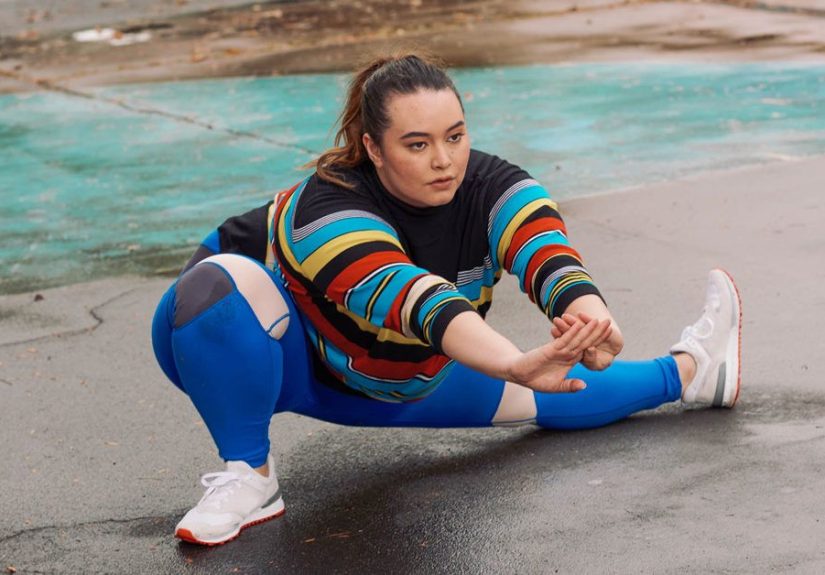
Flexibility is a joint’s ability to move through its available range of motion. Think: how easily your hips,
shoulders, ankles, and spine can move where they’re supposed to move. It’s different from mobility, which includes
flexibility plus strength and control (being able to use that range safely).
A quick note about stretching styles:
- Dynamic stretching = controlled movement through range (great before workouts or sports as part of a warm-up).
- Static stretching = holding a position (often best after activity, or as a separate flexibility session).
If you remember only one rule: stretch to mild tension, not pain. No bouncing, no grimacing, no “I saw this on the internet.”
Your body learns faster when it feels safe.
Advantage #1: Everyday Movement Feels Easier
Flexibility helps you move more freely during normal life: reaching overhead, squatting down to pick something up,
stepping off a curb, turning to grab a backpack, or climbing stairs without feeling like your ankles are negotiating a union contract.
When joints can move through their available range, daily tasks require less compensationmeaning fewer awkward twists and fewer
“Why does my back hate me?” moments.
Specific example: Limited ankle flexibility can make squats, stairs, and even walking feel clunky. You may lean forward,
turn your feet out, or overload your knees to “borrow” motion from other places.
Stretch #1: Wall Calf Stretch (Ankles & Calves)
- Stand facing a wall. Place both hands on the wall at chest height.
- Step one foot back. Keep the back heel down and toes pointing forward.
- Bend the front knee until you feel a stretch in the back calf.
- Hold 10–30 seconds, breathe slowly, then switch sides.
- Repeat 2–4 times per side (aim for about 60 seconds total per side).
Form tip: If you feel it mostly in your foot arch, move closer to the wall or soften the stretch intensity.
Advantage #2: Better Posture (Less “Desk Shrimp” Energy)
Flexibility supports posture by reducing the “tug-of-war” between tight muscles and underused muscles.
For example, long hours sitting can tighten the chest and front shoulders while the upper back becomes less active.
The result? Rounded shoulders, forward head posture, and the classic look of someone trying to become one with their laptop.
Improving flexibility in commonly tight areas can make it easier to stand tall, breathe more comfortably,
and position your joints in a way that reduces strain over timeespecially in the neck, shoulders, and mid-back.
Stretch #2: Doorway Chest Stretch (Chest & Front Shoulders)
- Stand in a doorway. Place your forearms on each side of the frame, elbows around shoulder height.
- Step one foot forward and gently shift your body forward until you feel a stretch across the chest.
- Keep your ribs down (avoid arching your lower back like you’re posing for a superhero poster).
- Hold 10–30 seconds, then relax.
- Repeat 2–4 times.
Make it easier: Lower your elbows a bit or step less far forward.
Advantage #3: Lower Risk of Strains (When Done the Smart Way)
Flexibility is not a magical injury-proof shieldsorry, marketing. Injuries happen for lots of reasons (fatigue, training load, strength,
poor recovery, technique). But flexibility can still matter because overly tight muscles may limit motion and force the body to compensate.
When you repeatedly move around a restriction, certain tissues can get overloaded.
The “smart way” is key: use dynamic movement to warm up for activity and use static stretching after activity
or as a separate session to gradually improve range. Think of dynamic stretching as turning on the lights before you walk through a room.
Stretch #3: Half-Kneeling Hip Flexor Stretch (Hips & Front Thigh)
- Kneel on one knee, with the other foot in front (like a lunge). Hold a wall or chair for balance if needed.
- Tuck your pelvis slightly (imagine bringing your belt buckle up toward your chin).
- Gently shift forward until you feel a stretch in the front of the hip on the kneeling side.
- Hold 10–30 seconds, then switch sides.
- Repeat 2–4 times per side.
Bonus option: Raise the arm on the kneeling side and lean slightly away for a deeper stretchstill no pain.
Advantage #4: Improved Athletic Performance and Efficiency
Flexibility can support sport and exercise performance by improving how easily you can access the positions you need:
a smoother running stride, better squat depth, more comfortable overhead reaching, or a freer golf/tennis swing.
When your joints move efficiently, you waste less energy fighting your own stiffness.
One nuance: long static stretches right before explosive activity can temporarily reduce power for some people.
That’s why many coaches prefer a warm-up that includes light movement and dynamic stretches before intense exercise,
saving longer static holds for after training or separate flexibility sessions.
Stretch #4: Hamstring Strap Stretch (Back of Thigh)
- Lie on your back with one leg extended on the floor.
- Loop a towel or strap around the other foot and gently raise that leg upward.
- Keep the knee slightly bent if your hamstrings are tight. Focus on a stretch, not a wrestling match.
- Hold 10–30 seconds, breathe, then switch sides.
- Repeat 2–4 times per side.
Common mistake: Yanking the strap. Gentle tension + steady breathing works better than brute force.
Advantage #5: Stress Relief and a Better “Off Switch”
Stretching doesn’t just change tissues; it changes your nervous system. Slow, controlled stretches paired with calm breathing can reduce
that “wired but tired” feeling many people carry at the end of the day. It’s not a replacement for mental health care, but it can be a simple,
physical way to signal safety to your bodyespecially when you spend the day tensed up like you’re waiting for a pop quiz from adulthood.
A short flexibility routine can also be a helpful bedtime transition: lower lights, slower breathing, fewer screens, and
less doom-scrolling. Your hamstrings will never ask you to check your email.
Stretch #5: Seated Neck/Upper Trap Stretch (Neck & Shoulders)
- Sit tall. Let your shoulders relax away from your ears.
- Gently tilt your right ear toward your right shoulder until you feel a stretch on the left side of your neck.
- To increase slightly, place your right hand on the side of your head with very light pressure (no pulling).
- Hold 10–20 seconds, then switch sides.
- Repeat 2–3 times per side.
Safety note: If neck stretching causes dizziness, tingling, or sharp pain, stop and talk to a clinician.
Advantage #6: Joint Health, Balance, and “Future You” Insurance
Flexibility tends to decline with age and inactivity, which can make it harder to do the basicslike reaching down to tie shoes
or turning comfortably while driving. Maintaining flexibility can support balance and reduce the stiffness that often limits movement.
For older adults, guidelines often suggest holding stretches longer (up to about a minute) for greater flexibility gains.
Even if you’re young, flexibility pays dividends. It’s like brushing your teeth: you don’t do it because you’re expecting disaster tomorrow.
You do it because you like your future.
Stretch #6: Open-Book Thoracic Rotation (Mid-Back & Spine)
- Lie on your side with knees bent and stacked. Extend your arms straight in front of you, palms together.
- Keeping knees together, slowly open your top arm across your body, rotating your chest toward the ceiling.
- Stop where you feel a gentle stretch through the mid-back and chest.
- Hold 10–20 seconds, then return. Do 5–8 slow reps.
- Switch sides.
Why it helps: Many people are stiff through the thoracic spine (mid-back) from sitting and hunching.
Rotation work can make twisting and reaching feel smoother.
How Long Should You Stretch? A Simple, Evidence-Based Target
For most healthy adults doing static stretches:
hold each stretch about 10–30 seconds and repeat it 2–4 times, aiming for roughly
60 seconds total per muscle group. If you’re older or very stiff, longer holds (up to about 60 seconds)
may be usefulstill with gentle tension and calm breathing.
Frequency-wise, a good minimum is 2–3 days per week for all major muscle groups. More frequent, shorter sessions
(even daily “micro-stretches”) can help if consistency is realistic for you.
A 10-Minute Flexibility Routine You Can Actually Repeat
Try this simple plan 3 times per week (or most days if you love it):
- 2 minutes: easy warm-up (march in place, gentle arm circles, brisk walking around your room)
- 6 minutes: pick 3–4 stretches from the list above; hold 20 seconds and repeat 2 times each
- 2 minutes: slow breathing while you repeat your tightest area once more (gentle tension)
Pro tip: Attach stretching to something you already doafter showering, after brushing teeth, or during a TV show intro.
Motivation is moody. Habits are loyal.
Stretching Safety: Keep It Helpful, Not Dramatic
- Warm tissues first: a short walk or light movement makes stretching feel better and safer.
- No pain: stretching should feel like mild-to-moderate tension, not sharp pain or numbness.
- Breathe: slow exhale helps the nervous system relax into the stretch.
- Avoid bouncing: bouncing can irritate tissues and doesn’t teach calm control.
- Be consistent: 5–10 minutes regularly beats one heroic session followed by two weeks of forgetting.
- Medical note: If you have recent injuries, joint instability, or medical conditions, ask a clinician or PT for a tailored plan.
Conclusion: Flexibility Is the Quiet Upgrade That Improves Everything
Flexibility is one of the most practical forms of fitness: it makes daily movement easier, supports posture, reduces unnecessary strain,
helps you train more efficiently, lowers tension, and keeps joints moving well as you age. And it doesn’t require fancy gearjust a few minutes,
a little patience, and the willingness to stop treating your muscles like they owe you money.
Start with one stretch today. Then do it again tomorrow. Your future self will thank youprobably while bending down with ease,
like a person who isn’t held hostage by their hamstrings.
Experiences With Flexibility: What People Actually Notice (and Why It Sticks)
If flexibility had a marketing team, it would be unstoppablebecause the “wins” show up in surprisingly normal moments. Many people don’t notice
their stiffness until it interrupts something basic: they twist to grab a seatbelt and feel a cranky tug in the shoulder, or they stand up after
a long class and their hips feel like they were replaced with rusty door hinges. The interesting part is how quickly small changes become obvious
once stretching becomes consistent.
One common experience is the “morning upgrade.” People who add a short stretch routine after waking often report that the first few minutes of the day
feel less tightespecially in the calves, hips, and upper back. It’s not that their bodies transform overnight; it’s that gentle motion and breathing
help them move out of stiffness faster. That’s also why a two-minute warm-up (marching in place, a quick walk, a few arm circles) can make stretching
feel dramatically better. Warm muscles tend to cooperate. Cold muscles tend to file complaints.
Desk workers often notice posture changes in the most random placeslike catching their reflection and realizing they aren’t doing the “desk shrimp” hunch.
After a few weeks of chest and mid-back work, shoulders sit a little farther back without forcing it, and neck tension is less intense by late afternoon.
The best part is that this isn’t about standing like a statue. It’s about making a comfortable position easier to find. When tightness stops pulling you
forward, posture becomes less of a struggle and more of a default.
Athletes and casual exercisers often describe flexibility improvements as “smoother movement.” Runners may notice their stride feels less restricted.
Lifters may find that squat depth improves without their heels popping up or their lower back rounding. People who play sports with twisting and reaching
(tennis, golf, basketball, even dance) often feel that rotational stretches make turning feel less jammed up. And the surprise benefit? Better training sessions
because less energy is spent fighting stiffness. When you can get into position easily, you can focus on technique and effort instead of negotiating with your hips.
Another real-world win: stress relief that feels physical, not just mental. Many people discover that a slow stretch session at nightespecially with neck,
hips, and hamstringshelps them shift out of “go mode.” It becomes a ritual: dim lights, slow breathing, gentle tension, done. The body gets a clear signal
that it’s safe to downshift. Some people even pair stretching with a simple rule: no stretching while scrolling. (Because nothing says “relaxation” like
reading an argument online and tightening every muscle you own.)
Finally, flexibility tends to become more meaningful over time. People often say they started stretching for a short-term reasontight hamstrings, sore back,
stiff shouldersand stayed because everyday life felt better. That’s the sticky part: flexibility isn’t just about touching your toes. It’s about unloading
the dishwasher without your hips complaining, carrying groceries without your shoulders rounding, and moving like your joints are allowed to be joints.
Small sessions add up. Consistency turns stretching from a chore into a quiet advantage that follows you everywhere.






 Close
Close