
Table of Contents >> Show >> Hide
- Why This Is the Best Black Bean Burger Recipe
- Ingredients for Homemade Black Bean Burgers
- How To Make Black Bean Burgers
- Can You Bake Black Bean Burgers?
- Can You Grill Black Bean Burgers?
- How To Keep Black Bean Burgers From Falling Apart
- Flavor Variations
- What To Serve With Black Bean Burgers
- Storage, Freezing, and Meal Prep
- Nutrition Benefits of Black Bean Burgers
- Common Mistakes To Avoid
- Best Black Bean Burgers Recipe Card
- Real Kitchen Experience: What Making Black Bean Burgers Teaches You
- Conclusion
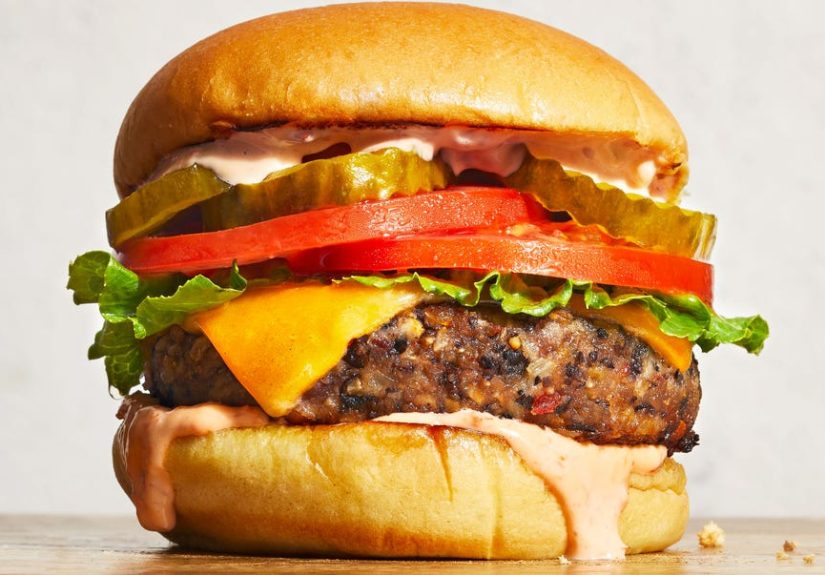
Black bean burgers have come a long way from the sad freezer-aisle puck that tasted like a bean had written a resignation letter. A truly great black bean burger should be hearty, smoky, tender in the middle, crisp around the edges, and sturdy enough to survive a bun, toppings, sauce, and one dramatic bite over the plate. In other words, it should behave like dinner, not like a side dish wearing a costume.
This best black bean burgers recipe is designed for real kitchens and real appetites. It uses canned black beans for convenience, simple pantry spices for flavor, and a few smart tricks to prevent the most common veggie burger tragedy: the dreaded mush collapse. The secret is not complicated. Dry the beans a little, cook off excess moisture from the vegetables, use the right binder, and form patties that are firm but not brick-like. That is it. No culinary degree. No mysterious powders. No emotional support spatula required.
Whether you are vegetarian, trying to eat more plant-based meals, cooking for Meatless Monday, or simply craving a budget-friendly burger that tastes fantastic, this homemade black bean burger recipe delivers. It is flexible, freezer-friendly, and endlessly customizable with cheese, avocado, chipotle mayo, salsa, pickled onions, or a classic lettuce-tomato-pickle stack.
Why This Is the Best Black Bean Burger Recipe
The best black bean burgers are not trying to impersonate beef. They are their own delicious thing: savory, lightly smoky, a little spicy, and packed with texture. Black beans bring earthy flavor and natural creaminess, while onions, garlic, spices, and breadcrumbs help the patties taste like a proper burger instead of mashed beans with ambition.
The key difference between an average black bean burger and an excellent one is moisture control. Canned black beans are convenient, but they hold a lot of liquid. If they go straight from the can into the mixing bowl, the patties can turn soft and pasty. Briefly baking or air-drying the beans helps concentrate their flavor and gives the burger a firmer, more satisfying bite.
This recipe also avoids over-processing. You want some beans mashed and some beans left partly whole. That mix creates texture, so every bite feels hearty instead of baby-food smooth. Think rustic and satisfying, not blender soup with a driver’s license.
Ingredients for Homemade Black Bean Burgers
Main Ingredients
- 2 cans black beans, drained, rinsed, and well dried
- 1 tablespoon olive oil, plus more for cooking
- 1/2 cup finely diced onion
- 1/2 cup finely diced bell pepper, red or green
- 2 cloves garlic, minced
- 1 large egg, lightly beaten
- 3/4 cup panko breadcrumbs, plus more if needed
- 1 tablespoon tomato paste or ketchup
- 1 teaspoon ground cumin
- 1 teaspoon smoked paprika
- 1/2 teaspoon chili powder
- 1/2 teaspoon kosher salt, plus more to taste
- 1/4 teaspoon black pepper
- 1 tablespoon chopped cilantro, optional
- 4 burger buns, toasted
Optional Toppings
- Cheddar, pepper jack, Swiss, or vegan cheese
- Lettuce, tomato, red onion, or pickles
- Avocado slices or guacamole
- Chipotle mayo, burger sauce, salsa, or barbecue sauce
- Pickled jalapeños for extra heat
How To Make Black Bean Burgers
Step 1: Dry the Black Beans
Preheat the oven to 350°F. Spread the drained and rinsed black beans on a parchment-lined baking sheet. Pat them dry with a clean towel, then bake for 10 to 15 minutes. They should look slightly dried on the outside, and a few skins may split. Do not roast them until crunchy; you are making burgers, not bean confetti.
This step helps prevent mushy patties. It also gives the beans a deeper, more concentrated flavor. If you are short on time, pat the beans very well with paper towels and let them sit uncovered for 10 minutes, but baking gives the most reliable texture.
Step 2: Sauté the Vegetables
While the beans are drying, heat 1 tablespoon olive oil in a skillet over medium heat. Add the diced onion and bell pepper. Cook for 5 to 7 minutes, stirring occasionally, until softened and most of the moisture has evaporated. Add garlic and cook for another 30 seconds, just until fragrant.
This matters because raw onion and pepper release water into the burger mixture. Cooking them first builds flavor and keeps the patties firm. It also removes the harsh raw bite from the onion and garlic, which is good news for everyone within conversation distance after dinner.
Step 3: Mash the Beans
Transfer the dried black beans to a large bowl. Mash about two-thirds of them with a fork or potato masher, leaving some beans partly whole. The mixture should look chunky and sticky, not completely smooth.
If you use a food processor, pulse gently. Do not let it run continuously, or the mixture can become too soft. Texture is the difference between a black bean burger and a black bean spread that lost its crackers.
Step 4: Mix the Burger Mixture
Add the cooked vegetables, egg, panko breadcrumbs, tomato paste, cumin, smoked paprika, chili powder, salt, pepper, and cilantro if using. Stir until everything is evenly combined. The mixture should hold together when pressed. If it feels wet, add 1 to 2 tablespoons more breadcrumbs. If it feels too dry, add a teaspoon of olive oil or a small spoonful of ketchup.
Step 5: Shape the Patties
Divide the mixture into 4 equal portions and shape into patties about 3/4 inch thick. Press the edges firmly so they do not crumble during cooking. For best results, place the patties on a plate and chill for 20 to 30 minutes before cooking. Chilling is optional, but it helps the burgers firm up and makes them easier to flip.
Step 6: Cook Until Crisp
Heat a thin layer of oil in a nonstick or cast-iron skillet over medium heat. Cook the patties for 4 to 5 minutes per side, until browned and crisp on the outside and warmed through in the center. If adding cheese, place it on top during the last minute and cover the pan briefly so it melts.
Serve the black bean burgers on toasted buns with your favorite toppings. A toasted bun is not optional if you want the full burger experience. It adds structure, flavor, and that tiny restaurant-style detail that makes homemade food feel special.
Can You Bake Black Bean Burgers?
Yes. To bake black bean burgers, place the patties on a parchment-lined baking sheet and brush both sides lightly with oil. Bake at 375°F for about 10 minutes per side, or until firm and lightly browned. Baked black bean burgers are a little less crispy than pan-fried ones, but they are convenient when cooking a larger batch.
Can You Grill Black Bean Burgers?
You can grill black bean burgers, but they need a little support. Chill the patties well, oil the grill grates, and cook over medium heat. For easier handling, place the patties on a grill-safe mat or a piece of lightly oiled foil with small holes poked through. Black bean burgers are more delicate than beef burgers, so flip gently and only once if possible.
How To Keep Black Bean Burgers From Falling Apart
The most common reason black bean burgers fall apart is too much moisture. Drain and dry the beans, cook the vegetables, and avoid adding watery ingredients directly into the mix. The second reason is not enough binder. Egg and breadcrumbs work together to hold the patties in shape. If you want a vegan black bean burger, replace the egg with a flax egg made from 1 tablespoon ground flaxseed mixed with 3 tablespoons water. Let it sit for 5 minutes before adding it to the bowl.
Another useful trick is chilling. A short rest in the refrigerator gives the breadcrumbs time to absorb moisture and helps the patties firm up. If the mixture still feels loose, add more breadcrumbs one tablespoon at a time. The texture should be moist but moldable, like a soft meatball mixture.
Flavor Variations
Southwest Black Bean Burgers
Add 1/2 cup corn, 1 minced jalapeño, and a squeeze of lime juice. Top with avocado, salsa, and pepper jack cheese.
Smoky Barbecue Black Bean Burgers
Replace the tomato paste with barbecue sauce and add a pinch of cayenne. Serve with coleslaw and pickles for a backyard-style burger that does not need a grill to feel summery.
Spicy Chipotle Black Bean Burgers
Add 1 chopped chipotle pepper in adobo sauce to the mixture. Top with chipotle mayo, lettuce, tomato, and a slice of sharp cheddar.
Mushroom Black Bean Burgers
Add 1 cup finely chopped mushrooms to the skillet with the onion and bell pepper. Cook until the mushrooms release their liquid and the pan looks mostly dry. Mushrooms bring savory depth and a “meaty” texture without making the burger heavy.
What To Serve With Black Bean Burgers
Black bean burgers go well with classic sides such as sweet potato fries, roasted potatoes, corn salad, coleslaw, pasta salad, or a crisp green salad. For a lighter meal, skip the bun and serve the patty over greens with avocado, salsa, and a lime-yogurt dressing. For a party, make smaller patties and serve them as sliders with pickles and spicy mayo.
If you want a complete vegetarian dinner, pair the burgers with grilled vegetables, baked fries, or a bean-and-corn salad. The flavors are flexible enough for casual weeknights, cookouts, lunch meal prep, and the kind of dinner where everyone builds their own burger and somehow uses every plate in the kitchen.
Storage, Freezing, and Meal Prep
Cooked black bean burgers can be stored in an airtight container in the refrigerator for up to 4 days. Reheat them in a skillet over medium heat for the best texture. The microwave works, but the outside will soften. If you like crispy edges, the skillet is worth washing afterward.
To freeze, place uncooked or cooked patties on a parchment-lined baking sheet and freeze until solid. Transfer them to a freezer bag with parchment between each patty. Freeze for up to 3 months. Cook frozen patties in a skillet over medium-low heat, adding a few extra minutes per side, or thaw overnight in the refrigerator before cooking.
Nutrition Benefits of Black Bean Burgers
Black bean burgers are a satisfying way to add more legumes to your meals. Black beans provide plant-based protein, fiber, iron, magnesium, and complex carbohydrates. Fiber helps make meals more filling, while the protein and starch in beans give these burgers staying power. Compared with many fast-food burgers, homemade black bean burgers can also be easier to customize for sodium, fat, and portion size.
Of course, toppings matter. A black bean patty under a mountain of cheese, mayo, and fried onions is still delicious, but it may not be the lightest option. For a balanced burger, try avocado, tomato, lettuce, pickled onions, mustard, salsa, or a yogurt-based sauce. The goal is flavor, not punishment. Healthy food should not taste like a spreadsheet.
Common Mistakes To Avoid
Using Wet Beans
Wet beans are the quickest path to a mushy burger. Drain, rinse, pat dry, and briefly bake them for best results.
Overmixing the Patty Mixture
Overmixing breaks the beans down too much and removes texture. Mix just until the ingredients hold together.
Skipping the Chill Time
You can cook the patties right away, but chilling makes them easier to handle. This is especially helpful if you plan to grill them.
Cooking Over Heat That Is Too High
Medium heat is ideal. If the heat is too high, the outside can burn before the center warms through. A steady sizzle is what you want, not a kitchen smoke alarm audition.
Best Black Bean Burgers Recipe Card
Prep Time
20 minutes
Cook Time
20 minutes
Total Time
40 minutes, plus optional chilling
Servings
4 burgers
Instructions Summary
- Drain, rinse, and dry the black beans.
- Bake beans at 350°F for 10 to 15 minutes.
- Sauté onion, bell pepper, and garlic until soft and dry.
- Mash beans, leaving some texture.
- Mix beans with vegetables, egg, breadcrumbs, tomato paste, and spices.
- Shape into 4 patties and chill if desired.
- Pan-fry for 4 to 5 minutes per side until crisp and hot.
- Serve on toasted buns with toppings.
Real Kitchen Experience: What Making Black Bean Burgers Teaches You
The first time you make black bean burgers, you may be tempted to treat the recipe like a casual mash-and-fry situation. Technically, that can work. Emotionally, it can also end with you staring at a skillet full of bean rubble and wondering whether dinner is now “deconstructed.” The biggest lesson is that black bean burgers reward patience. Not a lot of patience, just enough to dry the beans, cook the vegetables, and let the patties firm up before they hit the pan.
One of the best parts of this recipe is how forgiving it becomes once you understand the texture. The mixture should feel slightly sticky but not wet. When you press it into a patty, it should hold its shape without oozing. If it sticks heavily to your hands, add breadcrumbs. If it cracks around the edges, add a small spoonful of sauce or oil. After making the recipe a few times, you stop measuring every tiny adjustment and start cooking by feel, which is when homemade burgers become fun.
Another experience worth mentioning is the topping test. Black bean burgers love bold toppings. A plain patty on a plain bun is fine, but add creamy avocado, crunchy lettuce, juicy tomato, pickled onions, and a smoky sauce, and suddenly the burger tastes like something from a busy lunch spot with exposed brick and very confident iced tea. The patty has enough flavor to stand up to heat, acid, creaminess, and crunch, so do not be shy.
These burgers are also excellent for meal prep. Shape the patties on Sunday, refrigerate them, and cook them during the week when dinner needs to happen before your motivation disappears. They reheat well in a skillet and can become more than burgers. Crumble one over a salad, tuck it into a wrap, serve it with rice and salsa, or turn it into a breakfast plate with eggs and avocado. A good black bean patty is basically a meal-prep multitasker wearing a burger costume.
The final lesson is that homemade black bean burgers are not just “the vegetarian option.” They are a smart, inexpensive, flavorful meal that can please vegetarians, flexitarians, and curious burger fans alike. They do not need to taste like beef to be satisfying. They need texture, seasoning, a crisp crust, and toppings that make you excited to take the next bite. Once you get those details right, this recipe earns a regular spot in the dinner rotation.
Conclusion
The best black bean burgers are hearty, flavorful, and simple enough for a weeknight. The secret is building texture from the beginning: dry the beans, sauté the vegetables, mash with restraint, and use enough binder to keep everything together. From there, you can make the recipe your own with smoky spices, spicy sauces, melty cheese, avocado, salsa, or classic burger toppings.
This homemade black bean burger recipe proves that plant-based meals can be satisfying without being complicated. It is budget-friendly, freezer-friendly, and flexible enough for lunch, dinner, cookouts, and meal prep. Most importantly, it tastes good enough that nobody at the table has to ask, “Where’s the meat?” They will be too busy reaching for another napkin.






 Close
Close