Table of Contents >> Show >> Hide
- Why This Four-Cheese Mac and Cheese Works
- Ingredients for the Best Four-Cheese Mac and Cheese
- How to Make Four-Cheese Mac and Cheese (Step-by-Step)
- Troubleshooting: How to Avoid Common Mac and Cheese Problems
- Delicious Variations (Without Ruining the Base Recipe)
- What to Serve With Four-Cheese Mac and Cheese
- of Real-World Experience: My Four-Cheese Mac and Cheese Journey
- Conclusion
There are two kinds of homemade mac and cheese: the one people politely nibble, and the one that makes everyone “accidentally” take a third scoop.
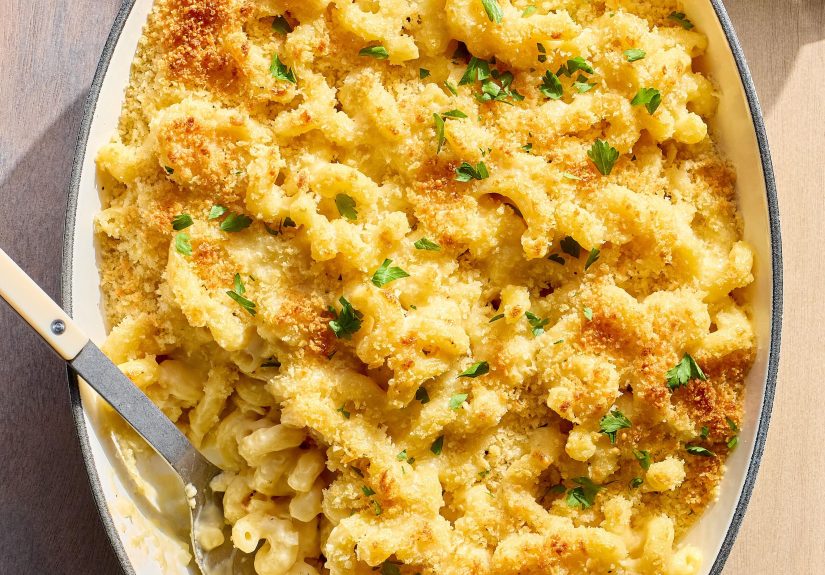
This is proudly the second kind. If your dream bowl is creamy, stretchy, deeply cheesy, and crowned with a golden, crackly top, welcome home.
This best four-cheese mac and cheese recipe is designed for real kitchens, real schedules, and very real cravings. It combines a silky stovetop cheese sauce with a quick bake for that irresistible crust.
The cheese blend is deliberate: sharp cheddar for classic flavor, Gruyère for nutty depth, fontina for meltability, and Parmesan for savory punch.
It’s cozy enough for a Tuesday night and impressive enough for holidays, potlucks, and “I need a win tonight” dinners.
You’ll also get a practical blueprint: exact steps, troubleshooting tips, make-ahead options, and smart variations. In other words, no mystery, no grainy cheese disasters, no sad dry casserole.
Just the kind of creamy baked mac and cheese that disappears faster than your best intentions to save leftovers.
Why This Four-Cheese Mac and Cheese Works
1) The cheese blend has jobs, not just vibes
Great mac isn’t about dumping every cheese in your fridge into a pot and hoping for romance. Different cheeses play different roles:
- Sharp cheddar: bold, classic mac-and-cheese flavor.
- Gruyère: nutty, slightly sweet depth and smooth melt.
- Fontina: excellent meltability and luscious stretch.
- Parmesan: umami, salt, and complexity that keeps the dish from tasting flat.
2) A balanced sauce base keeps it creamy
A butter-and-flour roux stabilizes the sauce, while milk provides body and richness. The key is patience: let the sauce thicken before cheese goes in, and add cheese over low heat.
High heat is the fastest route to oily, clumpy sauce, and nobody needs that kind of stress.
3) Two textures beat one
The interior stays silky and gooey, while the top gets crisp from buttery panko and a bit of Parmesan. That contrast is the difference between “good” and “Where has this been all my life?”
Ingredients for the Best Four-Cheese Mac and Cheese
Serves: 8 generous portions (or 6 if your family loves mac as much as mine)
Total time: About 50–60 minutes
Pasta
- 1 pound cavatappi or elbow macaroni
- Salt for pasta water
Cheese Sauce
- 6 tablespoons unsalted butter
- 1/3 cup all-purpose flour
- 3 cups whole milk, warmed
- 1 cup evaporated milk (optional but helpful for extra creamy stability)
- 1 teaspoon Dijon mustard
- 1/2 teaspoon garlic powder
- 1/4 teaspoon smoked paprika (optional)
- 1/4 teaspoon black pepper
- Pinch of cayenne (optional)
- 8 ounces sharp cheddar, freshly grated
- 6 ounces Gruyère, freshly grated
- 6 ounces fontina, freshly grated
- 3 ounces Parmesan, finely grated (plus extra for topping)
- Salt to taste
Crispy Topping
- 1 cup panko breadcrumbs
- 2 tablespoons melted butter
- 2 tablespoons grated Parmesan
- Optional: chopped parsley for serving
Ingredient Notes
- Freshly grate your cheese. Pre-shredded cheese often contains anti-caking agents that can make sauce less smooth.
- Undercook pasta slightly. It finishes in the oven, so aim for just shy of al dente.
- Warm the milk first. Warm dairy helps the roux thicken more smoothly and quickly.
How to Make Four-Cheese Mac and Cheese (Step-by-Step)
Step 1: Prep your oven, dish, and topping
Preheat oven to 375°F. Butter a 9×13-inch baking dish (or a 3-quart casserole).
In a small bowl, mix panko, melted butter, and Parmesan. Set aside.
Step 2: Boil pasta the smart way
Bring a large pot of salted water to a rolling boil. Cook pasta until 1–2 minutes under al dente according to package directions.
Drain well. Don’t overcook herethe oven will finish the job.
Step 3: Build the roux
In a large heavy saucepan or Dutch oven, melt 6 tablespoons butter over medium heat.
Whisk in flour and cook for about 1–2 minutes, whisking constantly, until it smells lightly nutty (not browned).
Step 4: Make the béchamel base
Slowly pour in warmed whole milk, whisking continuously to prevent lumps. Add evaporated milk if using.
Keep whisking until smooth. Simmer gently for 3–5 minutes until thick enough to lightly coat the back of a spoon.
Step 5: Season the sauce
Stir in Dijon, garlic powder, black pepper, paprika, cayenne (if using), and a small pinch of salt.
Taste later before adding more saltcheese contributes plenty.
Step 6: Melt in the cheeses gently
Lower heat to low. Add cheeses in handfuls: cheddar, Gruyère, fontina, then Parmesan, stirring until each addition melts before adding the next.
This is where patience pays rent. Do not boil once cheese is in.
Step 7: Combine pasta and sauce
Fold drained pasta into the cheese sauce until every piece is coated.
If the mixture looks too thick, add a splash of warm milk. It should look creamy and slightly looseit thickens during baking.
Step 8: Bake until bubbling and golden
Transfer to the prepared dish. Scatter the panko topping evenly.
Bake 20–25 minutes, until bubbly around the edges and golden on top.
For extra color, broil 1–2 minutes at the end (watch closelybreadcrumbs go from golden to “oops” quickly).
Step 9: Let it rest, then serve
Rest for 8–10 minutes before serving. This helps the sauce settle so you get creamy scoops instead of cheese lava.
Troubleshooting: How to Avoid Common Mac and Cheese Problems
“My sauce turned grainy.”
Likely cause: heat too high or cheese added too fast. Keep heat low and add cheese gradually.
If it’s already grainy, whisk in a splash of warm milk over very low heat to recover texture.
“It came out dry.”
Usually from overbaking or overcooked pasta. Next round, undercook pasta a bit more and pull the casserole as soon as it bubbles around the edges.
“It tastes bland.”
Cheese needs seasoning support. Add a little mustard, black pepper, and enough salt.
A pinch of cayenne or a dash of hot sauce wakes up flavor without making it spicy.
“The top got oily.”
This can happen when the sauce separates. Use lower heat during cheese melting, and avoid pre-shredded cheese when possible.
Delicious Variations (Without Ruining the Base Recipe)
Smoky Jalapeño Mac
Add 1–2 diced jalapeños and 1/2 teaspoon smoked paprika to the sauce. Finish with crisp bacon if you like.
Garlic Herb Upgrade
Sauté 2 cloves minced garlic in butter before adding flour.
Fold in chopped chives or parsley just before baking.
Tomato-Twist Comfort Mac
Stir in 1 tablespoon tomato paste for subtle sweetness and depth.
It won’t taste like tomato pastajust a richer background note.
Ultra-Crusty Party Version
Double the topping and add a teaspoon of olive oil to the panko mix for extra crunch and even browning.
What to Serve With Four-Cheese Mac and Cheese
- Simple green salad with lemon vinaigrette (fresh contrast)
- Roasted broccoli or Brussels sprouts (texture + balance)
- BBQ chicken, brisket, or roasted turkey (if serving as a side)
- Tomato soup (cozy combo for colder nights)
Storage and Reheating
Cool leftovers, then store in an airtight container in the refrigerator. Reheat portions gently with a splash of milk to restore creaminess.
For best quality, avoid repeated long reheats.
of Real-World Experience: My Four-Cheese Mac and Cheese Journey
The first time I made a true four-cheese mac and cheese, I thought I was being “efficient.”
I used one tiny saucepan, dumped in cold milk straight from the fridge, added all the cheese at once, and cranked the heat because dinner guests were “five minutes away” (they were not).
The result was a sauce with the personality of scrambled eggs and the texture of warm gravel. It was edible, yes.
Memorable, also yes. For all the wrong reasons.
The next weekend I gave it another shot and treated it like a little kitchen experiment.
I grated the cheese myself, warmed the milk, and kept the heat low once cheese entered the chat.
That one changelow heat and patiencewas the big unlock. The sauce went from stubborn and clumpy to glossy and smooth.
I remember standing over the pot with a wooden spoon, shocked that it actually looked like the kind of sauce you see in food magazines instead of a cautionary tale.
Then came the “crowd test”: a family gathering where everyone has very strong opinions about mac and cheese.
One cousin wants it extra sharp, another wants it mild and stretchy, one aunt judges the topping like she’s on a cooking competition show, and the kids demand “the orange one.”
I brought this four-cheese version in a big casserole dish, fully expecting debate. Instead: silence, then second helpings.
The crispy top won over the crust-lovers, while the center stayed creamy enough for the spoon-draggers who like that cheesy pull.
Over time, I learned small decisions matter more than fancy techniques.
Slightly undercooking pasta keeps it from turning mushy in the oven. Letting the baked dish rest for ten minutes makes serving cleaner and creamier.
Seasoning with a little mustard and black pepper gives the cheese flavor actual shape.
And yes, freshly grated cheese really does melt better than the bagged kind most of the time. None of these steps is dramatic on its own, but together they change everything.
My favorite memory with this recipe happened on a rainy Sunday when I made a double batchone for dinner, one for a friend who had a new baby.
I dropped off the second pan with reheating instructions taped to the lid.
A few days later I got a message: “This is the first hot meal we’ve had that felt like a hug.”
That’s when it hit me that mac and cheese isn’t just comfort food; it’s comfort logistics. It freezes fairly well, reheats kindly, and feeds people who don’t have the bandwidth to cook.
Now this recipe is my dependable “show up and win” dish. Potluck? Bring mac. Holiday side? Bring mac.
Friend moving apartments and surviving on granola bars? Bring mac.
I still tweak small details depending on the occasionextra Gruyère for a dinner party, extra cheddar for kid-heavy tables, jalapeños when I’m feeling feistybut the core method stays the same.
Low heat, layered flavor, crisp top, creamy center. Every time I pull it from the oven and hear that gentle bubbling around the edges, I know dinner is going to be good.
Conclusion
If you want a best four-cheese mac and cheese recipe you can trust, this is the one to bookmark.
It balances flavor, texture, and practicality: rich but not heavy, cheesy but not one-note, and crispy on top without sacrificing creaminess underneath.
Whether you’re feeding family on a weeknight or showing off at a holiday table, this baked mac and cheese delivers every time.
Print it, save it, make it onceand then prepare to be permanently assigned “mac and cheese duty” for every gathering.
Honestly, that’s a pretty great problem to have.