Table of Contents >> Show >> Hide
- Why Gingery Spring Soup Just Works
- What Makes This the “Best” Version
- Ingredients for Gingery Spring Soup
- How to Make Gingery Spring Soup (Step-by-Step)
- Pro Tips for the Best Gingery Spring Soup
- Easy Variations (Because Spring Is Chaotic)
- Optional “Sauté-First” Method (More Depth, Still Quick)
- Make-Ahead, Storage, and Reheating
- Common Mistakes (And How to Avoid Them)
- of Spring Soup Experiences (The Kind You’ll Actually Recognize)
- Conclusion
- SEO Tags
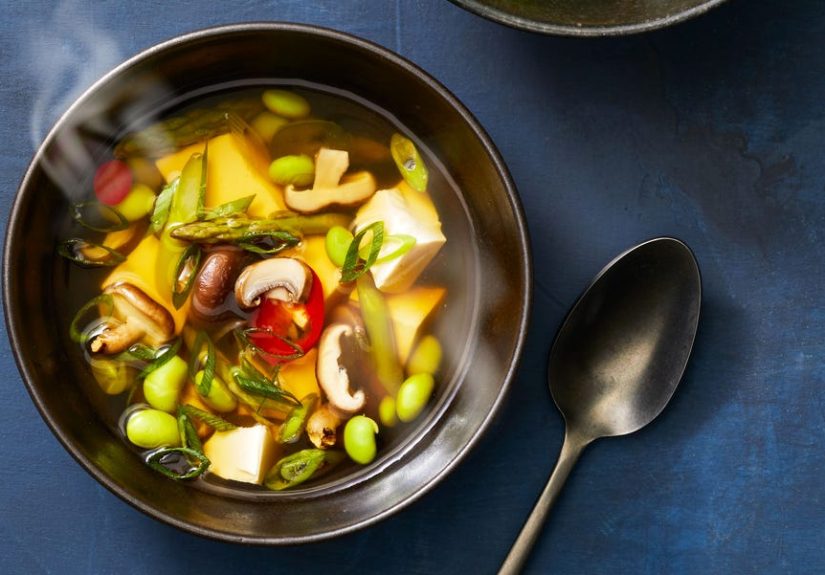
Spring is the season where your taste buds wake up, stretch, and demand something bright, light, and not remotely interested in heavy winter stew vibes. Enter gingery spring soup: a brothy, veggie-packed bowl that tastes like a farmer’s market wearing sneakers. It’s quick, flexible, and powered by gingerthe ingredient that shows up, clears its throat, and politely takes over the entire room (in a good way).
In this guide, you’ll learn exactly how to make gingery spring soup that’s crisp-tender, deeply savory, and fresh enough to convince you to open your windows even if the pollen index is out here auditioning for a villain role.
Why Gingery Spring Soup Just Works
The best spring soups do two things at once: they comfort you and still taste “alive.” Ginger helps with that. Its gentle heat makes a light broth feel satisfying, while spring vegetables keep everything bright and green-forward. Add mushrooms for savory depth, edamame or tofu for body, and scallions for that clean, oniony popand you’ve got a bowl that’s basically a reset button.
What Makes This the “Best” Version
- A fast, infused broth: Ginger and scallions steep just long enough to flavor the soup without turning it bitter or muddy.
- Peak-season texture: Asparagus, mushrooms, and other spring veg get a quick simmer so they stay crisp-tender and vibrant.
- Umami layering: Bouillon/stock + mushrooms + a touch of soy (and optional miso) makes the broth taste like you tried harder than you did.
- Smart finishing: A little acid (rice vinegar or lime) and a few drops of toasted sesame oil make flavors “snap” into focus.
Ingredients for Gingery Spring Soup
This recipe leans plant-forward, but it’s easy to adapt for chicken, shrimp, noodles, or whatever you’ve got. Measurements below make about 4 generous bowls.
Broth Base
- 7 cups water (or use 4 cups stock + 3 cups water for a richer broth)
- 1 1/2 tablespoons vegetable bouillon base (or bouillon cubes/powder to equal ~7 cups broth)
- 3 scallions, thinly sliced (separate whites/light greens from dark greens)
- 1-inch piece fresh ginger, peeled and thinly sliced (or 1–2 tablespoons grated for a punchier broth)
- 1/2 jalapeño, thinly sliced (optional, but delightful)
- 1–2 tablespoons soy sauce (optional, to deepen savoriness)
- 1–2 teaspoons white miso (optional, for extra umamistir in at the end)
Spring Add-Ins
- 8 oz asparagus, cut into 1-inch pieces
- 8 oz cremini mushrooms, thinly sliced
- 4 oz baby shiitake mushrooms, halved (or sliced if large)
- 4 oz shelled edamame, thawed (or frozenjust add a minute)
- 12 oz silken tofu (or extra-firm tofu, cubed), gently broken into pieces
Finishing Touches (Choose Your Adventure)
- Dark green scallion tops
- Chopped cilantro or mint
- Chili crisp or a drizzle of chili oil
- Rice vinegar or lime juice
- Toasted sesame oil (a few drops goes a long way)
- Cooked noodles (brown rice ramen, soba, udon) or cooked rice
- Soft-boiled egg halves (not vegan, extremely satisfying)
How to Make Gingery Spring Soup (Step-by-Step)
The whole point here is speed and freshness. This soup is happiest when it’s quick, steamy, and still wearing its bright green outfit.
- Build the broth. In a large pot, whisk 1 cup water with the bouillon base until dissolved. Add the remaining 6 cups water (or stock/water mix), then stir in the scallion whites/light greens, ginger, and jalapeño. Bring to a gentle simmer over medium-high heat.
- Season like a grown-up. Taste the broth. If you want it deeper, add 1 tablespoon soy sauce. If you want it brighter, plan for rice vinegar or lime at the end. (Don’t add acid nowsave it for the finale so the soup stays fresh-tasting.)
- Cook spring veggies briefly. Add asparagus, mushrooms, and edamame. Simmer just until the asparagus turns bright green and barely tender, about 3–4 minutes. This is not the time for “let’s see what happens if we simmer for 20 minutes.” (Spoiler: sadness happens.)
- Add tofu gently. Put tofu pieces into serving bowls (this helps keep it intact), then ladle hot soup and vegetables over the top. If you prefer tofu in the pot, lower the heat and slide it in gently for 30–60 secondsno aggressive boiling.
- Finish and serve. Top with dark green scallions, herbs, and your favorite extras: a drizzle of toasted sesame oil, a spoon of chili crisp, and a splash of rice vinegar or lime. Serve immediately.
Pro Tips for the Best Gingery Spring Soup
1) Slice ginger for a clean infusion, grate for a bold punch
Thin slices create a clear, smooth ginger aroma that tastes “restaurant-y.” Grated ginger is louder, spicier, and more assertive. Both are greatjust know grated ginger can dominate fast. If you grate, start with 1 tablespoon, then adjust after tasting.
2) Keep the simmer gentle
A rolling boil makes tofu break apart and can push delicate spring vegetables into mush territory. Gentle simmer = bright greens + happy texture.
3) Mushrooms are your umami cheat code
Cremini and shiitake bring savory depth that makes a water-based broth taste like it had a whole plan. If you only have one kind, use what you’ve got. Even sliced button mushrooms help.
4) Finish with acid (seriously)
That tiny splash of rice vinegar or squeeze of lime is the difference between “nice soup” and “wait…why is this so good?” Acid lifts ginger, wakes up mushrooms, and makes the broth taste brighter without adding more salt.
Easy Variations (Because Spring Is Chaotic)
Make it a full meal with noodles
Add cooked brown rice ramen, soba, or udon to each bowl, then ladle soup on top. Cooking noodles separately keeps them from soaking up all your broth and turning the pot into a noodle sponge situation.
Add chicken (fast option)
Stir in shredded rotisserie chicken right before serving so it warms through without overcooking. Chicken + ginger + scallions is a classic combo that tastes comforting but still light.
Do an egg-drop “silk” finish
Beat 1–2 eggs. Reduce the soup to a low simmer, then slowly drizzle in the egg while stirring gently in one direction. You’ll get tender ribbons that make the broth feel richer without adding cream.
Go miso-forward
Stir 1–2 teaspoons miso into a small bowl with hot broth, then pour it back into the pot after turning off the heat. This adds a round, savory sweetness that pairs beautifully with ginger and spring veg.
Swap your spring vegetables
- Snap peas or sugar snaps: add in the last 2 minutes
- Baby spinach: stir in off heat
- Bok choy: simmer 2–3 minutes until just tender
- Leeks: sauté first for a sweeter base (see “Sauté-first” method below)
Optional “Sauté-First” Method (More Depth, Still Quick)
If you’ve got 5 extra minutes and want a deeper broth, start like this:
- Heat 1–2 tablespoons neutral oil in the pot.
- Sauté scallion whites and mushrooms for ~5 minutes until mushrooms brown slightly.
- Add garlic (optional) and ginger, stir 1–2 minutes until fragrant.
- Add broth/water, then proceed with the quick-cook spring vegetables.
This approach intensifies the savory base without turning the soup heavy.
Make-Ahead, Storage, and Reheating
- Make-ahead broth: Infuse broth with ginger/scallion, cool, and refrigerate up to 3 days.
- Store smart: Keep noodles separate so they don’t absorb the broth and get overly soft.
- Reheat gently: Bring to a simmer, then add tender greens at the end so they stay bright.
Common Mistakes (And How to Avoid Them)
- Overcooking asparagus: Add it late and cook only 3–4 minutes for crisp-tender spears.
- Too much ginger too soon: Start moderate; you can always add more (or serve with grated ginger on top).
- Skipping the finish: A little acid + sesame oil makes flavors pop. Don’t ghost the final step.
- Salty broth surprise: If using bouillon and soy, taste before adding extra salt. Balance with water or more vegetables.
of Spring Soup Experiences (The Kind You’ll Actually Recognize)
Here’s the thing about gingery spring soup: it tends to become your “accidental tradition.” You make it once because asparagus was on sale, and suddenly it’s the dish you crave every time the weather can’t decide whether it’s hoodie season or short-sleeve season.
A very common first-timer moment: you slice the ginger, toss it in, and think, “That’s not enough.” Five minutes later, you taste the broth and realize ginger is not a shy ingredientit’s the friend who shows up early, rearranges the playlist, and somehow you’re grateful. If you ever overshoot and the broth feels too spicy, you’ll learn the classic fixes: add a bit more water/stock, toss in extra mushrooms, or finish with a squeeze of lime. Acid doesn’t just brightenit also makes the ginger feel cleaner and more balanced.
Then there’s the spring-vegetable timing dance. You’ll bring the pot to a simmer, add asparagus, and tell yourself you’ll watch it closely. Next thing you know you’re responding to a text, your dog is performing an interpretive dance for snacks, and the asparagus is…fine. Probably fine. This is why the best home-cook trick is to set a timer for 3 minutes. When it goes off, you check a piece. If it’s bright green and barely tender, you’re done. Your soup should taste like spring, not like the memory of spring.
If you’re adding tofu, you’ll discover two equally valid camps: the “tofu goes in the bowl first” people (neat, photogenic, minimal tofu breakup) and the “everything goes in the pot because I live here” people (efficient, cozy, slightly chaotic). Both methods work. The only real rule is: don’t boil the tofu like it owes you money. Gentle heat keeps it silky and pleasant instead of shredded and weird.
Eventually you’ll start customizing like you’ve been hired as the soup’s personal stylist. Some nights you’ll drop in noodles and call it dinner. Some nights you’ll add shredded chicken and pretend you meal-prepped on purpose. You’ll try chili crisp and feel like a genius. You’ll add a soft-boiled egg and suddenly the soup becomes “luxury.” You might even do a miso swirl at the end and wonder why you ever bought bland broth in the first place.
And yesthis soup has a personality. It’s the bowl you make when you want something light but not sad, when you want “healthy” without tasting like you’re being punished, and when you want a recipe that forgives you for not having every ingredient perfectly measured. Spring is messy; this soup is flexible. That’s the romance.
Conclusion
The best gingery spring soup is fast, bright, and layered with simple flavor-building moves: infuse the broth with ginger and scallions, cook spring vegetables briefly, add tofu or protein, and finish with acid plus a hint of sesame. Once you’ve made it once, you’ll start riffing endlesslyand somehow it will still taste like spring every time.