Table of Contents >> Show >> Hide
- What Is White Bean Cassoulet with Pork and Lentils?
- Why This Is the Best White Bean Cassoulet with Pork and Lentils Recipe
- Ingredients for White Bean Cassoulet with Pork and Lentils
- How to Make White Bean Cassoulet with Pork and Lentils
- Tips for the Best White Bean Cassoulet with Pork and Lentils
- Easy Variations
- What to Serve with White Bean Cassoulet
- How to Store and Reheat
- Common Questions
- The Experience of Making and Eating This Cassoulet
- Final Thoughts
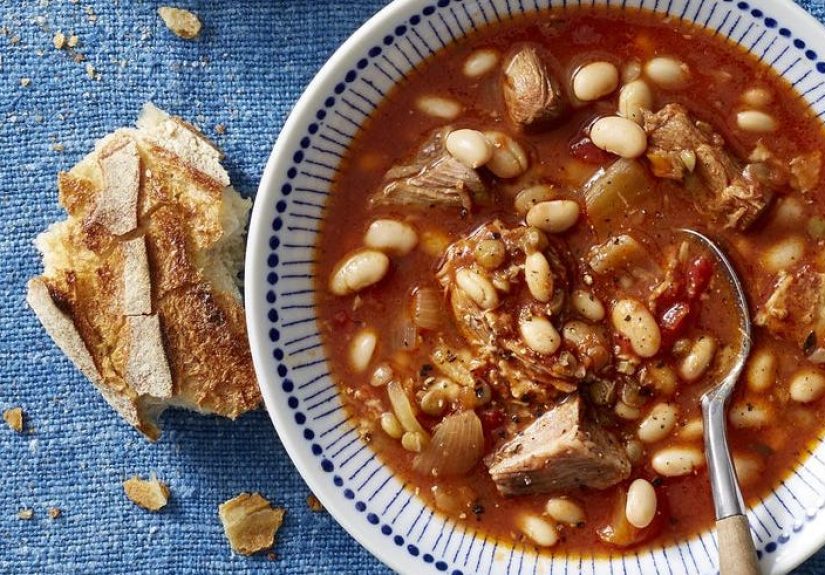
If your dream dinner is something cozy, deeply savory, and just rustic enough to make you feel like you should own a wooden spoon named Henri, this white bean cassoulet with pork and lentils recipe is calling your name. It borrows the soul of traditional French cassoulet, then politely skips the part where you disappear into the kitchen for three days and emerge looking like a medieval stew wizard. The result is rich, hearty, and wonderfully practical: tender white beans, earthy lentils, juicy pork, browned sausage, smoky bacon, aromatics, herbs, broth, wine, and a golden breadcrumb topping that makes the whole thing feel gloriously dinner-party worthy.
This version is designed for American home cooks who want the best flavor without a culinary hostage situation. You still get the layered, slow-cooked comfort that makes cassoulet legendary, but the ingredients are easier to find and the method is much more forgiving. In other words, this is a cassoulet you can actually make without needing a farm, a duck confit hookup, or a strong emotional support system.
What Is White Bean Cassoulet with Pork and Lentils?
Cassoulet is a slow-cooked bean-and-meat dish from southwestern France, traditionally built with white beans and a mix of rich meats. In classic versions, that can mean duck confit, pork, sausage, ham hocks, and a crust that forms as the dish bakes low and slow. This white bean cassoulet with pork and lentils keeps the spirit of that old-world comfort but simplifies it for a modern kitchen.
Here, white beans bring creaminess, lentils add an earthy backbone and hold their shape beautifully, and pork shoulder gives the dish its meaty depth. Sausage and bacon bring smoke and savoriness, while onion, carrot, celery, garlic, thyme, tomato paste, and wine round out the broth. Then comes the breadcrumb topping, because life is short and textures matter.
Why This Is the Best White Bean Cassoulet with Pork and Lentils Recipe
What makes this the best cassoulet-style recipe for a busy home kitchen? Balance. Traditional cassoulet can be a labor of love, but this version keeps the flavor-building habits that matter most. You brown the meats first. You cook the aromatics in the rendered fat. You give the tomato paste time to deepen. You let the beans and pork slowly mingle in a brothy, herby environment. Then you finish with crisp breadcrumbs so every spoonful has creamy, tender, crunchy, smoky, and rich all at once.
The lentils also earn their place here. They are not filler. They add structure, nuttiness, and a slightly peppery note that keeps the dish from feeling too heavy. French green lentils or black beluga lentils are especially good because they stay intact instead of collapsing into mush. That means your finished cassoulet has body without turning into bean wallpaper paste.
Ingredients for White Bean Cassoulet with Pork and Lentils
Main Ingredients
- 1 pound dried Great Northern or cannellini beans, soaked overnight and drained
- 3/4 cup French green lentils, rinsed
- 1 1/2 pounds pork shoulder, cut into 1 1/2-inch cubes
- 8 ounces thick-cut bacon, chopped
- 12 ounces garlic sausage or smoked pork sausage, sliced into thick coins
- 1 large yellow onion, diced
- 2 carrots, diced
- 2 celery stalks, diced
- 6 garlic cloves, minced
- 2 tablespoons tomato paste
- 3/4 cup dry white wine
- 5 to 6 cups low-sodium chicken stock
- 2 bay leaves
- 1 tablespoon fresh thyme leaves, plus extra for garnish
- 1 teaspoon chopped rosemary
- 1/2 teaspoon black pepper
- Salt to taste
For the Topping
- 1 1/2 cups coarse fresh breadcrumbs or panko
- 2 tablespoons olive oil
- 2 tablespoons chopped parsley
- 1 small garlic clove, finely minced
Optional but Excellent
- 1 tablespoon Dijon mustard for extra backbone
- A pinch of allspice or cloves for a more old-school cassoulet vibe
- A splash of lemon juice at the end to brighten the richness
How to Make White Bean Cassoulet with Pork and Lentils
1. Soak the beans
Soak the white beans overnight in plenty of cold water. If you forgot, because you are human and not a bean clairvoyant, use a quick-soak method: boil them for 2 minutes, cover, let them sit for 1 hour, then drain. Lentils do not need soaking, which is one of the reasons they are such overachievers.
2. Brown the bacon, pork, and sausage
Heat a large Dutch oven over medium heat. Cook the bacon until it renders its fat and starts getting crisp. Scoop it out and set it aside. Season the pork shoulder lightly with salt and pepper, then brown it in batches in the bacon fat. Don’t crowd the pot. You want color, not steam and regret. Remove the pork, then brown the sausage slices until they pick up caramelized edges.
3. Build the flavor base
In the same pot, add the onion, carrots, and celery. Cook until softened, about 5 to 7 minutes. Stir in the garlic and cook for 30 seconds. Add the tomato paste and cook until it darkens slightly and smells sweet and savory instead of raw and shouty. Pour in the white wine and scrape up every browned bit from the bottom. That sticky fond is flavor gold.
4. Simmer the beans and pork
Return the bacon, pork, and sausage to the pot. Add the soaked beans, bay leaves, thyme, rosemary, pepper, and 5 cups of stock. Bring everything to a gentle simmer, then lower the heat, partially cover, and cook for about 45 minutes.
5. Add the lentils
Stir in the lentils after the beans have had a head start. This is the trick that keeps both legumes happy. If you add lentils too early, they can overcook before the beans are tender. Continue simmering for another 35 to 45 minutes, or until the pork is tender, the beans are creamy, and the lentils are cooked through but still defined. Add a splash more stock if things look dry.
6. Adjust the texture
For an even silkier broth, scoop out about 1 cup of beans and a little liquid, mash them, and stir them back into the pot. This creates that luxurious spoon-coating texture without adding cream, flour, or any weird shortcut that would make a French grandmother narrow her eyes at you.
7. Add the topping and bake
Heat the oven to 400 degrees Fahrenheit. In a small bowl, toss the breadcrumbs with olive oil, parsley, and garlic. Sprinkle them over the cassoulet. Bake uncovered for 20 to 25 minutes, until the top is golden brown and the edges are bubbling. If you want more color, broil for 1 to 2 minutes, but stand there like a responsible adult because breadcrumbs go from golden to “why does my kitchen smell like campfire?” very fast.
8. Rest and serve
Let the cassoulet rest for 10 to 15 minutes before serving. This gives the broth a chance to settle and makes the whole thing taste even richer. Top with fresh thyme or parsley and serve with a crisp green salad or crusty bread.
Tips for the Best White Bean Cassoulet with Pork and Lentils
- Use pork shoulder, not lean pork loin. Shoulder gets tender and flavorful during a long simmer. Loin tends to dry out and become the culinary equivalent of chewing on a disappointed thought.
- Choose the right lentils. French green lentils or black beluga lentils hold their shape best. Red lentils are wonderful in many things, but here they would vanish into the broth like a magic trick no one asked for.
- Don’t over-salt early. Bacon, sausage, and stock all bring salt. Wait until the end to make final adjustments.
- Keep the dish loose before baking. Cassoulet thickens as it bakes and rests. The mixture should look slightly brothy before it goes into the oven.
- Brown patiently. The deep savory flavor comes from caramelization, not rushing. A few extra minutes at the stovetop make the final dish dramatically better.
Easy Variations
Weeknight Shortcut
Use 3 cans of drained white beans instead of dried beans. Reduce the stovetop simmer to about 30 minutes total and add the lentils only if they were separately cooked. It will not be identical to the slow-simmered version, but it will still be deeply satisfying.
More Rustic Version
Add a ham hock or a bit of salt pork to the simmering broth. This brings extra body and old-school depth.
Greens Upgrade
Stir in chopped kale or Swiss chard in the last 10 minutes. The dish stays hearty, but suddenly your dinner feels like it has life goals.
What to Serve with White Bean Cassoulet
This pork and lentils cassoulet recipe is a full meal, but a few smart sides make it even better. A sharp salad with mustard vinaigrette cuts through the richness beautifully. Crusty bread is classic for soaking up the broth. Roasted green beans or simple sautéed greens also work if you want a plate that feels a little less gloriously beige.
How to Store and Reheat
This dish keeps very well, and some people would argue it tastes even better the next day. They are not wrong. Store leftovers in an airtight container in the refrigerator for up to 4 days. Reheat gently on the stovetop with a splash of broth or water to loosen the texture. You can also refrigerate the unbaked cassoulet, then add fresh breadcrumbs and bake when ready to serve.
It freezes well too. Freeze the stew without the breadcrumb topping for up to 2 months. Thaw overnight in the fridge, reheat, then top with fresh crumbs and bake so you still get that crunchy finish.
Common Questions
Can I use canned beans?
Yes. Canned beans make the recipe faster and easier. Dried beans give the best texture and absorb flavor more deeply, but canned beans are still a solid option for a streamlined cassoulet.
Why add lentils to cassoulet?
Lentils add earthy flavor, more fiber, and a pleasing texture contrast. They also make the dish feel extra hearty without needing more meat. In this recipe, they turn a classic-style cassoulet into something a little more practical and a lot more weeknight-friendly.
Can I make this without wine?
Absolutely. Replace the wine with extra stock plus 1 tablespoon of cider vinegar or lemon juice added near the end. You still want a little acidity to brighten the richness.
The Experience of Making and Eating This Cassoulet
There is a specific kind of joy that comes from making a pot of white bean cassoulet with pork and lentils, and it starts long before dinner. It begins when the bacon hits the Dutch oven and everything suddenly smells like you have your life together, even if your sink says otherwise. Then the pork goes in, browns at the edges, and the sausage follows with that smoky, garlicky aroma that makes people wander into the kitchen asking, “What are you making?” in the hopeful tone usually reserved for birthdays and snow days.
As the onion, carrot, and celery soften in the pot, the whole kitchen starts to smell warm and settled. It is not a flashy recipe. It does not hiss and sparkle like a stir-fry or arrive with dramatic flames. Instead, it slowly builds confidence. Every step makes the next step smell better. By the time the wine hits the pot and lifts the browned bits from the bottom, you know you are no longer making “some bean thing.” You are making dinner with a point of view.
The best part is that cassoulet rewards patience without demanding perfection. You do not need knife skills worthy of a television finale. You do not need to shape anything, flip anything delicate, or worry about a sauce breaking because you blinked at the wrong time. This dish is more generous than that. It lets you stir, simmer, taste, adjust, and relax into the process. It is one of those recipes that makes even an ordinary Tuesday feel a little more ceremonial.
Then there is the oven moment. The breadcrumbs go on top looking humble, almost suspiciously simple, and twenty minutes later they emerge golden and crisp, as if they have been working behind the scenes the whole time, waiting for their big debut. When you break through that topping with a spoon, the contrast is wonderful: crunchy top, creamy beans, tender lentils, soft vegetables, and chunks of pork that have surrendered completely to the broth. It is hearty, but not heavy in a clumsy way. It is rich, but layered. Every bite tastes like effort paid off.
At the table, this is the kind of meal that changes the pace of the room. People stop nibbling and start actually eating. Conversation gets quieter for a minute, which is always a good sign. Someone reaches for bread. Someone else says the word “cozy” without irony. You may even get the sacred compliment reserved for serious comfort food: “This tastes even better than it smells.” That is a high bar, because it smells amazing.
And the leftovers? Honestly, that is part of the experience too. The next day, the flavors deepen, the broth thickens a little more, and the whole dish tastes even more complete. Reheated for lunch, it feels like an act of self-respect. Reheated for dinner, it feels like winning twice with one pot. A good cassoulet does that. It feeds people well the first time, then quietly becomes even better after a night in the fridge, like it spent the evening thinking things over and came back with improved material.
So yes, white bean cassoulet with pork and lentils is a recipe. But it is also a mood, a cold-weather strategy, and a deeply convincing argument for keeping beans, stock, and breadcrumbs in the house at all times.
Final Thoughts
If you want a comfort food dinner that feels classic, substantial, and a little bit impressive without being wildly difficult, this is the one. This best white bean cassoulet with pork and lentils recipe gives you creamy beans, earthy lentils, tender pork, savory sausage, a rich broth, and a crisp topping in one magnificent pot. It is ideal for weekends, dinner parties, chilly nights, and any moment when soup feels too thin but roast feels too serious.
Make it once, and you will understand why cassoulet has such a devoted following. Make it twice, and you will start inventing reasons to buy more beans.