
Table of Contents >> Show >> Hide
- What Is Blackened Salmon?
- Why Blackened Salmon Works So Well
- Best Salmon for Blackening
- Homemade Blackened Seasoning
- How to Make Blackened Salmon
- Common Mistakes to Avoid
- What to Serve With Blackened Salmon
- Blackened Salmon Sauce Ideas
- Is Blackened Salmon Healthy?
- How to Store and Reheat Blackened Salmon
- Easy Blackened Salmon Variations
- Personal Cooking Experience: Lessons From the Skillet
- Conclusion
Blackened salmon is what happens when a humble fish fillet puts on a smoky spice jacket, jumps into a hot skillet, and comes out looking like it just headlined a jazz festival in New Orleans. It is bold, fast, deeply flavorful, and dramatic enough to make a weeknight dinner feel like a restaurant order without requiring reservations, valet parking, or a tiny sprig of parsley placed with tweezers.
At its best, blackened salmon has a dark, savory crust on the outside and tender, juicy flakes inside. The “blackened” part does not mean burned. It means a spice blendusually paprika, garlic powder, onion powder, cayenne, oregano, thyme, black pepper, and saltgets toasted in a hot pan until it forms a deeply colored crust. Think smoky, peppery, buttery, and slightly spicy, not “someone forgot dinner existed.”
This guide covers how to make blackened salmon at home, what seasonings work best, how to avoid dry fish, what to serve with it, and how to turn leftovers into lunches that do not taste like punishment. We will also talk about real cooking experience, because salmon is simple, but it has opinions.
What Is Blackened Salmon?
Blackened salmon is a Cajun- and Creole-inspired preparation in which salmon fillets are coated with a bold spice mix and seared in a hot skillet. The heat toasts the seasoning and creates a dark crust that tastes smoky, earthy, garlicky, and slightly spicy. It is especially popular because salmon is naturally rich and fatty, so it can handle aggressive seasoning without disappearing behind the spices.
The technique is often associated with blackened fish from Louisiana-style cooking. Traditionally, blackening uses a very hot pan, a generous amount of seasoning, and enough fat to help the crust bloom. Modern home versions may use cast iron, stainless steel, or nonstick pans. Cast iron is popular because it holds heat well and helps build that signature crust.
Why Blackened Salmon Works So Well
Salmon is naturally rich, tender, and slightly sweet. That makes it an ideal match for smoky paprika, cayenne, black pepper, dried herbs, and garlic. The spices bring the drama; the salmon brings the silkiness. Together, they create balance.
Another reason blackened salmon is so practical is speed. A typical fillet cooks in about 8 to 12 minutes depending on thickness. That means you can go from “What are we eating?” to “Why does this taste expensive?” in less time than it takes to scroll through delivery apps and emotionally recover from the service fee.
Best Salmon for Blackening
You can make blackened salmon with fresh or frozen salmon. Both work well as long as the fish is properly thawed and patted dry. Moisture is the enemy of browning. If the surface is wet, the salmon steams before it sears, and the crust becomes shy. Nobody invited shy crust.
Fresh Salmon
Fresh salmon should smell clean and mild, not sour or overly fishy. The flesh should look moist, firm, and vibrant. Center-cut fillets are easiest to cook evenly because they have a more consistent thickness.
Frozen Salmon
Frozen salmon can be excellent, especially if it was frozen soon after harvest. Thaw it overnight in the refrigerator, then pat it very dry before seasoning. Do not blacken icy salmon unless your goal is emotional uncertainty and uneven cooking.
Skin-On or Skinless?
Both work. Skin-on salmon gives you a built-in layer of protection and can crisp beautifully if cooked properly. Skinless salmon lets the seasoning cover more surface area. If using skin-on fillets, start flesh-side down for the crust, then flip and finish cooking on the skin side.
Homemade Blackened Seasoning
A good blackened seasoning should taste smoky, savory, lightly herbal, and adjustable in heat. Store-bought Cajun or blackening seasoning works in a pinch, but homemade gives you control over salt and spice level.
Simple Blackened Salmon Seasoning
- 1 tablespoon smoked or sweet paprika
- 1 teaspoon garlic powder
- 1 teaspoon onion powder
- 1 teaspoon dried oregano
- 1 teaspoon dried thyme
- 1/2 teaspoon black pepper
- 1/2 teaspoon kosher salt
- 1/4 to 1/2 teaspoon cayenne pepper
- Optional: 1/2 teaspoon brown sugar for subtle caramelization
For a milder version, use less cayenne. For a hotter version, add more cayenne or a pinch of chipotle powder. For a deeper smoky flavor, use smoked paprika. For a fresher finish, squeeze lemon over the cooked salmon right before serving.
How to Make Blackened Salmon
This method is designed for home kitchens. It gives you a crisp, flavorful crust without filling the house with smoke signals dramatic enough to alert the neighbors.
Ingredients
- 4 salmon fillets, about 5 to 6 ounces each
- 1 1/2 tablespoons blackened seasoning
- 1 tablespoon olive oil or avocado oil
- 1 tablespoon unsalted butter
- 1 lemon, cut into wedges
- Fresh parsley, optional
Step 1: Dry the Salmon
Pat the salmon very dry with paper towels. This small step makes a big difference. A dry surface helps the seasoning stick and allows the crust to form quickly.
Step 2: Season Generously
Coat the top and sides of each fillet with blackened seasoning. Press gently so the spices cling to the fish. If your seasoning mix already contains salt, taste it first and adjust accordingly.
Step 3: Heat the Pan
Place a cast-iron or heavy skillet over medium-high heat. Let it heat until hot but not smoking aggressively. Add oil, then butter. The oil helps raise the smoke point slightly, while the butter adds flavor and helps the spices bloom.
Step 4: Sear Without Fidgeting
Place the salmon flesh-side down. Do not move it for 3 to 4 minutes. This is the moment where patience becomes dinner. If you poke, slide, or constantly check the fish, the crust may tear.
Step 5: Flip and Finish
Flip the salmon carefully and cook another 3 to 5 minutes, depending on thickness. The fish should flake easily with a fork. For food safety, the FDA and USDA recommend cooking fish to an internal temperature of 145°F. Some cooks prefer salmon slightly below that for texture, but published safety guidance uses 145°F as the standard.
Step 6: Rest and Brighten
Transfer the salmon to a plate and let it rest for a minute or two. Finish with lemon juice and herbs. The lemon wakes up the spices and cuts through the richness like a tiny citrus referee.
Common Mistakes to Avoid
Using Wet Salmon
Wet salmon will steam. Steaming is lovely for dumplings. It is not the goal for blackened salmon. Always pat the fish dry before seasoning.
Cooking Over Too-Low Heat
Blackening needs confident heat. If the pan is not hot enough, the seasoning will become damp and pasty instead of toasty and crusty.
Overcooking the Fish
Salmon continues to cook slightly after it leaves the pan. Pull it from the heat as soon as it is done, and avoid the dreaded dry center. Dry salmon is not a meal; it is a cautionary tale.
Using Too Much Salt
Many commercial Cajun blends are salty. If using store-bought seasoning, check the label before adding extra salt. Your salmon should taste bold, not like it lost a fight with a pretzel.
What to Serve With Blackened Salmon
Blackened salmon is flexible. It can go fresh and light, cozy and hearty, or full restaurant-style depending on your mood.
Fresh Sides
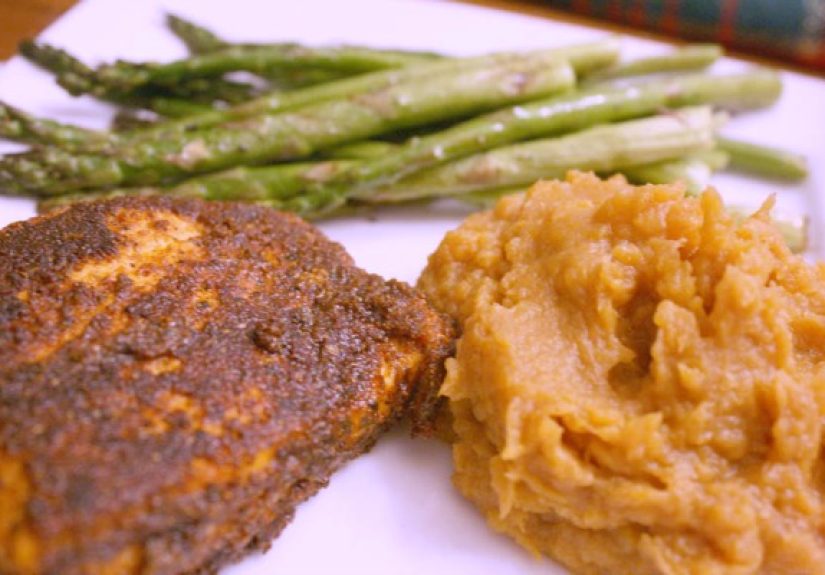
Try cucumber salad, cabbage slaw, roasted asparagus, corn salad, avocado salsa, or lemony green beans. Fresh sides help balance the smoky spice.
Comfort Sides
For a heartier dinner, pair blackened salmon with mashed sweet potatoes, rice pilaf, creamy grits, roasted potatoes, or mac and cheese. The salmon’s spice keeps rich sides from feeling too heavy.
Healthy Bowls
Build a bowl with brown rice, quinoa, farro, or cauliflower rice. Add black beans, roasted vegetables, greens, avocado, and a drizzle of yogurt-lime sauce. It is meal prep pretending to be excitingand honestly, it succeeds.
Blackened Salmon Sauce Ideas
The right sauce can take blackened salmon from good to “please do not talk to me while I focus on this.” Here are a few easy options:
- Lemon garlic yogurt sauce: Greek yogurt, lemon juice, garlic, salt, and parsley.
- Cajun butter: Melted butter, lemon juice, smoked paprika, and a pinch of cayenne.
- Avocado crema: Avocado, lime juice, Greek yogurt, cilantro, and water to thin.
- Honey-lime drizzle: Honey, lime juice, and a tiny pinch of chili powder.
- Remoulade-style sauce: Mayo, mustard, lemon, paprika, pickles, and hot sauce.
Is Blackened Salmon Healthy?
Blackened salmon can be a nutritious choice, especially when cooked with moderate oil and served with vegetables, whole grains, or legumes. Salmon is known for high-quality protein and omega-3 fatty acids. Fatty fish such as salmon are also part of many heart-conscious eating patterns.
The main thing to watch is sodium. Blackened seasoning can become salty quickly, especially if you use a commercial blend. Making your own seasoning helps you control the salt while keeping the smoky flavor. You can also use olive oil instead of large amounts of butter if you want a lighter version.
How to Store and Reheat Blackened Salmon
Store leftover blackened salmon in an airtight container in the refrigerator for up to 3 days. Reheat gently in a skillet over low heat or in a 275°F oven until warmed through. Avoid blasting it in the microwave unless you enjoy dry fish and suspicious office break-room looks.
Leftover blackened salmon is excellent in tacos, grain bowls, salads, wraps, scrambled eggs, and pasta. Flake it cold over greens with avocado and lime dressing for a fast lunch. It also works beautifully in a salmon sandwich with slaw and a creamy sauce.
Easy Blackened Salmon Variations
Blackened Salmon Tacos
Flake the cooked salmon into warm tortillas and top with cabbage slaw, lime crema, cilantro, and pickled onions. This is one of the easiest ways to stretch two fillets into a full meal.
Blackened Salmon Salad
Serve the salmon over romaine, arugula, or spinach with tomatoes, cucumber, avocado, corn, and a lemony dressing. The warm fish slightly wilts the greens in the best possible way.
Blackened Salmon Pasta
Add flakes of salmon to pasta with garlic, olive oil, lemon, spinach, and a splash of reserved pasta water. Keep the sauce light so the spices stay in charge.
Blackened Salmon Sandwich
Place a fillet on a toasted bun with lettuce, tomato, pickles, and remoulade. It tastes like something from a coastal restaurant where the napkins are paper and the food is perfect.
Personal Cooking Experience: Lessons From the Skillet
The first thing you learn when making blackened salmon is that the pan has to be hot, but not chaotic. There is a fine line between “beautifully blackened” and “why is the smoke alarm performing jazz?” A cast-iron skillet is fantastic, but it needs respect. Preheat it gradually, use enough oil to coat the surface, and turn on the vent before the salmon hits the pan. Future you will appreciate not waving a kitchen towel under the smoke detector like a tiny surrender flag.
Another experience worth remembering: salmon thickness matters more than the clock. A thin tail piece cooks much faster than a thick center-cut fillet. If you cook them the same way, one piece may turn out juicy while the other becomes seafood jerky. The best solution is to choose fillets of similar size or remove thinner pieces from the pan earlier. Cooking is not always about following minutes perfectly; sometimes it is about paying attention like the salmon is telling you secrets.
Seasoning also teaches a useful lesson. The first time many home cooks try blackened salmon, they sprinkle the spices politely. That is understandable. Nobody wants to create a cayenne-powered fireball. But blackened salmon needs a real coating. The crust is the whole point. A light dusting gives you seasoned salmon; a generous rub gives you blackened salmon. Start with moderate cayenne, then build confidence over time.
Butter is another small but mighty detail. Butter adds richness and helps the spices toast, but it can burn if the pan is too hot. Mixing butter with olive oil or avocado oil gives a better balance. You still get buttery flavor without turning the pan into a bitter situation. If the butter browns slightly, wonderful. If it turns black before the fish goes in, pause and reset. There is no shame in wiping the pan and trying again. The salmon does not judge. Probably.
Serving blackened salmon also gets easier with practice. The strongest pairings are usually simple: lemon, something crisp, and something creamy. Lemon brightens the spice. Slaw or cucumber adds crunch. Yogurt sauce, avocado crema, or remoulade cools the heat. Once you understand that formula, you can make endless meals without feeling stuck. Tacos on Tuesday, salad on Wednesday, rice bowl on Thursday, sandwich on Friday. Same salmon technique, completely different personality.
The biggest lesson is that blackened salmon feels fancy but behaves like a weeknight recipe. It rewards confidence, not complexity. Dry the fish, season boldly, heat the pan, leave the fillet alone, flip once, finish with lemon. That is the rhythm. After a few tries, you stop treating it like a special project and start treating it like a reliable dinner move. It is fast, flavorful, flexible, and just dramatic enough to make cooking feel fun.
Conclusion
Blackened salmon is one of the best ways to turn simple ingredients into a bold, memorable meal. With a hot skillet, a balanced spice blend, and a little patience, you get a smoky crust, tender center, and restaurant-style flavor in minutes. It is flexible enough for tacos, salads, bowls, sandwiches, and classic dinner plates. Best of all, it proves that healthy-ish food does not have to whisper politely from the corner. Sometimes it can sizzle, sparkle, and show up wearing paprika.






 Close
Close