
Table of Contents >> Show >> Hide
- What Is “Maui Wowie”?
- How Kid Cudi’s 2008 Song Became a 2025 TikTok Trend
- Why Is “Maui Wowie” Trending on TikTok?
- What Does the Trend Actually Mean?
- The Cannabis Connection: Important Context Without the Hype
- Why TikTok Loves Trends Like “Maui Wowie”
- Examples of How Creators Are Using the Trend
- What Brands and Creators Can Learn From “Maui Wowie”
- Is the “Maui Wowie” Trend Harmless?
- Why the Trend Feels So Internet
- Experiences and Reflections: Watching “Maui Wowie” Take Over the Feed
- Conclusion
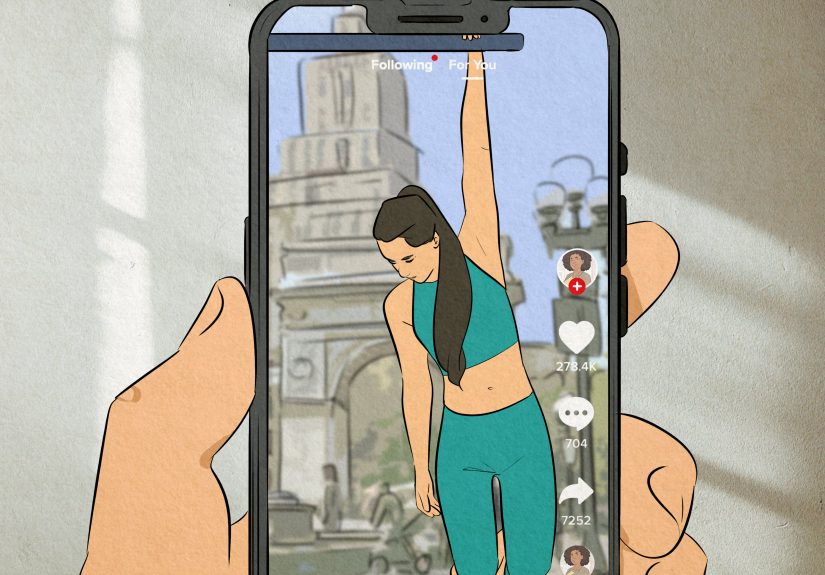
If your For You Page recently served you a parade of people hanging from street signs, traffic poles, monkey bars, basketball hoops, or anything else sturdy enough to make a city engineer nervous, congratulations: you have met the “Maui Wowie” TikTok trend. Like many viral internet moments, it is equal parts catchy, confusing, nostalgic, and mildly concerning. In other words, peak TikTok.
At the center of the trend is “Maui Wowie,” a 2008 Kid Cudi track from his mixtape A Kid Named Cudi. The song suddenly found new life in 2025 when TikTok creators began lip-syncing the line about going back to Honolulu for “that Maui Wowie” while dangling from street infrastructure. The result was a strange but irresistible blend of old-school Cudi energy, fit checks, physical comedy, and internet randomness.
But the phrase “Maui Wowie” is not just a funny rhyme that sounds like something your uncle would say after one coconut cocktail. It has a real meaning, a cultural history, and a strong connection to cannabis culture. So let’s break down what Maui Wowie means, why it suddenly became a TikTok obsession, and what the trend says about how the internet revives forgotten songs faster than a group chat revives drama.
What Is “Maui Wowie”?
“Maui Wowie,” sometimes spelled “Maui Waui” or “Mowie Wowie,” is best known as a classic cannabis strain associated with Hawaii, especially the island of Maui. Cannabis strain databases commonly describe it as a sativa or sativa-dominant strain with tropical flavor notes such as pineapple, citrus, sweetness, pine, and herbs. In pop culture shorthand, the name suggests sunny island vibes, old-school cannabis culture, and a breezy, laid-back mood.
The strain’s reputation dates back decades, often tied to the 1960s and 1970s, when Hawaiian cannabis developed a near-mythic status among enthusiasts. The name itself works because it is memorable: “Maui” gives the location, and “Wowie” gives the reaction. It sounds like a beach postcard wrote a jingle after drinking espresso.
In Kid Cudi’s song, “Maui Wowie” functions as both a literal reference to cannabis and a mood-setting phrase. The track feels loose, sunny, and slightly mischievous. That matters because TikTok trends rarely go viral on meaning alone. They usually need a hook, a vibe, and a repeatable action. “Maui Wowie” checks all three boxes.
How Kid Cudi’s 2008 Song Became a 2025 TikTok Trend
The song “Maui Wowie” originally came from Kid Cudi’s 2008 mixtape A Kid Named Cudi, a project that helped shape his early reputation for blending hip-hop, melody, stoner humor, loneliness, and spacey self-expression. For longtime fans, the track was already a throwback gem. For younger TikTok users, it arrived like a brand-new discovery from the algorithmic treasure chest.
The viral TikTok version took off when creators began lip-syncing the song’s Honolulu lyric while hanging from street signs or similar objects. The format was simple: grab something overhead, suspend yourself, look cool, lip-sync the line, and hope gravity does not decide to become the main character. Some creators treated it like a strength challenge. Others used it as a fashion moment. Many simply enjoyed the absurdity.
That is why the trend traveled so quickly. Nobody had to understand Kid Cudi’s mixtape era, cannabis strain history, or Hawaiian cultural references to participate. The sound was catchy, the pose was visually funny, and the concept was easy to copy. TikTok loves a trend that says, “No homework requiredjust vibes and questionable upper-body confidence.”
Why Is “Maui Wowie” Trending on TikTok?
1. The Sound Is Instantly Sticky
Some songs are built for streaming. Some are built for driving. Some are built for dramatic slow-motion entrances. “Maui Wowie” happens to have a chorus that TikTok can grab in seconds. The phrase is rhythmic, odd, and easy to repeat. A catchy lyric does not need to explain itself; it just needs to burrow into your brain and start paying rent.
The Honolulu line also gives creators a mini-story. It sounds like someone is on a mission, even if the “mission” is hanging from a stoplight while wearing sunglasses indoors. That tiny narrative makes the audio more flexible than a random beat drop.
2. The Visual Format Is Ridiculous in a Good Way
TikTok trends often win because they create an immediately recognizable visual pattern. The “Maui Wowie” trend has one: person dangling, song playing, face serving, internet laughing. It is strange enough to stop the scroll, but simple enough that viewers understand it instantly.
The best TikTok formats are not always logical. Sometimes they are just memorable. A person hanging from a traffic pole while lip-syncing a 17-year-old Kid Cudi song is not exactly a TED Talk, but it is hard to ignore. That is the magic formula: low explanation, high replay value.
3. Nostalgia Is TikTok’s Secret Fuel
TikTok has become one of the strongest engines for reviving older songs. Tracks from the 2000s and 2010s regularly return when a short clip hits the right emotional or comedic note. For older listeners, it feels nostalgic. For younger users, it feels like discovery. Both groups hit play, and suddenly a song from another era is back in circulation.
Kid Cudi’s early catalog is especially ripe for this kind of revival because it already carries a distinct mood: dreamy, rebellious, lonely, funny, and a little off-center. “Maui Wowie” fits TikTok’s taste for sounds that feel both vintage and fresh.
4. Kid Cudi Joining the Trend Made It Bigger
When the original artist acknowledges a viral trend, the internet usually rewards it. Kid Cudi participating in the “Maui Wowie” trend turned the moment from a random fan-driven meme into a full-circle pop culture event. It gave longtime fans a nostalgic win and gave new fans a reason to explore the song beyond the TikTok clip.
That artist participation also helped the trend feel more wholesome than exploitative. Instead of watching an old track get chopped into meme confetti with no context, fans saw the artist enjoying the revival. That kind of approval adds emotional momentum.
What Does the Trend Actually Mean?
On the surface, the “Maui Wowie” TikTok trend means very little. People are hanging from objects and lip-syncing a lyric because someone did it first and the internet said, “Yes, more of that.” That is not a criticism. Many of the best TikTok trends are built on randomness. Sometimes the joke is that there is no deeper joke.
Under the surface, though, the trend represents three bigger cultural patterns:
Old Songs Can Become New Again Overnight
Music discovery no longer moves in a straight line from radio to charts to playlists. A song can sit quietly for years, then explode because one creator found the perfect fifteen seconds. TikTok does not care how old a track is. If the moment works, the song works.
Context Comes After Virality
Many users heard “Maui Wowie” first and asked what it meant later. That is common on TikTok. Sounds often go viral before their meanings do. The internet turns the phrase into a meme, and then search interest follows. Suddenly, people are learning about Kid Cudi, Hawaiian cannabis strains, and TikTok safety warnings in the same afternoon. Efficient? Yes. Normal? Absolutely not.
Physical Trends Need a Safety Check
The hanging-from-signs format may look fun, but it is not risk-free. Street signs, traffic lights, crosswalk poles, and public infrastructure are not designed to be playground equipment. A viral clip lasts seconds; a fall, injury, or fine can last much longer. The smarter version of the trend is simple: recreate the vibe safely using gym equipment, a sturdy pull-up bar, or creative editing instead of public road furniture.
The Cannabis Connection: Important Context Without the Hype
Because “Maui Wowie” refers to a cannabis strain, it is important to discuss the meaning responsibly. In the United States, cannabis laws vary widely by state. Some states allow adult recreational use, others allow medical use, and others still restrict it. Federal law also remains separate from state-level rules. That means cannabis content is not a one-size-fits-all subject.
Public-health organizations also emphasize that cannabis products containing THC can affect mood, perception, coordination, reaction time, and decision-making. Higher-potency products may increase the chance of unwanted effects such as anxiety, paranoia, or impairment. This article is not medical advice, legal advice, or a wink-wink shopping guide. It is cultural analysis. Adults should follow local laws and speak with qualified professionals when health questions are involved.
That distinction matters for SEO content too. A strong article can explain what a term means without glamorizing drug use or encouraging unsafe behavior. The TikTok trend is primarily about a song and a visual meme, but the phrase’s cannabis origin is part of the story.
Why TikTok Loves Trends Like “Maui Wowie”
TikTok’s recommendation system is built around user behavior: what people watch, like, share, comment on, replay, and skip. That makes the platform extremely good at detecting when a sound or visual format is gaining traction. Once a trend gets enough engagement, it can spread quickly across different niches: fashion TikTok, gym TikTok, music TikTok, college TikTok, nostalgia TikTok, and the always-dangerous “people doing things their insurance agent would dislike” side of TikTok.
“Maui Wowie” worked because it was adaptable. A creator could use it for a streetwear fit check, a comedy bit, a strength flex, a nightlife clip, or a nostalgic Kid Cudi tribute. The trend did not require a single identity. It could be cool, silly, attractive, athletic, chaotic, or all of the above before breakfast.
Examples of How Creators Are Using the Trend
Some creators use the sound as a fashion reveal, hanging from a pole while showing off an outfit. Others use it as a joke about being “on the way to Honolulu,” even if they are clearly standing in New York, Chicago, Los Angeles, or a parking lot next to a suspiciously tired sedan. Fitness-focused creators turn it into a grip-strength moment. Music fans use it to celebrate Kid Cudi’s early work. Meme pages remix the format until the original idea is barely visible, which is usually the final stage of TikTok evolution.
The funniest part is that the object does not really matter. Street sign? Sure. Playground bar? Safer. Tree branch? Maybe, if the tree signed a waiver. Bathroom door? Please reconsider. The visual punchline is the suspended pose paired with the lyric. Everything else is creative seasoning.
What Brands and Creators Can Learn From “Maui Wowie”
For creators, the trend is a reminder that timing matters more than perfection. The videos are not complicated productions. They work because they are quick, recognizable, and easy to remix. If you are trying to build content around trends, the lesson is not “go hang from traffic lights.” The lesson is to identify the repeatable structure: audio cue, visual action, personality twist.
For brands, the lesson is more delicate. Cannabis-related language, public-safety concerns, and TikTok’s rules around regulated goods mean this is not a trend every account should jump on. A clothing brand might safely reference the fashion side of the format. A gym might parody the grip-strength element using safe equipment. A cannabis brand, however, must be extremely careful with platform policies, local regulations, age restrictions, and promotional language.
The best brand participation would avoid direct product promotion and focus on culture, music, nostalgia, or humor. As always, if a trend involves public infrastructure or substances, the safest marketing strategy is to be clever without being reckless. Nobody wants their social media strategy to end with the sentence, “Our intern is fine, but the traffic sign is not.”
Is the “Maui Wowie” Trend Harmless?
Mostly, it is a silly music trend. But “mostly harmless” is doing a lot of work here. The audio itself is not the issue. The problem is when people copy the most dangerous version of the trend by climbing onto public signs, traffic lights, or unstable objects. That creates risks for the creator, pedestrians, drivers, and city property.
A safer version keeps the same energy without the hazard. Use a gym bar, playground equipment designed for climbing, a dance move, a camera trick, or a simple lip-sync. The trend’s humor comes from the contrast between chill music and dramatic posing, not from flirting with a hospital bill.
Why the Trend Feels So Internet
“Maui Wowie” is the kind of trend that could only happen now. A 2008 mixtape track resurfaces. A lyric becomes a meme. A cannabis strain name becomes a search term. People climb things. The artist joins in. Streaming numbers rise. Articles explain the meaning. Parents wonder what is happening. Teenagers pretend not to know who Kid Cudi is, then quietly add the song to a playlist. The circle of internet life continues.
What makes the trend interesting is not just its randomness, but its ability to connect eras. For millennials, it recalls the blog-era mixtape internet, when downloads, forums, and music discovery felt more underground. For Gen Z, it is simply a new sound attached to a funny format. The same song carries different meanings depending on where you enter the story.
Experiences and Reflections: Watching “Maui Wowie” Take Over the Feed
The first time you see the “Maui Wowie” trend, it feels like you have walked into the middle of a joke everyone else already understands. A person is dangling from a sign. Kid Cudi is playing. The caption says something like “going back to Honolulu,” and the comments are full of people acting as if this is the most natural thing in the world. Your brain needs a second to update its software.
That confusion is part of the experience. TikTok often creates trends that make no sense in isolation but become clear through repetition. One video is weird. Three videos are a pattern. Ten videos are a trend. By the twentieth, you are humming the lyric while making coffee and wondering whether your apartment doorframe could support your body weight. It cannot. Please do not test it.
What stands out about this trend is how quickly it turns viewers into investigators. People hear “Maui Wowie” and ask, “Is that a place? A drink? A person? A dance? A tropical cereal that got discontinued in 1998?” Then they search the phrase and discover the cannabis connection, the Kid Cudi song, and the history of a Hawaiian strain with decades of cultural baggage. A goofy meme becomes an accidental vocabulary lesson.
There is also a nostalgic pleasure in watching older music get rediscovered. For listeners who were around when Kid Cudi’s early mixtape era first hit, the trend feels like opening a time capsule and finding out the time capsule learned how to use TikTok. The song carries the hazy, playful energy of late-2000s internet rap, when artists were experimenting with mood, melody, and personality in ways that felt personal and strange. Seeing that sound connect with a new audience is genuinely fun.
At the same time, the trend shows how shallow and deep the internet can be at once. On the shallow side, it is people hanging from signs for attention. On the deeper side, it reveals how platforms shape music discovery, how old references gain new meanings, and how cultural memory now moves through short videos instead of traditional media cycles. That is a lot of meaning for a clip that sometimes lasts less than ten seconds.
The safest and smartest way to enjoy the trend is to treat it as entertainment, not instruction. Appreciate the song. Laugh at the absurd poses. Learn the meaning. Maybe revisit A Kid Named Cudi. But skip the part where public infrastructure becomes your personal jungle gym. The internet forgets most trends quickly; knees remember bad decisions forever.
In the end, “Maui Wowie” is trending because it has the rare TikTok combination: a catchy sound, a repeatable visual, a funny phrase, celebrity involvement, nostalgic value, and just enough confusion to make people search for answers. It is silly, but it is not empty. It is a snapshot of how modern culture works: one lyric, one creator, one strange pose, and suddenly a 17-year-old song is back in the conversation.
Conclusion
The “Maui Wowie” TikTok trend is more than a random clip of people hanging from street signs. It is a perfect example of how TikTok can revive old music, reshape cultural references, and turn a phrase into a viral search topic almost overnight. Kid Cudi’s 2008 track found a second life because the chorus was memorable, the visual format was funny, and the internet loves a trend that is easy to copy and hard to explain at dinner.
At its core, “Maui Wowie” refers to a classic Hawaiian cannabis strain, but the TikTok trend is really about music, nostalgia, performance, humor, and algorithm-driven rediscovery. Enjoy the sound, understand the meaning, and keep your feetor at least your common sensefirmly on the ground.





 Close
Close