
Table of Contents >> Show >> Hide
- What a UTI Actually Is
- So, Can Cranberry Stop Your UTIs?
- Why Cranberry Gets So Much Attention
- What the Research Really Says
- What Urology Experts Think
- Cranberry Juice vs. Cranberry Supplements
- Who Might Benefit Most From Cranberry?
- When Cranberry Is Not Enough
- Other Ways to Reduce UTI Risk
- Potential Side Effects and Safety Notes
- The Biggest Myth: Cranberry Cures an Active UTI
- How to Think About Cranberry the Smart Way
- What People Often Experience With Cranberry and UTIs
- Final Verdict
- SEO Tags
If cranberry juice had a publicist, that person would deserve a raise. Few home remedies have enjoyed such a long, glamorous career as the humble cranberry when it comes to urinary tract infections. It has been praised in kitchens, pharmacies, dorm rooms, family group chats, and probably at least one holiday dinner where someone dramatically held up a glass of red juice like it was a medical breakthrough.
But can cranberry actually stop your UTIs? The honest answer is more sensible than sexy: cranberry may help prevent some recurrent UTIs, but it does not cure an active UTI. In other words, cranberry is more of a security guard than a firefighter. It may help keep trouble from settling in, but once the house is on fire, you need real treatment.
This matters because UTIs are incredibly common, painfully annoying, and often confusing. Many people want something gentler than repeated antibiotics, especially if infections keep coming back. That is where cranberry enters the conversation. The science is not nonsense, but it is also not magic. Let’s separate tart truth from juicy myth.
What a UTI Actually Is
A urinary tract infection happens when bacteria, most commonly E. coli, get into the urinary tract and multiply. The infection may affect the urethra, bladder, or in more serious cases, the kidneys. Most people think of a bladder infection when they say “UTI,” and the classic signs are hard to forget: burning when you pee, the urge to pee every ten minutes, lower abdominal discomfort, cloudy or strong-smelling urine, and the general feeling that your bladder has chosen violence.
Some UTIs are one-off events. Others are repeat offenders. If you get frequent infections, you are not imagining things and you are definitely not being dramatic. Recurrent UTIs are a real medical issue, and they can interfere with sleep, work, exercise, sex, travel, and sanity.
So, Can Cranberry Stop Your UTIs?
Here is the clear version: cranberry is not considered a treatment for an existing UTI. If you already have active symptoms, cranberry juice, gummies, supplements, and optimistic thoughts are not reliable substitutes for medical care. An untreated infection can worsen and move upward to the kidneys, which is a problem no one needs on an already bad week.
Where cranberry seems more useful is prevention, especially for some people who deal with recurrent UTIs. That is why the question should really be reframed from “Can cranberry stop your UTI right now?” to “Can cranberry reduce the odds of future UTIs?” That second question gets a much more encouraging answer.
Why Cranberry Gets So Much Attention
Cranberries contain compounds called proanthocyanidins, often shortened to PACs. These compounds are thought to make it harder for certain bacteria, especially E. coli, to stick to the lining of the urinary tract. If bacteria cannot cling very well, they may be less likely to settle in, multiply, and trigger an infection.
That idea makes biological sense, which is one reason cranberry never left the conversation. It is not supposed to kill bacteria the way antibiotics do. Instead, it may interfere with the bacteria’s ability to set up camp. Think of cranberry as the awkward anti-adhesive guest at the bacterial housewarming party.
What the Research Really Says
The best modern evidence suggests cranberry products may help lower the risk of recurrent UTIs in some groups, particularly women who tend to get them repeatedly. That is why cranberry has graduated from “old wives’ tale” territory into the more respectable category of “reasonable preventive option with mixed but meaningful evidence.”
Still, the research is not perfectly tidy. Some studies show benefit, some show smaller effects, and results vary depending on the product used, the dose, the people studied, and whether the product contained enough active cranberry compounds to begin with. This is the part where science politely clears its throat and says, “It depends.”
That inconsistency is important. It explains why cranberry is not framed as a guaranteed solution. It also explains why so many people swear by it while others shrug and say it did nothing except make breakfast taste like a tart apology.
What Urology Experts Think
Medical organizations have become more open to cranberry as a prevention tool, especially for women with recurrent uncomplicated UTIs. That does not mean cranberry outranks standard care. It means cranberry has enough evidence behind it to be part of a prevention conversation, particularly for people who want non-antibiotic options.
That is a meaningful shift. It tells us cranberry is no longer just folk wisdom in a glass. But it is still not a cure-all, and no serious guideline treats it like a replacement for evaluation when symptoms flare up.
Cranberry Juice vs. Cranberry Supplements
Cranberry juice
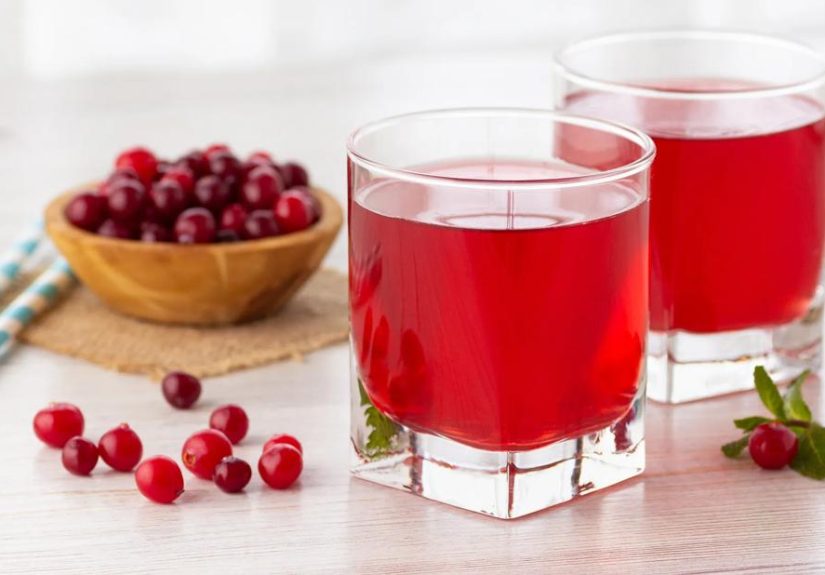
Cranberry juice is the classic option, but it comes with a few issues. Many products sold as “cranberry juice” are actually sweetened cranberry juice cocktails. They can contain added sugar, fewer useful active compounds than people expect, and enough tartness to make your face briefly question your life choices.
Juice can be a practical choice for some people, but it is not automatically the best one. The label matters, the cranberry content matters, and drinking a gallon of sugary red liquid does not transform a beverage into a treatment plan.
Cranberry capsules or tablets
Supplements are often more convenient because they can provide a concentrated dose without the sugar and calories found in many juice drinks. They are also easier for people who do not want to sip cranberry every day like it is their full-time job.
The downside is quality variation. Supplements are not all created equal. One product may be standardized and thoughtfully made, while another is basically a red capsule full of good intentions. If someone wants to try cranberry for prevention, choosing a reputable product matters.
Which is better?
For prevention, many clinicians prefer the idea of a standardized supplement because it is easier to take consistently and easier to use without added sugar. But the best choice is often the one a person can tolerate, afford, and remember to take regularly. A perfect supplement hidden in the back of a cabinet helps exactly nobody.
Who Might Benefit Most From Cranberry?
Cranberry is most often discussed for:
- Women with recurrent uncomplicated UTIs
- People looking for a non-antibiotic prevention strategy
- Those who want to add a low-risk daily habit to a broader prevention plan
It may be less helpful as a stand-alone idea for people with complicated urinary problems, structural issues, kidney disease concerns, catheter-related infections, pregnancy-related concerns, or symptoms that suggest a more serious infection. In those situations, “I’ll just try cranberry” is not a brave plan. It is more like crossing your fingers in a storm while holding a very small umbrella.
When Cranberry Is Not Enough
If you have burning with urination and frequency, you may need testing and treatment. If you also have fever, chills, nausea, vomiting, or pain in your back or side, you should seek medical care quickly. Those symptoms can point to a kidney infection, and that is not the moment to negotiate with a bottle of cranberry capsules.
Pregnant people, older adults, people with diabetes, people with urinary tract abnormalities, and anyone with severe or unusual symptoms should be especially careful about self-treating. Cranberry can play a role in prevention, but it should not delay medical evaluation when the situation looks more serious.
Other Ways to Reduce UTI Risk
Cranberry works best when it is not forced to carry the whole team. Prevention usually works better as a combination strategy. Depending on the person, that may include:
- Drinking enough water
- Not holding urine for long periods
- Urinating after sex if sex tends to trigger symptoms
- Avoiding spermicides if they seem linked to infections
- Addressing constipation
- Discussing vaginal estrogen with a clinician if UTIs are tied to menopause
- Using antibiotics strategically when prescribed for recurrent infections
This is where prevention gets less glamorous and more effective. Hydration is not flashy. Bathroom habits are not exactly dinner-party material. But small daily habits often outperform miracle claims.
Potential Side Effects and Safety Notes
For most people, cranberry products are reasonably safe. Still, “natural” is not the same thing as “always harmless.” Some people get stomach upset or diarrhea. Sweetened juice can add a surprising amount of sugar and calories. And cranberry may not be a good choice for everyone.
One important caution: people who take warfarin or other medications that need careful monitoring should talk to a clinician or pharmacist before adding cranberry regularly. It is also smart to ask about cranberry if you have a history of kidney stones or complex medical conditions.
The Biggest Myth: Cranberry Cures an Active UTI
This myth hangs on like glitter after a craft project. Once symptoms start, many people rush to drink cranberry juice as if they are trying to drown the infection in berry enthusiasm. Unfortunately, that is not how this works.
Cranberry may help reduce future risk for some people. It does not reliably eliminate bacteria that are already causing an infection. So if you currently have UTI symptoms, especially severe ones, cranberry should not replace diagnosis and appropriate treatment.
How to Think About Cranberry the Smart Way
The smartest way to think about cranberry is this: useful for some, useless for some, dangerous only when it delays the care you actually need. That is not a dramatic slogan, but it is a very practical one.
If you deal with recurrent UTIs, cranberry may be worth discussing with your healthcare professional as part of a bigger prevention plan. If you are in the middle of an active infection, cranberry is more sidekick than superhero.
What People Often Experience With Cranberry and UTIs
The section below is based on common real-world patterns people report when trying cranberry for recurrent UTI prevention. These are illustrative experiences, not individual medical records, but they reflect the messy, everyday reality behind the research.
One common experience is frustration before improvement. Someone gets two or three UTIs in a short period, feels wiped out by repeated antibiotics, and decides to try cranberry because it seems simple and low drama. At first, nothing feels different. That is normal. Cranberry is not like taking a pain reliever and waiting for applause from your bladder. If it helps, it is usually through prevention over time, not an instant change you can feel by lunchtime.
Another familiar story involves juice. A person buys cranberry cocktail from the grocery store, drinks a glass every day, and assumes they are “doing the cranberry thing.” Weeks later, they are confused because the benefits are unclear. This happens a lot because many juices are sweetened, diluted, or inconsistent. People often discover that the cranberry world is surprisingly chaotic. Two bottles can look nearly identical on the shelf while delivering very different amounts of actual cranberry content.
Some people end up preferring capsules because daily life is busy and tart juice gets old fast. A capsule is easier to remember, easier to travel with, and less likely to turn breakfast into a sour facial workout. The people who do best with cranberry often build it into a routine: same time every day, decent hydration, fewer skipped doses, and realistic expectations. Consistency matters more than cranberry enthusiasm on day one.
There is also the “partial win” experience. A person may still get a UTI eventually, but less often than before. That can be a major quality-of-life improvement even if it does not sound dramatic on paper. Going from five infections a year to two does not make cranberry a miracle, but it can make life feel much more manageable. Fewer urgent care visits, fewer canceled plans, fewer weekends ruined by burning, urgency, and panic? That counts.
Then there are people who try cranberry and notice no meaningful benefit at all. That is part of the truth too. Bodies differ, risk factors differ, and UTIs are not all triggered by the same patterns. Some people discover that hydration, post-sex habits, vaginal estrogen, or another medical strategy makes more difference than cranberry ever did. That does not mean cranberry is fake. It means prevention is personal.
Emotionally, recurrent UTIs can make people feel discouraged, embarrassed, or weirdly betrayed by their own anatomy. That is why even modest prevention tools matter. Cranberry often appeals because it gives people a sense of participation. Instead of just waiting for the next infection, they feel like they are doing something daily. That feeling alone is not the same as evidence, of course, but it does explain why cranberry remains so popular. It fits into ordinary life more easily than many medical interventions.
The healthiest expectation is probably this: cranberry may help lower the odds, not erase the risk. People who approach it that way tend to be less disappointed and more likely to use it wisely. They treat it as one tool in the toolbox, not the toolbox itself. And honestly, that is where cranberry shines best: not as a cure, not as a miracle, but as a reasonable maybe in the long and annoying story of preventing repeat UTIs.
Final Verdict
Can cranberry stop your UTIs? Not the one you already have. But it may help prevent future UTIs, especially if you are someone who gets recurrent uncomplicated infections and you use a quality product consistently. That is a respectable role, even if it is less dramatic than the internet sometimes promises.
So yes, cranberry deserves some credit. Just not all the credit, and definitely not your blind faith. When it comes to UTIs, the smartest approach is still a combination of medical judgment, prevention habits, and a healthy suspicion of remedies that sound too easy. Cranberry can be part of the plan. It just should not be the whole plan wearing a red cape.





 Close
Close