Table of Contents >> Show >> Hide
- The straight answer: Does diatomaceous earth kill spider mites?
- Why spider mites are so hard to evict
- How diatomaceous earth works (and when it doesn’t)
- What a pest pro recommends: DE can work, but placement matters
- When diatomaceous earth makes sense for spider mite control
- How to use diatomaceous earth for spider mites (step-by-step)
- What often works better than DE (or works best with it)
- 1) Water sprays: the simplest, most underrated move
- 2) Insecticidal soap: good coverage beats good intentions
- 3) Horticultural oils: often more effective for mites
- 4) Neem-based products: useful, but not consequence-free
- 5) Biological control: predatory mites
- 6) Fix the conditions that invite spider mites
- A practical “pest pro” game plan you can copy
- Common DE mistakes that make spider mites laugh (quietly, from under the leaf)
- Quick FAQs
- Conclusion: DE can help, but it’s not the whole story
- Real-world experiences: what people typically notice when using DE for spider mites (about )
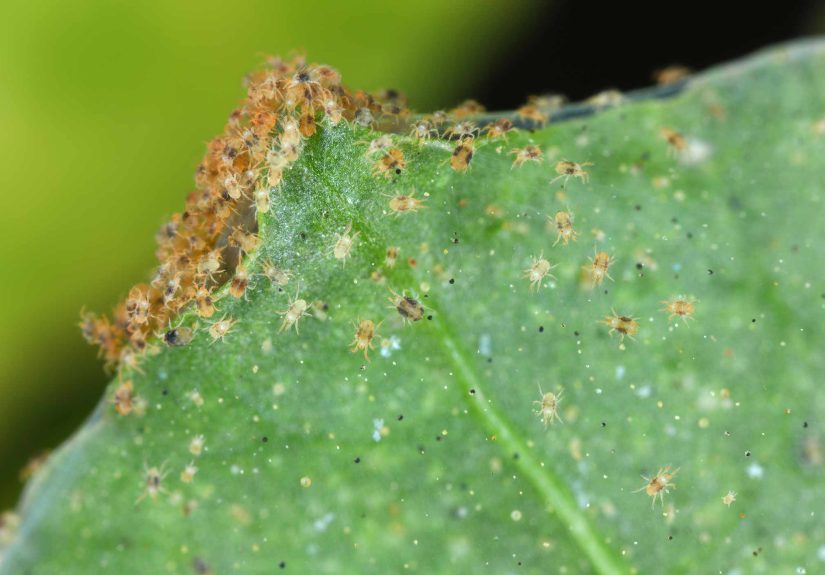
If your plant looks like it lost a tiny boxing matchspeckled leaves, sad color, and faint little webs that scream “Halloween décor” in Januaryyou may be dealing with spider mites. They’re microscopic, dramatic, and weirdly organized. And once they move in, they don’t just eat your plant… they set up a whole neighborhood.
That’s why diatomaceous earth (DE) gets so much attention. It’s natural-ish, it’s popular, and it sounds like something you’d find in a museum gift shop (“Authentic fossil dust!”). But can diatomaceous earth actually get rid of spider mites, or is it just another powder that makes you sneeze and feel hopeful?
Let’s talk like a pest pro would: yes, DE can help kill spider mitesbut it’s not always the best first move. Spider mites have habits (and hiding spots) that make DE tricky. The good news: once you understand where DE shines, where it flops, and how to combine it with smarter tactics, you can turn a spider mite meltdown into a manageable cleanup.
The straight answer: Does diatomaceous earth kill spider mites?
Yesdiatomaceous earth can kill spider mites, because spider mites are arthropods with an outer protective layer, and DE damages that protection. In plain English: DE is a very fine dust with sharp, abrasive edges that can scrape away the waxy layer that helps mites retain moisture. Once that layer is compromised, they dry out.
Here’s the catch (and it’s a big one): DE only works when spider mites actually touch it. Spider mites mostly hang out on the undersides of leaves. And DE doesn’t always stick well there, especially if leaves are glossy, fuzzy, damp, or already webbed up.
A pest pro’s take, summarized: DE is lethal on contact, but spider mites are rarely where DE naturally stays put. That’s why pros often treat DE as a useful tool rather than the whole plan.
Why spider mites are so hard to evict
Spider mites aren’t insectsthey’re more closely related to spiders and ticks. They thrive in hot, dry conditions, and they reproduce fast enough to make you feel like time is moving differently in your garden.
They multiply quickly
Under favorable conditions, many spider mite species can complete a life cycle in roughly a week or two. That means what starts as “a few specks” can become “why is my plant wearing lace?” surprisingly fast.
They hide where sprays and dust miss
Most of the feeding happens on the undersides of leaves, protected from rain, casual hosing, and many surface treatments. Add their webbing and you’ve got a tiny fortress that blocks contact products.
They love stressed plants
Drought-stressed plants are more vulnerable, and dry air tends to favor spider mites while making some natural enemies less effective. In other words: spider mites adore the exact conditions that make gardeners tired and busy.
How diatomaceous earth works (and when it doesn’t)
DE is a physical pest control method, not a poison. It doesn’t need to be ingested. It works by abrasion and moisture lossa mechanical process that can be effective against many crawling pests.
DE must be dry to work well
Moisture reduces DE’s effectiveness. Think of DE like flour on a countertop: add water and it turns into paste. Once DE gets wet, it stops behaving like a dust barrier. It can still work after it dries again, but rain, heavy dew, and overhead watering will frequently wash it off leaves and soil.
DE is a contact tool, not a “set it and forget it” solution
If mites don’t touch it, it can’t help you. Also, DE generally won’t solve the egg problem on its own. Many spider mite control methods focus on repeated applications because eggs can hatch after treatment.
DE is broad-spectrum
DE doesn’t know who the villain is. It can affect beneficial insects and other helpful arthropods if you apply it broadlyespecially if you dust flowers or areas where pollinators and predators move through.
What a pest pro recommends: DE can work, but placement matters
Pest pros emphasize the same theme: DE can kill spider mites, but spider mites typically feed under leaves where dust doesn’t naturally stick. That’s why pros often recommend either:
- Using DE where mites will contact it (strategically, not everywhere)
- Improving adhesion by applying DE as a light slurry spray that dries on the leaf underside
- Combining DE with mite-targeted methods like water sprays, insecticidal soap, horticultural oils, and biological controls
Translation: DE isn’t useless. It just needs help getting to the party.
When diatomaceous earth makes sense for spider mite control
DE is most useful when your situation matches what DE is good at: dry conditions, contact exposure, and targeted placement.
DE is worth trying when…
- You can apply it directly to the underside of leaves (or use a spray method that dries there).
- Your climate is dry (or you can keep foliage dry long enough for DE to remain active).
- You’re dealing with a light to moderate infestation and can be consistent.
- You want a non-chemical mode of action as part of an integrated approach.
DE is usually not the best choice when…
- Your plants are outdoors in a rainy/humid stretch or you must water overhead frequently.
- The infestation is heavy, with thick webbing and widespread leaf damage.
- You need a quick knockdown and can safely use more direct mite controls.
- You’re planning to dust flowering plants visited by pollinators.
How to use diatomaceous earth for spider mites (step-by-step)
If you’re going to use diatomaceous earth for spider mites, do it like a pro: light, targeted, and combined with other steps that reduce mite numbers first.
Step 1: Choose the right diatomaceous earth
- Use a product labeled for pest control and follow label directions.
- Avoid pool/filter-grade DE. That type is heat-treated and can contain much higher crystalline silica, which is a bigger inhalation hazard.
- Food-grade DE is commonly discussed, but “food grade” doesn’t mean “please inhale it.” It still irritates lungs, eyes, and skin as a dust.
Step 2: Prep the plant (this matters more than people think)
- Isolate the plant (especially indoors) so mites don’t spread.
- Prune heavily infested leaves and bag themdon’t compost them if you can avoid it.
- Rinse the plant thoroughly, focusing on leaf undersides. A firm spray of water can physically remove mites and webbing.
- Let the plant dry before applying DE as a dust. Remember: DE works best dry.
Step 3: Apply DE in a thin layer (more is not better)
Thick piles can deter crawling pests from crossing and can also interfere with photosynthesis if you cake leaves in dust. A light, even coating is the goal.
Option A: Dry dust (best for dry weather and targeted underside application)
- Use a hand duster or puffer bottle for control.
- Gently lift leaves and apply a light dusting to undersides where mites feed.
- Also dust the soil surface in the pot or at the plant base if it helps create contact zones while you’re treating foliage.
Option B: Spray-on slurry (best when you need DE to reach leaf undersides)
- Mix DE with water in a sprayer as directed by the product (or use a very light mixture if guidance is general).
- Spray leaf undersides thoroughly, then allow it to dry. DE becomes effective again once the water evaporates.
- Use a sprayer you can clean wellDE can clog equipment if the mixture is too thick.
Step 4: Reapply strategically
Reapply after rain, heavy dew, or overhead watering. If DE disappears, so does most of its benefit. Think “maintenance,” not “miracle.”
Step 5: Protect yourself while applying
- Wear a mask/respirator, eye protection, and gloves.
- Apply when air is calm (wind turns “application” into “unplanned face powder”).
- Keep kids and pets away during application and until dust settles.
What often works better than DE (or works best with it)
DE can be part of spider mite control, but most successful plans include at least one method that hits mites where they live: undersides of leaves.
1) Water sprays: the simplest, most underrated move
A strong spray of water can knock mites and eggs off leaves. Done consistently (especially on the undersides), it can reduce populations significantlyparticularly early in an infestation.
2) Insecticidal soap: good coverage beats good intentions
Insecticidal soaps work on contact. They can be helpful against mites, but only if you thoroughly cover the leaf surfaces where mites are feeding. Multiple applications are common because eggs are not reliably controlled by soap sprays, and newly hatched mites can appear days later.
3) Horticultural oils: often more effective for mites
Horticultural oils can control mites by smothering them (and in some cases eggs), but they must directly contact the pests. Oils can be very effective, but they come with timing rules: don’t spray when plants are drought-stressed, and avoid hot conditions that can increase the risk of leaf damage.
4) Neem-based products: useful, but not consequence-free
Neem is popular, and it can help in some situations, especially with repeat applications. But it can also affect beneficial insects if misapplied, and spraying oils during heat can stress plants. If you use neem, follow label directions and be consistent.
5) Biological control: predatory mites
Predatory mites are widely used to control spider mites, especially in greenhouses and controlled environments. They feed on multiple life stages of spider mites and can be very effective when conditions (including humidity) support them.
6) Fix the conditions that invite spider mites
- Reduce drought stress (water appropriately).
- Limit dust (mulch, rinse dusty plants, reduce dry soil disturbance).
- Avoid broad-spectrum insecticides that can kill natural enemies and worsen mite outbreaks.
- For houseplants: improve humidity where appropriate and keep plants clean.
A practical “pest pro” game plan you can copy
If you want a straightforward plan that blends real-world effectiveness with safety, here’s a solid approach:
- Prune and remove the worst-infested leaves.
- Hose down the plant, focusing on leaf undersides to remove mites and webbing.
- Choose ONE primary treatment for coverage (insecticidal soap or horticultural oil) and repeat as directed.
- Add DE only where it helps (light dusting on undersides in dry conditions, or a slurry that dries there).
- Monitor every few days. If mites persist after repeated treatment cycles, consider predatory mites (especially indoors/greenhouse) or a labeled miticide appropriate for the plant.
The key is consistency. Spider mite control is rarely one heroic spray; it’s a short series of smart, targeted hits.
Common DE mistakes that make spider mites laugh (quietly, from under the leaf)
Dusting the top of the plant only
If mites are feeding underneath, treating only the top is like locking the front door while leaving the back door wide open.
Applying a thick layer
Thick layers can reduce effectiveness and create plant issues. A light dusting is more useful than a “powder snowfall.”
Using DE right before watering or rain
Moisture reduces DE’s effectiveness and can wash it away. Timing matters.
Using pool-grade/filter-grade DE
Don’t. Choose a product intended for pest control and follow the label. Pool-grade is not garden-grade.
Quick FAQs
Will diatomaceous earth kill spider mite eggs?
Not reliably. Many spider mite strategies rely on repeat treatments to catch newly hatched mites. That’s one reason soaps, oils, and consistent rinsing schedules are common.
Can I mix diatomaceous earth with water and spray it?
Yes. This can help get DE onto leaf undersides. Just remember: DE works once it dries, so your results depend on drying conditions and coverage.
Is DE safe to use on edible plants?
Use only products labeled for that purpose and follow all label directions, including timing and any harvest guidance. Wash produce well, and avoid inhaling dust during application.
Is DE a good indoor spider mite solution?
It can work, but it’s messy and easy to inhale if you’re dusting around living spaces. Many people have better indoor success with careful rinsing, insecticidal soap, or horticultural oil applied with good underside coverage.
Conclusion: DE can help, but it’s not the whole story
Diatomaceous earth can kill spider mitesno question. But spider mites are experts at hiding on leaf undersides, where DE doesn’t always stick or stay dry long enough to do its best work. So the most realistic answer is: DE can be a helpful add-on, especially in dry conditions and with targeted application, but it’s rarely the fastest or most reliable solo solution.
Want results that don’t depend on perfect dust placement? Start with physical removal (water sprays, pruning), then use a contact treatment that reaches undersides (insecticidal soap or horticultural oil), and consider predatory mites if you want a biological assist. Add DE where it provides meaningful contactand reapply when moisture wipes it out.
Spider mites are persistent, but they’re not unbeatable. They’re just tiny, thirsty freeloaders with excellent PR.
Real-world experiences: what people typically notice when using DE for spider mites (about )
In practice, most gardeners who try diatomaceous earth for spider mites describe a similar pattern: DE helps most when it’s used as part of a routine, not as a one-time “sprinkle and celebrate” moment.
Experience #1: The outdoor container plant turnaround. A common scenario is a patio tomato or pepper that starts to look stippled during a hot, dry week. People often report the biggest improvement when they first blast the plant (especially undersides) with water, prune the worst leaves, and then apply a light DE dusting to leaf undersides using a puffer. In dry weather, that dust tends to stay put longer. The “win” isn’t that DE magically ends the problem overnightit’s that DE slows down the survivors while repeated rinsing and follow-up sprays catch new hatchlings. The visible change is usually fewer new stipples and less webbing over the next couple of weeks.
Experience #2: The houseplant mess factor. Indoors, people often discover DE is effective in theory but annoying in real life. Dust drifts, settles, and turns your plant shelf into a chalk scene from a detective show. Many report that DE works best indoors only when applied very carefully (light dusting, targeted, minimal airborne powder), or when applied as a slurry that dries on undersides. Even then, consistent washing and humidity adjustments often feel more impactful for houseplants than repeated dustingespecially because indoor spider mite outbreaks commonly involve multiple plants and close quarters.
Experience #3: Rainy climates make DE feel “temporary.” Gardeners in humid regions often say DE seems helpful for a day or two, then disappears after dew, sprinkler cycles, or rain. That leads to frustrationuntil they switch strategies. In those climates, DE is often treated as a short-lived booster used only between moisture events, while soaps or horticultural oils (applied at the right time of day with good underside coverage) do more of the heavy lifting.
Experience #4: Overapplication backfires. A surprisingly common report is that “I used DE and my plant looked worse.” Often it’s not because DE is toxicit’s because the plant got coated too heavily. Thick dust can dull leaves, reduce light absorption, and make a plant look stressed even if mites are declining. People who get better results usually mention using a very light layer and focusing on leaf undersides rather than frosting the entire plant like a powdered donut.
Experience #5: The best results come from combining tools. Across many real-life attempts, the most consistent success stories share a theme: rinse + repeat treatments + targeted DE. When people treat spider mites like a short campaign (not a single event), they tend to see real improvementhealthier new growth, reduced webbing, and fewer “mystery specks” moving around when leaves are tapped over white paper.