
Table of Contents >> Show >> Hide
- What “Expiration Date” Usually Meansand What It Usually Doesn’t
- So, Can You Eat Food Past Its Expiration Date?
- Foods That Are Often Fine After the Printed Date
- Foods That Deserve More Caution
- Red Flags That Matter More Than the Date
- Smart Rules That Beat Guesswork
- What About Eggs, Milk, Yogurt, and Bread?
- How to Waste Less Without Gambling With Your Stomach
- Kitchen Experiences: What This Looks Like in Real Life
- Final Verdict
Note: This article is based on current U.S. food-safety guidance and is for general informational purposes only.
You open the fridge, spot a yogurt with yesterday’s date on it, and suddenly you’re starring in your own kitchen thriller. Is it still breakfast, or is it now a science experiment with a spoon?
The good news is that many foods do not turn dangerous the second the date on the package passes. In fact, one of the biggest reasons Americans throw away perfectly decent food is confusion about what those labels actually mean. The bad news is that some foods really can become risky if they have been stored poorly, left out too long, or show clear signs of spoilage. So the real answer to “Can I eat food past its expiration date?” is not a simple yes or no. It is more like: sometimes yes, sometimes absolutely not, and the package date is only one clue.
If you have ever treated a “best by” date like a tiny legal threat, you are not alone. But food safety is less about obeying a mysterious stamp and more about understanding what kind of food you are dealing with, how it was stored, and whether the package is waving red flags like a referee at a very chaotic football game.
What “Expiration Date” Usually Meansand What It Usually Doesn’t
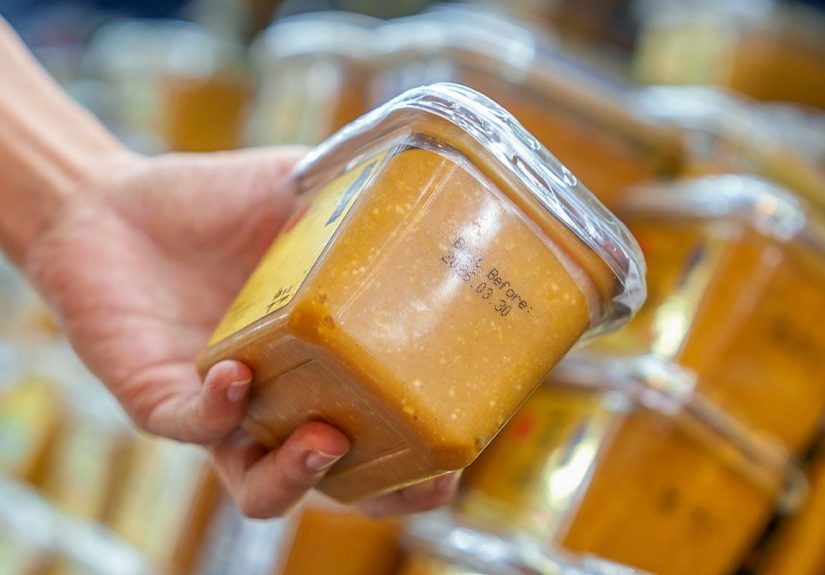
Most people use the phrase expiration date as a catch-all term, but on food packages in the United States, the printed date is often about quality, not safety. That means the manufacturer is telling you when the food is likely to taste best, have the best texture, or stay at peak freshness.
Best if Used By or Best Before
This is basically the food equivalent of “I’m at my best right now.” A cereal box, crackers, pasta, peanut butter, or can of soup may still be perfectly usable after this date. The quality may slowly drift downhill, though. Think stale chips, dry cookies, or coffee that tastes like regret.
Sell-By
This date is mostly for stores, not your stomach. It helps retailers manage inventory. If you buy a product before the sell-by date and store it correctly, it may still be fine for some time afterward.
Use-By
This is often the manufacturer’s last recommended date for peak quality. It sounds more dramatic, which is probably why it makes people nervous, but for most foods it is still not a magic food-safety trapdoor. Proper storage matters more.
Actual Expiration Dates
There is one big federal exception people should remember: infant formula. If infant formula is past its labeled date, do not use it. That is the rare case where the printed date really does carry special legal and nutritional weight.
So if you take only one thing from this section, let it be this: a printed date is often a quality marker, not a countdown to doom.
So, Can You Eat Food Past Its Expiration Date?
Often, yes. But the safer answer is: you may be able to eat food past its package date if it has been stored properly, the packaging is intact, and the food shows no signs of spoilage. The more perishable the item, the more cautious you should be.
A can of beans that is months past its best-by date is a different conversation from deli turkey that has been sitting in your fridge for a week and a half. One is probably just a little older than ideal. The other is auditioning for trouble.
When deciding whether to keep or toss food, ask these questions:
- Is the food shelf-stable or highly perishable?
- Has it been refrigerated or frozen properly?
- Is the packaging damaged, swollen, leaking, or unsealed?
- Does the food smell strange, look discolored, feel slimy, or show mold?
- Has it been sitting around too long after opening, cooking, or serving?
If the answers look reassuring, the food may still be fine. If even one answer sounds suspicious, it may be time for the trash can to do its noble work.
Foods That Are Often Fine After the Printed Date
Many shelf-stable foods can last beyond the date on the package, especially if they have been stored in a cool, dry, dark place. That includes foods like dry pasta, rice, cereal, flour, crackers, canned goods, and boxed snacks. They may lose crispness, flavor, or texture first, but that does not automatically make them unsafe.
Canned foods are a great example. If the can is in good condition, meaning no bulging, rusting, leaking, deep dents, or weird spurting when opened, the food inside can often remain usable well past a best-by date. The bigger concern is not the date itself. It is the condition of the can.
Frozen foods are also more forgiving than people think. Freezing keeps food safe for a very long time, although texture and flavor can suffer over time. A frozen bag of vegetables or chicken may not taste quite as good months later, but if it stayed continuously frozen, safety is much less of a concern than quality.
Even some refrigerated foods can survive beyond the label date if they have been kept cold and handled well. Yogurt, hard cheese, eggs, and pasteurized milk may sometimes outlast the printed date. That does not mean you should ignore common sense. It means the date alone should not be the only judge, jury, and executioner.
Foods That Deserve More Caution
Now for the part where the article puts on its responsible adult cardigan.
Highly perishable foods need more caution, especially after opening. This includes:
- Fresh meat, poultry, and seafood
- Deli meats and prepared salads
- Cut fruit and cut vegetables
- Soft cheeses
- Cooked leftovers
- Ready-to-eat refrigerated meals
These foods are more likely to support bacterial growth if they are stored too long or held at the wrong temperature. And here is the annoying part: dangerous bacteria do not always announce themselves with a bad smell. Some foods can look and smell acceptable and still be unsafe.
That is why safety experts repeat the same advice so often: never taste food to find out whether it is safe. Your tongue is talented, but this is not the job for it.
If you are cooking for someone who is pregnant, over 65, under 5, or has a weakened immune system, the safest move is to be even more conservative. For higher-risk groups, “probably okay” is not really the vibe you want at dinner.
Red Flags That Matter More Than the Date
Sometimes the food answers the question for you, loudly and without subtlety.
Throw It Out If You Notice:
- A bulging, leaking, rusted, or badly dented can
- Liquid or foam spurting out when a container is opened
- Broken seals or damaged packaging
- Slime on meat, poultry, or deli items
- Unusual color changes
- Off odors
- Visible mold on soft or high-moisture foods
Mold is especially tricky because people love to play the “I’ll just cut that part off” game. Sometimes that works, but only for certain foods. Hard cheese and some firm fruits and vegetables can sometimes be salvaged by cutting well around the moldy area. Soft bread, soft cheese, yogurt, jam, casseroles, and deli meat should usually be tossed entirely. Mold roots can spread farther than what you can see, which is a fun fact nobody asked for.
Smart Rules That Beat Guesswork
If you want fewer kitchen debates and fewer mystery containers, lean on a few simple food-safety rules.
Keep Your Fridge Cold
Your refrigerator should stay at 40°F or below, and your freezer should stay at 0°F or below. If you do not have an appliance thermometer, get one. They cost less than replacing a fridge full of groceries and far less than a miserable case of food poisoning.
Follow the 2-Hour Rule
Do not leave perishable food at room temperature for more than 2 hours. If the weather is above 90°F, the window shrinks to 1 hour. This is especially important for takeout, leftovers, picnic food, and party trays that spend too much time on the counter pretending they are decorative.
Use Leftovers Quickly
Leftovers should usually be eaten within 3 to 4 days. Put them in shallow containers, cool them promptly, and label them if your fridge tends to become a museum of unlabeled sauces.
Power Outage? Be Careful
If the power has been out for 4 hours or more, refrigerated perishables like meat, fish, eggs, milk, cut produce, and leftovers may need to be discarded. This is one of those moments when optimism should not be in charge.
Check Recalls
A food can still be dangerous even before its printed date if it has been recalled. If a product has been linked to contamination, the date on the package does not rescue it. Recall notices outrank optimism every time.
What About Eggs, Milk, Yogurt, and Bread?
These are the foods people inspect like detectives under a kitchen light.
Eggs
Eggs are often still usable after the date on the carton if they have been refrigerated properly and the shells are intact. But if an egg is cracked, smells off, or has been left warm too long, pass. For anyone in a higher-risk group, caution wins.
Milk
Milk may still be okay shortly after a printed date if it has stayed cold the whole time. But if it smells sour, looks lumpy, or has obvious curdling, the dairy era is over.
Yogurt
Unopened yogurt often lasts beyond the date on the cup, but once you see mold, separation with a bad smell, or a puffed-up container, it is done. Yogurt should not be auditioning for chemistry class.
Bread
Stale bread is not the same thing as unsafe bread. Bread can be toasted, turned into croutons, or transformed into French toast glory. But if it is moldy, toss the whole loaf. Do not try to negotiate with fuzzy green dots.
How to Waste Less Without Gambling With Your Stomach
You do not have to choose between being careful and being wasteful. You can do both food safety and food thrift at the same time.
- Use FIFO: First in, first out. Put older items in front.
- Label leftovers: Write the date on containers.
- Freeze early: Freeze foods before they are on the brink.
- Buy realistically: Aspirational kale is still kale.
- Store food properly: Good containers and correct temperatures matter.
- Use trusted storage guidance: If you are unsure, use a reliable food-storage chart instead of a dramatic guess.
A lot of food waste happens because people treat dates like strict safety deadlines when they are often just quality suggestions. The smarter approach is not to ignore dates. It is to place them in context.
Kitchen Experiences: What This Looks Like in Real Life
In real kitchens, this topic usually does not show up as a philosophical question. It shows up at 7:12 a.m. when someone is late for work and holding a yogurt cup like it contains classified information.
One very common experience is the “one day past the date panic”. You find cottage cheese, yogurt, eggs, or milk that just crossed the line yesterday, and suddenly it feels like the food became dramatic overnight. In reality, many people discover that properly refrigerated foods are often still fine shortly after the printed date, especially if the package is unopened and nothing looks or smells off. The lesson is not “ignore all dates.” The lesson is “do not assume the date is the whole story.”
Then there is the bread situation. Plenty of people have eaten stale bread, shrugged, and moved on with their lives. Stale is a quality issue. Toast exists for a reason. But once mold enters the chat, the mood changes fast. People often want to cut off one fuzzy corner and save the rest, mostly because no one enjoys throwing away half a loaf. Unfortunately, bread is one of those foods where mold can spread farther than you can see, so the safer move is to toss it. Painful? Yes. Correct? Also yes.
Another very relatable experience is the mystery leftover container. It begins with good intentions. You made chili, pasta, rice, or roasted chicken, packed it neatly, and promised yourself you would eat it tomorrow. Then tomorrow became Thursday, Thursday became next week, and now the container has lived in the back of the fridge long enough to qualify for local office. This is where people get into trouble, because leftovers are not judged by the original ingredients anymore. They are judged by how long they have been sitting there. Even excellent food has a short refrigerated life once it is cooked.
Power outages create another classic experience. People open the fridge after several hours without electricity and start bargaining with themselves. “The milk still feels cool.” “The chicken might be okay.” “The leftovers were probably insulated by the cheesecake.” This is usually the moment when safety rules need to override wishful thinking. Once perishables have been too warm for too long, it is safer to let them go than to trust hope as a preservation method.
And then there is the freezer, home of every well-meaning person who said, “I’ll save this for later.” Freezers rescue a lot of food and money. Many people are surprised to learn that frozen food can stay safe much longer than they assumed. What changes first is usually quality. Chicken may dry out, vegetables may soften, and ice cream may become the texture of frozen drywall, but that does not automatically mean the food is unsafe. In other words, the freezer is a wonderful safety tool, but not a magic wand for flavor.
The most useful real-life habit is simple: date your leftovers, keep your fridge cold, and trust clear warning signs more than the label alone. That habit saves money, cuts waste, and gives your stomach a much better chance of enjoying the evening.
Final Verdict
So, can you eat food past its expiration date? Often, yesbut not blindly. For many foods, especially shelf-stable and properly stored items, the printed date is more about quality than safety. But perishable foods, leftovers, damaged packages, recall notices, and obvious spoilage deserve a much firmer line.
The smartest rule is this: respect the date, but do not worship it. Look at the type of food, how it was stored, whether it has been opened, how long it has been in the fridge, and whether it shows warning signs. If the food is questionable, do not taste-test your luck. If it seems sound and has been handled properly, the date may be more of a suggestion than a sentence.
In short, your nose, your thermometer, your storage habits, and your common sense should all get a vote. The label gets one too. It just should not be the only voice in the room.






 Close
Close