Table of Contents >> Show >> Hide
- What Is a Car FOB, Exactly?
- Can I Program My Own Car FOB?
- Why Some Car Fobs Are DIY-Friendly
- Why Newer Fobs Often Need a Professional
- Before You Try Programming a Car Fob Yourself
- Common Types of Car Keys and Fobs
- How Much Does Car Fob Programming Cost?
- Dealer vs. Locksmith vs. Hardware Store: Which Is Best?
- Can a Used Key Fob Be Reprogrammed?
- Can I Program a Car Fob Without the Original?
- What Can Go Wrong With DIY Car Fob Programming?
- Safety and Security: Program Only Your Own Vehicle
- Tips to Save Money on Car Fob Programming
- When You Should Not Try DIY Programming
- Practical Owner Experiences With Car Fob Programming
- Conclusion: So, Can You Program Your Own Car FOB?
- SEO Tags
Few tiny objects create more drama than a car key fob. It lives in your pocket, falls between couch cushions like it pays rent there, and somehow costs enough to make your wallet clutch its pearls. So the big question is fair: Can I program my own car FOB? The honest answer is: sometimes, yesbut not always, and definitely not with every vehicle.
Older keyless entry remotes are often friendly to do-it-yourself programming. Many newer smart keys, proximity fobs, push-button-start remotes, and transponder keys are more guarded than a celebrity’s phone passcode. They may require dealer software, an automotive locksmith, proof of ownership, and specialized equipment. In other words, your 2006 sedan might say, “Sure, let’s pair this remote.” Your 2024 luxury SUV might respond, “Please see my security department.”
This guide breaks down what car fob programming really means, when you can do it yourself, when you should call a professional, how much it may cost, and how to avoid turning a small key problem into a big driveway opera.
What Is a Car FOB, Exactly?
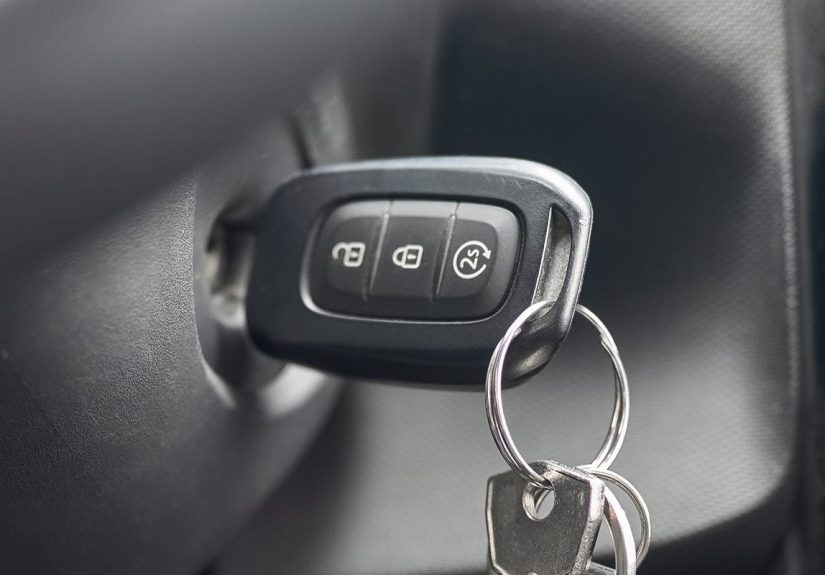
A car fob is the remote device that locks, unlocks, opens the trunk, starts the engine remotely, or communicates with a push-button ignition system. Some people write it as “FOB,” but it is commonly written as “fob.” Either way, it is the small gadget that makes your car obey from a distancewhen it is in a good mood.
Not all fobs are the same. A basic remote key fob may only control door locks and the panic button. A transponder key includes a chip that communicates with the vehicle’s immobilizer system. A smart key or proximity fob allows keyless entry and push-button start when the fob is near the vehicle. The more advanced the key, the more complicated programming becomes.
Can I Program My Own Car FOB?
Yes, you may be able to program your own car fob if your vehicle supports onboard programming and you already have the correct compatible remote. Many older vehicles allow owners to pair a replacement remote through a process described in the owner’s manual. Some aftermarket remotes also come with model-specific programming instructions.
However, many modern vehicles do not allow full DIY programming. This is especially true for smart keys, proximity keys, laser-cut keys, and keys tied to anti-theft immobilizer systems. In those cases, the fob must be programmed using professional diagnostic tools or manufacturer-approved software. That usually means visiting a dealership, automotive locksmith, hardware store key service, or specialty key provider.
The rule of thumb is simple: if the fob only controls locks and the trunk, DIY programming is more likely. If the fob starts the engine, communicates with an immobilizer, or lets the car detect your presence without pressing buttons, professional programming is more likely.
Why Some Car Fobs Are DIY-Friendly
Older keyless entry systems were designed with simpler pairing procedures. The vehicle could be placed into a learning mode, and the remote could be added by following a sequence in the owner’s manual. This was convenient for owners and reduced dealership visits for basic remote replacement.
These systems usually handled convenience features, not core engine security. If the remote failed, you could still unlock the vehicle with a physical key and start the engine normally. Because the fob was not deeply connected to the immobilizer, the risk level was lower, and DIY programming made more sense.
Why Newer Fobs Often Need a Professional
Modern cars use stronger anti-theft systems. That is good news for vehicle security, but less fun when you are standing in a parking lot with a dead fob and a melting ice cream cone. Smart keys and transponder systems are designed to prevent unauthorized starting. To add a new fob, the vehicle may need encrypted communication, security codes, or software access that is not available through a simple owner procedure.
Dealers and qualified automotive locksmiths can often program these keys because they have the right scan tools, key databases, security credentials, and cutting equipment. Some hardware stores and retail key services can also program many common models, especially popular Ford, Chevrolet, Toyota, Honda, Nissan, Jeep, Subaru, Hyundai, Kia, and Dodge vehicles.
Before You Try Programming a Car Fob Yourself
Check the Owner’s Manual
Your owner’s manual is the first place to look. If the manufacturer allows self-programming, the manual may explain the approved method or direct you to a dealer for certain key types. Do not rely only on random online instructions, because one model year can differ from another. A procedure that works on a 2014 model may do absolutely nothing on a 2017 model except make you question your life choices.
Confirm the Exact Part Number
A replacement fob must match your vehicle’s year, make, model, trim, frequency, button layout, and part number. Two fobs can look identical and still be incompatible. That is one of the sneaky little joys of modern car electronics. Always compare the FCC ID, OEM part number, or compatibility information before buying.
Start With the Battery
If your current fob stopped working, do not immediately assume it needs programming. Many fob issues come from a weak coin-cell battery. Common battery types include CR2032 and CR2025, though the correct battery depends on the vehicle. Replacing the battery is cheap, quick, and far less dramatic than ordering a new fob.
Have All Existing Fobs Ready
Some vehicles erase old remotes when new ones are added. That means all working fobs may need to be present during programming. If you program only the new fob and forget the spare in a kitchen drawer, the spare may stop working. Your car is not being rude; it is just following security rules.
Common Types of Car Keys and Fobs
Basic Remote Fob
A basic remote fob locks and unlocks doors but does not start the car by itself. These are the most likely to support DIY programming, especially on older vehicles. Replacement costs are often lower than smart keys, and programming may be simple if the vehicle supports onboard pairing.
Transponder Key
A transponder key has a small chip inside the plastic head. The chip must be recognized by the vehicle before the engine starts. Even if the metal blade is cut perfectly, the car may not start unless the transponder is programmed. Many transponder keys require a locksmith or dealer, although some vehicles allow owner programming if you already have one or two working keys.
Switchblade Key
A switchblade key folds into the fob and flips out when you press a button. It looks fancy, which usually means it costs more when it disappears. Programming depends on whether it includes a transponder chip and how the vehicle handles security pairing.
Smart Key or Proximity Fob
A smart key allows keyless entry and push-button start. The vehicle senses the fob nearby. These are convenient, but replacement and programming can be expensive. Many smart keys require professional tools, and some luxury models can be especially costly.
How Much Does Car Fob Programming Cost?
The cost to program a car fob varies widely. A simple remote may cost much less than a smart key. A dealership may charge more than a local automotive locksmith or retail key service. In general, basic fob programming may be relatively affordable, while smart key programming can run into the hundreds of dollars.
Replacement key fobs themselves may cost anywhere from modest aftermarket prices to several hundred dollars for OEM smart keys. Programming may be free in rare cases, included with the purchase, or billed as a separate service. Mechanical key cutting can add another charge, especially for laser-cut or high-security key blades.
To avoid sticker shock, ask for an itemized quote. You want to know the cost of the fob, key cutting, programming, service call, taxes, and any warranty. A quote that sounds cheap at first can grow extra legs if programming and cutting are not included.
Dealer vs. Locksmith vs. Hardware Store: Which Is Best?
Dealership
A dealership is often the safest choice for newer vehicles, luxury brands, and complicated smart keys. Dealers have access to manufacturer systems and original equipment parts. The downside is cost. Dealership replacement can be expensive, and appointments may take longer than expected.
Automotive Locksmith
A qualified automotive locksmith can be a great middle ground. Many can come to your location, cut keys, program fobs, and handle lost-key situations. This is especially helpful if you have no working key and the vehicle cannot be driven. Always choose a reputable locksmith with automotive experience, not just someone who usually handles house locks and has a heroic attitude.
Hardware Store or Retail Key Service
Some hardware stores and battery/key retailers offer car key cutting and fob programming for many common vehicles. This can be convenient and cheaper than a dealer. However, coverage varies by store and vehicle. You may need to bring the car, all existing fobs, identification, and proof of ownership.
Can a Used Key Fob Be Reprogrammed?
Sometimes, but be careful. Some used fobs can be reset and paired to another vehicle, while others are locked to the original car and cannot be reused easily. Buying a used fob online can save money, but it can also become an expensive key-shaped paperweight.
Before buying used, confirm that the fob can be unlocked, reset, or reprogrammed for your exact vehicle. Ask the seller for the part number and verify it with a dealer, locksmith, or key service. If nobody can confirm compatibility, treat the bargain like a suspiciously cheap sushi buffet.
Can I Program a Car Fob Without the Original?
Usually, this is harder. Many vehicles require at least one working key or fob to add another one through an owner procedure. If all keys are lost, the vehicle may need professional programming, proof of ownership, and sometimes towing or mobile locksmith service.
This is why having a spare fob is one of the smartest things you can do. The cheapest time to make a spare is when you still have a working key. The most expensive time is after the only fob has vanished into the mysterious universe where sunglasses and left socks also go.
What Can Go Wrong With DIY Car Fob Programming?
DIY programming can fail for several simple reasons. The fob may be incompatible. The battery may be weak. The vehicle may not support self-programming. The timing may be wrong. One door may be open. Another fob may be missing. The car may require a security PIN or professional tool. Sometimes the issue is not the fob at all, but a receiver, door module, antenna, ignition switch, or vehicle battery problem.
The biggest mistake is assuming every online instruction applies to every car. Car fob systems are model-specific. Using the wrong method generally will not damage the car, but it can waste time and create confusion. If a procedure does not work after a careful attempt, stop and verify compatibility before trying five more internet rituals under a full moon.
Safety and Security: Program Only Your Own Vehicle
Car fob programming is tied to vehicle access and theft prevention. Only program a fob for a vehicle you legally own or are authorized to service. Reputable locksmiths, dealers, and retailers may ask for identification, registration, title, or proof of ownership. That is not them being difficult; that is them preventing someone else from driving away in your car while whistling casually.
For the same reason, avoid anyone offering suspiciously cheap “no questions asked” programming. A legitimate service should care about vehicle security. If they do not, that is a red flag with flashing hazard lights.
Tips to Save Money on Car Fob Programming
Make a Spare Before You Lose the Only One
This is the golden rule. If you have one working fob, pricing and programming options are usually better. If you lose all keys, the job can become more expensive because the vehicle must be accessed and programmed from scratch.
Compare Quotes
Call the dealership, a local automotive locksmith, and a retail key service. Ask each one whether the quote includes the fob, programming, key cutting, and warranty. You may find a large price difference for the same job.
Ask About Aftermarket Fobs
Aftermarket fobs can be cheaper, but quality varies. Some work well; others have poor range, weak buttons, or compatibility problems. If you choose aftermarket, buy from a reputable seller and confirm that the service provider is willing to program that fob.
Keep the Old Fob If It Still Works Partly
Even a damaged fob may contain useful information, a key blade, or a working circuit board. Do not throw it away until the replacement is fully programmed and tested.
When You Should Not Try DIY Programming
Skip DIY programming if your vehicle uses a smart key with push-button start and the manual does not provide an owner programming method. You should also use a professional if all keys are lost, the fob is tied to an immobilizer, the car displays a security warning, the replacement key needs laser cutting, or the vehicle is under warranty and you want to avoid unnecessary headaches.
Professional help is also wise if the remote problem started after electrical work, water damage, theft attempt, battery replacement, or module repair. In those cases, the fob may not be the villain. It may just be the messenger wearing tiny plastic armor.
Practical Owner Experiences With Car Fob Programming
Here is where the real world gets interesting. Many drivers start the process with confidence: “How hard can it be?” Then they discover that car fobs are not like TV remotes. You cannot simply point them at the car, press every button, and hope the vehicle appreciates your enthusiasm.
One common experience involves an older vehicle with a separate lock-and-unlock remote. The owner buys a matching replacement fob, checks the manual, follows the approved pairing process, and the locks cycle successfully. That is the best-case DIY story. The owner saves money, gains a spare remote, and walks away feeling like a certified driveway wizard.
Another common story is the “wrong fob” problem. The replacement looks identical to the original, the buttons match, and the seller swears it fits. But the part number or frequency is different. The owner spends an hour trying to program it, only to learn that the car and fob are speaking different electronic languages. This is why compatibility matters more than appearance. A fob can look right and still be completely wrong.
Then there is the battery confusion story. A driver thinks the fob has lost programming because the car no longer responds. After pricing replacement fobs, calling a dealer, and emotionally preparing for a large bill, the fix turns out to be a fresh coin-cell battery. This is the car-key version of turning the Wi-Fi router off and on again. Not glamorous, but often effective.
Some owners discover that programming a spare is much easier while one working key remains available. For example, a vehicle may allow an additional key to be added only if an existing programmed key is present. The same vehicle may require professional service if all keys are lost. That difference can turn a simple spare-key purchase into a much more expensive recovery job. In plain English: do not wait until the last fob disappears before thinking about a backup.
Drivers with newer push-button-start vehicles often have a different experience. They buy a smart fob online, but the vehicle refuses to recognize it without professional programming. A locksmith or dealer then needs to verify ownership, access the car’s security system, and pair the fob. The process may be quick once the right equipment is connected, but the equipment and authorization are the reason it costs money.
There are also good experiences with retail key services. Many owners report saving money by using a hardware store, battery shop, or automotive locksmith instead of going directly to the dealership. This works best for common models where parts and programming support are readily available. The key is to ask questions first: Can they program your exact year, make, model, and trim? Will they guarantee the fob? Do they need all existing fobs present? Can they cut the emergency key blade?
The most frustrating experiences usually come from buying the cheapest fob online without checking return policies or programming support. A low price is tempting, but if the fob cannot be programmed, the savings disappear. A slightly more expensive fob from a reputable source with compatibility support can be the better deal.
The most useful lesson from all these experiences is simple: treat car fob programming like a small security project, not just a shopping errand. Confirm the part, check the manual, replace the battery first, compare service options, and keep a spare. Your future selfthe one standing in the rain outside a locked carwill be deeply grateful.
Conclusion: So, Can You Program Your Own Car FOB?
You can program your own car fob in some cases, especially if you drive an older vehicle with a basic remote and the owner’s manual includes a self-programming method. But if your fob includes a transponder, smart key, proximity sensor, push-button start, or advanced anti-theft pairing, you will probably need a dealership, automotive locksmith, or professional key service.
The smartest move is not guessing. Check your manual, verify the exact fob part number, replace the battery first, and get quotes before buying. DIY can save money when the vehicle supports it. Professional programming can save time, stress, and security problems when the vehicle does not.
Note: This article is intended for lawful vehicle owners who are replacing, pairing, or troubleshooting their own car fobs. For lost-key situations, smart keys, immobilizer issues, or uncertain compatibility, use a verified automotive locksmith, dealership, or trusted key service.