Table of Contents >> Show >> Hide
- Quick refresher: what is a “stomach ulcer,” really?
- What actually causes most ulcers?
- So… can stress cause stomach ulcers?
- How stress can worsen symptoms or slow healing
- Ulcer symptoms that shouldn’t be ignored
- Getting a real answer: how ulcers are diagnosed
- Treatment that works (and the stuff that doesn’t)
- If stress isn’t the cause, why does my stomach hurt when I’m stressed?
- Stress management that actually helps your stomach
- Preventing ulcers (or keeping them from coming back)
- Real-World Experiences: What People Notice (and What Helps)
- Conclusion
If you’ve ever had that gnawing, burning, “my stomach is auditioning for a drama series” feeling during a stressful week, you’re not alone. A lot of people connect stress with ulcers the way we connect rain with forgetting an umbrella: it feels inevitable.
But here’s the plot twist: for most people, everyday psychological stress isn’t the main cause of stomach ulcers. Still, stress can absolutely stir up ulcer-like symptoms, make existing ulcers feel worse, and slow the healing process in some very practical ways. So the real answer is: probably not by itselfbut stress can be a powerful accomplice.
Quick refresher: what is a “stomach ulcer,” really?
A stomach ulcer is an open sore in the lining of your stomach. Doctors usually group stomach ulcers and ulcers in the first part of the small intestine (the duodenum) under one umbrella term: peptic ulcer disease. The lining is supposed to protect you from the acid and enzymes that help digest food. An ulcer forms when that protective barrier breaks down and the tissue gets damaged.
Gastric vs. duodenal: same family, different addresses
- Gastric ulcer: in the stomach.
- Duodenal ulcer: in the duodenum (just past the stomach).
Symptoms can overlap, but the cause-and-treatment playbook is often similarespecially the big two culprits you’re about to meet.
What actually causes most ulcers?
Despite the old-school idea of “Type A personality + hot sauce = ulcer,” modern medicine points to two major causes that show up again and again in real patients:
1) H. pylori infection
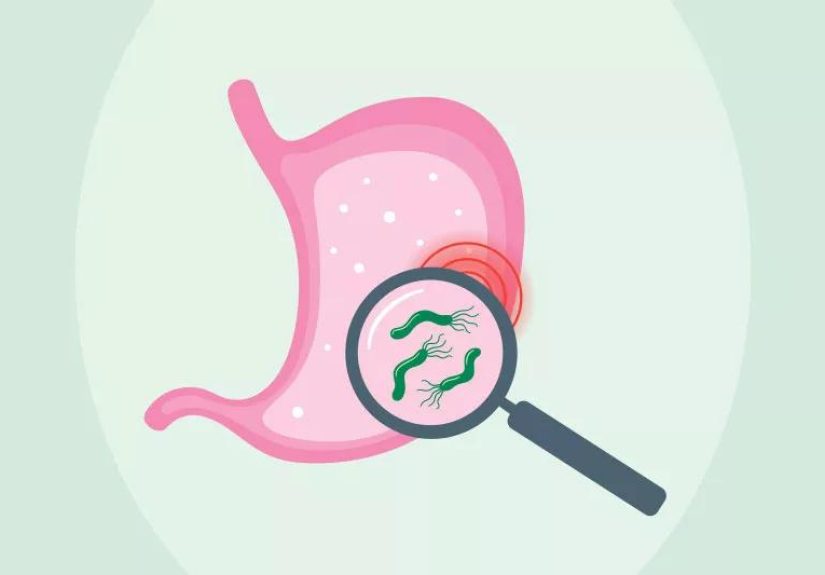
Helicobacter pylori (H. pylori) is a bacteria that can live in the stomach and damage the protective lining. Over time, that damage can lead to ulcers. Not everyone with H. pylori gets an ulcerbut it’s one of the most common underlying reasons ulcers develop.
2) NSAIDs (common pain relievers)
NSAIDs are nonsteroidal anti-inflammatory drugslike ibuprofen and naproxen. They’re helpful for pain and inflammation, but frequent or high-dose use can irritate the stomach lining and reduce the stomach’s natural protective defenses. Translation: the same pills you take for a headache can, over time, set up your stomach for a very different kind of pain.
Less common causes (the “rare, but real” list)
Most ulcers come down to H. pylori or NSAIDs. But ulcers can also happen from other medical conditions and situations, including:
- Severe illness or injury (more on this in the stress section)
- Smoking (increases ulcer risk and can slow healing)
- Heavy alcohol use (can irritate and inflame the lining)
- Very rare hormone-related acid overproduction (like Zollinger-Ellison syndrome)
So… can stress cause stomach ulcers?
The honest answer depends on what you mean by “stress.”
Everyday psychological stress: usually not the direct cause
Typical life stressschool pressure, work deadlines, family drama, money worriesdoesn’t usually create an ulcer from scratch. Large medical organizations have been pretty consistent about this: stress doesn’t “cause” most peptic ulcers the way H. pylori and NSAIDs do.
That said, some research suggests psychological stress may be associated with a higher risk of developing peptic ulcers. The likely explanation is that stress can influence the behaviors and body processes that make ulcers more likely (think: more NSAID use, worse sleep, smoking, inconsistent meals, and changes in gut sensitivity). In other words, stress may not be the matchbut it can bring the gasoline.
Severe physical stress: yes, this is a real ulcer situation
There’s also something called stress-related mucosal disease (sometimes casually called “stress ulcers”). This is not about a rough weekit’s typically about critical illness: major burns, severe trauma, sepsis, shock, major surgery, or time in the ICU.
In those cases, the body is under extreme physiological stress. Blood flow to the stomach lining can drop, inflammation ramps up, and the protective barrier weakens quickly. The result can be sudden erosions or ulcers and sometimes serious bleeding. This is why hospitals may use “stress ulcer prophylaxis” for certain high-risk ICU patients.
How stress can worsen symptoms or slow healing
Even if stress isn’t the main cause, it can still make ulcer symptoms louder and healing slowerthrough two big pathways: behavior and biology.
Behavior: stress changes what you do (and what you take)
- More NSAIDs: Stress headaches, body aches, and “I just need to function today” can lead to frequent ibuprofen use. That’s a direct ulcer risk.
- More smoking or vaping: Nicotine can interfere with healing and may increase ulcer risk.
- More alcohol or caffeine: Not guaranteed to cause ulcers, but can irritate symptoms for many people.
- Worse sleep: Poor sleep is linked with higher pain sensitivity and changes in inflammation.
- Skipping meals or eating “whatever”: This doesn’t magically create ulcers, but it can make symptoms harder to manage.
Biology: stress changes how your gut feels and reacts
Stress can affect stomach acid patterns, gut motility, and pain perception. It can also increase sensitivity in the digestive tract, meaning sensations that might normally be mild can feel intense. That’s one reason stress can mimic ulcer symptoms even when the real issue is something elselike reflux, gastritis, or functional dyspepsia.
Ulcer symptoms that shouldn’t be ignored
Common symptoms
- Burning or gnawing pain in the upper abdomen
- Pain that may come and go, sometimes tied to meals
- Bloating, belching, nausea
- Feeling full quickly
Red flags: get urgent medical care
Ulcers can bleed. And bleeding is not the moment to “drink some tea and see how it goes.” Get urgent care right away if you notice:
- Black, tarry stools
- Vomiting blood or material that looks like coffee grounds
- Severe, sudden abdominal pain
- Dizziness, fainting, or signs of anemia (unusual fatigue, shortness of breath)
Getting a real answer: how ulcers are diagnosed
Because stress can imitate ulcer symptoms, guessing can lead to weeks of suffering (and the wrong fixes). Diagnosis usually involves two goals: confirm whether there’s an ulcer, and identify the cause.
Testing for H. pylori
Common tests include a breath test or stool test. Blood tests exist but are less useful for confirming an active infection in many real-world settings. If H. pylori is present, treatment focuses on eradicating it.
Endoscopy (the “camera check”)
An upper endoscopy lets a clinician see the stomach lining directly and look for ulcers, inflammation, or bleeding. If needed, they can also take small samples to test for H. pylori and rule out other issues.
Treatment that works (and the stuff that doesn’t)
If H. pylori is the cause
Treatment typically involves a combination of antibiotics plus a proton pump inhibitor (PPI) to reduce acid and help the tissue heal. Finishing the full course mattersH. pylori is not impressed by half-effort.
If NSAIDs are the cause
The key step is reducing or stopping the NSAID when possible, plus using acid-reducing medicine (often a PPI). If someone must keep taking an NSAID for a medical reason, clinicians may add protective strategies to reduce risk.
What about diet?
Spicy food and stress don’t usually cause ulcers, but certain foods and drinks can worsen symptoms for some people. A practical rule: avoid whatever reliably makes you feel worse. For many, that may include alcohol, very fatty foods, or lots of caffeine. Milk and antacids may temporarily soothe, but they don’t “cure” an ulcer.
If stress isn’t the cause, why does my stomach hurt when I’m stressed?
Because your gut has excellent timingand by “excellent” we mean “rude.” Stress can worsen several conditions that feel ulcer-like:
- Acid reflux (GERD): burning, discomfort, sour taste
- Gastritis: stomach lining inflammation that can hurt like an ulcer
- Functional dyspepsia: upper belly discomfort without an ulcer on testing
These can overlap with true peptic ulcer symptoms, which is why persistent pain deserves proper evaluation.
Stress management that actually helps your stomach
No, you don’t have to “just relax” (if that worked, group chats would be much quieter). The goal is reducing your body’s stress load and avoiding stress-driven habits that irritate your stomach.
Small, realistic moves
- Swap the reflex NSAID: If you’re reaching for ibuprofen often, talk to a clinician about safer options for you.
- Regular meals: Not perfect mealsjust consistent enough to keep your stomach from going full chaos mode.
- Sleep protection: Even a 30–60 minute improvement can reduce stress reactivity and pain sensitivity.
- Gentle movement: Walking after meals can help stress and digestion for many people.
- Brain tools: Breathing exercises, mindfulness, and cognitive behavioral strategies can reduce symptom intensity over time.
Preventing ulcers (or keeping them from coming back)
- Treat H. pylori and confirm it’s gone if your clinician recommends follow-up testing.
- Use NSAIDs carefully: lowest effective dose, shortest possible time; ask about stomach protection if you need them regularly.
- Avoid smoking/nicotine to support healing and reduce recurrence risk.
- Limit alcohol if it worsens symptoms or irritates your stomach.
- Don’t ignore persistent painespecially if you have risk factors like frequent NSAID use.
Real-World Experiences: What People Notice (and What Helps)
The internet loves a simple villain. Stress is an easy one because it’s always around, it’s loud, and it has a habit of showing up right before your stomach starts acting suspicious. In real life, people’s experiences tend to look more like a messy group project: stress is rarely working alone.
Experience #1: “My stomach hurts when I’m anxiousso it must be an ulcer.”
A common story is someone going through finals, a job crunch, or a family situation. They feel burning pain, nausea, or a tight, unsettled upper belly. They assume “stress ulcer,” cut out spicy food, and try to power through. Sometimes the symptoms improve as life calms downbecause the real issue may have been reflux, gastritis, or stress-sensitive digestion. Other times it doesn’t improve, and that’s when testing reveals the real cause (like H. pylori or NSAID irritation). The big lesson people report: stress can explain why it flares, but it doesn’t always explain what it is.
Experience #2: The “helpful” headache routine that wasn’t helpful.
Many people notice a pattern: stress causes headaches, so they take ibuprofen more oftensometimes daily. A few weeks or months later, they develop that classic gnawing stomach pain. When they finally connect the dots, it’s almost comical: they were treating stress symptoms with something that can injure the stomach lining. In these cases, relief often starts when NSAID use is reduced and a clinician recommends appropriate acid-suppressing treatment. People often say the turning point was not a miracle foodit was changing the medication habit.
Experience #3: “I tried cutting everything out… and got miserable.”
Some folks respond to stomach pain by starting a “food detective” phase: no coffee, no spice, no dairy, no gluten, no joy. If you’ve ever eaten plain rice while side-eyeing a banana like it’s suspicious, welcome to the club. People often find that extreme restriction helps briefly (mostly by avoiding irritation), but it can also increase stress and make eating feel scary. A more sustainable approach many describe is symptom-based moderation: keep meals simple while symptoms are active, avoid known triggers, then gradually return to a normal balanced dietespecially once treatment is working.
Experience #4: The surprise H. pylori diagnosis.
A lot of people are genuinely shocked when testing shows H. pylori. They assumed ulcers were “modern life problems,” not bacteria. After treatment, many report a noticeable drop in the burning pain and the random nausea that used to “come out of nowhere.” What sticks with them is how long they blamed stress for something that had a clear medical causeand how much better they felt once the real cause was treated.
Experience #5: Stress management helps… even when stress didn’t cause it.
People often say something like: “My ulcer treatment worked, but my symptoms didn’t fully calm down until I fixed my sleep and stress.” That makes sense. Stress can keep the nervous system on high alert, amplify pain signals, and increase the urge to reach for quick fixes (like NSAIDs, caffeine, or skipping meals). Practical stress tools that people commonly report helping include short daily walks, breathing exercises before meals, consistent bedtime routines, and talking to a professional when anxiety is chronic. The best part? These changes help regardless of whether the diagnosis is a true peptic ulcer, reflux, or functional dyspepsia.
Bottom line from real-life patterns: Stress is often the spotlight, not the whole stage. If symptoms persist, recur, or come with red flags, people do best when they stop guessing and start testingthen treat the real cause and use stress management to reduce flare-ups and speed recovery.
Conclusion
Can stress cause stomach ulcers? In most everyday situations, stress alone usually isn’t the direct cause. The heavy hitters are still H. pylori and NSAID use. But stress can absolutely worsen symptoms, increase risk through habits and body changes, and slow healingso it deserves attention in any smart ulcer prevention or recovery plan. If you have ongoing upper abdominal pain, especially with red-flag symptoms, get checked. Your stomach deserves facts, not guesses.