
Table of Contents >> Show >> Hide
- Are Poppy Seeds Safe During Pregnancy?
- What Makes Poppy Seeds Risky in Pregnancy?
- So, Should You Avoid Poppy Seeds Completely While Pregnant?
- Benefits of Poppy Seeds During Pregnancy: Are There Any?
- When You Should Talk to Your Doctor
- Tips for Eating Poppy Seeds More Safely During Pregnancy
- The Bottom Line
- Real-Life Experiences Related to “Can You Eat Poppy Seeds During Pregnancy?”
- SEO Tags
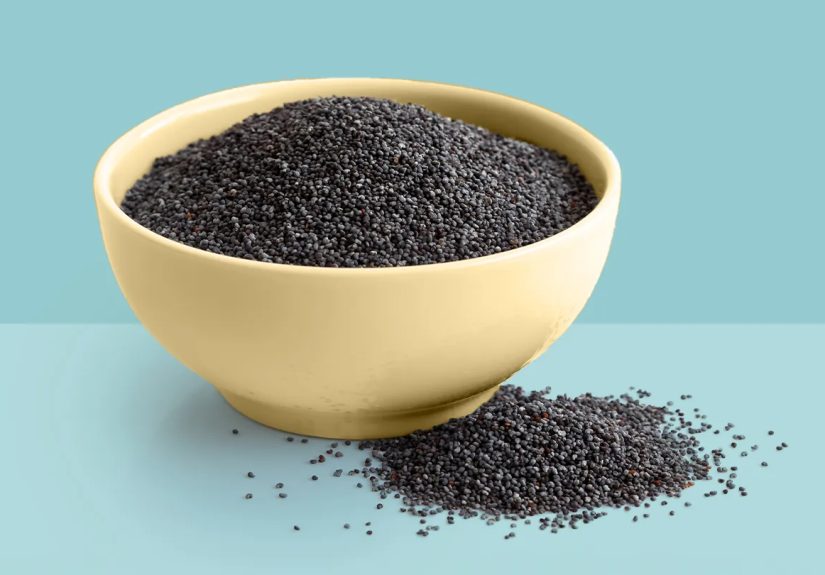
Pregnancy turns ordinary snacks into full-blown investigations. One day it is sushi. The next day it is deli meat. Then suddenly you are staring at a lemon poppy seed muffin like it personally offended your prenatal vitamin. So, can you eat poppy seeds during pregnancy? In most cases, yessmall culinary amounts of poppy seeds in foods like muffins, bagels, crackers, and dressings are generally considered low risk during pregnancy. But there is a plot twist: poppy seeds come from the opium poppy plant, and some seeds can carry trace opioid residues on their surface. That means the real conversation is not just about safety in food. It is also about drug-test confusion, unwashed seeds, and poppy seed tea.
If you want the practical answer without the medical maze, here it is: a normal poppy seed bagel is usually not a pregnancy villain. Homemade or marketed poppy seed tea, unwashed bulk seeds, and “high-morphine” or unprocessed seeds sold online are a very different story. Those are worth avoiding completely. Let’s break it all down in plain English, with no drama and no crunchy-granola guessing games.
Are Poppy Seeds Safe During Pregnancy?
For most pregnant women, eating poppy seeds in normal food amounts is generally okay. Major pregnancy nutrition guidance in the United States encourages a balanced diet that includes seeds as part of healthy protein and fat intake. At the same time, major “foods to avoid during pregnancy” lists focus on things like raw meat, unpasteurized dairy, high-mercury fish, alcohol, and foods tied to foodborne illnessnot ordinary baked goods topped with a few poppy seeds.
That does not mean poppy seeds are magical little nutrition heroes wearing capes. It means they are not usually treated as a standard pregnancy food hazard when they are part of commercially prepared food. If you eat a slice of lemon poppy seed loaf and your baby does not file a complaint, that is because culinary use is a very different situation from concentrated or unprocessed products.
Why the Confusion Exists
Poppy seeds come from Papaver somniferum, the same plant associated with opium alkaloids like morphine and codeine. Mature seeds themselves do not naturally contain the milky latex where those alkaloids are concentrated, but the outside of the seeds can become contaminated during harvesting and processing. That is why one muffin is not the same as another, and why a bakery item is not the same as a bottle of unwashed seeds bought online.
In other words, the seed is usually not the problem. The residue on the seed can be.
What Makes Poppy Seeds Risky in Pregnancy?
The risks fall into three big buckets: opioid residue, product type, and timing around drug testing.
1. Trace Opioid Residue Can Vary
Not all poppy seeds are created equal. Some contain very low levels of surface contamination. Others may contain more, depending on how the seeds were harvested, cleaned, stored, and processed. This is why experts talk about variability so much. A poppy seed muffin from a grocery bakery is not necessarily equivalent to a homemade drink made from unwashed seeds or a bulk bag labeled for “tea washing.”
Commercial handling matters. Washing, heat, and standard food preparation can reduce morphine and codeine residues. That helps explain why ordinary prepared foods are generally less concerning than raw, unprocessed, or intentionally concentrated products.
2. Poppy Seed Tea Is a Hard No
If regular poppy seeds are the “usually fine in small amounts” part of the conversation, poppy seed tea is the giant flashing red warning sign. Poppy seed tea is typically made by soaking large amounts of unwashed or minimally processed seeds in water, sometimes with lemon juice, to extract opioid compounds. That is the opposite of casual culinary use.
During pregnancy, this is especially important because opioid exposure is not something to freestyle with in your kitchen. Poppy seed tea has been associated with overdose, respiratory depression, dependence, withdrawal, and highly unpredictable potency. Translation: if somebody on the internet calls it “natural,” that does not make it safe. Poison ivy is natural, too. Nature has range.
3. Drug Test Problems Can Happen
Here is the part that surprises people: eating ordinary dietary amounts of poppy seeds can sometimes trigger a positive opioid test. It does not happen every single time, and it depends on the test, the amount eaten, the product, and the timing. But it is a real issue documented in toxicology and drug-testing guidance.
This matters in pregnancy because some women are tested during prenatal care, labor, or delivery under certain hospital policies or medical circumstances. A poppy seed bagel right before an opioid screen is not ideal timing. So while the food itself may be low risk, the paperwork aftermath can be a bureaucratic circus.
So, Should You Avoid Poppy Seeds Completely While Pregnant?
Not necessarily. For most people, a reasonable middle-ground approach works well:
- Okay in moderation: commercially prepared baked goods, breads, crackers, muffins, bagels, or salad dressings that contain normal culinary amounts of poppy seeds.
- Avoid: poppy seed tea, unwashed seeds, raw bulk seeds sold for extraction, “high-morphine” seeds, or supplements/herbal products made from poppy or marketed for pain relief or relaxation.
- Use extra caution: if you are in opioid recovery, if your hospital or employer may perform drug testing, or if you are close to delivery and may be screened.
If you are the kind of person who enjoys a poppy seed bagel once in a while, there is usually no reason to panic. If you are drinking something called “poppy wash” from the internet, that is a completely different conversation, and the answer is no.
Benefits of Poppy Seeds During Pregnancy: Are There Any?
Nutritionally, poppy seeds do contain some useful nutrients, including small amounts of fiber, fat, and minerals. But let’s be honest: in typical serving sizes, they are not the nutritional centerpiece of your pregnancy diet. Nobody’s OB is likely to say, “Your baby urgently needs a third poppy seed muffin today.”
That said, when poppy seeds appear in whole-grain or nutrient-dense foods, they can be part of an overall healthy eating pattern. The bigger nutritional story in pregnancy is still the usual cast of characters: folate, iron, calcium, protein, iodine, DHA, hydration, and enough overall calories to support fetal growth.
So if you like poppy seed bread, enjoy it as foodnot as medicine, not as a fertility hack, and definitely not as a chemistry experiment.
When You Should Talk to Your Doctor
Check in with your OB-GYN, midwife, or prenatal clinician if any of the following apply:
- You have eaten large amounts of unwashed or raw poppy seeds.
- You have consumed poppy seed tea or any poppy-based herbal product.
- You are in treatment or recovery for opioid use disorder.
- You are about to have a drug screen during pregnancy, labor, or postpartum care.
- You feel unusual symptoms after eating a poppy seed product, such as marked drowsiness, slowed breathing, dizziness, or confusion.
Pregnancy is not the time for mystery ingredients or wellness dares. If a product sounds medicinal, sedating, pain-relieving, or oddly intense for something sold next to baking supplies, skip it and ask first.
Tips for Eating Poppy Seeds More Safely During Pregnancy
- Choose regular grocery-store foods rather than internet products marketed as unwashed or potent.
- Stick to small culinary amounts instead of giant portions or repeated servings in one day.
- Do not make poppy seed tea at home. Ever. Pregnancy is not a season finale challenge.
- Read labels carefully on herbal blends, tinctures, and supplements.
- Avoid poppy seeds before an opioid test, especially late in pregnancy or before delivery if screening is possible.
- Tell your provider if you recently ate poppy seed foods and a test result comes back positive.
The Bottom Line
Yes, you can usually eat poppy seeds during pregnancy in normal food amounts. A poppy seed muffin or bagel from a standard bakery is generally not considered a routine pregnancy danger. The bigger concerns are unwashed or highly contaminated seeds, poppy seed tea, and false-positive opioid drug tests.
So the sensible takeaway is this: enjoy ordinary poppy seed foods occasionally if you want to, but do not treat poppy products like a supplement, a sedative, or a DIY pain remedy. And if you are heading into labor, being monitored closely, or expecting a drug screen, it may be smart to skip the poppy seed pastry for a few days and choose something less likely to cause drama. Blueberry muffins have never ruined anyone’s afternoon paperwork.
Real-Life Experiences Related to “Can You Eat Poppy Seeds During Pregnancy?”
One reason this topic keeps coming up is because pregnancy changes the emotional math of food. Before pregnancy, a lemon poppy seed muffin is just breakfast. During pregnancy, it can feel like a tiny sesame-sized crisis. Many expectant moms describe the same pattern: they eat a bagel, remember something vague they read online, and then spend the next hour searching whether they have made a catastrophic snack choice. Usually, the answer is no. What they really ran into was the strange overlap between normal food and drug-testing science.
A common experience is the “doctor’s office panic spiral.” Someone has a prenatal appointment coming up, knows there may be urine testing involved, and suddenly remembers the poppy seed dressing from lunch. In many cases, nothing dramatic happens at all. But the anxiety is real because pregnancy already comes with enough mental tabs open. Add the fact that hospitals and clinics vary in their policies, and it is easy to see why poppy seeds get a reputation that is bigger than the seeds themselves.
Another real-world scenario involves women nearing labor who hear secondhand advice from friends, doulas, nurses, or parenting groups: “Skip the poppy seed bagel this week just in case.” That advice is not always about fetal safety. Often, it is about avoiding unnecessary confusion if a drug screen is done during labor or delivery. For some families, especially those with previous legal or medical stress, that extra caution feels worth it. It is not because a bakery muffin is secretly dangerous in the classic sense. It is because nobody wants an avoidable misunderstanding during one of the most important hospital visits of their life.
There is also the opposite experience: pregnant women who eat poppy seeds regularly in baked goods from cultural or family recipes and never have a single issue. For them, the idea that a muffin topping could become controversial sounds almost ridiculous. And honestly, that reaction makes sense too. In ordinary culinary use, many people go through pregnancy without any problem related to poppy seeds at all. That is why nuance matters. This is not a universal danger food like alcohol in pregnancy. It is a “context matters” food.
Then there are people who stumble across online forums promoting poppy seed tea for sleep, anxiety, or pain and assume that because it is “natural,” it must be gentle. That assumption can be risky. The real experiences documented around poppy seed tea are much more serious than the stories about muffins and bagels. This is where the conversation shifts from everyday food into unpredictable opioid exposure. Pregnant women do not need that kind of roulette disguised as a wellness tip.
Perhaps the most useful real-life lesson is this: most pregnancy food decisions are better when they are boring. Boring is good. Boring means your snack did not require toxicology, legal interpretation, or six frantic searches at midnight. If your poppy seed intake comes from an occasional bakery item, that is usually a very different experience from using concentrated poppy products. If you are close to an opioid test, the easiest path is simply to avoid poppy seeds for a few days and remove the guesswork. Pregnancy has enough surprises already. Breakfast does not need a subplot.






 Close
Close