
Table of Contents >> Show >> Hide
- So, Can You Overdose on Vitamins?
- Why Some Vitamins Are Riskier Than Others
- Which Vitamins Are Most Likely to Cause Problems?
- What About Multivitamins?
- Can You Overdose on Vitamins From Food?
- Common Signs of Vitamin Overdose
- Who Is Most at Risk?
- What To Do If You Think You Took Too Much
- How To Avoid Vitamin Toxicity
- The Bottom Line
- Everyday Experiences Related to “Can You Overdose on Vitamins?”
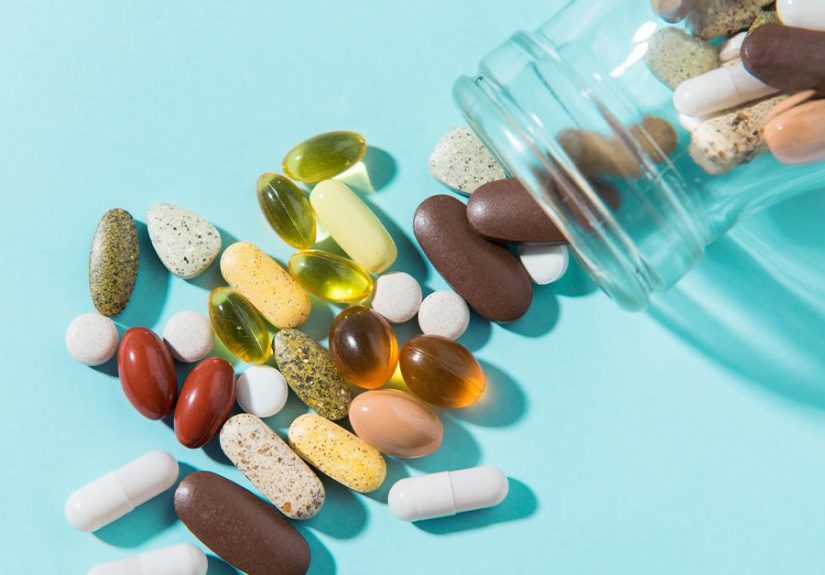
If your kitchen cabinet looks like a tiny wellness pharmacy, this question is more relevant than ever: can you overdose on vitamins? In a word, yes. In several words, yes and your body is not impressed by your “more is more” energy.
Vitamins are essential nutrients, but essential does not mean harmless in unlimited amounts. Your body needs the right amount, not a heroic pile of gummies, capsules, softgels, powders and “immune support” drops that all seem innocent until you realize you’ve basically built a multivitamin turducken. While food is rarely the problem, supplements can absolutely push you into risky territory.
The short version is this: you are far more likely to get too much of a vitamin from supplements than from food. That is especially true if you stack products without checking labels, take high-dose formulas for months, mix a multivitamin with a prenatal, or assume that because something is sold over the counter it must be impossible to misuse. Spoiler: the human body did not sign off on that plan.
So, Can You Overdose on Vitamins?
Yes. A vitamin overdose can happen when you take more than your body can safely handle, either all at once or over time. Some overdoses are acute, meaning a very large amount is taken in one shot. Others are chronic, meaning smaller but excessive doses build up day after day until your body starts waving a red flag.
This is why the idea of hypervitaminosis exists. It sounds like a villain from a science-fiction movie, but it simply means vitamin toxicity. The risk is highest with supplements, not normal eating. Translation: a spinach salad is not your enemy. Randomly doubling your supplement routine because you had one “low energy” Tuesday might be.
Why Some Vitamins Are Riskier Than Others
Fat-soluble vitamins can stick around
Vitamins A, D, E and K are fat-soluble. That means your body stores them in fatty tissue and the liver instead of flushing out the excess quickly. Storage can be useful when your diet varies. It is much less charming when you keep taking high doses and the extra amount starts piling up.
Water-soluble vitamins are not a free pass
Water-soluble vitamins like vitamin C and many B vitamins are often described as easier to excrete. That is generally true, but it does not mean they are always harmless. Some can still cause nausea, diarrhea, nerve problems, flushing, liver issues or other side effects when taken in very high amounts.
Which Vitamins Are Most Likely to Cause Problems?
Vitamin A
Vitamin A is one of the classic examples of vitamin toxicity. Too much preformed vitamin A from supplements can lead to headache, dizziness, nausea, blurred vision, dry skin, bone pain and liver problems. Long-term excess can be especially risky during pregnancy because very high amounts are linked with birth defects.
This is where people get tripped up by labels. Not all vitamin A is the same. Beta-carotene from fruits and vegetables does not behave the same way as preformed vitamin A in supplements. In practical terms, a sweet potato is not trying to sabotage you. A mega-dose capsule might.
Vitamin D
Vitamin D sounds wholesome because it is tied to sunshine, bones and optimism. But too much supplemental vitamin D can raise calcium levels in the blood, a condition called hypercalcemia. That can lead to nausea, vomiting, weakness, constipation, confusion, excessive thirst, kidney stones and, in serious cases, kidney damage.
Vitamin D toxicity is not usually caused by sunlight or ordinary food. It is usually caused by high-dose supplements, often taken for long periods without monitoring. So if you are taking a separate vitamin D pill, a multivitamin, a calcium-plus-D supplement and a mystery “bone support” chew, it may be time for a label audit.
Vitamin E
Vitamin E does not get as much bad press, but high-dose supplements can increase the risk of bleeding. That becomes especially important if you already take blood thinners or antiplatelet medications. When a supplement starts interfering with normal clotting, it has officially left the “harmless wellness helper” phase.
Vitamin C
Vitamin C is often treated like the overachiever of the supplement world. People load up on it during cold season with the enthusiasm of someone stockpiling canned beans before a storm. But very high doses can cause diarrhea, stomach cramps and nausea. In some people, especially those prone to kidney issues, heavy long-term use may also raise concerns about kidney stones.
Vitamin B6
Vitamin B6 is a sneaky one because it shows up in energy blends, mood formulas, nerve health supplements and multivitamins. Too much over time can damage nerves and lead to numbness, tingling or difficulty with coordination. That is not exactly the vibrant, thriving outcome supplement ads like to put on the box.
Niacin (Vitamin B3)
Niacin in high amounts can cause intense flushing, itching, stomach upset and, in some cases, liver problems. Some people take it for cholesterol support or because they read one enthusiastic internet post written with the confidence of a pirate map. High-dose niacin should not be a DIY hobby.
What About Multivitamins?
Multivitamins are not automatically dangerous, but they become risky when they are treated like nutritional confetti. One daily multivitamin may fit into a reasonable plan for some people. Trouble starts when you combine a multivitamin with individual vitamins, fortified drinks, gummies, powders and “beauty blends” that repeat the same ingredients.
That is how people accidentally double or triple up on vitamin A, vitamin D, niacin, B6 and more. The labels all look friendly. The totals do not.
Can You Overdose on Vitamins From Food?
In most cases, no. It is very difficult to overdose on vitamins from a normal, balanced diet alone. Food does not usually deliver the kind of concentrated doses that supplements can. Whole foods also come with fiber, water and other nutrients that make your intake look like a sensible meal instead of a chemistry experiment.
There are rare exceptions. For example, very high intake of certain animal liver products can contribute to excessive vitamin A. But for most people, the real risk lives in bottles, packets and anything marketed with dramatic claims about “megadosing,” “boosting,” or “max absorption.”
Common Signs of Vitamin Overdose
Symptoms vary depending on the nutrient, but several warning signs show up again and again:
- Nausea or vomiting
- Diarrhea or stomach cramps
- Headache or dizziness
- Fatigue or unusual weakness
- Dry skin, hair changes or rash
- Confusion or mental fog
- Numbness or tingling
- Excessive thirst or frequent urination
- Bone pain or muscle weakness
- Easy bruising or bleeding
These symptoms are not exclusive to vitamin toxicity, which is part of what makes overdose easy to miss. Many people assume they are stressed, dehydrated, not sleeping enough or simply “getting older.” Sometimes the problem is not aging. Sometimes it is the supplement stack with the ego of a bodybuilder.
Who Is Most at Risk?
Children
Kids are at special risk because gummy vitamins can look like candy. Iron-containing multivitamins are particularly dangerous in accidental childhood ingestions. A child’s smaller body size means it takes far less to cause serious harm.
Pregnant people
Prenatal vitamins can be important, but more is not better. Taking a prenatal plus extra vitamin A, extra iron or a second multivitamin can create overlap that is unsafe, especially without guidance from a clinician.
Older adults
Older adults may take multiple prescriptions and supplements at the same time, which raises the risk of duplication and interactions. Memory issues can also make it easier to accidentally take extra doses.
People with kidney or liver disease
If the organs that process or clear nutrients are not working normally, supplements can become riskier. What might be tolerable for one person may be too much for someone else.
Anyone taking several “wellness” products at once
This is the modern classic. A multivitamin. A hair-skin-nails formula. An immune blend. A greens powder. A sleep drink. Suddenly you are running a supplement relay race and no one checked the roster.
What To Do If You Think You Took Too Much
If you suspect a vitamin overdose, do not keep taking the supplement while you “wait and see.” Read the label, note the dose, and get help. In the United States, Poison Control can be reached at 1-800-222-1222. If someone has severe symptoms such as trouble breathing, seizure, collapse, confusion, severe vomiting or signs of a serious reaction, call emergency services right away.
Do not try to “cancel it out” by drinking gallons of water, skipping meals or taking another supplement to balance things. This is not baking. The body does not respond well to freestyle chemistry.
How To Avoid Vitamin Toxicity
- Check every supplement label for overlapping ingredients.
- Do not assume “natural” means “risk-free.”
- Avoid megadoses unless a clinician specifically recommends them.
- Be extra careful with vitamin A, vitamin D, niacin, B6 and iron-containing products.
- Store vitamins where children cannot reach them.
- Tell your doctor and pharmacist every supplement you take.
- Use blood tests and medical guidance for long-term high-dose supplements.
The Bottom Line
So, can you overdose on vitamins? Absolutely. The danger is real, but it usually does not come from eating too many carrots or having an extra glass of fortified milk. It comes from concentrated supplements, repeated dosing, overlapping products and the very human habit of assuming that if one capsule is helpful, four must be genius.
The smartest supplement routine is usually the least dramatic one: targeted, evidence-based and boring enough that it would never go viral on social media. Which, in health terms, is often a very good sign.
Everyday Experiences Related to “Can You Overdose on Vitamins?”
The most relatable stories around vitamin overdose are rarely dramatic movie scenes. More often, they are ordinary situations that slowly drift into risky territory. One common example is the person who starts with a standard multivitamin, adds vitamin D during winter, then begins taking an “immune support” powder and a calcium supplement without realizing all four products contain vitamin D. Nothing feels dangerous in the moment because each product seems normal on its own. The problem is the total dose.
Another very common experience involves hair, skin and nails supplements. Someone wants stronger nails or less hair shedding, so they add a beauty formula on top of a daily multivitamin. Those products often contain vitamin A, biotin, B6 and other nutrients in amounts that are much higher than people expect. Weeks later, the person may notice nausea, headaches, strange tingling or stomach upset and never suspect the supplement shelf at all.
Parents also run into a different version of the problem. Children may see gummy vitamins as candy because, honestly, the supplement industry has done everything except put them in a piñata. A child sneaks extra gummies, and what looked like a harmless treat suddenly becomes a poison risk. This is especially serious when the product contains iron, because iron overdose can be dangerous very quickly in small children.
There is also the “doctor told me I was low, so I kept going forever” story. A person is found to have low vitamin D, starts supplementation, feels reassured and then never rechecks the dose or blood levels. Months later, they are still taking a high-dose product long after the original deficiency may have been corrected. In real life, supplement plans often outlive the reason they started.
Pregnancy creates another everyday scenario. Someone takes a prenatal vitamin, then adds extra vitamin A, extra iron or an additional wellness blend because they want to “cover all the bases.” The intention is good. The math is not. Overlap happens easily, especially when labels use different units or ingredients are listed under several names.
Even fitness culture plays a role. Some people use vitamin stacks for energy, performance or recovery without reviewing whether the products repeat niacin, B6 or other ingredients. They assume vitamins are gentler than medicines, so they do not mention them at appointments. Then symptoms show up, and the supplement list finally enters the conversation like an awkward guest who should have introduced themselves hours earlier.
What all of these experiences have in common is simple: vitamin overdose usually does not begin with recklessness. It begins with good intentions, marketing promises, label confusion and the belief that nutritional products cannot really do harm. They can. The good news is that this risk is also very preventable once people start treating supplements with the same respect they give medications.







 Close
Close