Table of Contents >> Show >> Hide
- How Pumping Might Help Start Labor
- Is Pumping to Induce Labor Proven to Work?
- Why You Should Not Try Pumping Without Medical Approval
- When Might a Provider Consider Nipple Stimulation?
- What About Colostrum?
- Can Pumping Break Your Water?
- What Are Safer Ways to Prepare for Labor?
- What Not to Try Without Your Provider
- Signs Labor May Be Starting Naturally
- When to Call Your Doctor or Midwife
- So, Can You Pump to Induce Labor?
- Practical Experiences: What Pumping to Induce Labor Can Feel Like
- Conclusion
Can you pump to induce labor? Technically, yes, nipple stimulation from pumping may encourage contractions because it can prompt the body to release oxytocin, the hormone that helps the uterus contract. But before you sprint toward your breast pump like it is a tiny plastic labor button, take a breath. Pumping to induce labor is not a guaranteed method, not always safe, and not something to try without your doctor or midwife giving you the green light.
Late pregnancy can feel like living inside a countdown clock with swollen ankles. You have folded the baby clothes, downloaded the contraction app, packed the hospital bag twice, and perhaps stared at a pineapple wondering whether it has secret powers. So it is understandable that people search for natural ways to start labor. Among the many internet-famous ideas, using a breast pump to induce labor has one of the more believable scientific explanations. Still, believable does not mean risk-free.
This guide explains how pumping may affect labor, when it might be considered, why medical supervision matters, and what real-life expectations should look like. Spoiler alert: your pump is not a magic wand, and your cervix has its own calendar.
How Pumping Might Help Start Labor
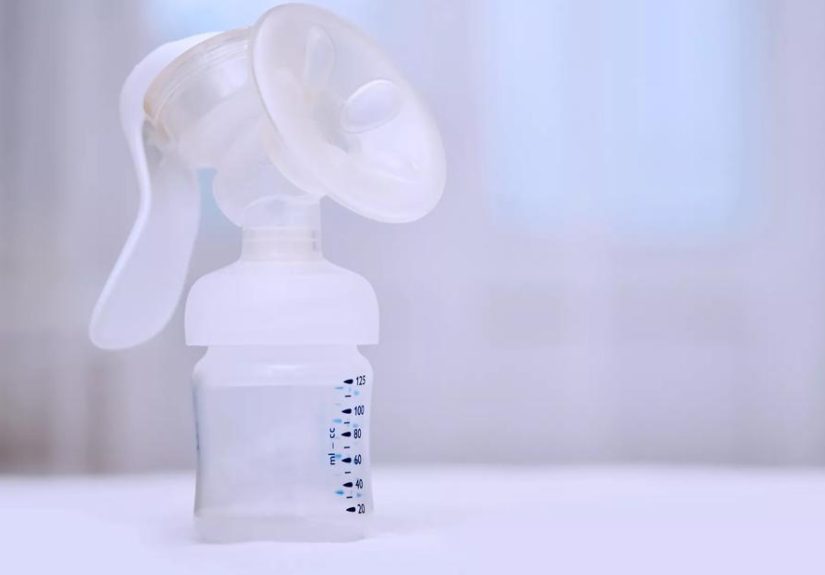
Pumping works by stimulating the nipples and areola, similar to how a baby nurses. This stimulation may cause the brain to release oxytocin. Oxytocin is sometimes called the “love hormone,” but in childbirth it has a very practical job: it helps the uterus contract. In hospitals, a synthetic form of oxytocin, often known as Pitocin, may be used to start or strengthen contractions during a medically managed induction.
When someone uses a breast pump near the end of pregnancy, the idea is that nipple stimulation may encourage the body to produce its own oxytocin. That oxytocin may cause contractions, and contractions may help the cervix continue softening, thinning, and opening. That is the theory. It is not completely random, unlike putting hot sauce on everything and hoping your uterus reads the menu.
However, labor is not triggered by one hormone alone. The cervix, uterus, baby, placenta, and brain are all involved in a complicated biological group chat. If your body is not ready, pumping may do very little. If your body is ready, nipple stimulation might make contractions more noticeable. The key word is might.
Is Pumping to Induce Labor Proven to Work?
Research on breast stimulation and labor induction suggests that nipple stimulation can increase uterine activity and may help some full-term pregnant people move toward labor, especially when the cervix is already favorable. Some studies have found that breast or nipple stimulation may reduce the number of people who remain pregnant after several days and may support cervical ripening.
But the evidence is not as strong or as modern as many parents would like. Some studies are small, older, or performed in monitored settings rather than at home. A hospital setting matters because clinicians can watch contraction patterns and the baby’s heart rate. At home, you cannot easily know whether contractions are becoming too frequent or whether the baby is tolerating them well.
So, does pumping induce labor? For some people, it may help. For others, it may only lead to sore nipples, a few random contractions, and the emotional experience of yelling, “Was that one real?” across the living room. It is best viewed as a possible tool, not a promise.
Why You Should Not Try Pumping Without Medical Approval
The biggest concern with pumping to induce labor is overstimulation of the uterus. Too much nipple stimulation may cause contractions that are too strong, too long, or too close together. This is sometimes called uterine tachysystole or uterine hyperstimulation. When contractions come too frequently, the uterus may not relax enough between them. That can reduce oxygen-rich blood flow to the baby.
This is why many clinicians recommend that any induction method, natural or medical, be discussed with a healthcare provider. “Natural” does not automatically mean “safe for everyone.” Hemlock is natural. So are hurricanes. Pregnancy deserves a higher safety standard than a wellness trend on a Tuesday afternoon.
Pumping may be especially risky if you have a high-risk pregnancy, a history of uterine surgery, placenta problems, vaginal bleeding, preeclampsia, fetal growth concerns, low amniotic fluid, a baby in breech position, or any condition where your provider has advised caution. It may also be inappropriate before full term unless your care team specifically recommends delivery for a medical reason.
When Might a Provider Consider Nipple Stimulation?
A healthcare provider may be more open to discussing nipple stimulation or pumping if you are full term, your pregnancy is low risk, your baby is head-down, your membranes have not ruptured unexpectedly, and your cervix shows signs of readiness. Many elective induction conversations happen around 39 weeks or later because babies benefit from those final weeks of development unless there is a medical reason to deliver earlier.
Even then, your provider may prefer other methods, such as membrane sweeping, cervical ripening medication, a Foley balloon, breaking the water in a hospital setting, or carefully monitored oxytocin. These methods have protocols, monitoring, and clear stop points. Pumping at home can be harder to control because your natural oxytocin response is not measured in neat little IV pump numbers.
What About Colostrum?
Some people notice drops of colostrum while pumping or hand expressing late in pregnancy. Colostrum is the thick, golden early milk your body makes before mature milk comes in. Seeing it can feel exciting, like your body just sent a “baby loading” notification.
However, pumping specifically to induce labor is different from antenatal hand expression for collecting colostrum. Some providers recommend hand expression in certain late-pregnancy situations, such as preparing for breastfeeding when a baby may need extra support after birth. But that should still be done with guidance. The goal, timing, method, and safety considerations are not the same for everyone.
Can Pumping Break Your Water?
Pumping itself does not directly break the amniotic sac. But if pumping causes contractions and labor progresses, your water may break as part of the labor process. If your water breaks, call your provider or follow your birth team’s instructions. Take note of the time, the color of the fluid, any odor, and whether your baby is moving normally.
If fluid is greenish, brownish, foul-smelling, or accompanied by heavy bleeding, fever, severe pain, or decreased fetal movement, seek medical care right away. Those are not “wait and see” signs. That is your body waving a very large flag.
What Are Safer Ways to Prepare for Labor?
If your goal is to help your body get ready rather than force labor to start, there are gentler options to discuss with your care team. Walking, prenatal stretches, upright positions, sitting on a birth ball, staying hydrated, resting, and eating well can support comfort and mobility. They may not trigger labor, but they can help you feel less like a couch cushion with a due date.
Membrane sweeping is another option your provider may offer near term. During this procedure, the provider gently separates the amniotic sac from the lower uterus during a cervical exam. This can release prostaglandins, which may help ripen the cervix. It can cause cramping or spotting and is not right for everyone, but it is performed by a professional who can assess whether it is appropriate.
Medical induction may include cervical ripening medicines, a balloon catheter, amniotomy, or IV oxytocin. These are usually performed in a hospital or birth center with monitoring. The best method depends on your gestational age, cervix, medical history, baby’s position, and reason for induction.
What Not to Try Without Your Provider
Some popular “natural induction” ideas are either unproven, uncomfortable, or risky. Castor oil can cause intense diarrhea, dehydration, and misery that feels less like labor preparation and more like a bathroom hostage situation. Herbal supplements may affect contractions, bleeding, blood pressure, or medications. Unapproved essential oils, aggressive exercise, and inserting anything into the vagina are also not safe DIY strategies.
Sex may be safe for many low-risk pregnancies, but it is not recommended if your water has broken, you have placenta previa, unexplained bleeding, preterm labor concerns, or your provider has advised pelvic rest. Always follow the specific advice given for your pregnancy.
Signs Labor May Be Starting Naturally
Before trying to push labor along, it helps to know what normal early labor can look like. Signs may include menstrual-like cramps, lower backache, pelvic pressure, looser stools, increased vaginal discharge, loss of the mucus plug, light bloody show, and contractions that gradually become more regular and intense.
Real labor contractions typically become longer, stronger, and closer together. They do not fade away with hydration, rest, or a warm shower. Braxton Hicks contractions, on the other hand, can be irregular and may calm down when you change activity. Unfortunately, late pregnancy loves a prank. Sometimes your uterus rehearses so dramatically it deserves community theater credits.
When to Call Your Doctor or Midwife
Call your provider before trying pumping to induce labor. Also call if you have regular painful contractions, your water breaks, you notice decreased fetal movement, you have heavy bleeding, severe headache, vision changes, chest pain, shortness of breath, fever, severe abdominal pain, or swelling that feels sudden and extreme.
If you are before 37 weeks and having contractions, leaking fluid, pelvic pressure, or bleeding, contact your provider immediately. Preterm labor symptoms need prompt medical evaluation.
So, Can You Pump to Induce Labor?
The most balanced answer is this: pumping may stimulate contractions, especially when your body is already close to labor, but it is not a guaranteed or universally safe way to induce labor. It should not be tried casually, especially in a high-risk pregnancy or before full term. If your doctor or midwife approves it, they can tell you whether it makes sense for your specific situation and when to stop.
Pregnancy can make patience feel like an extreme sport. Still, labor induction is a medical decision, even when the method sounds natural. Your baby, your cervix, and your health history all matter. The safest plan is not the trendiest one; it is the one made with your care team.
Practical Experiences: What Pumping to Induce Labor Can Feel Like
Many parents who ask, “Can you pump to induce labor?” are not looking for a textbook answer only. They want to know what the experience might actually feel like. The honest answer is that it varies widely. One person may pump for a short time and notice stronger Braxton Hicks contractions. Another may feel nothing except mild nipple tenderness. Someone else may begin having contractions that seem promising, only to have them disappear after dinner like a dramatic guest who forgot their coat.
A common experience is uncertainty. Late-pregnancy contractions can be confusing, and pumping may add more mystery. A person might feel tightening across the belly, pause to time contractions, and wonder if labor has finally started. Then the contractions become irregular, the baby kicks, and everyone goes back to waiting. This does not mean anything is wrong. It often means the uterus is responsive but labor has not fully organized yet.
Some people also describe emotional whiplash. By the final weeks, it is normal to feel excited, impatient, uncomfortable, and slightly suspicious of every cramp. Pumping can create a feeling of “doing something,” which may be comforting. But if it does not work, disappointment can hit hard. That is why expectations matter. Pumping should never be framed as a guaranteed shortcut. It is more like knocking politely on labor’s door, not kicking it open.
Physical comfort is another real issue. Nipples may already be sensitive during pregnancy. Pump suction that feels manageable postpartum may feel surprisingly intense before birth. Using a pump too aggressively can cause soreness, irritation, or cracked skin. This is one reason medical guidance is important. More suction is not better. More pain is not more progress. Your nipples are not a volume knob for childbirth.
Another practical experience involves colostrum. Some parents see drops in the pump flange and feel encouraged. Others see nothing and worry. Neither reaction predicts whether breastfeeding will work or whether labor is near. Colostrum production before birth varies. Not leaking during pregnancy does not mean you will not make milk after delivery.
Partners may also become part of the experience. Some are supportive and calm; others hover like nervous assistant managers. It helps to discuss boundaries ahead of time. If pumping is approved by your provider, the environment should be relaxed, private, and low pressure. Stress and clock-watching can make the process feel more like a science experiment than body awareness.
People who have tried pumping often say the most useful part was not necessarily starting labor, but learning to pay closer attention to their contraction pattern, comfort level, and baby’s movement. That awareness can be valuable. Still, any strong, frequent, painful, or concerning contractions should be reported according to your provider’s instructions.
The biggest lesson from real-world experiences is simple: pumping to induce labor is not one-size-fits-all. It may be useful for a carefully selected, full-term, low-risk pregnancy with provider approval. It may be pointless for someone whose cervix is not ready. It may be unsafe for someone with certain complications. The best experience is the one where safety leads and impatience rides in the back seat, preferably with snacks.
Conclusion
Pumping to induce labor is one of the few natural induction ideas with a plausible biological pathway because nipple stimulation can influence oxytocin and uterine contractions. But plausible does not mean predictable, and natural does not mean harmless. The research is limited, the response can vary, and at-home overstimulation may create risks for the baby.
If you are full term and curious about using a breast pump to induce labor, talk with your doctor or midwife first. Ask whether your pregnancy is low risk, whether your cervix is favorable, what signs should make you stop, and when you should call or come in. A safe birth plan is not about forcing your body to hurry. It is about helping you and your baby arrive at delivery with the best possible support.
Note: This article is for educational purposes only and is not a substitute for medical care. Always consult your OB-GYN, midwife, or qualified healthcare provider before trying any labor induction method.