Table of Contents >> Show >> Hide
- What Does “Reusing Mulch” Actually Mean?
- The Short Answer: Yes, You Can Reuse Mulch
- When Old Mulch Is Worth Keeping
- When You Should Not Reuse Mulch
- How to Reuse Mulch the Right Way
- Should You Remove Old Mulch Before Adding New Mulch?
- Can You Mix Old Mulch Into the Soil?
- Best Mulch Reuse Strategy by Garden Area
- How Often Should You Add New Mulch?
- What About Mold, Mushrooms, and Slime Mold?
- Common Mulch Mistakes Pros Notice Immediately
- Pro-Style Decision Guide: Keep, Refresh, or Remove?
- Real-Life Experience: What Reusing Mulch Looks Like in an Actual Yard
- Conclusion
Every spring, homeowners step outside, squint at their flower beds, and ask the same deeply philosophical question: “Is this mulch still mulch… or is it just brown garden confetti?” The good news is that, in many cases, you can reuse the same mulch from year to year. The better news is that doing so can save money, reduce waste, and make your soil happier than a tomato plant after a warm rain.
The catch? Old mulch needs a quick inspection before it earns another season on the job. Mulch is not just decorative frosting for your landscape cake. It helps retain soil moisture, suppress weeds, reduce temperature swings, prevent soil splash, protect plant roots, and slowly feed the soil as organic materials break down. But reused mulch can also become too thin, compacted, moldy, sour-smelling, weed-filled, or piled too high around plants if nobody keeps an eye on it.
So, can you reuse mulch every year? The landscaping-pro answer is: yes, usuallybut refresh it with common sense, not with a dump truck and blind optimism.
What Does “Reusing Mulch” Actually Mean?
Reusing mulch does not always mean leaving it completely untouched forever, like a museum exhibit dedicated to shredded bark. In practical landscaping, reusing mulch means evaluating what is already in the bed and deciding whether to fluff it, redistribute it, top-dress it, compost it into the soil, or remove it.
Organic mulchsuch as shredded hardwood, pine bark, wood chips, straw, shredded leaves, compost, and pine needlesbreaks down over time. That is part of its charm. As it decomposes, it adds organic matter, supports soil life, improves structure, and helps create a better root environment. In other words, old mulch is not always “used up.” Sometimes it is simply becoming soil, which is basically mulch retirement with benefits.
Inorganic mulch, such as stone, gravel, rubber, or landscape fabric, behaves differently. It may not decompose much, but it can collect debris, trap heat, shift out of place, or become a weed nursery if organic matter builds up on top. This article focuses mostly on organic mulch because that is what most gardeners are dealing with in flower beds, shrub borders, vegetable gardens, and around trees.
The Short Answer: Yes, You Can Reuse Mulch
You can reuse mulch if it still looks reasonably clean, does not smell sour, is not packed into a crust, and is not mixed with diseased plant debris or a jungle of weed seeds. In established landscape beds, the best approach is often to rake or fluff the existing mulch, measure the depth, and add only enough new mulch to restore the proper layer.
For most planting beds, a total mulch depth of about 2 to 3 inches is a smart target. Around trees and shrubs, 2 to 4 inches is commonly recommended, depending on soil drainage, mulch texture, and site conditions. The key word is “total.” If you already have 2 inches of mulch, do not add 3 more inches just because the garden center had a sale and your cart got emotionally involved.
Too much mulch can block air and water movement, encourage shallow roots, hold excess moisture against stems, invite pests, and create the infamous “mulch volcano” around trees. A tree trunk should never look like it is erupting from a bark mountain. Keep mulch pulled back several inches from trunks and plant stems so the crown and bark can breathe.
When Old Mulch Is Worth Keeping
Old mulch is usually worth reusing when it still performs its basic jobs. Walk through the bed and look for these signs:
It Still Covers the Soil
If bare soil is not showing everywhere, your mulch still has value. A consistent layer helps block sunlight from weed seeds and protects the soil surface from drying out too fast. Thin spots can be touched up without replacing the entire bed.
It Breaks Apart Easily
Healthy mulch should rake loose without turning into a rubber mat or a brick. If it is lightly compacted, fluffing it may be enough. Compacted mulch can shed water instead of letting it soak through, which is a rude thing to do to thirsty roots.
It Smells Earthy, Not Sour
Good mulch smells like soil, bark, leaves, or a forest floor. Bad mulch may smell like vinegar, ammonia, sulfur, or something that crawled out of a swamp and started a landscaping company. Sour mulch can happen when organic materials are stored in large wet piles without enough oxygen. If mulch smells strongly unpleasant, do not spread it directly around plants.
It Is Not Full of Diseased Debris
If last season’s plants had serious disease problems, especially in vegetable beds or annual flower beds, be careful. Mulch contaminated with diseased leaves, stems, or fruit may not be worth reusing in the same way. Remove questionable plant debris and consider replacing mulch in beds where disease pressure was high.
When You Should Not Reuse Mulch
Reusing mulch is practical, but it is not a lifetime loyalty contract. Sometimes old mulch needs to go.
Do Not Reuse Mulch That Smells Bad
If the mulch smells sour, fermented, or chemical-like, remove it from sensitive planting areas. Spread it thinly in a low-risk area to air out, or compost it if appropriate. Never pile questionable mulch around fresh annuals, vegetable starts, young shrubs, or newly planted trees.
Do Not Reuse Mulch Full of Weeds
A few weeds are normal. A full weed convention is not. If old mulch is loaded with weed seeds, roots, or invasive runners, remove the worst sections. Reusing weedy mulch can turn spring gardening into a rematch you did not schedule.
Do Not Reuse Mulch After Serious Plant Disease
If plants suffered from recurring fungal or bacterial problems, old mulch may hold infected debris. In edible gardens, especially around tomatoes, cucumbers, squash, peppers, and strawberries, fresh mulch can help reduce soil splash and improve sanitation. You do not need to panic over every leaf spot, but do not ignore obvious disease history either.
Do Not Keep Mulch That Has Become Too Deep
More mulch is not always better. If your beds have been top-dressed every year without checking depth, you may have a layered lasagna of bark, chips, and regret. Scrape excess mulch away until the bed returns to a healthy depth.
How to Reuse Mulch the Right Way
The best mulch routine is simple, affordable, and surprisingly satisfying. You do not need a degree in bark management. You need a rake, gloves, a measuring stick, and the courage to stop buying mulch just because the bags are stacked neatly near the checkout.
Step 1: Inspect the Bed
Look for bare spots, compacted areas, weeds, diseased debris, mushrooms, slime mold, sour odors, and mulch piled against stems. Mushrooms and harmless fungal growth are often a normal part of decomposition, especially in wood-based mulch. They may look dramatic, but they are usually just nature’s recycling crew clocking in.
Step 2: Pull Mulch Away From Trunks and Stems
Keep mulch several inches away from tree trunks, shrub stems, and plant crowns. This reduces the risk of rot, pest shelter, and moisture damage. Think doughnut, not volcano. Your tree wants a mulch ring, not a bark turtleneck.
Step 3: Fluff and Redistribute
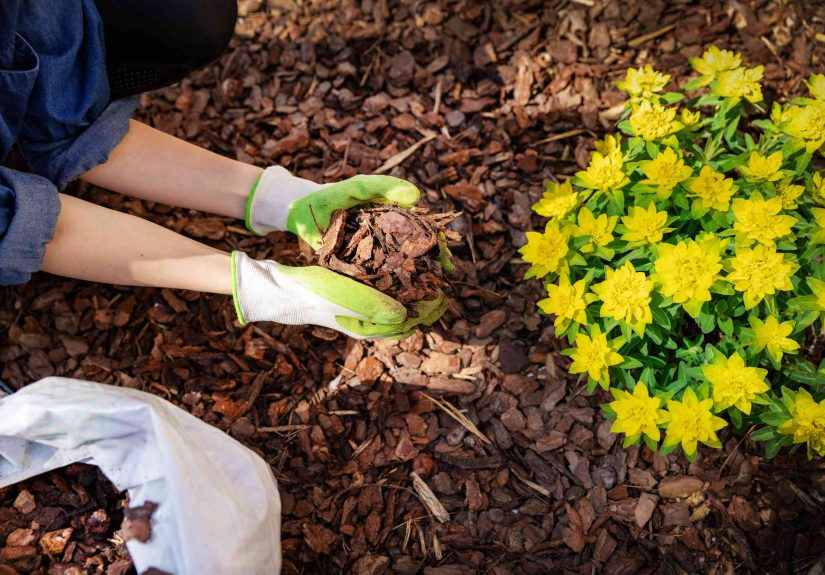
Use a rake or gloved hands to loosen compacted mulch. Redistribute thicker areas into thin spots. This often makes old mulch look fresh again without adding anything. Fluffed mulch also allows water and oxygen to move more freely into the soil.
Step 4: Measure the Depth
Measure before buying more. Most beds do well with about 2 to 3 inches of mulch total. Coarser wood chips may be used a little deeper around trees and shrubs, while fine mulch should usually be kept shallower because it can compact more easily.
Step 5: Add Only What Is Needed
If the old layer has decomposed down to one inch, add one or two inches of new mulch. If the layer is already deep enough, skip the new mulch and spend your money on something more exciting, like a sturdy watering wand or a snack you do not have to share with the squirrels.
Should You Remove Old Mulch Before Adding New Mulch?
Most of the time, no. You do not need to remove all old mulch before adding new mulch unless there is a specific problem. Healthy old organic mulch can stay in place and continue breaking down. The pro move is to loosen the old layer first, then add a light top-dressing if needed.
However, removal makes sense if the mulch is sour, contaminated, matted, too deep, full of weeds, or interfering with water movement. It may also be useful when changing mulch type, redesigning a bed, removing landscape fabric, or correcting years of overmulching.
For vegetable gardens, the decision depends on what you grew, what problems appeared, and what mulch you used. Straw, shredded leaves, and grass clippings may decompose quickly and can often be turned into the soil or composted, provided they are clean and not full of seeds or herbicide residue. Wood chips and bark last much longer, but they can be awkward in annual vegetable beds where frequent planting, digging, and cultivation are needed.
Can You Mix Old Mulch Into the Soil?
Sometimes, but be careful. Fine, well-decomposed mulch can often be worked lightly into ornamental beds or composted. But fresh wood chips, bark, or sawdust should not be mixed heavily into garden soil because microorganisms use nitrogen as they break down carbon-rich wood. That can temporarily reduce nitrogen available to plants.
On the soil surface, wood mulch is helpful. Mixed deeply into a vegetable bed, fresh wood material can create nutrient issues. If your old mulch has become dark, crumbly, and soil-like, it is much safer to incorporate lightly. If it still looks like chips, bark, or shreds, let it remain on top or move it to paths, shrub beds, or around trees.
Best Mulch Reuse Strategy by Garden Area
Flower Beds
Reuse old mulch if it is clean and not too deep. Rake it loose in spring after the soil begins warming, then add a thin fresh layer only where needed. Around perennials, do not bury crowns. Around annuals, leave breathing room at the base of each plant.
Shrub Borders
Shrub beds are excellent places to reuse mulch. Wood chips and shredded bark break down slowly and can stay useful for multiple seasons. Keep mulch away from woody stems, check the total depth yearly, and refresh thin spots rather than smothering the whole bed.
Trees
Tree mulch should spread outward like a wide, shallow ring. The wider the mulched area, the more protection roots receive from mowing, string trimmers, compaction, and moisture stress. But keep the root flare visible and never pile mulch against the trunk.
Vegetable Gardens
Vegetable gardens need more caution. Clean straw, shredded leaves, grass clippings, and compost can be practical seasonal mulches. At the end of the season, healthy material may be composted or incorporated lightly if it has broken down well. Remove mulch that contains diseased crop residue or lots of weed seeds.
Paths and Utility Areas
Old wood mulch that is no longer attractive enough for the front bed may still be useful on garden paths, around compost areas, or in low-visibility spaces. This is the mulch version of wearing old sneakers for yard work: not glamorous, still useful.
How Often Should You Add New Mulch?
Most homeowners do not need to replace mulch every year. They may need to refresh it. The difference matters. Replacing means removing old material and starting over. Refreshing means fluffing what is already there and adding a modest layer to maintain proper depth.
Fast-decomposing materials, such as shredded leaves, compost, and straw, may need replenishing more often. Bark nuggets, wood chips, and shredded hardwood tend to last longer. Climate also matters. Warm, moist regions usually break down organic mulch faster than dry or cold climates. Heavy rainfall, irrigation, slope, foot traffic, and wind can also move mulch around.
A good annual routine is to inspect beds in spring and again in fall. Spring is great for correcting winter displacement and preparing beds for the growing season. Fall mulching can help protect soil from erosion, temperature swings, and winter weed germination, especially around perennials and shrubs.
What About Mold, Mushrooms, and Slime Mold?
Many homeowners see fungus on mulch and immediately assume the landscape has entered its villain era. In most cases, fungi in mulch are normal. Wood mulch decomposes because fungi and microbes break it down. Mushrooms, white threads, and odd-looking slime molds can appear after wet weather. They may be unattractive, but they are often harmless.
If fungal growth bothers you, rake the mulch to break it up and improve airflow. Avoid overwatering, especially in shaded beds. If the mulch has formed a dense crust, loosen it. If the growth is on plants rather than mulch, or if plants are declining, investigate further because that may be a separate plant disease issue.
Common Mulch Mistakes Pros Notice Immediately
Mulch Volcanoes
This is the classic. Piling mulch high against a tree trunk traps moisture and can contribute to bark decay, pest problems, and root issues. A proper mulch ring is flat to gently sloped, with open space around the trunk.
Adding New Mulch Without Measuring
Annual top-dressing can quietly create excessive depth. Before adding new mulch, poke a ruler through the existing layer. If the bed already has enough, rake it fresh and call it a day.
Using Fine Mulch Too Thickly
Finely shredded mulch can look polished, but it may compact if piled too deep. Compacted mulch can reduce water movement and create a crust. Coarser mulch often works better around trees and shrubs because it allows more air and water exchange.
Mulching Too Early in Vegetable Beds
Mulch can keep soil cool. That is helpful in summer, but not always ideal for warm-season vegetables in early spring. Wait until the soil has warmed before applying organic mulch around heat-loving crops such as tomatoes, peppers, squash, and melons.
Pro-Style Decision Guide: Keep, Refresh, or Remove?
Keep it if the mulch is loose, clean, earthy-smelling, and still around the right depth.
Refresh it if it has thinned, faded, or shifted but is otherwise healthy. Rake it first, then add a light layer of fresh mulch.
Remove it if it smells sour, is matted and water-repelling, is piled too deeply, contains diseased plant debris, or is overrun with weeds.
This simple system prevents the two most common problems: wasting money by replacing perfectly good mulch and harming plants by piling new mulch on top of old mulch year after year.
Real-Life Experience: What Reusing Mulch Looks Like in an Actual Yard
Here is the honest backyard version: old mulch rarely looks magazine-ready when spring arrives. It has been stepped on, rained on, leaf-bombed, paw-patted by pets, rearranged by birds, and possibly excavated by one extremely ambitious squirrel. At first glance, it may look tired. But tired does not mean useless.
In one typical suburban front bed, the mulch around boxwoods and perennials looked faded and uneven after winter. The homeowner assumed the whole bed needed six new bags of shredded hardwood. After a quick rake-through, the picture changed. Much of the mulch was still present; it had simply packed down and migrated toward the edging. Once it was loosened and pulled away from the shrub stems, the bed looked cleaner immediately. Only two bags were needed to restore the thin patches near the walkway. The result looked fresh, cost less, and did not bury the plants under a bark blanket thick enough to lose a garden gnome.
Another common situation happens around trees. A homeowner adds new mulch every year because the color fades. After five seasons, the tree has a tall cone of mulch around its trunk. It looks tidy from the street, but the trunk is trapped in damp material. The better fix is not more mulch; it is mulch removal. Pull the pile back, expose the root flare, and create a wide, flat ring. The tree looks more natural, and the root zone still gets moisture protection without the trunk sitting in a wet collar.
Vegetable gardens tell a different story. Straw mulch used around tomatoes may be excellent during the season because it reduces soil splash and keeps fruit cleaner. But if the tomato plants had disease problems, reusing that same straw in the same bed next year may not be wise. A safer experience-based approach is to remove diseased crop debris, compost only healthy material, and start the next season with clean mulch after the soil warms. Gardeners who rotate crops, refresh mulch thoughtfully, and avoid burying stems tend to have fewer headaches.
There is also the “back bed bargain” strategy. Old mulch from a highly visible front entry bed can be moved to less formal areas: behind shrubs, along garden paths, around utility beds, or near compost bins. Then the front bed gets a thin fresh layer for curb appeal. This stretches the mulch budget and keeps organic material working somewhere in the landscape instead of heading straight to the waste pile.
The biggest lesson from real yards is that mulch care is not an all-or-nothing chore. You do not need to strip every bed bare each year, and you should not blindly add new mulch like you are frosting a sheet cake. Inspect, fluff, measure, and adjust. That routine gives you the benefits of mulchweed suppression, moisture conservation, soil protection, and a neat appearancewithout creating problems from excess depth or poor sanitation.
In short, reusing mulch is less about being cheap and more about being smart. Plants do not care whether mulch is brand-new and runway-ready. They care whether roots can breathe, moisture reaches the soil, stems stay dry, weeds are discouraged, and organic matter keeps cycling. If your old mulch can still help with those jobs, let it work another season. Give it a rake, a little personal space around the plants, and maybe a modest top-up. Your garden will look better, your wallet will remain calmer, and your weekend will not disappear under a mountain of unnecessary bark bags.
Conclusion
Yes, you can reuse the same mulch every year in many landscape beds, as long as it is healthy, loose, clean, and not too deep. Old organic mulch is not automatically waste; it is part of the soil-building cycle. The smartest approach is to inspect it annually, fluff compacted areas, remove problem sections, and add only enough new mulch to maintain the right depth.
Think of mulch like a good garden helper. It does not need to be replaced the moment it looks a little weathered. It just needs a performance review. If it is still suppressing weeds, protecting soil, conserving moisture, and staying away from trunks and stems, keep it on the payroll. If it smells bad, harbors disease, or has become a bark avalanche, it is time for a change.