
Table of Contents >> Show >> Hide
- What Is a Carrara Italian Marble Slab?
- Why Carrara Marble Slabs Remain So Popular
- Carrara vs. Calacatta vs. Statuario
- Best Uses for a Carrara Italian Marble Slab
- Honed vs. Polished: Which Finish Is Better?
- The Honest Truth About Durability
- How to Care for a Carrara Italian Marble Slab
- What to Look for When Buying a Slab
- Is Carrara Italian Marble Slab Right for You?
- Experience Notes: Living With a Carrara Italian Marble Slab
- Conclusion
Carrara Italian marble slab has a reputation that most materials would kill for. It is elegant without trying too hard, bright without being flashy, and classic without feeling stuck in a time capsule. If you have ever walked into a kitchen, bath, or entryway and thought, “Wow, this place looks expensive in a very relaxed way,” there is a decent chance Carrara marble was somewhere in the room quietly taking credit.
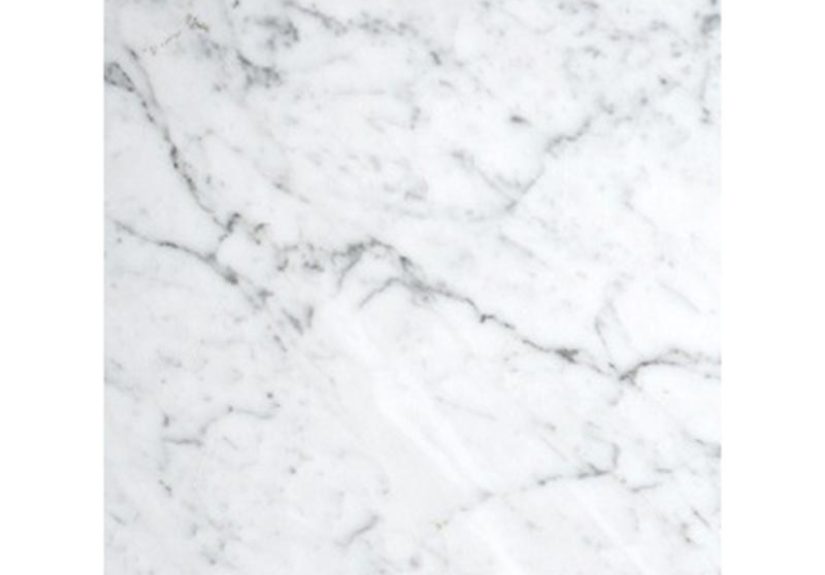
Quarried in Italy and known for its soft white to blue-gray background with graceful gray veining, Carrara marble has long been a favorite for countertops, backsplashes, shower walls, fireplace surrounds, vanity tops, and statement slabs. It is timeless, but it is not maintenance-free. That is the deal. Carrara gives you beauty, movement, and authentic natural character. In return, it asks for a little respect, a little sealing, and a firm household rule that lemon juice should not be treated like a countertop cologne.
This guide breaks down what a Carrara Italian marble slab is, why homeowners and designers still love it, where it works best, what the finish changes, how to care for it, and what to expect before you invest in a full slab.
What Is a Carrara Italian Marble Slab?
A Carrara Italian marble slab is a large-format piece of natural marble quarried from the Carrara region in Tuscany, Italy. The stone is admired for its relatively soft, cloud-like appearance, subtle to moderate veining, and cool-toned color palette. Compared with louder white marbles such as Calacatta or Statuario, Carrara usually looks calmer and more understated. It is the marble equivalent of someone wearing a perfectly tailored white shirt and not needing to mention the label.
Because it is sold in slab form, Carrara can be fabricated into full countertops, waterfall islands, vanity tops, shower benches, wall panels, and fireplace cladding with fewer seams than tile. That slab format matters. It allows the veining to flow across a surface in a way that feels organic and luxurious rather than chopped into little squares that look like they lost a fight with a tile saw.
Why Carrara Marble Slabs Remain So Popular
1. The look is timeless
Design trends come and go. One year everything is ultra-minimal. The next year everything has fluting, curves, and enough brass to start a jazz band. Carrara marble survives all of it. Its white-and-gray palette works with modern, farmhouse, coastal, traditional, transitional, and even industrial interiors. That flexibility is a huge reason it remains a favorite in high-end renovations and new construction alike.
2. Every slab is unique
Engineered surfaces can imitate marble, and some do a convincing job from across the room. But a real Carrara marble slab offers one-of-a-kind movement, mineral variation, and subtle tonal shifts that are difficult to fake. No two slabs are identical. That means your kitchen or bath gets a surface with genuine character instead of a printed pattern repeated every few feet like wallpaper pretending to be geology.
3. It feels bright but not sterile
One of Carrara’s strongest design advantages is that it lightens a room without feeling cold or flat. The gentle veining adds softness and movement, which helps white kitchens and bathrooms feel layered rather than clinical. If plain white quartz sometimes reads like “dentist office chic,” Carrara usually lands closer to “quiet luxury with a pulse.”
4. It often costs less than showier Italian marbles
Carrara is still a premium natural stone, but it is generally more accessible than rarer stones like Calacatta and Statuario. That makes it appealing to homeowners who want authentic Italian marble without sprinting into the highest pricing tier. It is not cheap, but it is often the more realistic choice for people who want the real thing and still hope to afford cabinet hardware afterward.
Carrara vs. Calacatta vs. Statuario
These three marbles are often confused because they all live in the glamorous white-marble family. Still, they have distinct personalities.
Carrara typically features a softer white or blue-gray base with fine to moderate gray veining and an overall more muted look. It is ideal for homeowners who want elegance without a lot of drama.
Calacatta generally has a brighter white background and bolder, more dramatic veining. It often looks more luxurious and more attention-grabbing, which is great if you want the surface to be the star of the room.
Statuario is prized for its crisp background and bold, artistic veining. It is usually rarer and often more expensive.
If Calacatta is the fashion editor and Statuario is the red-carpet celebrity, Carrara is the effortlessly stylish person who somehow looks perfect in natural light and does not need to announce it.
Best Uses for a Carrara Italian Marble Slab
Kitchen countertops and islands
Carrara marble is a classic countertop choice for a reason. It is beautiful, cool to the touch, and especially beloved by serious bakers who appreciate a naturally cool work surface for dough and pastry. On a kitchen island, a Carrara slab creates a strong focal point without overwhelming the room. It works particularly well with white cabinetry, natural oak, matte black accents, soft greige paint, and warm metal finishes.
Bathroom vanities
Bathrooms are one of the easiest places to enjoy Carrara marble. The stone brings a spa-like feel, and vanity tops generally face less abuse than kitchen counters. If you want real marble somewhere in the house but are nervous about daily kitchen wear, a bathroom vanity is a smart place to start.
Shower walls and tub surrounds
A Carrara slab on shower walls or around a soaking tub delivers a seamless, tailored appearance that tile cannot quite match. Fewer grout joints also create a cleaner visual field. In a primary bath, large slabs can make the room feel airy, elegant, and surprisingly calm, like the bathroom equivalent of exhaling.
Backsplashes and accent walls
If a full marble countertop feels like too much commitment, a Carrara slab backsplash can still give you the look. A single slab behind a range or vanity creates a sophisticated backdrop and highlights the natural movement of the stone. It is also a popular choice for fireplace surrounds and feature walls, especially in rooms that need texture but not visual chaos.
Honed vs. Polished: Which Finish Is Better?
This is one of the biggest decisions when buying a Carrara Italian marble slab.
Polished Carrara marble
Polished marble has a glossy, reflective finish that deepens the color and makes the veining appear more vivid. It tends to look more formal and glamorous. In kitchens and baths, polished surfaces can bounce light around beautifully and make smaller spaces feel brighter.
The downside is that etching, light scratches, and wear are often easier to notice on a shiny surface. If you are the kind of person who can spot one fingerprint on a stainless-steel fridge from across the room, polished marble may test your patience.
Honed Carrara marble
Honed marble has a matte or low-sheen surface. It feels softer and more relaxed, and it is often preferred for busy areas because etching and everyday wear tend to blend in more easily. It can also offer a little more visual traction in wet spaces such as bathrooms.
Many homeowners choose honed Carrara for countertops because it ages with a more forgiving look. The finish does not scream every little life event. If polished marble is dress shoes, honed marble is a luxury loafer that actually lets you walk somewhere.
The Honest Truth About Durability
Carrara marble is durable, but it is not invincible. This is where expectations matter. Marble is a calcium-based natural stone, which means acidic substances can etch the surface. Lemon juice, vinegar, wine, tomato sauce, and certain cleaners can leave dull marks. Sealing helps reduce staining, but it does not stop etching. That distinction is important. Stains come from absorption. Etching comes from chemistry.
Marble can also scratch or chip more easily than harder materials like quartzite or some granites. That does not mean Carrara is a bad choice. It means it is a choice for people who value natural beauty and can live with a material that develops a little history over time.
Some homeowners love that lived-in patina. Others see one dull ring and begin emotionally drafting a replacement plan. Know yourself before you buy.
How to Care for a Carrara Italian Marble Slab
Use the right cleaners
Stick with pH-neutral stone cleaners or a mild soap-and-water routine. Avoid vinegar, bleach-heavy products, abrasive powders, acidic sprays, and harsh scrubbers. Marble likes gentle treatment. It did not sign up for chemical warfare.
Seal it regularly
Most Carrara marble slabs should be sealed periodically, depending on the finish, location, and how heavily the surface is used. A fabricator or stone-care professional can advise on the best schedule. Sealing helps reduce the risk of staining from oils, cosmetics, coffee, and other everyday messes.
Wipe spills quickly
Do not let red wine, citrus juice, cooking oils, or beauty products sit on the surface. Prompt cleanup makes a big difference. Use a soft cloth, warm water, and a cleaner safe for natural stone.
Protect the surface
Use cutting boards, trivets, trays, and coasters. This is not overprotective behavior. This is basic diplomacy with natural stone.
Understand repair options
Minor etching, dull spots, and some surface wear can often be improved by professional refinishing. Marble is one of the few surfaces that can sometimes be renewed rather than replaced, which is one reason people stay loyal to it even after a few bumps in the road.
What to Look for When Buying a Slab
Vein pattern and color balance
Always view the actual slab, not just a small sample. A tiny chip of marble is like judging a movie by one frame. Look at how the veining moves, how dense or quiet the pattern is, and whether the background leans bright white, soft gray, or slightly blue-gray.
Finish
Decide whether you want honed or polished before fabrication. The finish changes both the look and the maintenance experience.
Application
Think about where the slab will live. A busy family kitchen, a guest bath vanity, and a fireplace surround all ask different things from stone. Match the material to the lifestyle, not just the mood board.
Fabrication details
Ask about seam placement, edge profile, sink cutouts, backsplash height, and whether the veining can be bookmatched or wrapped through a waterfall edge. Great fabrication can make a beautiful slab look extraordinary. Bad fabrication can make an extraordinary slab look like it was installed during a power outage.
Is Carrara Italian Marble Slab Right for You?
Carrara marble is right for you if you love authentic natural stone, appreciate subtle variation, and want a classic material that brings elegance to almost any room. It is especially compelling if you prefer soft veining over dramatic contrast and want a refined look that will not feel dated in five years.
It may not be the best fit if you want a completely worry-free surface, never want to think about sealing, or tend to treat countertops like workshop benches. In that case, a marble-look quartz or a denser natural stone may offer a better balance of appearance and resilience.
But if you want a real material with history, depth, and unmistakable beauty, a Carrara Italian marble slab still earns its place. It is not perfect, and that is part of the charm. Perfect surfaces can feel sterile. Carrara feels alive.
Experience Notes: Living With a Carrara Italian Marble Slab
Living with a Carrara Italian marble slab is a little like owning a vintage leather chair or a white linen sofa that somehow still feels inviting. The first day it is installed, the reaction is usually immediate: the room looks brighter, calmer, and more finished. Even before the faucet goes in or the bar stools arrive, the slab tends to make the space feel intentional. That is the magic of Carrara. It does not just cover a surface. It changes the atmosphere.
In real homes, the experience of using Carrara marble is often more emotional than technical. Mornings at a Carrara vanity feel polished, even if the person brushing their teeth definitely is not. In kitchens, the slab becomes a gathering point. Coffee cups land there. Groceries get sorted there. Pie dough gets rolled out there. Guests lean on it and say things like, “This is gorgeous,” which is nice because marble enjoys compliments and homeowners do too.
Over time, you also learn its personality. You start wiping up spills faster. You become strangely loyal to microfiber cloths. You learn that the cool surface really is lovely for baking, and that a honed finish is often a smart move if the kitchen sees a lot of action. You also realize that marble does not age like synthetic materials. It develops a story. Maybe there is a faint etch near the coffee station or a tiny softening near the prep sink. To some people, that is damage. To others, it is proof that the room is actually being lived in.
There is also the visual pleasure of seeing the slab throughout the day. Morning light tends to pull out the crispness of the white background. Afternoon light softens the gray veins. Evening lighting can make the entire surface glow in a quieter, warmer way. This changing appearance is one of the best parts of real stone. It never looks flat or static. It reacts to the room, the weather, and the time of day.
Homeowners who are happiest with Carrara usually share one trait: they wanted authenticity more than perfection. They liked the fact that every slab was unique. They were willing to follow a few care rules. They understood that marble is not a plastic substitute pretending to be luxury. It is the real thing, with all the beauty and responsibility that comes with that status.
So the lived experience is not just about maintenance. It is about enjoyment. It is about touching a cool natural surface every day, seeing organic veining instead of a repeated factory pattern, and feeling that your kitchen or bath has a material with heritage. A Carrara Italian marble slab asks for awareness, but in return it gives a room soul. That trade is why people keep choosing it, decade after decade, even in a world full of easier options.
Conclusion
A Carrara Italian marble slab remains one of the most versatile and beloved natural stone choices for a reason. It offers a soft, luminous look, timeless appeal, and one-of-a-kind veining that works beautifully in kitchens, bathrooms, shower walls, fireplaces, and beyond. It is not the toughest surface on the market, and it does require sealing and mindful care. But for homeowners who value authenticity, elegance, and the unmistakable charm of real stone, Carrara continues to be an outstanding choice.
If you go in with clear expectations and choose the right finish for your lifestyle, Carrara marble can reward you with a space that feels refined, welcoming, and deeply personal. In other words, it is high style with just enough attitude to stay interesting.






 Close
Close