Table of Contents >> Show >> Hide
- Why the CDC Is Sounding the Alarm About Drug-Resistant Shigella
- What Is Shigella?
- What Makes XDR Shigella Different?
- How Drug-Resistant Shigella Spreads
- Symptoms of Shigella Infection
- Who Is at Higher Risk?
- Why Antibiotic Resistance Makes This a Bigger Public Health Problem
- How Shigella Is Diagnosed and Treated
- Prevention: The Boring Habits That Actually Work
- What This Means for Restaurants, Schools, and Families
- Experience-Based Lessons: What Real-Life Shigella Prevention Looks Like
- Conclusion: A Tougher Stomach Bug Needs Smarter Prevention
- SEO Tags
Note: This article is for general health education only and should not replace advice from a qualified healthcare professional. Anyone with bloody diarrhea, dehydration, high fever, severe abdominal pain, or symptoms after possible exposure should contact a healthcare provider.
Why the CDC Is Sounding the Alarm About Drug-Resistant Shigella
Shigella has never been the kind of germ that politely knocks before entering. It is tiny, highly contagious, and extremely good at turning a normal day into a bathroom-based survival documentary. Now, the Centers for Disease Control and Prevention is warning that a tougher version of this bacteria is spreading in the United States: extensively drug-resistant Shigella, often shortened to XDR Shigella.
Shigella bacteria cause shigellosis, an intestinal infection that can bring diarrhea, fever, stomach cramps, nausea, and that very unpleasant feeling that you urgently need to use the bathroom even when your bowels have already filed a formal complaint. Most infections clear without antibiotics, but the problem is that more strains are becoming resistant to the drugs doctors commonly use when illness is severe or when stopping transmission is important.
The CDC’s recent findings show a clear shift. Extensively drug-resistant Shigella was not detected in U.S. surveillance during 2011–2015, but by 2023, XDR strains made up 8.5% of Shigella isolates with resistance data. That may sound like a small percentage until you remember that Shigella spreads with stunning efficiency. This is not a germ that needs a red carpet. A small amount can be enough to infect someone.
In plain English, the CDC warning means this: a familiar cause of stomach infections is becoming harder to treat, easier to overlook, and more important to prevent.
What Is Shigella?
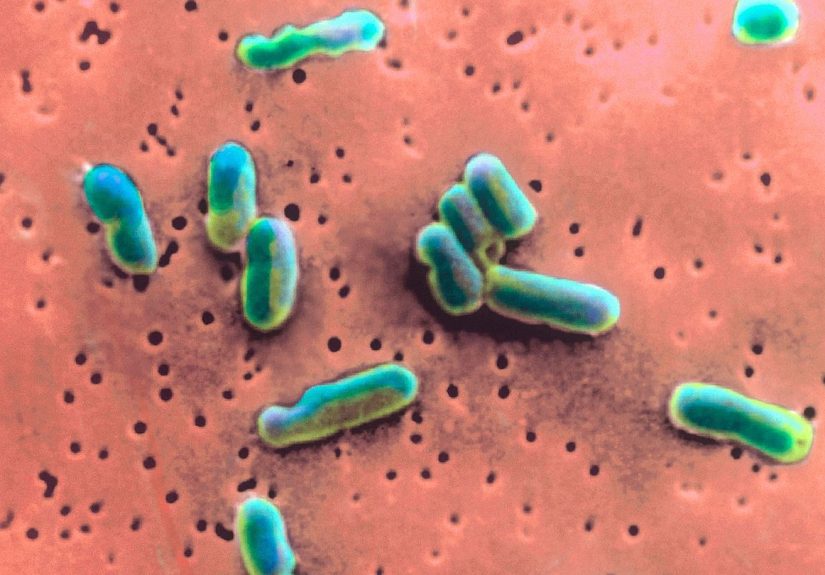
Shigella is a group of bacteria that infects the intestines. The illness it causes is called shigellosis, sometimes referred to as bacillary dysentery when symptoms are severe. The bacteria spread through what public health professionals call the fecal-oral route, which is a scientific way of saying that microscopic traces of infected stool can reach another person’s mouth through contaminated hands, surfaces, food, water, or sexual contact.
That description is not glamorous, but it is important. Shigella does not usually spread because people are careless monsters. It spreads because bathrooms, diapers, shared surfaces, food preparation, childcare settings, travel, crowded living conditions, and close personal contact all create opportunities for germs to hitch a ride. If handwashing is rushed, water is contaminated, a sick food worker handles ready-to-eat food, or a child with diarrhea returns to daycare too soon, Shigella can move fast.
The Main Shigella Species
There are four main Shigella species: Shigella sonnei, Shigella flexneri, Shigella dysenteriae, and Shigella boydii. In the United States, S. sonnei and S. flexneri are the most common. Historically, many U.S. cases were linked to young children, daycare centers, and international travel. The newer concern is that drug-resistant strains are increasingly being identified among adult populations as well.
What Makes XDR Shigella Different?
“Drug-resistant” means bacteria have developed ways to survive medicines that are supposed to kill them or stop their growth. “Extensively drug-resistant” Shigella is especially concerning because it resists several important antibiotics used to treat shigellosis. According to CDC definitions, XDR Shigella is resistant to ampicillin, azithromycin, ceftriaxone, ciprofloxacin, and trimethoprim-sulfamethoxazole.
Those names may look like a pharmacy shelf fell into a spelling bee, but they matter. These drugs include common oral and injectable options that clinicians may consider for serious cases. When Shigella resists them, doctors have fewer convenient treatments. CDC has also noted that no Food and Drug Administration-approved oral antimicrobial agents are available specifically for XDR Shigella. That does not mean every case is untreatable. It means treatment becomes more complicated and should be guided by laboratory testing whenever possible.
This is why the CDC is emphasizing testing, antimicrobial susceptibility results, and public health reporting. When a patient has severe or prolonged diarrhea, bloody stool, or belongs to a higher-risk group, identifying the exact bacteria and resistance pattern can help doctors choose the best available approach. Guessing is not ideal when the bacteria have clearly been studying for the antibiotic exam.
How Drug-Resistant Shigella Spreads
Shigella spreads easily because it takes only a small amount of the bacteria to make someone sick. A person can become infected after touching contaminated surfaces and then touching food or their mouth. It can spread through food prepared by someone who is infected, especially if that person has diarrhea and does not wash hands thoroughly. It can also spread through contaminated recreational water, untreated drinking water, or sexual activity involving contact with stool.
People with Shigella infection can shed bacteria in their stool even after symptoms improve. That is one reason outbreaks can continue after the first wave of illness seems to be over. Someone may feel “mostly better,” return to food preparation, childcare work, or close-contact activities, and unknowingly help the bacteria continue its tour.
Common Spread Scenarios
- A child with diarrhea attends daycare and contaminates toys, changing tables, or bathroom surfaces.
- A caregiver changes diapers and forgets to wash hands thoroughly afterward.
- A food worker returns to work too soon after illness and handles ready-to-eat foods.
- A traveler eats raw produce or drinks untreated water in an area with poor sanitation.
- A person swallows contaminated water while swimming in a lake, river, pond, or poorly maintained pool.
- Sexual contact exposes one partner to tiny amounts of infected stool.
Symptoms of Shigella Infection
Shigella symptoms usually begin about one to two days after exposure, though timing can vary. The most common symptoms include diarrhea, fever, stomach pain, cramps, nausea, and the feeling of needing to pass stool even when the bowel is empty. Diarrhea may be watery, bloody, prolonged, or contain mucus.
Most people recover in about five to seven days, but some symptoms can last longer. In certain cases, bowel habits may take weeks or even months to return fully to normal. That lingering recovery can surprise people. The stomach may stop staging a full rebellion, but the intestines may still act like they are suspicious of every sandwich.
When to Call a Doctor
Medical attention is especially important if diarrhea is bloody, lasts more than three days, comes with fever, causes dehydration, or includes severe abdominal cramping or tenderness. People with weakened immune systems, including those living with HIV, people receiving chemotherapy, older adults with serious illness, and young children, should be more cautious because severe infection is more likely.
Warning signs of dehydration include dizziness, dry mouth, little or no urination, extreme thirst, fatigue, and in children, fewer wet diapers or no tears when crying. Bloody diarrhea should never be treated like an ordinary stomach bug. It deserves a healthcare professional’s attention.
Who Is at Higher Risk?
Anyone can get Shigella. The bacteria do not check calendars, résumés, or gym memberships. However, CDC and clinical sources identify several groups with higher risk of infection or more serious illness.
Young Children
Children, especially toddlers and preschool-age children, are at higher risk because they are still learning hand hygiene and often share toys, surfaces, bathrooms, and snacks. Daycare and school settings can become outbreak zones if diarrhea policies are not followed.
International Travelers
Travelers to places without reliable treated water or adequate sanitation may face higher exposure through food, water, and contaminated surfaces. Travel-associated strains may also be more likely to carry antibiotic resistance.
People Experiencing Homelessness
People without stable housing may have limited access to clean toilets, handwashing stations, laundry, and healthcare. Those conditions can make prevention difficult and allow outbreaks to spread in shelters or encampments.
Men Who Have Sex With Men
CDC surveillance has identified higher rates of antimicrobial-resistant Shigella among gay, bisexual, and other men who have sex with men. This is related to transmission routes involving exposure to infected stool during sexual contact, not to identity itself. Clear, stigma-free health messaging matters because shame does not prevent infections; soap, testing, honest communication, and timely care do.
People With Weakened Immune Systems
People with weakened immune systems may experience more severe or prolonged illness. In rare cases, Shigella can lead to bloodstream infection or other complications, making early medical care especially important.
Why Antibiotic Resistance Makes This a Bigger Public Health Problem
Most mild Shigella infections do not require antibiotics. Fluids, rest, and careful hygiene are often enough. But antibiotics may be used for severe disease or to reduce spread in certain settings, such as outbreaks, childcare, food service, healthcare, or among people at higher risk. When the bacteria resist common antibiotics, that safety net becomes thinner.
There is another problem: resistant bacteria can share resistance genes with other bacteria in the gut. Think of it as bacterial gossip, except the gossip can make future infections harder to treat. Public health agencies worry not only about individual Shigella cases, but also about the broader spread of antimicrobial resistance.
Antibiotic resistance also affects cost and time. Resistant infections may require more testing, follow-up appointments, special treatment decisions, or hospitalization. CDC’s 2026 report found that among patients with available hospitalization data, more than one-third of XDR shigellosis patients were hospitalized, though no deaths were reported in that dataset. Even without deaths, hospitalization is not a small matter. Nobody wants a stomach infection that upgrades itself to a hospital wristband.
How Shigella Is Diagnosed and Treated
Healthcare providers can test a stool sample to confirm Shigella infection. If antibiotics are being considered, antimicrobial susceptibility testing can help determine which medicines are likely to work. This matters more now because the old assumption that standard antibiotics will handle the infection is becoming less reliable.
Supportive Care
For many people, treatment focuses on fluids and rest. Diarrhea can drain water and electrolytes from the body quickly, so hydration is not just a nice idea; it is the main event. Oral rehydration solutions can be useful, especially for children, older adults, and anyone losing a lot of fluid.
Medicines to Avoid Unless a Doctor Says Otherwise
People with suspected Shigella should be cautious with medicines that slow the gut, such as loperamide or diphenoxylate with atropine. These drugs may make some bacterial diarrheal illnesses worse or last longer by keeping germs inside the intestines. Bismuth subsalicylate may help some adults, but children, pregnant people, and people taking certain medications should check with a healthcare professional first.
Antibiotics
When antibiotics are needed, clinicians should use local resistance data and lab results whenever possible. If symptoms do not improve after starting antibiotics, additional testing may be necessary. This is especially true when drug-resistant Shigella is suspected.
Prevention: The Boring Habits That Actually Work
The best defense against Shigella is not fancy. It is soap, water, smart bathroom habits, safe food handling, and staying home when sick. Yes, the advice is boring. Unfortunately for germs, boring is often effective.
Wash Hands at Key Times
Wash hands with soap and water after using the bathroom, after changing diapers, after cleaning up someone else’s diarrhea, before preparing food, before eating, and before sexual activity. Hand sanitizer can help when soap is not available, but soap and running water are preferred when hands may be contaminated with stool.
Stay Home When Sick
People with diarrhea should avoid preparing food for others, going to school, working in healthcare, childcare, or food service, and swimming. Food workers, healthcare workers, and childcare workers may need clearance from a health department before returning.
Practice Safer Diapering
Dispose of diapers properly, clean and disinfect changing areas, wash the child’s hands, and wash your own hands thoroughly. In childcare settings, toys and surfaces should be cleaned and disinfected regularly, especially during an outbreak.
Be Careful With Water
Avoid swallowing water from lakes, rivers, ponds, splash pads, or pools. Do not swim while sick with diarrhea. When traveling internationally, choose treated or boiled water, eat foods served hot, and be careful with raw produce unless you can peel it yourself.
Pause Sexual Activity After Infection
If you or a partner has shigellosis, avoid sex while sick and for at least two weeks after diarrhea ends. When sexual activity resumes, wash hands and body parts before and after sex, and consider barriers such as condoms or dental dams to reduce exposure.
What This Means for Restaurants, Schools, and Families
Drug-resistant Shigella is not just a hospital issue. It is a community issue. Restaurants need sick-leave policies that do not punish employees for staying home with diarrhea. Schools and daycares need practical exclusion policies and real handwashing supervision, not just posters featuring cartoon soap bubbles. Families need to take stomach bugs seriously, especially when symptoms include blood, fever, or prolonged diarrhea.
Food service managers should train workers to report diarrhea symptoms, wash hands properly, avoid bare-hand contact with ready-to-eat foods when required by local rules, and follow health department guidance after illness. Parents should keep children with diarrhea home from school or childcare until it is safe to return. Travelers should pack common sense along with sunscreen: safe water, hot foods, clean hands, and caution with raw foods can prevent an unpleasant vacation plot twist.
Experience-Based Lessons: What Real-Life Shigella Prevention Looks Like
Public health advice can sound simple on paper, but real life is messier. A parent hears “wash hands thoroughly” while trying to change a squirming toddler, answer a work message, and prevent the family dog from investigating the diaper pail like it contains state secrets. A restaurant manager hears “send sick workers home” while staring at a short-staffed Friday night schedule. A traveler hears “avoid unsafe water” after already ordering ice in a drink because the menu looked trustworthy and the waiter seemed nice. Shigella prevention is not about perfection. It is about building routines that survive ordinary chaos.
In a household, the most useful experience is often learning to treat diarrhea like a temporary household emergency. That means one bathroom, if possible, becomes the sick bathroom. Towels are not shared. Surfaces such as toilet handles, faucets, light switches, and doorknobs get cleaned more often. The sick person does not prepare food for others, even if they insist they feel “basically fine.” This is the moment when love looks like soup left at the door and a strict handwashing policy.
In childcare settings, experience shows that prevention depends on repetition. Toddlers do not become hygiene experts after one cheerful song about soap. Staff need routines: diapering steps posted where they happen, gloves and cleaning supplies within reach, handwashing after every diaper change, and fast communication when multiple children develop diarrhea. Parents also need clear rules. Keeping a child home can be inconvenient, but bringing a child with diarrhea into a classroom can turn one family’s bad week into ten families’ bad week.
In food service, the biggest lesson is that culture matters. If workers fear losing pay, shifts, or respect when they report diarrhea, they may show up sick. That creates risk for customers and for the business itself. A strong sick policy is not just kindness; it is food safety infrastructure. Managers should make reporting symptoms normal, not shameful. The phrase “please stay home until cleared” should be as routine as checking refrigerator temperatures.
For travelers, the experience is usually humbling. People remember the one salad, the one drink with ice, or the one swim where they accidentally swallowed water. Safe travel habits work best when they are planned before hunger, heat, or vacation confidence takes over. Carry hand sanitizer, but do not treat it as magic. Choose hot foods. Be cautious with raw produce. Use bottled or treated water where needed. If diarrhea starts, prioritize hydration and avoid preparing food for others.
For sexual health, the lesson is honest communication without embarrassment. Shigella can spread through sexual contact, especially when there is exposure to stool. Avoiding sex during illness and for a period after diarrhea ends is not dramatic; it is practical. Partners should talk openly about symptoms, recent stomach illness, and hygiene. No one wants bacteria to become the surprise guest in a relationship.
The most important experience-based takeaway is this: Shigella prevention works best when people act early. Do not wait until an outbreak is confirmed to wash hands carefully, stay home while sick, clean shared surfaces, or call a doctor about bloody diarrhea. Drug-resistant Shigella raises the stakes, but the everyday prevention tools are still within reach. Soap, water, testing, staying home, and clear communication may not sound heroic, but in public health, they are often the heroes wearing sensible shoes.
Conclusion: A Tougher Stomach Bug Needs Smarter Prevention
The CDC’s warning about drug-resistant Shigella is not a reason to panic, but it is a strong reason to pay attention. Shigella is already highly contagious, and XDR strains make treatment more difficult when antibiotics are needed. The rise of drug-resistant Shigella shows how quickly a familiar stomach infection can become a more serious public health concern.
The good news is that prevention still works. Washing hands with soap and water, staying home during diarrhea, keeping sick children out of childcare, avoiding food preparation while ill, practicing safer sex after infection, and seeking medical care for severe symptoms can all reduce spread. The less opportunity Shigella has to move from person to person, the fewer chances it gets to cause illness, trigger outbreaks, and share resistance with other bacteria.
Drug-resistant bacteria may be clever, but they are not invincible. Sometimes the strongest public health tools are also the simplest: clean hands, clean surfaces, honest symptoms, smart testing, and enough respect for diarrhea to stop pretending it is “just something I ate.”