Table of Contents >> Show >> Hide
- What makes a Chantal whistling kettle different?
- Meet the Chantal lineup: popular whistling models (and who they’re for)
- How to choose the right Chantal whistling tea kettle
- How the whistle works (and why it sometimes goes quiet)
- Care and cleaning: keep it whistling, pouring, and looking good
- Safety tips (because boiling water does not negotiate)
- FAQ: quick answers before you buy (or panic)
- of real-world experiences with a Chantal whistling tea kettle
- Conclusion
There are two kinds of kitchens: the ones where “I’ll just heat some water” turns into a full-blown ritual,
and the ones where you blink and the kettle’s already screaming like a tiny metal smoke alarm.
If you’re in the first camp (or you want to be), a Chantal whistling tea kettle is basically a shortcut to
feeling like you have your life togethereven if your “life” is currently a stack of mugs you swear are “soaking.”
Chantal kettles are known for their signature two-tone harmonica-style whistle, classic silhouettes,
and sturdy build. They’re not the cheapest kettles you’ll ever see, and they’re not trying to be.
They’re the “buy it once, use it for years, and accidentally make it part of your personality” kind of kettle.
Let’s break down what makes them special, how to choose the right model, and how to keep your kettle
whistling happily instead of… mysteriously going silent.
What makes a Chantal whistling kettle different?
1) The whistle that doesn’t just whistleit performs
Many whistling kettles do one job: they shriek. Chantal’s classics are famous for a two-note, harmonica-like whistle
that’s designed to be audible without sounding like a panic response. It’s still a whistle (you’ll hear it),
but it’s got a distinct “signature” vibe that longtime owners can recognize from another room.
2) Fast heating with a wide, stable base
A lot of performance comes down to simple physics: more contact with the burner equals more efficient heating.
Many Chantal stovetop kettles use a wide, flat bottom so heat spreads evenly, helping water come to a boil
faster and reducing hot spots that can lead to annoying discoloration or uneven wear over time.
3) Materials chosen for flavor (and sanity)
Depending on the model, you’ll see enamel-on-steel (often with a porcelain-like enamel lining) or stainless steel interiors.
That matters because the inside of a kettle is where your water lives, and you want it tasting like waternot like
“I can’t quite place this metallic aftertaste, but I hate it.”
Meet the Chantal lineup: popular whistling models (and who they’re for)
The Classic enamel-on-steel kettle: the iconic everyday workhorse
If you picture a Chantal kettle in your head, you’re probably picturing the Classic:
a rounded, balanced shape, a comfortable handle, and that recognizable whistle.
The enamel-on-steel versions are commonly built with carbon steel and finished with a durable enamel interior
meant to keep water tasting clean. Many owners love it because it looks good on the stovetop even when it’s not in use
like functional kitchen decor that also makes tea.
This is also the model type that tends to show up in “best tea kettle” conversations because it hits the sweet spot:
sturdy construction, quick heating, comfortable handling, and a design that doesn’t age out after two trend cycles.
If you want one kettle to do it allmorning tea, instant noodles, French press water, hot cocoathis is the safe bet.
The Vintage series: cozy, classic, and easy to live with
The Vintage style leans into a more nostalgic silhouette: charming, slightly old-school, and
the kind of kettle that makes your kitchen feel warmer even before you turn on the burner.
Retail listings often highlight features like a stay-cool style handle, a spout cover,
and compatibility with common cooktops (including induction, depending on the specific model).
If your kitchen aesthetic is “farmhouse,” “grandmillennial,” “Scandi-but-cozy,” or “I thrift for sport,”
Vintage is the one that looks like it belongs next to your favorite mug collection.
Stainless Steel Classic: low-fuss, polished, and modern
Prefer a sleeker look and a more straightforward interior? Chantal’s stainless steel models are for people who
want durability, easier cleanup, and a more modern feel. Stainless interiors are popular because they’re practical,
and many people find them simpler to maintain day-to-dayespecially if you’re the type who boils water and immediately
runs off to do something else (like, say, exist).
Copper (or copper-accented) classics: statement piece energy
Let’s be honest: copper kettles are partly about performance and largely about vibes.
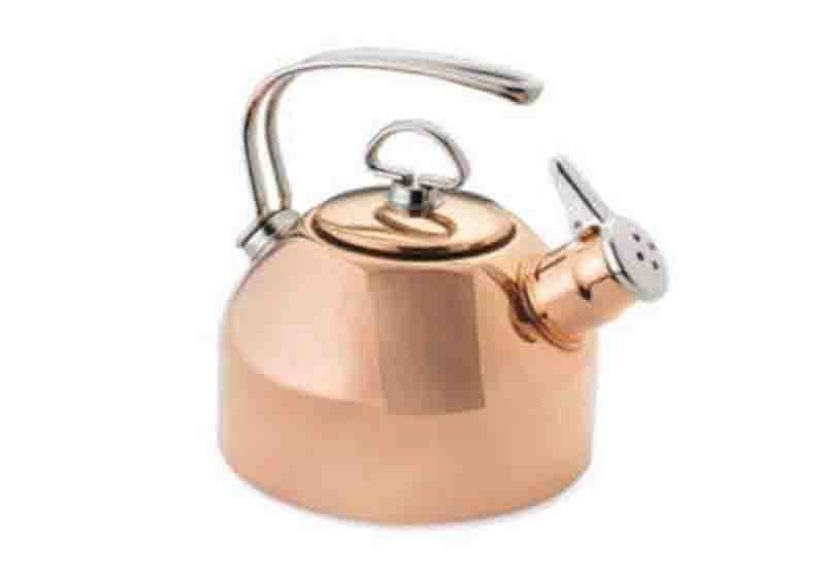
Chantal’s copper options are often described as a kitchen iconwith a classic shape, a wire loop handle,
and a distinctive two-tone whistle. Some versions use copper plating over stainless steel and include a heat-friendly base
designed for quick boiling.
Translation: this is the kettle you leave out on purpose.
If you love a showpiece that still earns its keep, copper is your movejust know it may need occasional polishing if you
want it looking shiny instead of “antique museum exhibit.”
How to choose the right Chantal whistling tea kettle
Start with your stove: gas, electric, or induction
Most shoppers decide between kettles after they answer one question: Will it work on my cooktop?
If you have an induction cooktop, you typically need a kettle with a magnetic base.
Many Chantal enamel-on-steel and select stainless models are built with induction compatibility in mind,
but always confirm the specific model’s cooktop notes before buying.
Pick a capacity that matches your real life
Ask yourself how you actually use hot water:
- 1–2 mugs at a time: A smaller kettle is faster and lighter.
- Family tea time or entertaining: A 2-quart-ish size keeps refills to a minimum.
- Meal prep and multi-tasking: Extra capacity helps when you’re also blanching, steeping, or filling a thermos.
Decide how “hands-on” you want to be
Some people enjoy the tiny rituals: hand-washing, wiping down enamel, polishing copper.
Others want a kettle that looks the same whether they baby it or not.
In general:
- Enamel-on-steel: beautiful, classic, and easy to wipe cleanjust avoid abrasives.
- Stainless steel: practical and often lower-maintenance.
- Copper finishes: gorgeous, but may tarnish over time (polish brings back the shine).
How the whistle works (and why it sometimes goes quiet)
A whistling kettle is a simple machine: water boils, steam travels up the spout, and the whistle cap vibrates as steam escapes.
If your kettle doesn’t whistle, it’s usually not “broken”it’s usually one of these fixable issues:
Common “no-whistle” causes
- Whistle cap not seated: If the spout cap isn’t fully closed, steam leaks before it can whistle.
- Lid not snug: A loose lid can release steam early.
- Heat too low: The kettle may be hot but not producing enough steam pressure to trigger the whistle.
- Mineral buildup: Limescale can interfere with steam flow and reduce performance.
- Overfilling: Water can splash into the spout/whistle area and affect airflow.
The good news: routine cleaning and correct filling habits solve most whistle drama.
If your model has an adjustable whistle/flipper mechanism, manufacturer guidance often shows how to realign it so it seals properly.
Care and cleaning: keep it whistling, pouring, and looking good
Daily habits that extend kettle life
- Don’t boil it dry: Overheating can damage finishes, warp components, or shorten the kettle’s lifespan.
- Empty after use: Leaving water inside encourages mineral depositsespecially with hard water.
- Use low to medium heat: High flames can discolor finishes (and waste energy).
- Match burner size to the base: If flames lick up the sides, your kettle will “age” faster.
Descaling (limescale removal) without destroying your kettle
If you live in a hard-water area, you’ll eventually meet your kettle’s least cute feature: limescale.
It looks like a chalky film or crust, and while it’s generally not dangerous, it can affect heating efficiency and taste.
Avoid abrasive scrubbingespecially on enamel interiors. Instead, use a gentle acidic soak.
A classic method is a vinegar-and-water simmer:
- Fill with a diluted vinegar solution (enough to cover mineral buildup).
- Heat until hot (a simmer is often sufficient).
- Let it sit briefly, then rinse thoroughly.
- Boil fresh water once and discard to remove any lingering odor.
Prefer something that smells less like salad dressing? Lemon juice or citric acid solutions also work well for many kettles.
The key is consistency: light monthly cleaning beats a once-a-year battle where you’re negotiating with a stalactite.
Cleaning the exterior (enamel, stainless, copper)
- Enamel: Soft sponge, mild soap, no steel wool.
- Stainless: Gentle cleaner and a non-scratch pad for fingerprints (follow product directions).
- Copper finishes: Polish occasionally if you want it bright; otherwise embrace the patina.
Safety tips (because boiling water does not negotiate)
This section is short, but important: hot water moves fast and forgives nothing.
Keep these habits and you’ll avoid the most common “how did this happen?” moments:
- Don’t overfill: Keep the water level below the inside spout opening so boiling water doesn’t force its way out.
- Use oven mitts if needed: Handles vary by stove type and burner strength.
- Keep flames under the base: Especially on gashigh flames can overheat handles and finishes.
- Open the spout carefully: Steam is invisible and extremely hot.
FAQ: quick answers before you buy (or panic)
Is a tea kettle the same as a teapot?
Nope. A tea kettle heats water. A teapot steeps tea.
Teapots generally aren’t designed for direct stovetop heat, while kettles are.
If you brew loose leaf, heat water in the kettle and pour it into your teapot or infuser.
Can I use a Chantal whistling kettle on induction?
Many models are induction compatible, especially enamel-on-steel and select stainless optionsbut compatibility depends on the exact kettle.
Look for explicit “induction” notes in the model details.
Why does my kettle drip when I pour?
Drips usually come from one of three things: pouring too fast, mineral buildup around the spout area, or the lid/whistle position
changing the flow slightly. Try a slower pour first. If it persists, descale and check that all parts are properly seated.
How do I keep the whistle loud and clear?
Make sure the spout cap seals properly, avoid overfilling, and descale regularly. If your model allows whistle adjustment,
follow the manufacturer’s guidance to align the whistle and flipper so steam routes correctly.
of real-world experiences with a Chantal whistling tea kettle
People don’t just “own” a Chantal whistling tea kettlethey develop a relationship with it. Not a dramatic one.
More like a dependable friendship where one of you sings two notes and the other one remembers they left the laundry in the washer.
Here are a few common (and surprisingly relatable) ways these kettles show up in everyday life.
The morning autopilot ritual: A lot of owners treat the kettle like the first domino of the day.
Fill it, set it on the burner, and while it heats, you do the small tasks that convince your brain you’re functional:
rinse yesterday’s mug, pack lunch, pretend you’re going to stretch. Then the harmonica whistle hits and you’re rewarded with
the simplest luxury: hot water exactly when you need it. For tea drinkers, it’s a clean steep for black tea.
For coffee people, it’s French press or instant pour-over water without having to stare at a digital display.
The “I host now” moment: When friends come over, a kettle feels oddly welcoming.
A Chantal kettle on the stove signals, “I have beverages. I have options. I can offer chamomile like a grown-up.”
It’s also a surprisingly efficient party tool: hot water for tea, cocoa, ramen cups, or even warming a bowl before serving soup.
The whistle becomes a little soundtrack to conversationsomeone will inevitably say, “Oh, it sings!”
and suddenly your kitchen has a main character.
The winter survival strategy: In cold months, people use kettles constantlynot just for tea.
Hot water bottles, steam for a quick humidity boost, preheating a thermos before heading out,
or making oatmeal without waiting on a slow pot of water. Owners often mention that a wide, stable base means faster boils,
which matters when you’re trying to get out the door and you’ve already lost five minutes looking for your other shoe.
The “hard water made me do it” maintenance story: If you have hard water, you’ll eventually notice
a chalky film inside almost any kettle. The common experience here is that the first time you descale, you’re mildly horrified,
then deeply satisfied. It’s like cleaning a shower head: unpleasant discovery, then instant improvement.
People who stay on a regular descaling schedule usually report the kettle heats more efficiently and pours more cleanly.
The lesson is simple: a quick monthly clean beats an epic annual scrub-fest.
The heirloom energy: Some owners talk about their Chantal kettle like it’s furniture
something that “belongs” in the kitchen long-term. That’s especially true when a kettle becomes part of family rhythm:
weekend pancakes, after-dinner tea, late-night study cocoa. The whistle becomes a cue everyone recognizes,
and over time the kettle stops being an item and starts being a tiny tradition.
Conclusion
A Chantal whistling tea kettle is equal parts tool and kitchen mood-setter: reliable performance, classic styling,
and a distinctive whistle that turns “water’s boiling” into a small daily ceremony. Choose your model based on your cooktop,
capacity needs, and how much maintenance you’re willing to do. Keep it clean (especially if you have hard water), avoid boiling dry,
and don’t overfillyour kettle will reward you with years of fast boils and better-tasting hot water.