
Table of Contents >> Show >> Hide
- What Is Chicken Cacciatore?
- Why This Chicken Cacciatore Recipe Works
- Chicken Cacciatore Recipe at a Glance
- Ingredients
- How to Make Chicken Cacciatore
- Best Sides for Chicken Cacciatore
- Tips for the Best Chicken Cacciatore
- Easy Variations
- Common Mistakes to Avoid
- How to Store and Reheat It
- Why This Recipe Belongs in Your Regular Dinner Rotation
- Experiences Around a Chicken Cacciatore Recipe
- Conclusion
Chicken cacciatore is what happens when a humble chicken dinner decides to get a little dramatic in the best possible way. You start with golden-browned chicken, add a skillet full of onions, peppers, mushrooms, garlic, tomatoes, herbs, and a splash of wine, and suddenly your kitchen smells like you know exactly what you’re doing. Even if you’re still checking the recipe with sauce on your thumb, this dish has your back.
If you’ve been looking for a chicken cacciatore recipe that feels classic, tastes rich, and doesn’t require a culinary degree or a grandmother named Nonna hovering over your shoulder, this is it. This version keeps the soul of the traditional dish while making it practical for modern home cooks. It is hearty enough for Sunday dinner, easy enough for a weeknight when you need comfort food, and flexible enough to work with what’s already hanging out in your fridge.
What Is Chicken Cacciatore?
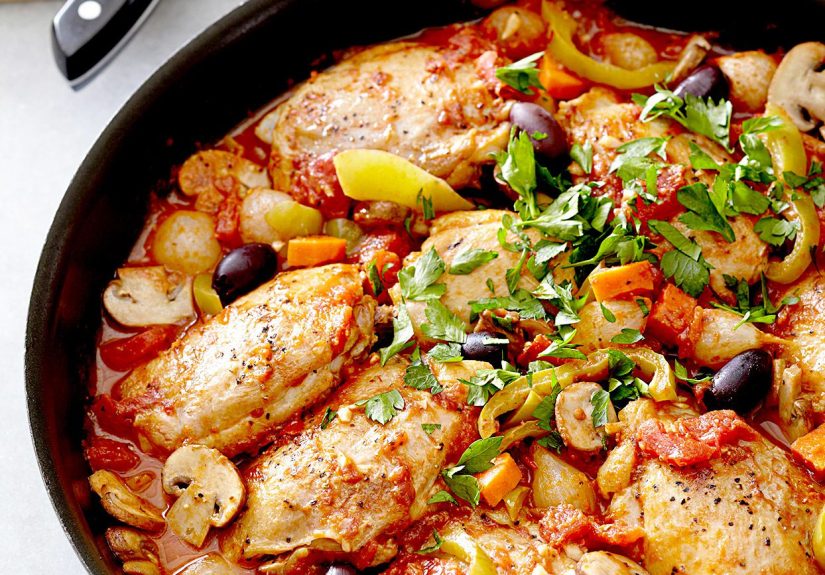
Chicken cacciatore is an Italian hunter-style chicken dish, usually made by browning chicken pieces and braising them in a savory tomato-based sauce with vegetables and herbs. Most versions lean on a familiar cast of characters: onions, bell peppers, mushrooms, garlic, tomatoes, olive oil, and herbs like oregano or rosemary. Some cooks add olives or capers for a briny kick, while others keep it simple and rustic. In other words, chicken cacciatore is wonderfully forgiving, which is one of the reasons people keep coming back to it.
The real charm of this Italian chicken stew is balance. It is rich without being heavy, rustic without feeling rough around the edges, and saucy enough to demand a sidekick like pasta, polenta, mashed potatoes, or crusty bread. It’s the kind of dinner that makes people ask, “Did you cook all day?” You can smile and say, “Naturally,” while quietly ignoring the fact that most of the work happened in one pan.
Why This Chicken Cacciatore Recipe Works
This version focuses on technique as much as ingredients. Browning the chicken first builds flavor and gives the finished dish a deeper, more savory foundation. Cooking the vegetables in the same pan lets them absorb all those browned bits, which is kitchen magic disguised as efficiency. A spoonful of tomato paste adds body, white wine lifts the flavor, and a gentle simmer pulls everything together into a sauce that tastes patient, even if you are not.
It also uses ingredients that are easy to find in American grocery stores. No scavenger hunt, no obscure specialty products, and no mysterious pantry item that costs more than the chicken itself. Just classic ingredients doing very good work.
Chicken Cacciatore Recipe at a Glance
Servings: 6
Prep time: 20 minutes
Cook time: 50 minutes
Total time: About 1 hour 10 minutes
Ingredients
For the Chicken
- 6 bone-in, skin-on chicken thighs, about 2 1/2 to 3 pounds
- 1 teaspoon kosher salt, plus more to taste
- 1/2 teaspoon black pepper
- 1/3 cup all-purpose flour, for light dredging
- 2 tablespoons olive oil
For the Sauce
- 1 medium yellow onion, thinly sliced
- 1 large red bell pepper, sliced into strips
- 8 ounces cremini mushrooms, sliced
- 4 garlic cloves, minced
- 2 tablespoons tomato paste
- 3/4 cup dry white wine
- 1 can (28 ounces) crushed tomatoes
- 1/2 cup low-sodium chicken broth
- 1 teaspoon dried oregano
- 1/2 teaspoon dried thyme
- 1/4 teaspoon red pepper flakes, optional
- 1 bay leaf
- 1/4 cup pitted olives, optional but recommended
- 1 tablespoon capers, optional
- 2 tablespoons chopped fresh parsley, for serving
How to Make Chicken Cacciatore
1. Season and Brown the Chicken
Pat the chicken thighs dry with paper towels. Season them with salt and pepper, then lightly dredge them in flour, shaking off the excess. Heat the olive oil in a large deep skillet or Dutch oven over medium-high heat. Place the chicken skin-side down and cook until deeply golden, about 5 to 7 minutes per side. Do this in batches if needed so the pan doesn’t get crowded. Transfer the browned chicken to a plate.
This step matters. Browned chicken equals flavor, and flavor is the whole point. Pale chicken is not a crime, but it is a missed opportunity.
2. Build the Vegetable Base
Reduce the heat to medium. Add the onion, bell pepper, and mushrooms to the same pan. Cook for 7 to 8 minutes, stirring occasionally, until the vegetables soften and pick up some color. Add the garlic and tomato paste, then cook for 1 minute more. The tomato paste should darken slightly and smell sweet and rich rather than raw.
3. Deglaze and Create the Sauce
Pour in the white wine and scrape up the browned bits from the bottom of the pan. Let the wine simmer for about 2 minutes to reduce slightly. Stir in the crushed tomatoes, chicken broth, oregano, thyme, red pepper flakes, and bay leaf. If you’re using olives and capers, add them now. Bring the sauce to a gentle simmer.
4. Braise Until Tender
Return the chicken to the pan, nestling it into the sauce. Lower the heat to medium-low, cover partially, and simmer for 30 to 35 minutes, or until the chicken is tender and cooked through. The sauce should thicken slightly, and the chicken should reach a safe internal temperature of 165°F in the thickest part.
5. Finish and Serve
Remove the bay leaf. Taste the sauce and adjust the seasoning with more salt or pepper if needed. Sprinkle with chopped parsley and serve hot over pasta, creamy polenta, mashed potatoes, or with crusty bread for serious sauce-scooping business.
Best Sides for Chicken Cacciatore
One of the great joys of this braised chicken in tomato sauce is that it plays well with almost everything. If you want the classic comfort-food route, serve it over spaghetti, pappardelle, or buttery polenta. If you want something cozier, mashed potatoes are oddly perfect and absolutely worth ignoring any Italian grandmother who might disagree. For a lighter dinner, spoon it over cauliflower mash, roasted vegetables, or even a bowl of white beans.
Crusty bread deserves special mention because this sauce is not a “leave it on the plate” situation. It’s more of a “wipe the plate so clean you could return it to the cabinet” situation.
Tips for the Best Chicken Cacciatore
- Use bone-in chicken thighs if possible. They stay juicy and deliver deeper flavor during braising.
- Don’t rush the browning. Good color on the chicken equals better flavor in the final sauce.
- Let the vegetables soften properly. Tender onions, peppers, and mushrooms make the sauce taste developed, not thrown together.
- Go easy on extra liquid. This is a chunky, rustic sauce, not chicken soup wearing Italian perfume.
- Make it ahead if you can. Like many stews and braises, the flavor often improves after a rest.
Easy Variations
Slow Cooker Chicken Cacciatore
Brown the chicken first for the best flavor, then transfer everything to a slow cooker. Cook on low for 6 to 7 hours or on high for 3 to 4 hours. The sauce will be a little looser, but the flavor will still be cozy and satisfying.
Skillet Chicken Cacciatore for Busy Nights
Use boneless chicken thighs or chicken breasts if you need a faster dinner. They cook more quickly, though the sauce won’t have quite the same long-braised depth. It’s still a smart weeknight move when time is short and takeout has started whispering your name.
Spicy Chicken Cacciatore
Add extra red pepper flakes or a sliced hot pepper to give the sauce a gentle kick. Not enough to set off alarms, just enough to keep things interesting.
Chicken Cacciatore with Olives and Capers
If you like a salty, briny edge, olives and capers are excellent here. They brighten the tomato sauce and make the whole dish taste just a little more grown-up.
Common Mistakes to Avoid
The biggest mistake is rushing the process. Chicken cacciatore is not difficult, but it does reward patience. Another common issue is overcrowding the pan when browning the chicken, which causes steaming instead of searing. Also, watch your heat once the sauce is simmering. A gentle braise creates tender chicken and a cohesive sauce. A wild boil can make the chicken tough and the sauce cranky.
And finally, taste before serving. Tomatoes vary, broth varies, olives vary, and your sauce might need another pinch of salt or a crack of black pepper to really wake up.
How to Store and Reheat It
Leftover chicken cacciatore stores beautifully, which makes it ideal for meal prep. Cool it before refrigerating, then keep it in an airtight container. Reheat gently on the stovetop or in the microwave with a splash of broth or water if the sauce has thickened too much. It may taste even better the next day, which is one of the perks of tomato-based braises: they know how to settle in and make themselves comfortable.
Why This Recipe Belongs in Your Regular Dinner Rotation
A great one-pan Italian chicken recipe should do more than just feed people. It should make dinner feel like an event without turning the kitchen into a disaster zone. Chicken cacciatore hits that sweet spot beautifully. It is simple enough for real life, impressive enough for guests, and flexible enough to match the season. In cooler months, it feels deeply cozy. In warmer months, serve it with a crisp salad and lighter sides, and it still works.
It also gives you that deeply satisfying sense that you made something substantial. Not just dinner. A meal. The kind of meal that inspires a second helping, a slower pace, and maybe a little extra bread “just in case.”
Experiences Around a Chicken Cacciatore Recipe
There are some recipes you cook because they are efficient, and there are other recipes you cook because they change the mood of the whole house. Chicken cacciatore belongs in the second group. It is not flashy in the modern, viral-video sense. No cheese pull. No edible glitter. No one is balancing a tower of onion rings on top and calling it innovation. Yet the experience of making it feels richer than a lot of trendier meals, because it asks you to slow down just enough to notice what’s happening.
The first small thrill comes when the chicken hits the hot pan. There is that confident sizzle that says, yes, dinner is underway. Then the vegetables go in, and suddenly the kitchen smells like onions, garlic, peppers, and mushrooms doing the most useful kind of teamwork. By the time the wine and tomatoes join the party, the whole thing starts to feel less like following instructions and more like conducting a very delicious orchestra.
What makes chicken cacciatore memorable is the way it fits into real life. It works for a quiet Sunday when you want to cook something comforting while wearing socks that do not match. It works for a family dinner when people drift into the kitchen asking, “What smells so good?” It even works for casual entertaining, because it looks impressive without forcing you to act like a restaurant line cook in your own home.
There is also something wonderfully reassuring about how unfussy it is. The sauce can be rustic. The vegetables do not have to be cut into mathematically perfect shapes. The chicken does not need a complicated marinade or a twelve-step treatment plan. It is the culinary version of a friend who says, “Come as you are,” then hands you a bowl of something warm and tomatoey.
Many home cooks end up loving chicken cacciatore not just because of the taste, but because of the ritual. Browning the chicken, stirring the vegetables, scraping up the browned bits, then letting the whole pan simmer into something greater than the sum of its parts creates a satisfying rhythm. It feels grounded. Dependable. Like an answer to those days when everything else has been too fast, too loud, or too complicated.
And then there is the table experience. Chicken cacciatore encourages generosity. You spoon extra sauce over the chicken. You pass the bread. Someone asks for more pasta. Someone else starts fishing out the mushrooms like they just discovered treasure. Even picky eaters sometimes make peace with peppers when they’ve been softened in a rich tomato sauce. Miracles happen.
Leftovers bring their own kind of pleasure too. The next day, the sauce tastes deeper, the flavors more settled, the whole dish somehow wiser. It becomes lunch you look forward to instead of lunch you merely tolerate. That alone makes it a recipe worth keeping.
So yes, chicken cacciatore is a recipe. But it is also a mood, a dinner strategy, and a small reminder that some of the best meals are not complicated at all. They are just honest, generous, and built to make people linger at the table a little longer.
Conclusion
If you want a classic chicken cacciatore recipe that delivers bold flavor without unnecessary fuss, this is the one to keep on repeat. It gives you tender chicken, a savory tomato sauce, and enough flexibility to suit weeknights, dinner parties, and cozy weekends alike. Serve it with whatever helps you capture every last drop of sauce, and you’ll understand why this dish has stayed popular for generations. Rustic, rich, and refreshingly unfancy, chicken cacciatore proves that good cooking does not need gimmicks. It just needs a good pan, a little patience, and the good sense to make extra.







 Close
Close