
Table of Contents >> Show >> Hide
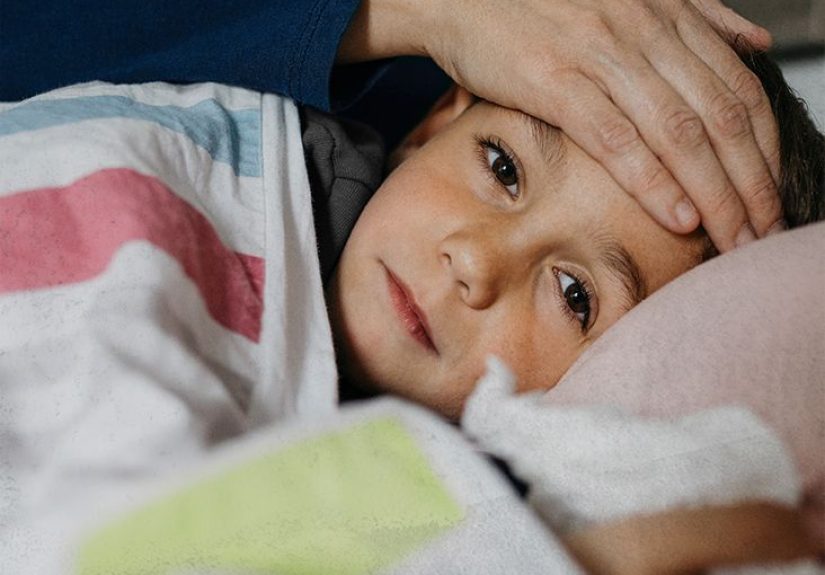
Chills with fever can make you feel like your body has turned into a badly programmed thermostat: one minute you are buried under blankets, the next you are sweating like you ran a marathon in July. While the experience is uncomfortable, chills and fever are often signs that your immune system is doing its job. Your body senses a threat, usually an infection, and raises its internal temperature to make life harder for germs.
Still, not every fever is “just a fever,” and not every chill deserves to be ignored. Sometimes chills with fever come from a mild viral illness such as a cold or the flu. Other times, they may point to a bacterial infection, urinary tract infection, pneumonia, medication reaction, heat-related illness, or another condition that needs medical care. The key is knowing what is normal, what can be treated at home, and what should send you to a healthcare professional without delay.
This guide explains the most common causes of chills with fever, how to treat them safely, when to worry, and how real-life experiences can help you manage symptoms without panic. Think of it as a calm, useful map for a moment when your body feels like it is hosting a tiny winter storm.
What Are Chills with Fever?
Chills are episodes of shivering, shaking, or feeling intensely cold even when the room is warm. They often happen when your body is trying to raise its temperature. A fever is generally a higher-than-normal body temperature, commonly around 100.4°F or higher, though exact definitions can vary depending on the measurement method and the person’s age.
When you get an infection, your immune system releases chemical signals that tell the brain’s temperature control center, the hypothalamus, to increase the body’s “set point.” Your body then acts as if you are cold, even if your actual temperature is already rising. Blood vessels narrow, muscles contract rapidly, and you shiver. That shivering creates heat, which helps push your temperature upward. In other words, chills are not random drama. They are your body’s furnace kicking on.
Once the fever breaks, the set point drops back toward normal. That is when sweating often begins. Many people describe this cycle as “freezing, then roasting.” It may feel strange, but it is a common fever pattern.
Common Causes of Chills with Fever
1. Viral Infections
Viral infections are among the most common reasons people develop fever and chills. The flu, COVID-19, RSV, and the common cold can all trigger feverish chills, body aches, fatigue, cough, sore throat, and headache. Flu symptoms often come on suddenly, which is why someone may feel perfectly fine at breakfast and completely flattened by dinner.
Most viral infections improve with rest, fluids, and time. Antibiotics do not treat viruses, so taking them “just in case” is not helpful unless a clinician finds a bacterial infection. For many people, the best treatment is simple but powerful: sleep, hydration, fever reducers when needed, and staying away from others while contagious.
2. Bacterial Infections
Bacterial infections can also cause chills with fever. Examples include strep throat, pneumonia, urinary tract infections, kidney infections, skin infections, sinus infections, and certain abdominal infections. Bacterial illnesses may need antibiotics, but the correct choice depends on the infection site and the likely bacteria involved.
Possible warning signs of bacterial infection include fever that persists or worsens, severe localized pain, painful urination, shortness of breath, a spreading red or swollen skin area, chest discomfort, stiff neck, or confusion. A fever with shaking chills can sometimes occur when bacteria enter the bloodstream, which requires urgent medical evaluation.
3. Influenza
Influenza deserves its own spotlight because chills are one of its classic symptoms. People with the flu may have fever or feel feverish, chills, cough, sore throat, runny or stuffy nose, muscle aches, headache, and deep fatigue. Some children may also have vomiting or diarrhea.
For higher-risk people, including older adults, pregnant people, young children, and those with certain chronic conditions, flu can lead to complications such as pneumonia. Antiviral medicine may help some patients if started early, especially within the first couple of days of symptoms. If you are at higher risk or symptoms are severe, it is smart to contact a healthcare provider promptly.
4. Urinary Tract or Kidney Infection
A urinary tract infection may cause burning with urination, frequent urination, lower belly discomfort, cloudy urine, or strong-smelling urine. If the infection moves toward the kidneys, symptoms may include fever, chills, back or side pain, nausea, and feeling very ill.
Kidney infections usually need medical treatment. Do not try to “flush it out” for days while hoping for the best. Water is helpful, but it is not a tiny plumber with a medical degree.
5. Pneumonia and Other Lung Infections
Pneumonia can cause fever, chills, cough, chest pain, shortness of breath, and fatigue. Some people cough up mucus; others, especially older adults, may have fewer obvious symptoms but become unusually weak or confused. Pneumonia may be viral, bacterial, or fungal, and treatment depends on the cause.
Seek medical care if fever and chills come with trouble breathing, chest pain, blue lips, severe weakness, or symptoms that improve and then suddenly get worse.
6. Gastrointestinal Infections
Food poisoning, stomach viruses, and other gastrointestinal infections may cause fever, chills, nausea, vomiting, diarrhea, and abdominal cramps. Most mild cases improve with fluids and rest, but dehydration can become a problem quickly, especially in children, older adults, and anyone who cannot keep liquids down.
Call a healthcare provider if there is blood in stool, severe belly pain, signs of dehydration, fever that does not improve, or symptoms after travel, unsafe food exposure, or contact with someone seriously ill.
7. Heat-Related Illness
It may sound odd, but chills can happen with overheating. During heat exhaustion or heat stroke, the body’s temperature regulation system becomes overwhelmed. A person may feel chilled, clammy, dizzy, nauseated, weak, or confused. Heat stroke is a medical emergency.
If someone has a high body temperature after heat exposure, confusion, fainting, hot dry skin or heavy sweating, or worsening symptoms, move them to a cooler place and seek emergency help.
8. Medication Reactions and Vaccines
Some medications can cause fever and chills as part of a reaction. Vaccines may also cause short-term fever, chills, fatigue, or body aches as the immune system responds. These symptoms are usually temporary, but severe allergic symptoms, trouble breathing, facial swelling, or a high fever should be evaluated immediately.
9. Inflammatory and Other Medical Conditions
Not all fevers come from infections. Autoimmune diseases, inflammatory conditions, some cancers, blood clots, and other illnesses can cause fever and chills. A fever that lasts for days without a clear reason, keeps returning, or comes with unexplained weight loss, night sweats, persistent pain, or extreme fatigue should be checked by a clinician.
How to Treat Chills with Fever at Home
Rest Like It Is Your Job
When you have fever and chills, your body is spending energy on immune defense. Rest is not laziness; it is strategy. Reduce physical activity, stay home when possible, and avoid pushing through intense workouts or long workdays. Your immune system does not need a motivational speech. It needs sleep.
Drink Fluids Often
Fever increases fluid loss through sweating and faster breathing. Water, broth, oral rehydration solutions, diluted juice, and warm tea can help. If your stomach is upset, take small sips frequently instead of trying to drink a huge glass at once.
Signs of dehydration include dark urine, dizziness, dry mouth, very little urination, extreme thirst, and, in children, no tears when crying or fewer wet diapers. Dehydration with fever deserves medical attention.
Dress Comfortably
When chills hit, it is tempting to pile on every blanket in the house and become a human burrito. A light blanket is fine if you are shivering, but avoid heavy bundling that traps heat and may push your temperature higher. Wear lightweight clothing and keep the room comfortably cool, not icy.
Use Fever Reducers Safely
Acetaminophen or ibuprofen can reduce fever and relieve aches for many people. Always follow the label directions, avoid doubling up on medications that contain the same ingredient, and be careful with combination cold and flu products. For example, many cough and cold medicines already contain acetaminophen.
Children and teenagers should not take aspirin for fever because of the risk of Reye syndrome, a rare but serious condition. People with liver disease, kidney disease, stomach ulcers, bleeding risks, or certain chronic conditions should ask a healthcare professional before using fever reducers.
Try a Lukewarm Bath or Sponge Bath
A lukewarm bath may help lower body temperature after fever medicine has started working. Avoid ice baths, cold showers, or rubbing alcohol. These can trigger more shivering, which may raise body temperature and make you feel worse. Fever care should not feel like a survival reality show.
When to Seek Medical Care
Many fevers improve on their own, but some symptoms are red flags. Adults should seek urgent medical help for fever with confusion, fainting, seizure, stiff neck, severe headache, chest pain, trouble breathing, severe abdominal pain, persistent vomiting, signs of dehydration, a purple or spreading rash, or a temperature around 104°F or higher.
Call a healthcare provider if an adult fever reaches around 103°F, lasts more than three days, does not improve with appropriate medicine, or keeps returning. People who are pregnant, immunocompromised, elderly, or living with serious chronic disease should be more cautious and seek advice earlier.
Fever in Babies and Children
Fever rules are different for infants. A baby younger than 3 months with a rectal temperature of 100.4°F or higher needs prompt medical evaluation. Young infants can become seriously ill quickly, and they may not show dramatic symptoms at first.
For older children, call a healthcare provider if fever lasts several days, the child seems unusually sleepy or irritable, has trouble breathing, develops a rash, shows signs of dehydration, has a stiff neck, has a seizure, or seems seriously unwell. Parents and caregivers should trust their instincts. If a child looks “not right,” that matters.
How Doctors Diagnose Chills with Fever
A healthcare professional will usually begin with questions: When did the fever start? How high did it get? Are there cough, sore throat, urinary symptoms, belly pain, rash, travel history, medication changes, sick contacts, or recent procedures? The answers help narrow the possibilities.
Depending on symptoms, testing may include a flu, COVID-19, or strep test; urine test; blood work; chest X-ray; blood cultures; or other imaging. The goal is not to test for everything under the sun. The goal is to match the evaluation to the most likely and most serious causes.
Prevention: How to Lower Your Risk
You cannot prevent every fever, but you can reduce risk. Wash hands regularly, avoid close contact with people who are sick, stay up to date on recommended vaccines, clean frequently touched surfaces, handle food safely, and stay home when you have fever and respiratory symptoms. These habits may sound boring, but boring prevention is much better than exciting pneumonia.
For respiratory viruses, it is wise to return to normal activities only when symptoms are improving and you have been fever-free without fever-reducing medicine for at least 24 hours. Extra precautions for a few days afterward, such as masking or avoiding high-risk people, can help protect others.
Chills with Fever: Practical Experience and Real-Life Lessons
Anyone who has had chills with fever knows the experience is more than a number on a thermometer. It has a very specific personality. It arrives dramatically, makes your teeth chatter, convinces you that the living room has turned into Alaska, and then leaves you sweaty and annoyed. Real-life experience teaches a few lessons that medical checklists sometimes miss.
The first lesson is that comfort matters. When chills start, many people panic because the shaking feels intense. A better approach is to check the temperature, drink fluids, put on light layers, and rest. A soft blanket can help during the shivering phase, but heavy bundling usually backfires. Once the fever rises, too many blankets can trap heat and make discomfort worse. The goal is not to win a blanket-stacking contest. The goal is to stay comfortable while your body regulates itself.
The second lesson is that hydration is easier before dehydration begins. During fever, people often wait until they feel very thirsty before drinking. By then, the body may already be behind. Keeping a water bottle nearby helps. Small, steady sips are often better than forcing large amounts at once, especially if nausea is present. Warm broth, herbal tea, or an oral rehydration drink can feel more appealing than plain water when appetite disappears.
The third lesson is to write symptoms down. Fever has a way of making time blurry. Was the temperature 101.8°F at noon or 103°F at 3 p.m.? Did the cough start yesterday or two days ago? A quick note on your phone can help you spot patterns and give better information to a clinician. Include temperature readings, medicines taken, fluid intake, and new symptoms such as rash, pain, shortness of breath, or urinary changes.
The fourth lesson is that fever reducers are not a personality test. Some people feel they should “tough it out,” while others want to treat every tiny temperature bump. In general, the decision depends on comfort, age, risk factors, and severity. A low-grade fever in a healthy adult may not require medicine if the person feels okay. But if fever causes body aches, poor sleep, or dehydration risk, appropriate use of acetaminophen or ibuprofen may help. The important part is using the right dose and avoiding unsafe combinations.
The fifth lesson is to respect red flags. Most fever-and-chills episodes are temporary, but serious illness can begin the same way. Trouble breathing, confusion, stiff neck, severe pain, persistent vomiting, signs of dehydration, or a very high fever should not be watched casually from the couch. It is better to be told, “Good news, this is manageable,” than to wait too long because you did not want to bother anyone.
Finally, chills with fever are a reminder that the body is noisy when it is defending itself. Sometimes the noise is ordinary; sometimes it is an alarm. Listening carefully, treating symptoms wisely, and knowing when to get medical help can turn a scary night into a manageable one.
Conclusion
Chills with fever are usually caused by the immune system responding to infection, especially viral illnesses such as flu, COVID-19, or the common cold. They can also come from bacterial infections, urinary tract infections, pneumonia, stomach infections, heat illness, medication reactions, or inflammatory conditions. Home care often includes rest, fluids, light clothing, safe fever reducers, and careful monitoring.
The most important step is to look at the whole picture, not just the thermometer. A mild fever with clear cold symptoms may be manageable at home, while fever with confusion, breathing trouble, stiff neck, severe pain, dehydration, rash, or very high temperature needs medical attention. For babies younger than 3 months, fever should be treated as urgent.
In short, chills with fever are common, uncomfortable, and usually temporary. But they are also useful signals. Pay attention, care for your body, and do not hesitate to seek help when symptoms cross the line from annoying to concerning.





 Close
Close