
Table of Contents >> Show >> Hide
- What Are Chocolate Revel Bars?
- Why Chocolate Revel Bars Work So Well
- Classic Chocolate Revel Bars Recipe
- Best Tips for Perfect Chocolate Revel Bars
- Easy Variations
- How to Serve, Store, and Freeze Them
- Why Chocolate Revel Bars Still Deserve a Spot on Your Dessert Table
- Extra Experience: The Real-Life Joy of Baking Chocolate Revel Bars
- Conclusion
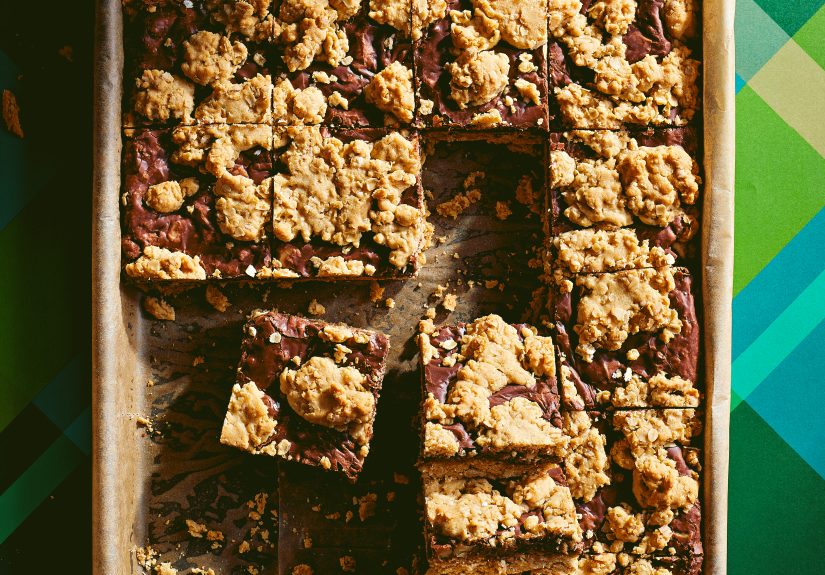
Chocolate Revel Bars are the kind of dessert that make people hover near the pan and suddenly become “very interested” in helping with cleanup. They are rich, chewy, chocolatey, and just rustic enough to feel homemade in the best possible way. Think of them as the sweet middle ground between an oatmeal cookie, a crumb bar, and a fudge slice that decided life was too short to choose only one personality.
At their core, Chocolate Revel Bars are built on contrast. The base and topping are made from a buttery oat dough that bakes into a soft, chewy, slightly crumbly layer with a deep brown sugar flavor. In the middle sits a glossy chocolate filling, usually made with semisweet chocolate and sweetened condensed milk, which creates that unmistakable fudgy ribbon running through every bite. Add walnuts if you like a little crunch, leave them out if you do not, and either way you still end up with one of the great American bar-cookie classics.
What Are Chocolate Revel Bars?
Chocolate Revel Bars are classic dessert bars with three layers: an oat-based bottom crust, a chocolate filling, and a loose oat topping scattered over the top before baking. They are often baked in a 9×13-inch pan, cooled completely, then cut into squares or rectangles. The finished texture is what makes them memorable. The oat layers are chewy and buttery, while the center stays rich and smooth rather than cakey.
They also have that slightly retro, bake-sale charm that never goes out of style. These bars do not need frosting, sprinkles, or a dramatic garnish. They show up, do their job, and disappear quickly. That is dessert confidence.
Why Chocolate Revel Bars Work So Well
The Oat Crust and Crumble Topping
The oat mixture pulls a lot of weight here. Flour gives structure, brown sugar adds warmth and chew, butter brings richness, and oats create that hearty texture people love in old-school bar cookies. Vanilla helps round everything out, while baking soda gives the dough just enough lift to keep it from turning dense. The result is not a crisp crust and not a soft cookie either. It lands in that magical chewy zone where every edge feels slightly caramelized and every center bite still feels tender.
The Chocolate Filling
The filling is where revel bars earn the word “revel.” A mixture of semisweet chocolate chips, sweetened condensed milk, butter, a pinch of salt, and vanilla melts into a thick chocolate layer that bakes up luscious and sliceable. Sweetened condensed milk is doing some serious emotional labor here. It adds sweetness, body, and that smooth, fudge-like finish without forcing you into a full candy-making project. In other words, it gives you big dessert energy without the kitchen drama.
The Flavor Balance
These bars are sweet, but they are not one-note sweet. Brown sugar adds molasses depth, oats bring a toasty grain flavor, semisweet chocolate keeps the center from becoming cloying, and a pinch of salt makes everything taste more like itself. Walnuts, when included, add a slight bitterness and crunch that cut through the richness. This is why Chocolate Revel Bars feel more interesting than basic chocolate bars and more indulgent than plain oatmeal cookie bars.
Classic Chocolate Revel Bars Recipe
Ingredients
For the oat dough:
- 3 cups quick-cooking oats
- 2 1/2 cups all-purpose flour
- 1 teaspoon baking soda
- 1 teaspoon salt
- 2 cups packed brown sugar
- 1 cup unsalted butter, softened
- 2 large eggs
- 2 teaspoons vanilla extract
For the chocolate filling:
- 1 can sweetened condensed milk, 14 ounces
- 1 1/2 cups semisweet chocolate chips
- 2 tablespoons butter
- 1/2 teaspoon salt
- 2 teaspoons vanilla extract
- 1/2 cup chopped walnuts, optional
How to Make Chocolate Revel Bars
- Preheat the oven to 350°F. Grease or line a 9×13-inch baking pan with parchment paper, leaving some overhang for easy lifting later.
- In a medium bowl, whisk together the oats, flour, baking soda, and salt.
- In a large bowl, beat the brown sugar and softened butter until creamy. Add the eggs and vanilla, then mix until smooth.
- Add the dry ingredients to the butter mixture and stir until combined. The dough will be thick. That is normal. This is a bar recipe, not a delicate soufflé with performance anxiety.
- In a saucepan over low heat, combine the sweetened condensed milk, chocolate chips, butter, and salt. Stir until melted and smooth. Remove from the heat and stir in the vanilla and walnuts, if using.
- Press about two-thirds of the oat dough into the prepared pan to form an even base.
- Spread the chocolate filling evenly over the base.
- Dot or crumble the remaining oat dough over the chocolate layer. Do not worry about full coverage. Those little gaps let the filling peek through, which is part of the appeal.
- Bake for 30 to 35 minutes, or until the top is lightly golden and the edges look set.
- Cool completely in the pan before slicing. Completely. Not “mostly.” Not “close enough.” Warm revel bars are delicious, but neat squares require patience.
Best Tips for Perfect Chocolate Revel Bars
1. Do Not Overmeasure the Flour
Too much flour can push the bars from chewy to dry. Spoon flour into the measuring cup and level it off, or weigh it if that is your style. Bar cookies are forgiving, but they still notice when you get heavy-handed.
2. Use Parchment Paper
If you want clean slices and an easy exit from the pan, parchment is your best friend. It lets you lift the whole slab out once cooled, which makes cutting far less awkward than sawing at dessert in a deep pan while trying not to destroy the corners.
3. Choose the Right Oats
Quick oats are the most classic choice for Chocolate Revel Bars because they create a cohesive, chewy texture. Old-fashioned oats can work too, but they make the bars a little rougher and heartier. Neither option is wrong; it just depends on whether you want “smooth and chewy” or “chewy with a little cowboy attitude.”
4. Melt the Filling Gently
Low heat matters. Chocolate scorches faster than people think, and once it turns grainy, there is no speech you can give it to bring it back. Stir often and keep the heat modest.
5. Cool Before Cutting
This is the rule that separates bakery-style bars from a delicious but chaotic chocolate landslide. The filling firms as it cools, and the oat layers settle too. Give the bars time and they will reward you with clean, rich slices.
Easy Variations
Walnut-Free Chocolate Revel Bars
Skip the nuts and the bars still work beautifully. You lose a little crunch, but the chocolate flavor shines even more. This is a great option if you are baking for a crowd and want to keep things simple.
Dark Chocolate Revel Bars
Swap semisweet chips for dark chocolate chips if you want a deeper, less sugary center. This version tastes slightly more grown-up, like the bars started paying taxes and developed opinions about coffee.
Extra-Oaty Revel Bars
Use old-fashioned oats for a more textured bite. The bars feel heartier and more rustic, almost like an oatmeal cookie and a chocolate truffle had a very successful meeting.
Holiday Chocolate Revel Bars
Add a small pinch of cinnamon to the oat dough or a handful of toffee bits to the topping for a festive variation. The base recipe is flexible enough to handle little upgrades without losing its identity.
How to Serve, Store, and Freeze Them
Chocolate Revel Bars are ideal for potlucks, bake sales, lunchbox treats, and holiday dessert trays because they travel well and slice neatly once cooled. Serve them at room temperature for the best balance of chew and fudge. If you like an extra-firm texture, chill them briefly before cutting.
Store the bars in an airtight container at room temperature for about three days, or in the refrigerator for closer to a week. If stacking them, place parchment paper between layers so you do not accidentally create one giant super-bar. They also freeze well. Wrap individual pieces or a whole slab tightly, then thaw before serving.
Why Chocolate Revel Bars Still Deserve a Spot on Your Dessert Table
Some desserts win because they are dramatic. Chocolate Revel Bars win because they are dependable, deeply satisfying, and somehow even better than you expect them to be. They use familiar pantry ingredients, bake in one pan, and hit that rare sweet spot between homemade comfort and genuine indulgence.
They are also a reminder that not every great dessert needs frosting swirls or a torch or a five-hour chilling schedule. Sometimes the best recipe is the one with oats on your countertop, chocolate in the cupboard, and a very clear mission: make people happy in square form.
Extra Experience: The Real-Life Joy of Baking Chocolate Revel Bars
There is something especially satisfying about baking Chocolate Revel Bars because the process feels both practical and slightly magical. You start with ingredients that look ordinary enough: oats, flour, brown sugar, butter, eggs, chocolate chips, a can of sweetened condensed milk. Nothing in that lineup seems like it is about to become the star of the kitchen. And then the oven does its thing, the house starts smelling like toasted oats and warm chocolate, and suddenly everyone nearby remembers they were “just passing through” and absolutely had no intention of checking on dessert every six minutes.
One of the best experiences with revel bars is how approachable they feel for so many kinds of bakers. If you are brand new to baking, they are forgiving. You are not piping anything, tempering anything, or making a dessert that collapses because someone breathed too confidently near the oven door. If you are an experienced baker, they still deliver that old-fashioned satisfaction of making something sturdy, nostalgic, and undeniably crowd-pleasing. They sit right in that sweet spot between low-stress and high-reward, which is honestly where many of the best desserts live.
Chocolate Revel Bars also have a way of becoming “the thing you are asked to bring again.” Maybe it happens at a school event. Maybe it is a family holiday. Maybe it is a casual weekend visit where you show up with a tin of bars and leave with exactly zero leftovers and at least two recipe requests. They have that effect. People like desserts that feel familiar, and these bars taste like they belong to a memory even when someone is trying them for the first time.
There is also the texture experience, which really deserves its own little standing ovation. The top is lightly golden, the base is chewy, and the center stays rich and fudgy in a way that makes every bite feel complete. Some desserts are all about crunch. Some are all about gooeyness. Revel bars manage to deliver contrast without turning into a mess. Even better, they taste great at room temperature, which means you can bake them ahead without sacrificing quality. That makes them ideal for busy people, organized people, and people who aspire to be organized but mostly just want dessert that does not betray them.
Then there is the slicing moment. Once the bars are fully cooled and lifted from the pan, that first clean cut feels ridiculously rewarding. You get those distinct layers, the peeks of chocolate between oat topping, and the kind of neat square that makes you look more competent than you may actually feel. It is a small kitchen triumph, but a real one.
And finally, there is the eating experience itself. Chocolate Revel Bars are rich enough to feel special but not so over-the-top that one bite is plenty. They invite a second square. Sometimes a third. They pair well with coffee, milk, tea, and late-night kitchen wandering. They belong on dessert trays, but they also belong on a plate by the sink while you pretend you are just trimming the edges. No judgment. That is basically part of the tradition.
Conclusion
Chocolate Revel Bars are a classic for a reason. They combine a buttery oat crust, a luscious chocolate filling, and an easy one-pan method into a dessert that feels nostalgic, generous, and reliably delicious. Whether you bake them for a holiday tray, an office gathering, or a quiet weekend at home, they deliver the kind of comfort that never gets old. In a world full of flashy desserts competing for attention, these bars quietly keep winning people over one chewy, fudgy square at a time.






 Close
Close