
Table of Contents >> Show >> Hide
- What is cholinergic urticaria?
- Symptoms of cholinergic urticaria
- What causes cholinergic urticaria?
- Risk factors and related conditions
- How cholinergic urticaria is diagnosed
- Treatment for cholinergic urticaria
- When to seek urgent medical care
- Can cholinergic urticaria go away?
- Living with cholinergic urticaria: practical tips
- Experiences related to cholinergic urticaria
- Conclusion
Some people break a sweat at the gym. Others break out in tiny, itchy hives that seem to pop up the moment their body heats up. If that second sentence feels painfully familiar, cholinergic urticaria may be the missing piece of the puzzle. This condition is a type of inducible hives triggered by a rise in body temperature. Exercise, hot showers, spicy meals, emotional stress, and even walking into steamy summer air can flip the switch.
While the rash usually fades fairly quickly, the frustration can linger much longer. Cholinergic urticaria can interrupt workouts, make hot weather feel like a personal insult, and turn a relaxing shower into a regrettable life choice. The good news is that it is manageable. With the right diagnosis, smart trigger control, and the right treatment plan, many people get meaningful relief.
What is cholinergic urticaria?
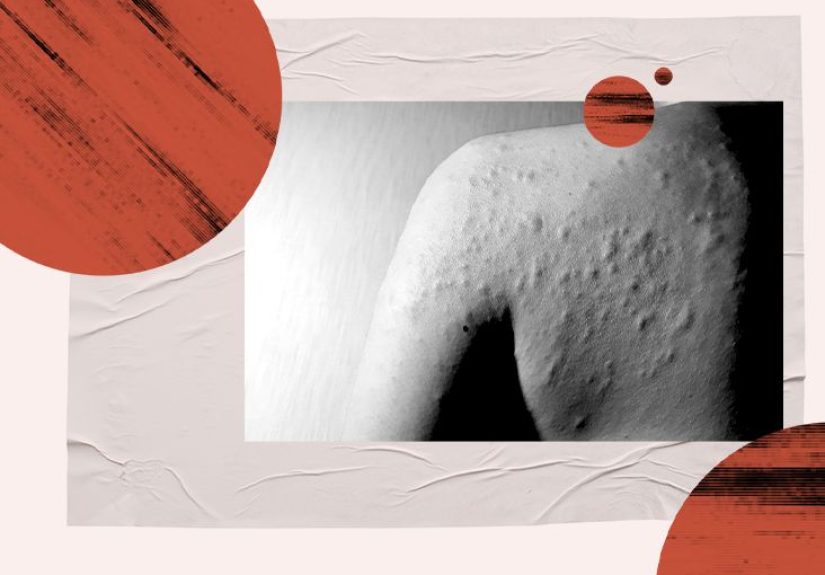
Cholinergic urticaria is a form of hives that appears when your core body temperature rises and sweating begins. The rash often shows up as very small, itchy, red bumps surrounded by a broader area of redness. In many people, the bumps are pinpoint-sized, but the irritation is anything but tiny.
This condition is often grouped with other forms of physical or inducible urticaria, meaning the hives are brought on by a specific trigger rather than showing up randomly. It tends to begin in teenagers and young adults, although it can happen at other ages too. Some people have only occasional flares. Others feel as if their skin has become dramatically overprotective and now objects to basic activities like climbing stairs too fast.
Symptoms of cholinergic urticaria
Classic skin symptoms
The most recognizable sign is a sudden crop of small hives that starts within minutes of sweating or warming up. These bumps may appear on the chest, neck, upper back, arms, or face, though they can spread more widely. Many flares last 20 to 30 minutes, but some linger for an hour or longer.
Common symptoms include:
- Pinpoint red bumps or tiny raised welts
- Intense itching
- Burning, tingling, or prickling sensations
- Warmth or flushing of the skin
- Patchy redness around the hives
Not everyone describes the sensation as simple itching. Some people say it feels more like their skin is being attacked by a swarm of invisible spicy ants. That description is not technically elegant, but it is emotionally accurate.
Symptoms beyond the skin
Although cholinergic urticaria is usually limited to the skin, some people have more intense episodes. In more severe cases, symptoms may include wheezing, shortness of breath, stomach upset, diarrhea, headache, lightheadedness, or palpitations. That matters because cholinergic urticaria can sometimes overlap with more serious reactions, including exercise-related anaphylaxis.
If you develop throat tightness, trouble breathing, fainting, swelling of the mouth or tongue, or rapidly worsening symptoms involving more than one body system, that is not a “wait and see” moment. It is an urgent medical issue.
What causes cholinergic urticaria?
The exact cause is still not fully understood, which is medicine’s polite way of saying researchers have strong theories, but no single explanation fits every patient. One leading idea involves acetylcholine, a chemical messenger in the nervous system that helps activate sweating. In people with cholinergic urticaria, the process of heating up and sweating seems to trigger an exaggerated skin response that leads to hives.
Researchers have also explored whether some cases are tied to abnormal sweat responses, hypersensitivity to components of sweat, or related inflammatory pathways. That helps explain why two people can have the same trigger, such as jogging on a warm day, and only one of them ends up looking like they lost an argument with a patch of nettles.
Common triggers
Anything that raises body temperature can trigger symptoms. Common cholinergic urticaria triggers include:
- Exercise or physical exertion
- Hot showers, baths, saunas, and hot tubs
- Hot weather or humid rooms
- Emotional stress, anxiety, or anger
- Fever
- Spicy foods
- Overdressing or wearing clothing that traps heat
Exercise is the most frequently reported trigger, but the exact pattern varies from person to person. One patient may flare after a short jog, while another can lift weights in air conditioning but react instantly to a hot shower. That inconsistency can make the condition confusing and easy to dismiss at first.
Risk factors and related conditions
Cholinergic urticaria may be more likely in people who already have other allergic or atopic conditions, such as asthma, eczema, or allergic rhinitis. Some patients also have chronic hives or other forms of inducible urticaria, such as dermatographism. Family history may play a role in some cases, though it is not usually straightforward.
There is also evidence that a subset of people with cholinergic urticaria may have reduced sweating or abnormal sweating patterns. That does not mean everyone with the condition has a sweat problem, but it does remind clinicians that cholinergic urticaria is not always a one-note diagnosis.
How cholinergic urticaria is diagnosed
Diagnosis usually starts with a careful history. A clinician will want to know what the rash looks like, how fast it appears, how long it lasts, what triggers it, and whether symptoms stay on the skin or spread into breathing, stomach, or cardiovascular symptoms.
Doctors may also use provocation testing to confirm the diagnosis. This can include supervised exercise, passive warming, or less commonly a methacholine skin test. The goal is not to play “guess that rash,” but to reproduce the reaction safely and separate cholinergic urticaria from similar conditions.
Conditions that can look similar
Cholinergic urticaria can be confused with several other problems, including:
- Heat rash: Usually linked to blocked sweat ducts rather than a hive response
- Exercise-induced anaphylaxis: Can involve hives too, but is typically more systemic and more dangerous
- Contact reactions: Such as irritation from fabrics, skin products, or detergents
- Other inducible hives: Including heat urticaria, pressure urticaria, or dermatographism
One important distinction is that cholinergic urticaria can often be triggered by passive warming, such as a hot bath, while exercise-induced anaphylaxis is tied more specifically to exertion and can produce more severe multisystem symptoms. That difference matters because treatment plans and emergency precautions may not be the same.
Treatment for cholinergic urticaria
Treatment usually combines trigger management with medication. There is no single magic fix, but many people improve significantly with a practical, layered strategy.
1. Avoiding or modifying triggers
You cannot realistically avoid all heat, all stress, or all sweating unless you plan to live motionless in a climate-controlled museum display case. A better goal is reducing avoidable triggers and making necessary ones less intense.
Helpful strategies may include:
- Exercising in a cooler environment
- Warming up gradually instead of going from zero to sprint
- Choosing breathable clothing
- Taking lukewarm rather than hot showers
- Limiting spicy foods if they are a clear trigger
- Using stress-management techniques when emotional surges set off symptoms
2. Antihistamines
Second-generation, non-drowsy antihistamines are usually the first-line treatment. These are often taken daily or before known triggers, depending on the pattern of symptoms and clinician advice. In tougher cases, specialists sometimes use higher-than-standard doses of non-sedating antihistamines under medical supervision.
If one antihistamine does not help enough, a clinician may adjust the dose, switch products, or combine strategies. This is not a do-it-yourself chemistry experiment, though. It works best when guided by an allergist or dermatologist.
3. Additional or specialist-directed treatments
For stubborn or severe cholinergic urticaria, a specialist may consider additional therapies. Depending on the patient, options may include other symptom-control medications, selected adjunctive drugs, or biologic therapy such as omalizumab in refractory cases. These decisions are individualized because cholinergic urticaria does not behave exactly like chronic spontaneous hives, and not every treatment that helps one type of urticaria works equally well in another.
If your symptoms include wheezing, shortness of breath, fainting, or a history suggesting anaphylaxis, your doctor may also talk with you about emergency planning and whether you should carry epinephrine.
When to seek urgent medical care
Call emergency services right away if hives are accompanied by trouble breathing, throat tightness, hoarseness, dizziness, fainting, or swelling of the lips, mouth, or tongue. These can be warning signs of anaphylaxis or airway involvement.
Milder but persistent symptoms still deserve medical attention if they are frequent, interfere with exercise or daily life, or are not responding to over-the-counter treatment. A rash that keeps showing up every time your body warms up is your skin’s way of filing a formal complaint. It is reasonable to investigate it.
Can cholinergic urticaria go away?
For many people, the condition improves over time, and some eventually stop having flares altogether. Others have a longer course with periods of improvement and relapse. Even when it does not disappear quickly, symptoms can often be controlled well enough to restore exercise, improve sleep, and reduce the constant fear of “what if I overheat?”
The long-term outlook is usually better when the diagnosis is correct, triggers are clearly mapped out, and treatment is adjusted instead of abandoned after one disappointing week.
Living with cholinergic urticaria: practical tips
- Keep a symptom diary to identify your personal trigger pattern
- Track whether flares happen with heat, exertion, stress, food, or combinations
- Tell your clinician if symptoms are painful, widespread, or linked to breathing trouble
- Do not assume every exercise-related rash is “just sweat”
- Ask whether pre-exercise medication timing makes sense for your case
Most importantly, do not self-diagnose severe reactions as harmless just because the bumps are small. Tiny hives can still create a big quality-of-life problem.
Experiences related to cholinergic urticaria
People who live with cholinergic urticaria often describe a frustrating pattern: the body warms up, the skin starts prickling, and within minutes a wave of tiny, intensely itchy bumps appears. The experience can feel strangely unpredictable at first. Someone may tolerate a walk on one day and flare during the same walk the next day because the room is warmer, they are more stressed, or they had spicy food beforehand. That inconsistency often makes people question themselves before they question the condition.
Many patients say the itching is not the only problem. Some describe stinging, burning, or a prickly sensation that arrives before the rash is fully visible. Others say the emotional toll is surprisingly large. A person who used to enjoy workouts may start dreading exercise. Another may rush through showers, avoid summer events, or keep the thermostat low enough to make everyone else in the house reach for a blanket. It can look minor from the outside while feeling very disruptive on the inside.
School, work, and social life can all be affected. Teenagers and young adults may feel embarrassed when their skin suddenly flushes during a stressful presentation or after climbing stairs. Athletes may worry that pushing harder will trigger breathing symptoms. People who experience recurrent flares often become hyperaware of heat, clothing, humidity, and stress levels. That constant self-monitoring can be exhausting.
There is also a common sense of relief once the condition is properly named. Many people spend months wondering whether they have heat rash, a food allergy, sensitive skin, panic symptoms, or “something weird that happens only to me.” Getting a diagnosis does not make the hives disappear overnight, but it often replaces confusion with a plan. Patients can learn which triggers matter most, which symptoms are routine, and which ones signal an emergency.
People who do best over time often build small habits that add up: cooler showers, slower warmups, breathable clothing, medication taken consistently, and honest conversations with clinicians when symptoms change. Some learn they can still exercise, but with better timing and a smarter environment. Others find that stress management helps almost as much as skin treatment. The lived experience of cholinergic urticaria is rarely just about bumps on the skin. It is about confidence, comfort, routine, and feeling able to move through daily life without worrying that your own body heat will start drama for no good reason.
Conclusion
Cholinergic urticaria is a heat-triggered form of hives that usually appears as tiny itchy bumps after sweating, exercise, stress, spicy food, or hot environments. The condition can be uncomfortable and sometimes alarming, but it is treatable. The keys are recognizing the trigger pattern, ruling out more dangerous look-alikes such as exercise-induced anaphylaxis, and using a treatment plan that fits the severity of symptoms.
If your “I get itchy when I get warm” story has been dismissed as no big deal, it may be time for a closer look. A correct diagnosis can turn a mysterious rash into a manageable condition, and that is a pretty satisfying plot twist.







 Close
Close