Table of Contents >> Show >> Hide
- Why a 1970s Pine Hutch Is Worth Saving
- Start with an Honest Assessment
- Choose the Right Makeover Direction
- How to Give a Pine Hutch a New Lease on Life
- Styling the Finished Hutch for Today’s Dining Room
- Mistakes to Avoid
- Why This Kind of Makeover Still Matters
- Real-Life Experience: What It Feels Like to Bring One Back
- Conclusion
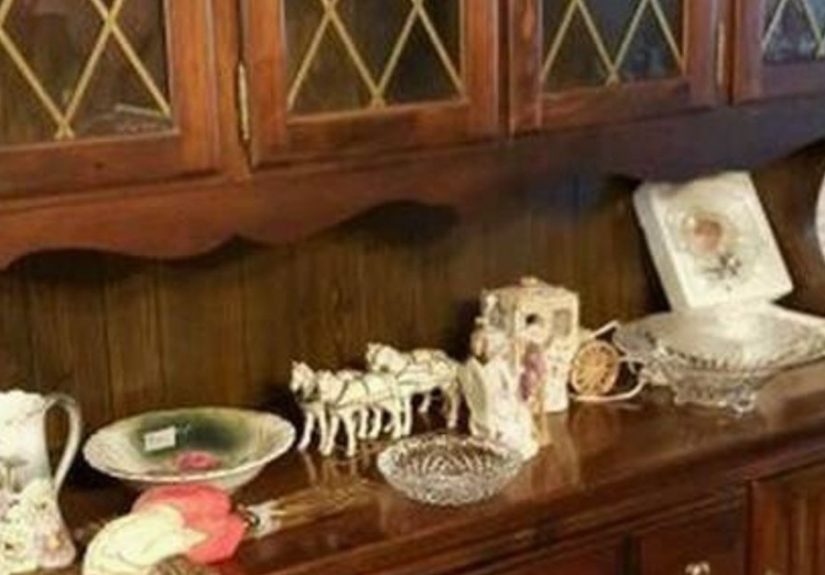
Some furniture enters a room quietly. A circa 1970s pine dining room hutch does not. It strolls in with broad shoulders, warm grain, a little orange undertone, and the confidence of something that has already survived avocado appliances, floral wallpaper, and at least one fondue phase. For years, pieces like these were dismissed as “dated.” Then homeowners looked around at a sea of flat-pack sameness and realized something important: old hutches have personality, storage, and enough solid wood to make modern furniture blush.
That is why giving a vintage pine hutch a new lease on life is more than a cosmetic project. It is a smart design move, a sustainability win, and a chance to turn a hardworking relic into the star of the dining room. Whether the goal is a natural wood refresh, a painted farmhouse look, or a two-tone makeover that says “I appreciate history but also own a cordless sander,” a well-restored hutch can feel timeless again.
The beauty of a 1970s pine hutch is that it already has the bones. Pine is durable, easy to work with, and charmingly imperfect. It dents, it scratches, and it develops a lived-in softness that sleek new cabinetry tries very hard to imitate. The mission is not to erase its age until it looks like it rolled off a showroom floor five minutes ago. The mission is to make it useful, beautiful, and believable in a modern American home.
Why a 1970s Pine Hutch Is Worth Saving
A dining room hutch earns its square footage. It stores dishes, linens, serving pieces, candles, glassware, holiday platters, and all the entertaining gear people swear they “absolutely need” once a year. The upper shelves display what you love; the lower cabinets hide what you do not want guests to inspect too closely. In small homes, the hutch can even work as a pantry extension, coffee station, or bar cabinet. In other words, it is not just furniture. It is a storage strategy wearing vintage clothes.
There is also the design factor. Pine hutches add warmth in a room that can otherwise become a parade of hard surfaces. Dining rooms often contain glass, metal, and straight-backed seriousness. A pine hutch softens that mood. It introduces texture, grain variation, and a sense of history. Even when repainted, older hutches tend to have better proportions than newer mass-market pieces. They feel grounded. They look like they belong to somebody, not just some algorithm.
And then there is the simple truth that old furniture often costs less than replacing it with something equally substantial. A thrifted or inherited hutch can be transformed for far less than the price of a new storage cabinet with comparable size and quality. That is good news for budgets, and even better news for anyone who likes the phrase “custom look” without the custom price.
Start with an Honest Assessment
Before grabbing sandpaper and going full reality-show montage, take a close look at the piece. A good makeover begins with boring questions, which is unfortunate but necessary. Is the hutch structurally sound? Do the doors hang properly? Are the shelves solid? Are there loose joints, split panels, musty smells, sticky residue, or layers of mystery finish that suggest this thing has lived several lives already?
Check for Safety First
A tall dining room hutch is not just decorative; it is also heavy. If children live in or visit the home, anchoring the piece to the wall matters. A restored hutch should not become a safety hazard simply because it looks fabulous now. Stability is especially important if the upper section is top-heavy or if heavier serving pieces will live on high shelves.
Know What Finish You Are Dealing With
If the hutch is bare pine or has a clear finish, you are probably deciding between refinishing and painting. If it has old paint, especially in an older home or on a hand-me-down that seems ancient enough to have opinions about disco, use caution. Painted furniture may not be from the 1970s just because the style is. If there is any chance older layers are involved, use lead-safe practices before aggressive sanding or stripping. This is one makeover where “better safe than sorry” is not a cliché. It is excellent project management.
Choose the Right Makeover Direction
The best hutch makeover is the one that fits both the room and the wood. Pine has strong visual character, so the finish should work with that instead of fighting it like a doomed audition.
Option 1: Natural Wood Revival
This approach works beautifully when the pine has good grain, minimal damage, and that soft honey tone hiding under old varnish or yellowed stain. Sanding back the finish and applying a lighter or more neutral stain can calm the orange cast that makes some 1970s pine look permanently sunburned. A matte or satin topcoat keeps the result relaxed and modern.
Option 2: Fully Painted Charm
Painting is ideal when the wood has uneven coloration, repairs, or a finish too stubborn to deserve your loyalty. Creamy white, mushroom, deep green, charcoal, navy, or muted black can make a bulky hutch feel intentional instead of outdated. Painted hutches also pair especially well with farmhouse, cottage, traditional, and updated colonial interiors.
Option 3: Two-Tone Personality
The most crowd-pleasing compromise is often a painted base with a stained wood top or interior shelves. This preserves some of the pine’s warmth while giving the overall form a fresher silhouette. It is the furniture equivalent of wearing vintage jeans with a tailored blazer: relaxed, confident, and a little smug in the best way.
How to Give a Pine Hutch a New Lease on Life
1. Clean Like You Mean It
Old hutches collect grease, dust, wax, polish buildup, and the ghost of every holiday dinner since 1984. Start by removing hardware, doors, and drawers if possible. Then clean thoroughly. This step is wildly unglamorous, but finish products do not bond well to grime, and pine loves to expose shortcuts later.
Pay special attention to corners, carved details, door frames, and shelf edges. If the piece smells musty, clean the interior carefully and let it air out. Odor can linger in old cabinets, especially if they were stored in damp basements or garages. Sometimes time, cleaning, and a sealing primer are the trio that finally wins.
2. Sand Smart, Not Savage
Pine is soft. That means it is forgiving in some ways and dramatic in others. Sand too aggressively and you can gouge the surface or round over crisp edges that gave the hutch its character in the first place. A light, even sanding is usually better than trying to grind your way into another century.
For natural wood finishes, work through sanding grits methodically and always with the grain. For painted finishes, a scuff sand may be enough if the existing finish is stable. The goal is adhesion and smoothness, not revenge. Keep profiles, trim, and paneled sections as intact as possible. A restored hutch should still look like itself, just on a much better day.
3. Respect Pine’s Quirks
Pine has one lovable flaw: it can stain unevenly and turn blotchy if treated casually. That is why wood conditioner matters. If you plan to stain, conditioning the wood first helps the color absorb more evenly. This is especially important on softwoods like pine, where one area can drink stain happily while the next section acts like it has a personal grievance.
If painting instead, knots and tannins can bleed through lighter colors over time. A stain-blocking primer, especially shellac-based or shellac-style, is often the hero here. Without it, those charming knots may reappear later like uninvited party guests waving amber rings through your pretty white paint.
4. Repair, but Do Not Over-Restore
Fill obvious holes, repair loose hinges, reglue wobbly joints, and replace broken shelf pins. But do not feel compelled to erase every nick and dent. Some wear tells the story of the piece. Tiny imperfections are often what make vintage furniture feel authentic rather than overproduced. A dining room hutch does not need a dermatologist. It needs thoughtful rehab.
5. Apply Finish in Thin, Patient Layers
If staining, wipe or brush on thin, even coats and build color gradually. If painting, use quality primer and furniture-appropriate paint, then follow with a durable topcoat if needed. Satin and matte finishes tend to flatter older hutches because they soften surface irregularities and look less plastic than high gloss.
Patience matters here. Thin coats dry better, level better, and chip less than thick ones. Rushing a finish is how a piece goes from “heirloom energy” to “weekend regret.” Light sanding between coats can improve smoothness and help the final result feel professional.
6. Upgrade the Hardware Without Losing the Soul
Hardware is the jewelry of the hutch. Original brass pulls or wood knobs may deserve a second chance after cleaning. If replacement is necessary, choose pieces that honor the era without trapping the hutch in it. Aged brass, iron, unlacquered brass, or simple black hardware can all work depending on the room. Avoid novelty hardware that screams louder than the cabinet itself. The hutch is the main character.
Styling the Finished Hutch for Today’s Dining Room
Once restored, the hutch should not be crammed with every plate you own like it is trying to win an endurance challenge. Style it with restraint. Mix practical storage with display. Stack everyday dishes, add a few platters on stands, weave in pottery, glassware, cookbooks, or a framed piece of art, and leave negative space so the eye can rest.
This is where old hutches suddenly feel very current. Instead of being formal showpieces for things nobody uses, they become living storage. Handmade mugs, favorite bowls, holiday linens, candleholders, and pitchers can all share space. The dining room feels warmer when the hutch reflects real life rather than a museum exhibit titled “Wedding Registry, 2009.”
If the room is small, keep the display airy and stick to a tight palette. If the room is larger or more collected, layer wood, ceramics, metal, and glass for depth. A pine hutch works especially well against soft white walls, earthy neutrals, muted greens, warm grays, and deep moody paint colors.
Mistakes to Avoid
The fastest way to ruin a charming hutch is to overdo the makeover. Heavy distressing can look forced. Thick paint can bury details. Dark stain can flatten the pine. Super-glossy topcoats can make vintage furniture look oddly dipped in candy shell. The better move is usually subtlety: clean lines, controlled color, and enough preservation to keep the piece believable.
Another common mistake is ignoring how the hutch will actually be used. A dining room storage piece should function well. Shelves should hold weight. Doors should open smoothly. Interiors should be easy to wipe out. Pretty matters, but practical wins the long game. A hutch that looks amazing but cannot store serving dishes is just a very confident wall obstacle.
Why This Kind of Makeover Still Matters
There is something deeply satisfying about rescuing a piece people overlooked. A circa 70s pine dining room hutch may not have started life as a glamorous antique, but it has what good furniture needs: solid presence, real usefulness, and the potential to age gracefully. Refinishing it keeps material out of the waste stream, adds character to the home, and creates a more layered, personal interior.
In a culture that constantly encourages replacing, upgrading, and chasing the next trend, restoring a hutch feels almost rebellious. It says that quality still matters. It says that storage can be beautiful. It says that maybe the old thing in the corner was not the problem. Maybe it just needed someone with a plan, a little patience, and a willingness to sand for a cause.
Real-Life Experience: What It Feels Like to Bring One Back
The experience of reviving a 1970s pine dining room hutch is never just about paint or stain. It is about the strange emotional journey that begins the moment you decide not to throw the piece away. At first, it looks like a chore. It is too orange, too bulky, too scratched, too “why did anyone buy this in the first place?” Then you clean one door, remove one knob, sand one panel, and suddenly the hutch starts to reveal itself. Under the dust and old finish, there is real wood, honest craftsmanship, and a shape that makes much more sense when it is not hiding beneath decades of visual noise.
There is also a rhythm to the process that becomes oddly satisfying. You stop seeing the piece as an old cabinet and start seeing it as a series of decisions. Keep this shelf. Repair that hinge. Tone down this stain. Leave that tiny dent because it is charming. Replace the hardware, but not with anything too trendy. Every step makes the hutch feel less like a leftover and more like a choice. That shift matters. The piece becomes part of the home not because it was convenient, but because it was worth the effort.
One of the best parts of the experience is how differently the room feels afterward. A restored pine hutch can anchor a dining space in a way that a lot of newer furniture cannot. It adds visual weight, yes, but also emotional weight. It suggests continuity. It makes the room feel furnished rather than merely filled. People notice it when they walk in. They ask where it came from. They assume it was expensive. You get to smile and say, “Actually, it just needed some attention,” which is a very satisfying sentence in both decorating and life.
The daily experience improves too. Opening a cabinet that no longer sticks, seeing dishes arranged on shelves that once looked hopeless, and watching warm light hit a finish you chose yourself creates a quiet kind of pride. The hutch starts earning compliments in ordinary moments, not just during holidays. It holds the table linens, the serving bowls, the cake stand you use twice a year, and the mismatched pottery you use all the time. It becomes functional in a deeply personal way.
And then there is the humor of it all. Old hutches are humble creatures. They do not demand center stage at first. They stand there looking stern, slightly square, and maybe a little offended by your initial lack of vision. But once revived, they become the most charming thing in the room. The same cabinet that looked like a roadside afterthought now looks intentional, collected, and stylish. That transformation feels almost theatrical.
For many people, the experience also carries memory. Maybe the hutch belonged to parents or grandparents. Maybe it came from a thrift store and reminded you of a house from childhood. Maybe it is simply the first piece of furniture that made you realize older things can still be useful and beautiful. Restoring it becomes part design project, part practical skill-building, and part sentimental archaeology. That is a pretty great return on a weekend of sanding.
In the end, the best experience is not the before-and-after photo, though that part is admittedly delicious. It is living with the finished piece and knowing it has a second life because you gave it one. The hutch is no longer an outdated object from another decade. It is your storage, your display, your design statement, and your proof that sometimes the best thing for a room is not something new. It is something old that finally got the chance to shine.
Conclusion
A circa 70s pine dining room hutch does not need a miracle. It needs thoughtful prep, the right finish strategy, and a little respect for what it already does well. Restore the wood, paint it with confidence, or split the difference with a two-tone look. Keep the character, improve the function, and style it with pieces you actually use. Done right, this once-dated cabinet becomes exactly what every good dining room wants: useful, warm, memorable, and completely at home.