
Table of Contents >> Show >> Hide
- Why Guacamole + Celery Sticks Works (Yes, Really)
- Ingredients for Classic Homemade Guacamole
- How to Choose Ripe Avocados (Without Bruising Them Like a Villain)
- Classic Guacamole Recipe (Chunky, Bright, 10 Minutes)
- Celery Sticks: Prep Like You Mean It
- How to Keep Guacamole From Turning Brown
- Common Guacamole Mistakes (and How to Avoid Them)
- Nutrition Notes (Because Celery Sticks Are Doing Their Best)
- Serving Ideas Beyond “Stand Near the Bowl and Guard It”
- Kitchen Diary: My Very Real Era of Guacamole + Celery (Experience Section)
- Conclusion
There are two kinds of people in this world: the ones who think guacamole is “just avocado,” and the ones
who have watched a perfectly ripe avocado turn into a sad, brown pudding because someone got distracted
by a group chat. This article is for the second group (and for the first group… welcome, we’ve been expecting you).
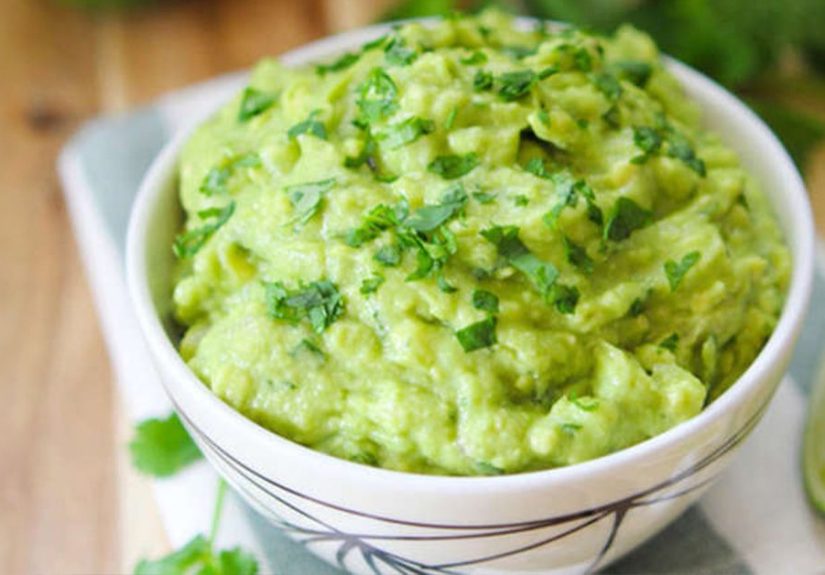
Today we’re making classic homemade guacamolebright, chunky, salty, limeythen pairing it with
celery sticks for a crunchy, refreshing, surprisingly addictive scoop vehicle. Chips are great.
Celery is great. Together, they’re the “I want a snack that tastes like a party but feels like a smart decision” combo.
Why Guacamole + Celery Sticks Works (Yes, Really)
Classic guac is rich because avocado is rich. Celery is crisp, watery, and clean-tasting, so it balances that richness
like a little edible palate cleanser. The stalk’s natural “U-shape” also acts like a built-in spoon, which means fewer
broken chips and fewer snack-related regrets. Plus, celery’s crunch stays crunchy longer than most dippers,
especially if you keep it cold and dry.
Flavor & texture math (the fun kind)
- Creamy avocado + crisp celery = better contrast per bite.
- Acid (lime) + salt = guacamole that tastes “awake,” not flat.
- Alliums (onion) + herbs (cilantro) = freshness without needing a stove.
- Heat (jalapeño/serrano) = optional, but highly recommended for personality.
Ingredients for Classic Homemade Guacamole
This stays close to traditional, widely used “classic” ratios. The goal is guacamole that tastes like avocado
just with better posture.
Guacamole (serves 4 as a snack, 6 if your friends “aren’t that hungry”)
- 4 ripe Hass avocados
- 1/4 to 1/2 cup finely chopped red or white onion (start smaller; you can add more)
- 1 jalapeño (seeded for mild, unseeded for spicy), finely chopped
- 2–3 tablespoons fresh cilantro, chopped (or more if you’re a cilantro optimist)
- 2–3 tablespoons fresh lime juice, plus more to taste
- 1/2 to 1 teaspoon kosher salt, to taste
- Optional: 1 small Roma tomato (seeded/diced), 1 small garlic clove (mashed to a paste), pinch of cumin, dash of hot sauce
For serving
- 8–12 celery sticks (about 1 bunch), washed, trimmed, and cut into dip-friendly lengths
- Optional extras: lime wedges, flaky salt, extra cilantro, sliced radishes, tortilla chips (no one said you must choose)
How to Choose Ripe Avocados (Without Bruising Them Like a Villain)
Ripe avocado is the whole game. If you’ve ever made guacamole that tasted like lawn clippings and disappointment,
you probably used under-ripe fruit. If it tasted like buttery heaven but looked like swamp soup, you probably had
bruised/over-ripe spots hiding inside.
Quick ripeness checklist
-
Gentle give, not squish: Press lightly with your palm, not your fingertips. Fingertips bruise.
Palms negotiate. - Color is a clue, not a promise: Hass avocados often darken as they ripen, but texture matters more than shade.
-
Stem check (carefully): If the little stem nub flips off easily and it’s green underneath, you’re in business.
If it’s brown, it may be overripe. -
Timing tip: If you’re not eating them today, buy firmer avocados and let them ripen at room temperature.
Once ripe, refrigerate to slow things down.
Classic Guacamole Recipe (Chunky, Bright, 10 Minutes)
Step 1: Prep your produce safely (fast, not fussy)
Rinse celery, cilantro, jalapeño, lime, and any tomatoes/onions under running water and dry them well. Skip soap,
detergents, and “produce wash” solutionsplain water and friction do the job for most home kitchens.
Step 2: Build a flavor base (the “why does this taste so good?” move)
If you have a mortar and pestle (or molcajete), mash onion + jalapeño + half the cilantro + a pinch of salt
into a rough paste. This breaks down aromatics, spreads flavor evenly, and makes the guac taste more integrated
than “avocado with stuff sitting on top.”
No mortar? No problem. Chop very finely and stir with lime juice and salt, then let it sit for a minute while you prep avocados.
You’re basically doing a tiny, delicious marinade.
Step 3: Add avocado and mash to your preferred texture
- Halve avocados, remove pits, and scoop the flesh into a bowl.
-
Mash with a fork or potato masher until mostly chunky. Aim for “rustic,” not “baby food.”
Texture is the point. - Fold in the aromatic base (or your chopped onion/jalapeño/cilantro mix).
- Add lime juice, remaining cilantro, and salt. Taste. Adjust. Taste again. (This is the best part.)
Step 4: Optional classic add-ins (use judgment, not fear)
- Tomato: Seed it first to avoid watery guac. Roma holds up nicely.
- Garlic: If using, mash to a paste with a pinch of salt so it disappears into the dip instead of shouting from one bite.
- Cumin: A pinch adds warmth. Too much and your guac starts filing taxes as chili.
- Hot sauce: A few dashes add tang and heat without extra chopping.
Celery Sticks: Prep Like You Mean It
Celery can be a superhero or a stringy nuisance depending on how you prep it. Here’s the easy upgrade:
- Trim the base, separate stalks, and rinse well.
- Dry thoroughly (water on celery = diluted dip and sad crunch).
- Cut into 4–5 inch batons for easy dipping and less flopping.
- Optional de-string: If your celery is very fibrous, peel the outer strings with a vegetable peeler.
- Chill before serving for maximum snap.
How to Keep Guacamole From Turning Brown
Browning is mostly oxidationair meets avocado, avocado changes color. It’s not dangerous right away, but it’s not cute.
The good news: you have options that actually work.
Best real-world methods
- Use enough lime juice: Acid slows browning. If you’re making guac to serve later, add a touch more lime and balance with salt.
- Press plastic wrap directly onto the surface: The goal is zero air pockets. Covering the bowl isn’t enough if air is trapped above the dip.
- Keep it cold: Refrigeration slows oxidation and keeps the texture firmer.
Make-ahead strategy (for parties, meal prep, and people who plan ahead)
If you’re making guacamole a few hours early, keep it in a shallow container, smooth the top, add a little extra lime,
press plastic wrap directly on the surface, then refrigerate. Before serving, stir and refresh with a pinch of salt and a squeeze of lime.
Common Guacamole Mistakes (and How to Avoid Them)
- Using mixed-ripeness avocados: You’ll get both chunks and mush in the worst way. Try to match ripeness levels.
- Over-mashing: If it’s perfectly smooth, it’s more like avocado spread. Chunky guac is more satisfying (and looks better).
- Skipping salt: Salt isn’t optional; it’s the volume knob for flavor.
- Watery add-ins: Tomatoes can be greatjust seed them. Also, go easy on overly juicy onions if they’re weepy.
- Not tasting as you go: Your limes aren’t identical. Neither are avocados. Taste is your GPS.
Nutrition Notes (Because Celery Sticks Are Doing Their Best)
Guacamole is nutrient-dense: avocados bring fiber and mostly unsaturated fats, plus micronutrients like potassium.
Celery adds crunch, hydration, and very few caloriesso it’s an easy way to make the snack feel lighter without feeling like punishment.
(Approximate values vary by avocado size and how salty you get, which… no judgment.)
Who this snack is great for
- Low-carb snackers who still want something creamy and satisfying
- Busy humans who need a 10-minute, no-cook option
- Party hosts trying to offer something besides “chips with more chips”
- Anyone who owns a lime and wants to feel powerful
Serving Ideas Beyond “Stand Near the Bowl and Guard It”
- Guac + celery snack board: Add carrot sticks, radishes, sugar snap peas, and a few tortilla chips for diplomacy.
- Taco night side: Celery sticks become a cooling crunch next to spicy fillings.
- Lunch upgrade: Spoon guac onto a salad or grain bowl, then use celery sticks like edible utensils.
- Protein pair: Serve alongside boiled eggs or shredded chicken for a more filling snack plate.
Kitchen Diary: My Very Real Era of Guacamole + Celery (Experience Section)
The first time I served guacamole with celery sticks, it wasn’t a health decision. It was a logistics decision.
I had planned chips. The chips disappeared into the mysterious void where socks and hair ties go. The only crunchy
thing left in the fridge was a bunch of celery I’d bought with wildly optimistic intentionslike I was going to make
soup stock and also become the kind of person who “just snacks on vegetables.”
I cut the celery into sticks, tossed it on a plate, and hoped nobody would notice. But people noticed. Not in a
“who hurt you?” waymore like, “Wait… this actually slaps.” The celery wasn’t just a substitute; it changed the
whole vibe. Chips are loud. Celery is crisp and refreshing. It made the guacamole taste brighter, almost like the
lime and cilantro were doing a little extra work. It also slowed down the typical guacamole stampede, where the
bowl goes from full to scraped-clean in five minutes flat. People took smaller bites, came back more often, and
somehow that felt more civilizedlike we were sipping the guac instead of panic-eating it.
After that, I started doing it on purpose. And here’s what I learned the hard way: celery prep matters. If you wash
it and don’t dry it, water drips into the guac and you get that diluted, slippery bite that makes you question every
decision that led you here. But if you dry it well and keep it cold? Perfect snap, every time. I also learned to cut
the sticks shorter than you think. Long celery turns into a dip catapult. Shorter batons keep the guac where it
belongs: in your mouth, not on your shirt.
The other surprise was how customizable this combo is. When friends wanted spicy, I leaned into jalapeño (and
sometimes a dash of hot sauce). When someone didn’t like raw onion, I chopped it finer and let it sit in lime juice
longer so it mellowed out. When I needed make-ahead guac for a game day situation, I added a little extra lime,
smoothed the top, pressed plastic wrap directly onto the surface, and refrigerated it. It wasn’t “freshly made that
second,” but it stayed green enough that nobody made a swamp joke. That’s a win.
Now, celery sticks are my secret weapon for guacamole that feels both indulgent and kind of responsible. I still
love chipsobviously. But celery turns guacamole into an all-day snack you can keep returning to without feeling
like you need a nap afterward. Plus, there’s something oddly satisfying about using a vegetable as a spoon. It’s the
culinary equivalent of wearing sneakers with a blazer: practical, a little smug, and somehow it works.
Conclusion
Classic homemade guacamole is one of the fastest ways to make a snack feel special: ripe avocados, lime, salt,
onion, cilantro, and a little heat if you’re feeling brave. Pair it with celery sticks and you get a crunchy, refreshing
dipper that complements the richness instead of competing with it. Make it chunky, taste as you go, and use smart
storage tricks to keep leftovers green. Then enjoy your snack like the competent kitchen legend you clearly are.







 Close
Close