Table of Contents >> Show >> Hide
- What Are Advil and Aleve?
- Can You Take Advil and Aleve Together?
- Why Combining Advil and Aleve Can Be Risky
- Side Effects to Watch For
- Who Should Be Extra Careful With Advil, Aleve, or Any NSAID?
- What If You Accidentally Took Advil and Aleve Together?
- Is It Better to Switch Instead of Combine?
- What Can You Take Instead?
- Practical Takeaways for Safer Use
- Experience-Based Examples: What Real-Life NSAID Decisions Often Look Like
- Conclusion
Advil and Aleve are two of the most recognizable names in the medicine cabinet, right up there with bandages, thermometers, and that one bottle of cough syrup nobody remembers buying. Both can help with pain, fever, inflammation, headaches, backaches, toothaches, menstrual cramps, sore muscles, and the general “my body has filed a complaint” feeling. But because they sit side by side on pharmacy shelves, many people assume they can also be taken side by side. That assumption can be risky.
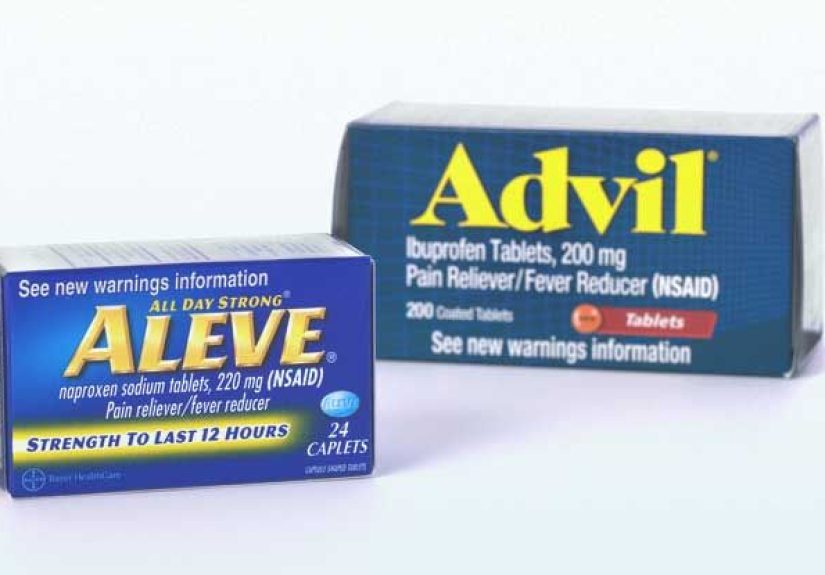
The short version: you usually should not combine Advil and Aleve unless a healthcare professional specifically tells you to do so. Advil contains ibuprofen. Aleve contains naproxen sodium. Both are nonsteroidal anti-inflammatory drugs, better known as NSAIDs. Taking two NSAIDs together does not usually double your pain relief, but it can increase your chances of side effects, especially stomach bleeding, ulcers, kidney problems, blood pressure changes, fluid retention, and heart-related risks.
This article explains what happens when Advil and Aleve overlap, why the combination can be hard on the body, who should be especially careful, what warning signs matter, and what practical takeaways can help you use over-the-counter pain relievers more safely.
What Are Advil and Aleve?
Advil: The Ibuprofen Brand Most People Know
Advil is a brand name for ibuprofen, an NSAID used to reduce pain, fever, and inflammation. Many people reach for ibuprofen for headaches, dental discomfort, muscle soreness, sports aches, period cramps, or fever. It tends to work for several hours and is often taken every four to six hours according to the product label.
Ibuprofen works by blocking enzymes involved in making prostaglandins. Prostaglandins are chemical messengers that help drive pain, fever, and swelling. Unfortunately, prostaglandins also help protect the stomach lining and support normal kidney blood flow. That is why ibuprofen can be helpful and irritating at the same time, like a friend who helps you move but complains about your stairs.
Aleve: The Longer-Lasting Naproxen Option
Aleve contains naproxen sodium, another NSAID. Naproxen is commonly used for back pain, arthritis aches, menstrual cramps, muscle pain, toothache, headache, and fever. One major difference is duration: Aleve is designed to last longer than many ibuprofen products, often around eight to twelve hours when used as directed.
That longer action can be convenient, but it also means naproxen stays active in the body longer. If someone takes Aleve and then adds Advil too soon afterward, the body may be dealing with two NSAIDs at once. That overlap is where trouble can begin.
Can You Take Advil and Aleve Together?
For most people, combining Advil and Aleve is not recommended. They belong to the same medication family and work in similar ways. Using them together can increase the risk of NSAID side effects without providing a reliable increase in pain relief.
Think of it like using two umbrellas in the rain. It may sound extra protective, but in practice, you mostly end up awkward, overloaded, and still stepping in puddles. Taking two NSAIDs can add stress to the stomach, kidneys, cardiovascular system, and blood-clotting balance.
A healthcare professional may occasionally recommend a specific pain-control plan that includes careful timing or switching between medicines. But self-combining Advil and Aleve because “one did not work fast enough” is not a good strategy. Pain that needs repeated or layered medication may need a better diagnosis, not a bigger pile of pills.
Why Combining Advil and Aleve Can Be Risky
1. Higher Risk of Stomach Irritation, Ulcers, and Bleeding
One of the biggest concerns with NSAIDs is stomach and intestinal bleeding. Advil and Aleve can both reduce protective substances in the stomach lining. When that protection drops, the stomach may become irritated. In more serious cases, ulcers or bleeding can occur.
The risk is higher if you take more than directed, use NSAIDs for several days or longer, are older, have a history of ulcers, drink alcohol regularly, take blood thinners, use steroid medications, or combine multiple NSAIDs. Warning signs may include severe stomach pain, black or bloody stools, vomiting blood, feeling faint, or stomach pain that does not improve. Those symptoms deserve urgent medical help.
2. More Pressure on the Kidneys
The kidneys help filter waste and balance fluid in the body. NSAIDs can reduce blood flow through the kidneys, especially when a person is dehydrated, has kidney disease, takes diuretics, uses certain blood pressure medicines, or is ill with vomiting or diarrhea.
Taking Advil and Aleve together can increase that kidney burden. This does not mean every occasional NSAID dose damages the kidneys. Many healthy people use NSAIDs safely once in a while. The concern rises when doses stack, use continues for too long, or the person already has kidney-related risk factors.
3. Increased Heart and Blood Pressure Concerns
NSAIDs, except aspirin, can increase the risk of heart attack, heart failure, and stroke, especially with higher doses or longer use. The risk may be greater in people who already have heart disease, high blood pressure, high cholesterol, diabetes, a history of stroke, or other cardiovascular risk factors.
NSAIDs can also cause fluid retention and may raise blood pressure in some people. Combining Advil and Aleve does not make the heart safer; it may increase overall NSAID exposure. People with heart disease or high blood pressure should ask a healthcare professional before using NSAIDs, even when the products are available without a prescription.
4. More Drug Interaction Problems
NSAIDs can interact with several common medications. These include blood thinners, aspirin, corticosteroids, some antidepressants, diuretics, lithium, methotrexate, and certain blood pressure medicines. Adding two NSAIDs can make interaction concerns more complicated.
One important example is aspirin used for heart protection. Ibuprofen can interfere with aspirin’s antiplatelet effect when taken too close together. People who take daily aspirin should not casually add Advil, Aleve, or any NSAID without asking a clinician or pharmacist about timing and safety.
5. Allergy and Asthma Risks
Some people are allergic or sensitive to NSAIDs. Reactions may include hives, facial swelling, wheezing, rash, or more serious symptoms. People with aspirin-sensitive asthma or prior allergic reactions to pain relievers should be especially cautious. Combining two NSAIDs can increase exposure to the same type of trigger.
Side Effects to Watch For
Common NSAID side effects may include heartburn, nausea, stomach discomfort, gas, dizziness, mild headache, or fluid retention. These symptoms may be annoying but not always dangerous. Still, they are your body waving a small flag that says, “Please review the label.”
More serious symptoms need prompt medical attention. These include chest pain, shortness of breath, weakness on one side of the body, slurred speech, swelling in the legs, severe stomach pain, black stools, bloody stools, vomiting blood, unusual bruising, reduced urination, severe rash, facial swelling, or wheezing.
If pain gets worse, lasts more than ten days, fever lasts more than three days, redness or swelling appears, or new symptoms develop, it is time to stop guessing and speak with a healthcare professional.
Who Should Be Extra Careful With Advil, Aleve, or Any NSAID?
Some people should not use NSAIDs unless a doctor says it is safe. This includes people with a history of stomach ulcers or bleeding, kidney disease, liver disease, heart disease, heart failure, stroke, uncontrolled high blood pressure, blood-thinner use, steroid use, or serious medication allergies.
Pregnancy is another major caution area. The FDA recommends avoiding NSAIDs at 20 weeks or later in pregnancy unless specifically advised by a healthcare professional, because NSAIDs may cause kidney problems in the unborn baby and low amniotic fluid. NSAIDs are also generally avoided in the last three months of pregnancy unless a clinician gives direct guidance.
Children under 12 should not use adult Advil or Aleve products unless a doctor or product label specifically allows it. Teenagers and adults should also avoid taking more than the label directs. “It is over the counter” does not mean “unlimited edition.”
What If You Accidentally Took Advil and Aleve Together?
Accidentally taking one dose of Advil and Aleve too close together does not automatically mean something terrible will happen, especially in a healthy person. But it is still worth taking seriously. Do not take more NSAIDs. Read both labels. Avoid alcohol. Watch for warning symptoms such as severe stomach pain, dizziness, fainting, breathing trouble, chest pain, black stools, vomiting blood, or swelling.
If you feel unwell, have risk factors, took more than directed, or are unsure what to do, contact a healthcare professional, pharmacist, urgent care service, or Poison Control. For severe symptoms such as chest pain, trouble breathing, fainting, signs of stroke, or vomiting blood, seek emergency help right away.
Is It Better to Switch Instead of Combine?
Sometimes people want to switch from Advil to Aleve because one is not helping. Switching may be reasonable in some situations, but timing matters because naproxen lasts longer than ibuprofen. Avoid overlapping doses unless a healthcare professional has given you a plan.
A safer approach is to choose one NSAID, use the smallest effective dose for the shortest needed time, and reassess. If the pain is not improving, it may not be the right medication for the problem. For example, nerve pain, migraine, infection, fracture, severe inflammation, or abdominal pain may need different care. Pain relief should not become a guessing game with a pharmacy shelf as the scoreboard.
What Can You Take Instead?
For some types of pain, acetaminophen may be an alternative because it is not an NSAID. It can help reduce pain and fever, but it does not treat inflammation the same way NSAIDs do. It also has its own safety limits, especially for people with liver disease or those who drink alcohol. Always check labels because acetaminophen appears in many cold, flu, and combination products.
Non-medicine options can also help. Depending on the cause of pain, options may include rest, hydration, stretching, gentle movement, ice packs, heat therapy, physical therapy, better sleep, supportive footwear, or reducing repetitive strain. For joint or muscle pain, topical NSAID gels may be an option for some adults, but they are still medications and should be used according to the label or a clinician’s advice.
Practical Takeaways for Safer Use
- Do not combine Advil and Aleve casually. Both are NSAIDs, and taking them together can raise side effect risks.
- Read the Drug Facts label every time. Many cold, flu, sleep, and pain products contain hidden NSAIDs.
- Use the smallest effective dose for the shortest time. More is not automatically better.
- Avoid alcohol when using NSAIDs. Alcohol can increase stomach bleeding risk.
- Ask a pharmacist if you take other medicines. Blood thinners, aspirin, steroids, antidepressants, blood pressure medicines, and diuretics can change the risk picture.
- Do not ignore red flags. Severe stomach pain, black stools, chest pain, shortness of breath, weakness on one side, or swelling needs medical attention.
Experience-Based Examples: What Real-Life NSAID Decisions Often Look Like
Many unsafe Advil-and-Aleve situations start with a very normal story. Someone wakes up with a stiff neck, takes Advil before school or work, then still feels sore at lunch. A friend says, “Aleve lasts longer,” so they take that too. Nobody is trying to be reckless. They are just trying to get through the day without turning their head like a robot from a low-budget science fiction movie. The problem is that the body does not care whether the overlap was intentional. It still has to process two NSAIDs.
Another common situation happens with sports or gym soreness. A person takes Aleve in the morning because their legs feel like they challenged a staircase to a duel and lost. Later, they take Advil for a headache, forgetting the morning dose. This is why label-reading and medicine tracking matter. A simple note on your phone saying “Aleve 8 a.m.” can prevent accidental stacking later.
Parents and caregivers often run into a similar issue when several products are in the house. One bottle says ibuprofen, another says Advil, another says naproxen sodium, and another says Aleve. Brand names make everything feel different, but the active ingredient is what matters. Before taking any pain reliever, look for the active ingredient section. If it says ibuprofen, naproxen, aspirin, or another NSAID, do not treat it as “just a different brand.”
People with recurring pain sometimes develop a routine that slowly becomes risky. They may take Advil for morning back pain, Aleve for evening knee pain, and a cold medicine at night without realizing it contains another pain reliever. This is where a pharmacist can be incredibly helpful. Pharmacists are medication detectives. They can look at your full list and spot overlap faster than most people can find the end of a roll of tape.
There is also the “big event” scenario. Someone has a wedding, exam, work presentation, road trip, or sports tournament and wants pain gone immediately. They may think combining medications is worth it just this once. But high-stress days are exactly when people forget meals, drink less water, sleep poorly, or have more caffeine. Dehydration and skipped meals can make NSAID side effects more likely, especially stomach upset and kidney strain. The better plan is to prepare early: hydrate, eat, use non-drug comfort measures, and ask a clinician ahead of time if pain is predictable or recurring.
The biggest takeaway from everyday experience is simple: pain relief should be planned, not improvised. Choose one NSAID at a time unless a healthcare professional says otherwise. Track when you took it. Avoid mixing brands just because the pain is annoying. And if pain keeps coming back, do not keep negotiating with your medicine cabinet. Get the cause checked. Your stomach, kidneys, and heart will appreciate being left out of the experiment.
Conclusion
Combining Advil and Aleve is usually not a smart pain-relief shortcut. Advil contains ibuprofen, and Aleve contains naproxen sodium. Since both are NSAIDs, taking them together can increase the risk of stomach bleeding, ulcers, kidney strain, blood pressure changes, fluid retention, allergic reactions, and heart-related problems. The safest general rule is to use one NSAID at a time, follow the label, avoid unnecessary overlap, and ask a healthcare professional if pain is severe, persistent, or complicated by other health conditions.
Over-the-counter medicines can be useful tools, but they are still real medicines with real risks. Respect the label, know the active ingredient, and do not let pain turn your medicine cabinet into a chemistry project.
Editorial note: This article is for general educational publishing only and is not a substitute for medical advice, diagnosis, or treatment. Readers should consult a qualified healthcare professional or pharmacist before combining medications, changing doses, or using NSAIDs with existing health conditions.