Table of Contents >> Show >> Hide
- What Is Corned Beef, Exactly?
- Corned Beef Nutrition Snapshot
- Potential Benefits of Corned Beef
- Risks and Downsides of Corned Beef
- Who Should Be Especially Careful With Corned Beef?
- How to Make Corned Beef a Little Less Risky
- Healthier Alternatives When the Craving Hits
- So, Is Corned Beef Healthy or Bad for You?
- Real-World Experiences With Corned Beef: What People Notice at the Table
- Conclusion
Corned beef has a reputation that’s part comfort food, part deli legend, part holiday celebrity. One minute it’s starring in a towering Reuben sandwich. The next, it’s anchoring a St. Patrick’s Day plate beside cabbage and potatoes like it owns the place. And honestly, it kind of does. Corned beef is flavorful, filling, and unapologetically salty. But once the parade is over and the sandwich wrapper is gone, a practical question remains: Is corned beef actually good for you?
The real answer is more interesting than a simple yes or no. Corned beef does provide protein and important nutrients such as iron, vitamin B12, and zinc. At the same time, it is a processed red meat that can be high in sodium, saturated fat, and preservatives. In other words, corned beef is not nutritional villainy on a plate, but it is not exactly kale wearing a fake mustache either.
If you enjoy corned beef, the smartest move is not panic. It is perspective. Let’s look at what corned beef is, what its nutrition profile really offers, where the benefits come in, and why moderation matters more than the deli counter might suggest.
What Is Corned Beef, Exactly?
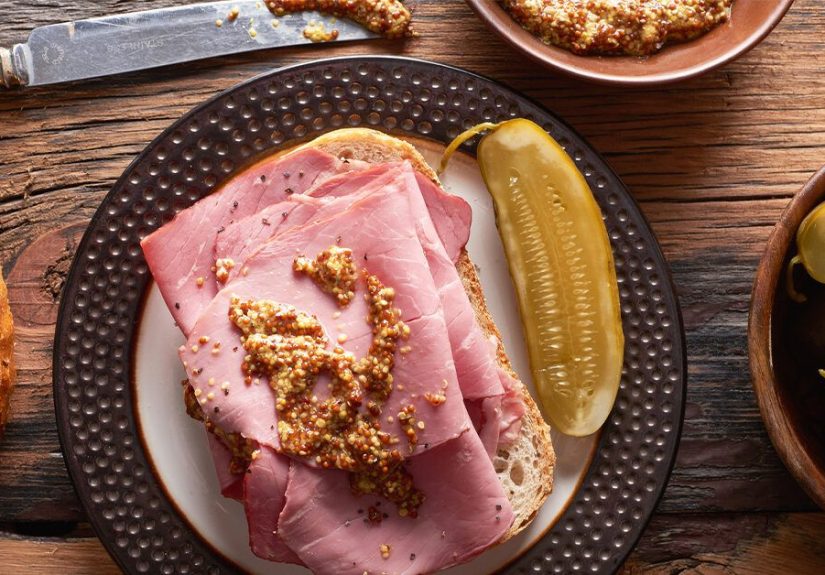
Corned beef is usually made from beef brisket that has been cured in a seasoned salt brine. The word “corned” comes from the large grains, or “corns,” of salt historically used in the curing process. Today, corned beef is still known for that signature salty, savory taste, along with spices such as peppercorn, mustard seed, bay leaf, and coriander.
From a cooking standpoint, corned beef is tender, rich, and versatile. From a nutrition standpoint, however, the curing process is the big plot twist. That brine adds flavor and preservation, but it also adds a lot of sodium. Some varieties may also contain curing agents such as sodium nitrite, which help preserve color and reduce bacterial growth. That is where many of the health concerns begin.
Corned Beef Nutrition Snapshot
A typical 3-ounce serving of cooked corned beef brisket provides about 213 calories, 15.5 grams of protein, 16.2 grams of fat, and roughly 827 milligrams of sodium. Carbohydrates are minimal, which makes sense because this is meat, not a muffin pretending to be healthy.
That serving size matters. Three ounces is not a deli mountain. It is closer to a modest portion about the size of a deck of cards. In real life, many restaurant sandwiches and dinner plates serve far more than that. Once the portion grows, the calories, fat, and sodium climb quickly too.
Corned beef also supplies several nutrients your body actually needs, including:
- Protein for muscle repair, immune function, and satiety
- Iron for making hemoglobin and carrying oxygen through the body
- Vitamin B12 for nerve function and red blood cell formation
- Zinc for immune health, wound healing, and cell growth
- Niacin and other B vitamins that help turn food into energy
So yes, corned beef has real nutritional value. It is not empty calories. The issue is that these nutrients come packaged with a hefty sodium load and the broader concerns linked to processed meat intake.
Potential Benefits of Corned Beef
1. It Delivers Protein That Actually Sticks With You
One of the biggest benefits of corned beef is protein. Protein helps maintain muscle mass, supports tissue repair, and keeps you feeling full longer than a snack built around refined carbs alone. A meal with a sensible amount of corned beef can be more satisfying than grabbing a pastry and pretending your hunger won’t come back 45 minutes later.
This can be especially useful for adults trying to build balanced meals, older adults working to maintain muscle, or anyone who needs a filling protein source once in a while. The key phrase is once in a while, not “three times before Thursday.”
2. It Provides Vitamin B12
Vitamin B12 is found naturally in animal foods, and beef is one of the more reliable dietary sources. Your body needs B12 to make red blood cells, maintain nerve function, and support DNA production. People who eat very little or no animal food can be at higher risk for low B12 intake, which is one reason meat still plays a role in many diets.
Corned beef is not the only way to get B12, of course, but it does contribute. If your diet is otherwise low in animal protein, a serving of corned beef can help support B12 intake.
3. It Contains Iron
Beef contains heme iron, the form of iron your body absorbs more readily than the nonheme iron found in most plant foods. Iron helps carry oxygen in the blood and supports energy production. When iron intake runs too low, fatigue and weakness can start barging into your day like uninvited guests.
That does not mean corned beef is an iron “superfood,” but it can be one useful contributor in an overall diet, especially for people who need to pay attention to iron intake.
4. It Offers Zinc and Other Micronutrients
Red meat is also a meaningful source of zinc, a mineral involved in immune function, wound healing, and normal growth. Corned beef can contribute to zinc intake, along with smaller amounts of other B vitamins and selenium. In nutrition terms, it is more than just salty meat with a good publicist.
5. It Can Be Practical and Convenient
From a real-life perspective, corned beef is easy to prepare, especially canned or pre-cooked versions. Convenience matters. A food that helps someone get a solid meal on the table is not automatically bad. The problem begins when convenience consistently outruns balance.
Risks and Downsides of Corned Beef
1. Sodium Is the Biggest Red Flag
If corned beef had a nutritional warning label written in neon, it would say sodium. A 3-ounce serving can provide hundreds of milligrams of sodium, and larger portions can take a major bite out of the daily limit in a single sitting. For many adults, recommended sodium intake stays below 2,300 milligrams per day, and some people benefit from staying closer to 1,500 milligrams.
Why does this matter? High sodium intake is associated with higher blood pressure, and high blood pressure raises the risk of heart disease and stroke. Since most sodium in the American diet already comes from processed and prepared foods, adding corned beef to a meal can push intake up fast.
This is especially important for people with hypertension, heart failure, kidney disease, or anyone following a sodium-restricted eating plan. For them, corned beef is less of a casual deli choice and more of a food to treat with caution.
2. It Can Be High in Saturated Fat
Corned beef, especially fattier cuts, may contain a substantial amount of saturated fat. Diets high in saturated fat can raise LDL cholesterol in some people, which increases cardiovascular risk. That does not make one corned beef sandwich a health catastrophe, but regular large portions are not doing your heart any favors either.
This becomes even more relevant when corned beef is paired with cheese, buttery rye bread, creamy dressing, and fries. At that point, the meal is less “classic deli lunch” and more “cardiologist side-eye.”
3. It Is Processed Red Meat
Corned beef is a processed red meat, and that classification matters. Research has linked higher intake of processed meats with increased risk of colorectal cancer and other chronic health issues. Major health organizations recommend limiting processed meats rather than making them a routine staple.
The concern is not just the meat itself. It is the combination of curing, sodium, preservatives, and compounds that can form during processing and cooking. Added nitrates and nitrites are often part of that conversation, particularly because they can contribute to the formation of nitrosamines under certain conditions.
4. Portion Sizes Are Easy to Underestimate
At home, a serving might be reasonable. At restaurants or delis, “reasonable” sometimes vanishes without leaving a forwarding address. A stacked sandwich can contain far more meat than you think. That means more sodium, more saturated fat, and more calories than the nutrition panel for a standard serving suggests.
This is one of the sneakiest things about corned beef nutrition. The food itself is not the only issue. The amount served can turn an occasional indulgence into an all-day nutrition detour.
5. Food Safety Still Matters
If you buy raw corned beef, it should be cooked to a safe internal temperature of 145°F and allowed to rest before carving. Leftovers should be refrigerated promptly and reheated to 165°F. Corned beef is delicious, but no one wants a side dish of food poisoning.
Who Should Be Especially Careful With Corned Beef?
Some people can enjoy corned beef occasionally with little issue. Others should be more careful, especially if they:
- Have high blood pressure
- Are living with heart disease or heart failure
- Have chronic kidney disease
- Need to limit saturated fat or sodium
- Have a family history of colorectal cancer and want to reduce processed meat intake
- Eat a lot of deli meat, bacon, sausage, or other processed meats already
For these groups, corned beef is usually best treated as an occasional food rather than a weekly routine.
How to Make Corned Beef a Little Less Risky
Watch the Portion
Keep your serving moderate. A smaller portion gives you the flavor and protein without sending sodium intake into orbit.
Pair It With High-Fiber Foods
Serve corned beef with cabbage, carrots, roasted vegetables, beans, or a salad instead of piling it onto a plate with only bread and potatoes. Fiber helps round out the meal and makes it more balanced.
Skip the Salt-on-Salt Situation
If corned beef is already the salty star of the plate, do not back it up with salty soup, pickles, chips, and a packaged dessert. That is not a meal; that is a sodium convention.
Compare Labels
Canned, deli-sliced, and packaged corned beef products vary widely. Check the Nutrition Facts label for sodium, saturated fat, and serving size. One brand may be noticeably heavier than another.
Think Occasion, Not Habit
Enjoy corned beef as a special meal or occasional craving. If you eat processed meat daily, simply cutting back can improve the overall quality of your diet.
Healthier Alternatives When the Craving Hits
If you love the savory, satisfying quality of corned beef but want a more heart-friendly pattern, try rotating in other proteins more often. Good options include:
- Fresh lean beef in smaller portions
- Roast turkey or chicken without heavy sodium brines
- Salmon or tuna
- Beans, lentils, or chickpeas
- Tofu or tempeh in seasoned dishes
- Homemade shredded beef where you control the salt
This approach lets you keep corned beef in your life without giving it a permanent VIP pass in your weekly menu.
So, Is Corned Beef Healthy or Bad for You?
Corned beef lands in the nutritional gray zone. It is not nutritionally useless. It gives you protein, iron, vitamin B12, zinc, and plenty of flavor. But it is also a processed red meat that tends to be high in sodium and sometimes high in saturated fat. That means the benefits are real, but so are the risks.
For most healthy adults, corned beef can fit into a balanced diet occasionally. The trouble starts when “occasionally” turns into “whenever lunch happens.” If your eating pattern already includes lots of processed foods, high sodium meals, or fatty deli meats, corned beef is probably one more reason to tighten things up a bit.
The smartest nutrition take is simple: enjoy it for what it is, keep portions reasonable, build the rest of your plate wisely, and do not mistake a delicious tradition for an everyday health food.
Real-World Experiences With Corned Beef: What People Notice at the Table
In everyday life, corned beef tends to show up in two very different moods. The first is celebration mode: family dinners, holiday spreads, neighborhood pub specials, and the annual moment when someone declares that cabbage is suddenly exciting because there is corned beef nearby. The second is convenience mode: deli sandwiches, canned meat in the pantry, or quick hash at breakfast when nobody wants to cook from scratch. Those real-world experiences matter because they shape how people actually eat the food, not just how it looks on a nutrition chart.
Many people describe corned beef as deeply satisfying. It is rich, savory, and filling in a way that lighter proteins sometimes are not. A modest serving can leave people feeling pleasantly full for hours, especially when paired with potatoes or whole-grain bread. That sense of fullness is one reason corned beef remains popular. It tastes substantial. It feels like a meal, not a snack pretending to have ambition.
At the same time, people often notice the downside quickly too. After a large corned beef sandwich or a restaurant-sized plate, some report feeling especially thirsty or a little weighed down. That does not happen to everyone, but it makes sense given the sodium content and the richness of the meat. A heavy deli lunch can be delicious in the moment and then quietly demand a long walk, extra water, and perhaps a small moment of reflection.
There is also the portion problem. At home, someone might slice a few ounces and call it dinner. At a deli, the same person may get served a stack so tall it looks like it has zoning issues. That gap between intended portion and actual portion changes the experience completely. People who think corned beef “doesn’t seem that bad” are often remembering a small serving, while the nutrition impact of a giant sandwich can be much more dramatic.
Another common experience is that corned beef feels more balanced when it is treated as part of a full meal instead of the entire event. Served with cabbage, carrots, roasted vegetables, or a bean-based side, it tends to fit more comfortably into an overall healthy eating pattern. But when it arrives with cheese, creamy dressing, fries, and another salty side, the meal can turn from enjoyable to excessive fast.
For many families, corned beef also carries nostalgia. It may remind people of grandparents, Sunday meals, or holiday traditions. That matters too. Food is not only fuel; it is memory, ritual, and comfort. The healthiest relationship with corned beef is often not about banning it. It is about enjoying that tradition while being honest about what is on the plate. In real life, that usually means smaller portions, fewer repeat servings, more vegetables, and a little less “I’ll just have another sandwich because it’s festive.”
Conclusion
Corned beef can absolutely have a place in a well-rounded diet, but it earns that place as an occasional guest, not the roommate who never pays rent. Its protein, iron, vitamin B12, and zinc are genuine nutritional positives. Its sodium, saturated fat, and processed-meat profile are the reasons not to get carried away. If you enjoy corned beef, enjoy it on purpose: keep the portion sensible, pair it with nutrient-dense sides, and give fresher, less processed proteins more regular space on your plate.