
Table of Contents >> Show >> Hide
- What Are Vanilla Gaufrettes?
- Why This Crispy Vanilla Gaufrettes Recipe Works
- Ingredients for the Best Crispy Vanilla Gaufrettes
- How to Make Crispy Vanilla Gaufrettes
- Tips for Extra-Crispy Vanilla Gaufrettes
- Flavor Variations and Serving Ideas
- Troubleshooting Common Gaufrettes Problems
- How to Store Crispy Vanilla Gaufrettes
- Specific Serving Examples for Real-Life Baking
- My Experience With This Crispy Vanilla Gaufrettes Recipe
- Conclusion
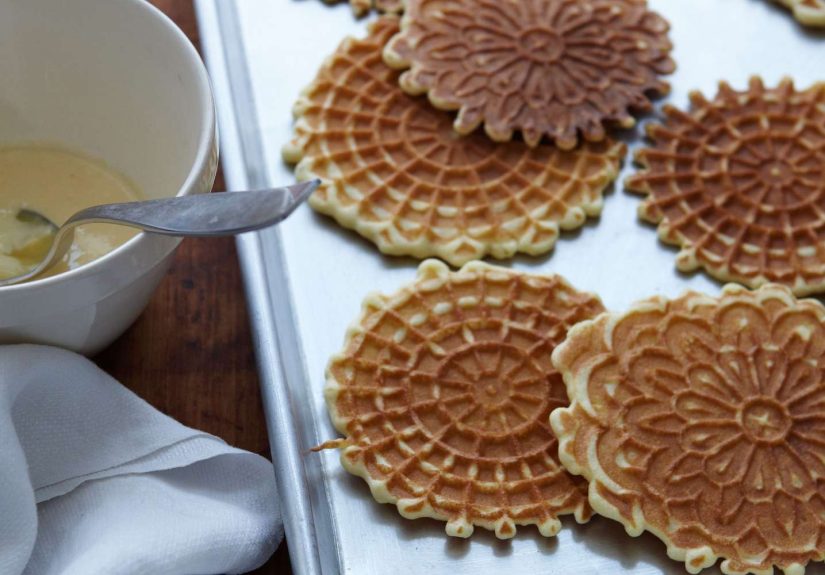
If you have ever wanted a cookie that sounds fancy, looks delicate, and disappears faster than your self-control near a warm bakery window, this crispy vanilla gaufrettes recipe is calling your name. Gaufrettes are thin, elegant waffle cookies with a light snap, a buttery finish, and a sweet vanilla aroma that somehow makes the whole kitchen feel more expensive. They are the kind of treat that can sit next to coffee, tea, ice cream, fruit, or absolutely nothing at all and still feel like the main event.
This version is designed for home bakers who want a reliable, crisp result without turning the kitchen into a dramatic pastry laboratory. The batter is simple, the flavor is clean, and the texture lands right where it should: delicate, golden, and crisp enough to crackle when you bite in. Better yet, this recipe uses familiar ingredients and a practical method, so you can make bakery-style vanilla gaufrettes without needing a culinary degree or a reality-TV style pep talk.
What Are Vanilla Gaufrettes?
In the home baking world, gaufrettes are best thought of as thin waffle cookies. They live in the same charming neighborhood as pizzelles, stroopwafel wafers, and other iron-baked treats that are pressed between hot patterned plates until crisp. The appeal is all about texture: they are lighter than standard cookies, thinner than waffles, and far more dramatic than their quiet ingredient list suggests.
Vanilla gaufrettes keep the flavor profile classic. Instead of leaning on anise, citrus, or heavy spice, they let butter, sugar, and vanilla do the work. That makes them incredibly versatile. Serve them plain for a crisp afternoon snack, sandwich them with whipped cream, tuck them beside gelato, or crumble them over pudding when you want dessert to wear a tiny tuxedo.
Why This Crispy Vanilla Gaufrettes Recipe Works
The secret to crisp gaufrettes is not magic. It is balance. You need enough sugar for sweetness and color, enough butter for flavor, enough flour for structure, and just enough starch and resting time to help the batter cook evenly. The batter should be smooth, scoopable, and not overly thick. If it is too heavy, your cookies become dense little discs. If it is too loose, they spread without structure and can turn fragile in a bad way instead of a glamorous way.
This recipe also uses a short rest before cooking. That small pause gives the flour time to hydrate and helps the batter settle into a more consistent texture. It is not a dramatic overnight project. It is just enough time to wash the mixing bowl, pretend you are patient, and let the iron heat properly.
Ingredients for the Best Crispy Vanilla Gaufrettes
- 2 large eggs
- 2/3 cup granulated sugar
- 1 tablespoon vanilla extract
- 1 teaspoon vanilla bean paste, optional for deeper flavor and pretty specks
- 1/4 teaspoon fine salt
- 6 tablespoons unsalted butter, melted and cooled slightly
- 3/4 cup all-purpose flour
- 2 tablespoons cornstarch
- 1/2 teaspoon baking powder
- 1 tablespoon whole milk or heavy cream
- Nonstick spray or a very light brush of neutral oil for the iron, if needed
Ingredient Notes
The vanilla is the star, so use a good one. Pure vanilla extract gives you a classic, smooth flavor, while vanilla bean paste adds a richer aroma and tiny specks that make the cookies look bakery-polished. Cornstarch helps encourage a more delicate, crisp texture. The butter brings flavor and that lovely toasted edge. And yes, the small amount of milk or cream helps loosen the batter just enough to spread beautifully inside the iron.
How to Make Crispy Vanilla Gaufrettes
Step 1: Make the batter
In a medium bowl, whisk the eggs and sugar until the mixture looks smooth and slightly lighter in color. You are not trying to whip up a cloud here, just encouraging the sugar to dissolve and the mixture to become cohesive. Whisk in the vanilla extract, optional vanilla bean paste, salt, melted butter, and milk or cream.
In a separate bowl, whisk together the flour, cornstarch, and baking powder. Add the dry mixture to the wet ingredients and whisk just until smooth. The finished batter should look glossy and thick enough to spoon, but loose enough to spread under heat. Cover the bowl and let it rest for 20 to 30 minutes at room temperature.
Step 2: Heat the iron properly
Preheat a pizzelle iron, waffle cone maker, or thin-cookie waffle iron according to the manufacturer’s instructions. This part matters more than people think. A lazy, underheated iron creates pale, floppy cookies that behave like tiny pancakes having a bad day. A properly heated iron gives you those crisp edges and beautiful surface patterns that make gaufrettes so irresistible.
Step 3: Cook the cookies
If your iron tends to stick, apply a very light coat of nonstick spray before the first batch only. Spoon about 1 tablespoon of batter onto the center of each pattern area, then close the iron and cook until the cookies are light golden to golden brown, usually 45 to 90 seconds depending on the machine. Every iron has its own personality. Some are cheerful and quick. Others need a minute to get serious.
Carefully remove the cookies with a thin spatula or fork and transfer them immediately to a wire rack. They will still be slightly soft when they come off the iron, but they crisp as they cool. Repeat with the remaining batter.
Step 4: Cool completely for maximum crispness
Do not stack the cookies while warm. That traps steam, which is the sworn enemy of crisp cookies everywhere. Let the gaufrettes cool in a single layer on a wire rack until completely crisp. Once cooled, they should snap cleanly when broken.
Tips for Extra-Crispy Vanilla Gaufrettes
First, weigh your flour if possible. Too much flour is one of the easiest ways to make delicate cookies heavy. If you are measuring by cups, fluff the flour, spoon it into the cup, and level it off gently rather than packing it in like you are insulating a roof.
Second, do not rush the cooling stage. A wire rack allows air to move around the cookies so they crisp instead of steaming themselves soft. Third, cook them until they are lightly golden, not pale. Pale cookies may taste fine, but golden cookies usually deliver better crunch and fuller flavor.
If your kitchen is humid and the cookies soften later, do not panic. Place them on a baking sheet in a 300°F oven for 3 to 5 minutes, then cool them again on a wire rack. They usually bounce back beautifully, which is more than some people can say after their third coffee.
Flavor Variations and Serving Ideas
Once you master the basic vanilla gaufrettes recipe, you have options. Add orange zest for a brighter finish. Swap in almond extract for part of the vanilla if you want a bakery-style twist. Dip one edge in melted dark chocolate for an easy upgrade. Dust them lightly with confectioners’ sugar for a pretty serving platter that looks far more effortful than it actually was.
These cookies are also excellent with desserts. Serve them with vanilla bean ice cream, use them as a crisp garnish for chocolate mousse, or sandwich them with lightly sweetened mascarpone cream. They also pair wonderfully with berries, espresso, or even a scoop of coffee gelato if you want a dessert that sounds like you made reservations somewhere.
Troubleshooting Common Gaufrettes Problems
Why are my gaufrettes soft?
They were likely undercooked, stacked while warm, or exposed to humidity before fully cooling. Cook a shade darker next time and let them cool flat on a rack.
Why are they sticking to the iron?
Your iron may not be fully heated, or the batter may need a tiny bit more fat. Start with a very light grease before the first batch and make sure the plates are hot before adding batter.
Why are the cookies too thick?
The batter may be too stiff or you may be using too much batter per cookie. Try a slightly smaller scoop and spread the batter less aggressively. Thin cookies are the goal.
Why do they lose their crispness after storage?
They were probably stored before cooling completely or left in a container with trapped moisture. Always cool first, then store airtight. If needed, recrisp briefly in the oven.
How to Store Crispy Vanilla Gaufrettes
Store the fully cooled cookies in an airtight container at room temperature for up to 5 days. Place parchment between layers if you are stacking them. Keep them away from moisture, steam, and the kind of kitchen chaos created by leaving the dishwasher open during dessert prep.
These are not ideal freezer cookies. Because they are thin and delicate, they can lose some of their lovely crisp texture after freezing and thawing. They are much better made fresh or a day ahead for serving.
Specific Serving Examples for Real-Life Baking
If you are hosting brunch, serve vanilla gaufrettes with fresh strawberries and softly whipped cream. For a holiday cookie platter, pair them with chocolate truffles, shortbread, and candied nuts for a mix of textures. If you want a simple dinner-party dessert, place two or three cookies next to a scoop of vanilla ice cream with warm espresso poured tableside for a quick affogato-inspired plate.
They also make a smart edible gift. Stack a dozen in a clear bag, tie it with ribbon, and suddenly you look like the type of person who plans ahead. Even if you made them at midnight while wearing mismatched socks, nobody needs to know that part.
My Experience With This Crispy Vanilla Gaufrettes Recipe
The first time I made vanilla gaufrettes, I expected them to be one of those “cute but fussy” recipes that look good on paper and turn your kitchen into a mildly emotional crime scene. Instead, they turned out to be one of the most satisfying small-batch bakes I have made in a long time. There is something deeply rewarding about mixing a simple batter, pressing it between hot iron plates, and watching a patterned, golden cookie emerge looking like it belongs in a bakery window.
What stood out immediately was the aroma. Vanilla gaufrettes do not smell loud in the way cinnamon rolls do, and they are not buttery in the dramatic, “everyone stop what you’re doing” manner of pie crust. The scent is more elegant than that. It drifts through the kitchen in a warm, sweet way that feels calm and almost old-fashioned. It is the kind of smell that makes people wander in and ask, “What is that?” while pretending they are not there to sample the first batch.
I also learned quickly that timing matters. The early cookies taught me that pale is not your friend if your goal is real crispness. Once I let the cookies go just a little more golden, the texture improved dramatically. After cooling, they had that delicate snap that makes thin waffle cookies so addictive. Not hard. Not dry. Just crisp, light, and elegant. It felt like the difference between a polite applause and a standing ovation.
Another thing I appreciated was how flexible the recipe felt in actual use. One batch became a coffee companion. Another batch got tucked beside vanilla ice cream for an easy dessert. A few cookies were sandwiched with whipped mascarpone and berries, which made them look far more high-maintenance than they really were. That is one of my favorite kinds of recipe: low drama, high reward.
I also found that vanilla gaufrettes are a great “bridge dessert” for people who say they do not want anything too rich. Hand someone a giant layer cake and they may politely retreat. Hand them a thin vanilla gaufrette and they often say yes. Then they eat three. The crisp texture and restrained sweetness make them feel light, even though butter and sugar are still doing their cheerful little dance in the background.
From a baking perspective, the most useful lesson was respecting the cooling rack. It sounds like a small detail, but it changes the final texture in a very real way. The batches I let cool openly stayed crisp longer. The ones I got impatient with softened faster. So now I treat the cooling stage as part of the recipe, not an optional afterthought. The cookies may be tiny, but they are opinionated.
Overall, this crispy vanilla gaufrettes recipe has become one of those dependable favorites I return to when I want something pretty, crisp, and a little bit special without spending half a day on it. It is practical enough for a weekday bake, elegant enough for guests, and charming enough to make you feel unusually put together. And for a cookie that takes only a handful of ingredients and a hot iron, that is a very good deal.
Conclusion
This crispy vanilla gaufrettes recipe proves that small cookies can still bring major dessert energy. With a simple batter, a hot iron, and a little patience during cooling, you get thin waffle cookies that are buttery, fragrant, and wonderfully crisp. They are easy to dress up, easy to serve, and dangerously easy to keep eating. Whether you are baking for guests, gifting a sweet treat, or just trying to make your coffee break feel a little fancier, vanilla gaufrettes are a smart, beautiful choice.





 Close
Close