
Table of Contents >> Show >> Hide
- Why Crustless Quiche Works (And Why It Sometimes Fails)
- Crustless Spinach-and-Mushroom Quiche Ingredients
- Equipment You’ll Need
- Step-by-Step: How to Make Crustless Spinach-and-Mushroom Quiche
- Chef-Level Tips for a Quiche That Slices Like a Dream
- Easy Variations (Because Quiche Loves Options)
- Make-Ahead, Storage, and Reheating
- What to Serve With Spinach-and-Mushroom Quiche
- FAQ: Crustless Spinach-and-Mushroom Quiche
- Extra: Real-Life Kitchen Experiences ( of “Yep, Been There” Energy)
- Conclusion
Some mornings you want a “real breakfast.” Not a sad granola bar you found in your bag. Not coffee with
vibes. You want something warm, savory, and sliceablesomething that makes your kitchen smell like you
have your life together.
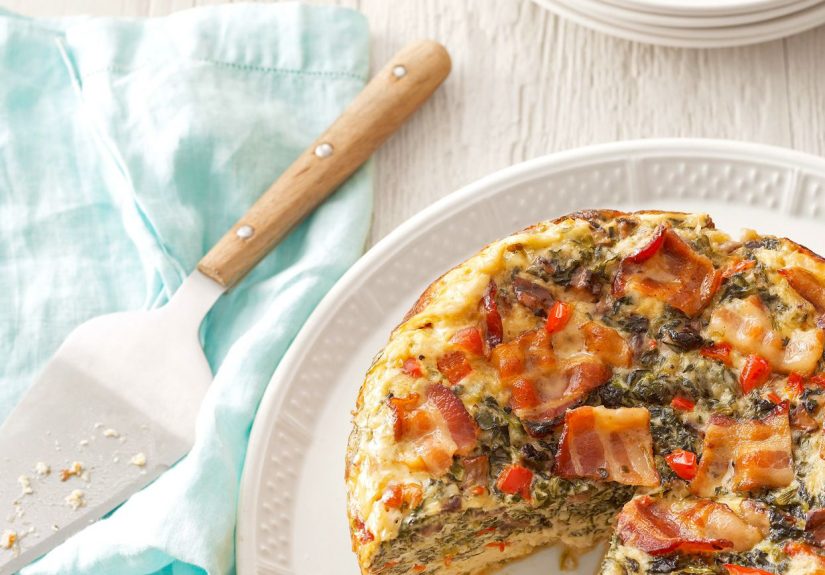
Enter the crustless spinach-and-mushroom quiche: all the creamy, custardy comfort of
classic quiche, minus the pastry project. It’s naturally gluten-free, typically
lower-carb than a traditional quiche, and it’s ridiculously useful for meal prep.
Make it once, eat it for breakfast, lunch, and the “I forgot to thaw anything” dinner.
Why Crustless Quiche Works (And Why It Sometimes Fails)
A crustless quiche is basically a baked egg custard loaded with vegetables and cheese. The reason it’s
so easy is also the reason it can go wrong: with no crust to absorb moisture, watery vegetables can
turn your quiche into a sponge with opinions.
The solution is simple: cook off moisture before it goes in. Mushrooms and spinach are
wonderful… and also basically tiny water balloons. We’ll sauté both so the eggs set up silky instead
of soupy.
Crustless Spinach-and-Mushroom Quiche Ingredients
This recipe is written for a standard 9-inch pie dish (or quiche dish). You can also
bake it in an 8×8-inch pan; the bake time may shift slightly.
Vegetables
- 1 tablespoon olive oil (or butter for extra flavor)
- 8 ounces mushrooms, sliced (cremini/baby bella are great)
- 1 small yellow onion, finely diced (optional but highly recommended)
- 2 cloves garlic, minced
- 4 cups fresh spinach (or 10 ounces frozen chopped spinach, thawed and squeezed dry)
- 1/2 teaspoon kosher salt, divided (plus more to taste)
- 1/4 teaspoon black pepper
Custard Base
- 5 large eggs
- 1 cup milk (whole milk for a richer texture; 2% works too)
- 1/2 cup half-and-half (or use all milk for lighter, or more half-and-half for richer)
- 1/4 teaspoon ground nutmeg (optional, but it makes it taste “fancy”)
- 1 teaspoon Dijon mustard (optional, subtle savory depth)
Cheese
- 1 cup shredded Gruyère or Swiss (or sharp cheddar)
- 1/4 cup grated Parmesan (for salty, nutty backbone)
Optional Flavor Boosters
- 2 tablespoons chopped chives or parsley
- Pinch of red pepper flakes
- 1/2 cup crumbled feta (swap for some of the shredded cheese)
Equipment You’ll Need
- 9-inch pie dish (glass, ceramic, or metal)
- Large skillet
- Mixing bowl + whisk
- Measuring cups/spoons
- Optional but great: instant-read thermometer
Step-by-Step: How to Make Crustless Spinach-and-Mushroom Quiche
1) Preheat and prep the pan
Preheat your oven to 375°F. Grease a 9-inch pie dish generously with oil, butter, or
cooking spray. (Crustless quiche is friendly, but it is not above sticking if you offend it.)
2) Sauté mushrooms until they stop being watery
Heat olive oil in a large skillet over medium-high heat. Add mushrooms and onions with a pinch of the
salt. Cook, stirring occasionally, until the mushrooms release their moisture and that liquid
mostly evaporates, about 7–10 minutes.
Add garlic and cook for 30 seconds, just until fragrant. (If garlic burns, it gets
bitter and then your quiche is mad at you.)
3) Wilt spinach and remove excess moisture
Add fresh spinach to the skillet in handfuls and cook until wilted, about 1–2 minutes.
Turn off the heat.
If the pan looks wet, you’ve got options:
keep cooking for another minute to evaporate moisture, or
transfer the vegetables to a strainer and press gently. For frozen spinach, squeezing
it dry is non-negotiabletreat it like you’re wringing out a tiny green sponge.
4) Whisk the custard (the silky part)
In a mixing bowl, whisk eggs until the whites and yolks are fully blended. Whisk in milk, half-and-half,
remaining salt, pepper, nutmeg, and Dijon (if using). You’re aiming for a smooth, unified mixtureno
streaky egg whites floating around like little ghosts.
5) Assemble
Spread the cooked mushroom-spinach mixture evenly in the prepared pie dish. Sprinkle in the shredded
cheese and Parmesan (reserve a small handful of shredded cheese for the top if you want a prettier finish).
Pour the egg mixture over everything. Give the dish a gentle wiggle so the custard settles into the
nooks and crannies.
6) Bake until just set
Bake on the middle rack for 35–45 minutes, until the edges are set and the center is
only slightly wobbly (think: soft Jell-O, not soup).
For best accuracy and food safety, the center should reach 160°F. If the top browns
too quickly, loosely tent with foil for the last 10 minutes.
7) Rest before slicing (yes, really)
Let the quiche rest for 10–15 minutes. It will continue to set as it cools, giving you
cleaner slices and a better texture.
Chef-Level Tips for a Quiche That Slices Like a Dream
Dry vegetables = non-watery quiche
The #1 reason crustless quiche gets watery is excess moisture from vegetables. Mushrooms and spinach need
a quick “steam release meeting” in the skillet before they join the egg party.
Don’t overbake
Overbaked quiche can turn rubbery and may weep liquid as it cools. Pull it when the edges are firm and
the center still has a gentle wobble.
Choose your dairy based on your vibe
- Richer, more custardy: half-and-half or a mix of milk + cream
- Lighter: whole milk or 2%
- Extra protein: swap part of the dairy for blended cottage cheese
Easy Variations (Because Quiche Loves Options)
1) Keto-ish / low-carb crustless quiche
Use half-and-half (or a milk/cream mix) instead of milk, and choose full-fat cheeses. Add extra herbs and
a pinch of cayenne if you like it bold.
2) Dairy-free version
Use an unsweetened plant milk that cooks well (like plain oat or soy) and a dairy-free cheese alternative.
The texture will be slightly different, but still very snackable.
3) Add protein
Stir in 1/2–3/4 cup cooked, crumbled sausage, diced ham, or shredded chicken. Make sure
it’s cooked firstthis quiche is not a slow cooker.
4) Different cheeses
Gruyère is classic with mushrooms, but cheddar, Swiss, mozzarella, or feta all work. A little Parmesan
helps almost any cheese taste like it has a college degree.
Make-Ahead, Storage, and Reheating
Make-ahead
You can cook the mushrooms and spinach up to 2 days ahead and keep them refrigerated.
Then just whisk eggs, assemble, and bake when you’re ready.
Refrigerator storage
Cool leftovers, refrigerate within 2 hours, and store in an airtight container for about
3–4 days (quality is best in the first couple days, but it’s still tasty later).
Freezing
Crustless quiche can be frozen, but egg custards may thaw a little “weepy.” If you freeze it, cool
completely, wrap well, and freeze slices so you can grab-and-go.
Reheating
- Oven: 325°F until warmed through (best texture)
- Microwave: short bursts so it heats evenly (quickest, slightly softer texture)
What to Serve With Spinach-and-Mushroom Quiche
- Fresh fruit (berries, melon, citrus)
- Simple side salad with lemon vinaigrette
- Roasted potatoes or hash browns for brunch energy
- Tomato soup for the ultimate cozy lunch combo
FAQ: Crustless Spinach-and-Mushroom Quiche
Is crustless quiche the same as a frittata?
They’re cousins, not twins. A quiche uses a more “custardy” egg base with milk/cream and bakes in a dish.
A frittata is often started on the stovetop in a skillet and finished in the oven, usually with less dairy.
How do I know it’s done without overbaking?
Look for set edges and a slight wobble in the center. For total confidence, use a thermometer and aim for
160°F in the center.
Why did my quiche turn out watery?
Usually it’s moisture from vegetables (especially mushrooms/spinach) or underbaking. Cook vegetables until
most moisture is gone, squeeze frozen spinach dry, and bake until the custard sets.
Extra: Real-Life Kitchen Experiences ( of “Yep, Been There” Energy)
If you’ve ever made a crustless quiche and thought, “Why does this feel like a delicious omelet that forgot
how to stand up?”welcome. The good news is that most crustless quiche problems are incredibly consistent,
which means they’re incredibly fixable. Home cooks tend to have the same three experiences: surprise water,
surprise puffing, and surprise “wow, this is better tomorrow.”
First, the water issue. Mushrooms are basically tiny flavor sponges that also hoard moisture like it’s
their retirement plan. The most common “aha!” moment people have is realizing that mushrooms aren’t done
when they look brownedthey’re done when the pan stops looking like a rainstorm happened. The same goes
for spinach. Fresh spinach wilts quickly, but it can still leave a little puddle behind. Many cooks find
that one extra minute over the heat (or a quick press in a strainer) is the difference between neat slices
and a quiche that needs a spoon.
Second, the puffing. Quiche will rise in the oven, especially a crustless one, because eggs are enthusiastic
about heat. It’s normal to see it balloon a little, then settle as it cools. This can feel alarming the
first timelike your breakfast is auditioning to become a soufflébut it’s just physics doing its thing.
The trick is not overfilling your dish and not chasing perfection with extra bake time. If you bake until
the center is rock-solid, the quiche can end up rubbery and may even “weep” as it cools. Plenty of cooks
report their best texture comes from pulling it when the center still has a gentle wiggle, then letting the
rest time do the final setting.
Third, the next-day glow-up. A lot of people are surprised that crustless quiche tastes even better after a
night in the fridge. The flavors mingle, the custard firms slightly, and slicing becomes cleaner. This is
why it’s such a favorite meal-prep breakfast: you can bake it once, cool it, cut it into wedges, and
suddenly you have breakfast that feels intentional (even if your morning is not).
As for personalizing it, the “experience” most cooks lean into is using this recipe like a template. Some
swap Gruyère for cheddar because it’s what’s in the fridge. Others toss in feta for tang, or add herbs to
make it taste restaurant-y. Many find that a tiny pinch of nutmeg makes the whole dish taste warmer and
more polished, even though nobody can quite identify why. And if you’re cooking for picky eaters, this
quiche has a sneaky superpower: chopped spinach disappears into the eggs like it’s wearing camouflage.
In short: your first crustless quiche teaches you the rules (dry veggies, don’t overbake, let it rest).
Your second one feels like you’ve hacked brunch. By the third, you’ll be making it on purposeeven on a
weekdaybecause it’s the rare recipe that’s forgiving, flexible, and genuinely useful.
Conclusion
This crustless spinach-and-mushroom quiche recipe is the kind of meal that works as hard
as you do: fast enough for weekdays, classy enough for brunch, and flexible enough to use whatever you’ve
got. Cook the vegetables first, bake until just set, rest before slicing, and you’ll get a custardy,
cheesy quiche that feels like comfort food with a clean-cut résumé.






 Close
Close