
Table of Contents >> Show >> Hide
- How This Guide Was Built
- What Makes Daith Piercings Higher Risk Than Lobe Piercings?
- Normal Healing vs. Infection: How to Tell the Difference
- What Causes Daith Piercing Infections?
- Treatment: What to Do (Step by Step)
- Prevention: The Smart, Boring Stuff That Works
- Infection or Allergy? (They Can Look Similar)
- Daith Piercing for Migraine: Quick Reality Check
- FAQ
- 500-Word Experience Section: Real-World Patterns People Report
- Conclusion
A daith piercing can look amazing, feel meaningful, and make your mirror selfies about 37% cooler (unofficial estimate, but emotionally true).
The catch? A daith lives in ear cartilage, and cartilage piercings can be fussier than lobe piercings. If your ear starts looking angry, throbbing,
or leaking suspicious goo, you need to know whether it’s normal healing, irritation, allergy, or a true infection.
This guide breaks down the real-world signs of a daith piercing infection, what to do at home (and what not to do), when to get medical care,
and how to lower your risk from day one. You’ll also get practical prevention strategies, a quick myth-busting section about daith piercings and migraines,
and a long-form “experience” section so you can recognize common patterns before things escalate.
How This Guide Was Built
The content below synthesizes medical and professional aftercare guidance from reputable U.S.-based organizations and clinical references, including:
Mayo Clinic, Cleveland Clinic, American Academy of Dermatology (AAD), Association of Professional Piercers (APP), CDC, MedlinePlus/NIH,
HealthyChildren.org (AAP), American Migraine Foundation, MSD Manual (Merck), NCBI StatPearls, and AAFP.
What Makes Daith Piercings Higher Risk Than Lobe Piercings?
The daith is a cartilage piercing in the inner fold of your outer ear. Cartilage has less blood flow than the fleshy earlobe, and blood flow helps your body
fight bacteria and deliver healing nutrients. That means cartilage piercings often heal slower and can become more complicated when infected.
In plain English: your earlobe is usually forgiving; cartilage is less forgiving and more dramatic. This is why providers tend to take painful, red,
swollen cartilage piercings more seriously than mild lobe irritation.
Normal Healing vs. Infection: How to Tell the Difference
Common Normal Healing Signs
- Mild tenderness, warmth, or swelling for the first days to weeks
- Light crusting and clear/whitish fluid that dries around jewelry
- Temporary sensitivity when sleeping on that side
- Flare-ups after accidental bumps, headphones, or friction
Possible Infection Signs
- Redness that spreads instead of improving
- Increasing pain, throbbing, or tenderness
- Noticeable swelling, warmth, and itch that gets worse
- Yellow, green, or foul-smelling drainage (or pus)
- Skin color changes that persist beyond early healing
- Fever or feeling generally unwell
Red Flags: Get Prompt Medical Care
- Severe redness/swelling in upper ear cartilage
- Rapid worsening over 24–48 hours
- Visible abscess, trapped pus, or deforming swelling
- Fever, chills, confusion, shortness of breath, or severe body pain
- You’re immunocompromised, diabetic, or symptoms are not improving quickly
A key clue for cartilage complications (like perichondritis): the upper outer ear becomes very painful, red, and swollen, often sparing the soft earlobe.
That pattern deserves same-day clinical attention.
What Causes Daith Piercing Infections?
Infections happen when microbes enter a healing wound. For daith piercings, common risk factors include:
- Touching or twisting jewelry with unwashed hands
- Over-cleaning or using harsh products (alcohol, peroxide, strong antiseptics)
- Non-sterile piercing setup or poor studio hygiene
- Low-quality jewelry or materials that irritate tissue
- Pressure/friction from earbuds, helmets, phones, or sleeping on that side
- Early jewelry changes before the tract is stable
- Ignoring escalating symptoms for too long
In cartilage infections, Pseudomonas can be involved more often than in simple lobe infections, which is one reason clinicians may choose specific antibiotics
when cartilage is affected.
Treatment: What to Do (Step by Step)
Step 1: Don’t Panic, Don’t Play With It
Stop touching the piercing except for cleaning. No twisting, spinning, “checking if it moves,” or squeezing drainage. Cartilage does not appreciate experiments.
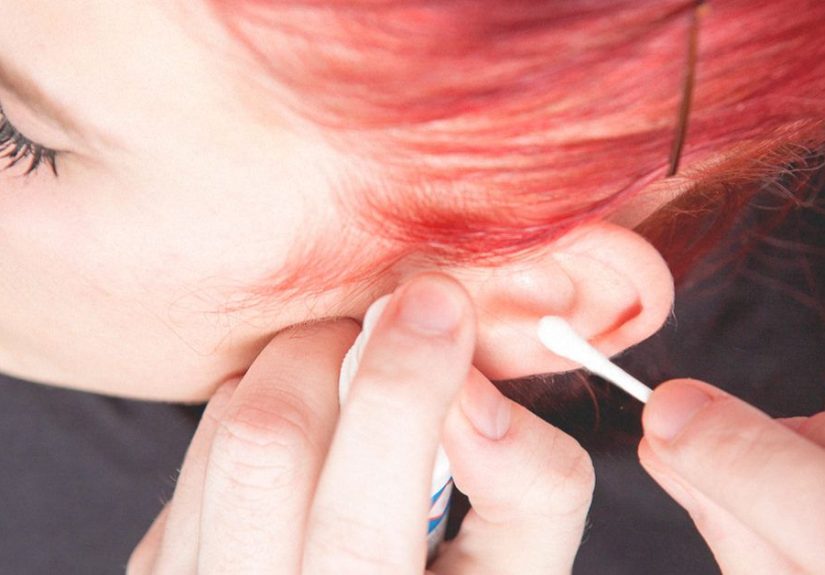
Step 2: Use Gentle, Evidence-Based Care
- Wash your hands before any contact
- Use sterile saline wound wash (0.9% sodium chloride, minimal ingredients)
- Use warm compresses for comfort if advised
- Pat dry with clean disposable material
- Keep pillowcases and phone surfaces clean
Step 3: Avoid “Internet Fixes” That Delay Healing
- No alcohol or hydrogen peroxide
- No random essential oils, tea tree oil, or DIY chemical mixes
- No heavy ointment layers unless explicitly directed by your clinician
- No homemade salt mixes that are too strong and irritating
Step 4: Know the Jewelry Rule
For many mild local infections, clinicians may keep jewelry in place so the hole doesn’t close and trap drainage. But in more serious cartilage infections,
abscesses, or if jewelry is embedded/problematic, a clinician may recommend removal or replacement.
Bottom line: don’t remove it on your own if infection is suspectedget medical guidance first.
Step 5: Get Medical Treatment Early for Cartilage Symptoms
If symptoms are moderate to severe, persistent, or clearly worsening, seek care promptly. Depending on exam findings, treatment can include topical meds, oral antibiotics,
drainage of an abscess, or culture-guided therapy. Early care helps prevent cartilage damage and permanent ear shape changes.
Prevention: The Smart, Boring Stuff That Works
Before You Get Pierced
- Choose a licensed, reputable studio with sterile technique
- Ask about single-use needles and infection-control protocols
- Ask for high-quality, biocompatible starter jewelry (implant-grade materials, nickel-safe options)
- If you have a metal sensitivity history, discuss materials before the appointment
During Early Healing
- Follow your piercer’s and medical aftercare instructions consistently
- Leave jewelry in place for the recommended healing period
- Sleep on the opposite side when possible
- Avoid submerging in pools/hot tubs/lakes during healing
- Limit pressure from earbuds and headwear over the area
Lifestyle Habits That Quietly Help
- Prioritize sleep and hydration (healing loves both)
- Avoid smoking/nicotine when possible during healing
- Keep hair products, makeup, and styling sprays away from the site
- Swap pillowcases frequently
Infection or Allergy? (They Can Look Similar)
Not every angry daith is infected. Nickel or metal sensitivity can cause itchy rash, redness, bumps, and irritation that mimics infection.
Clues that suggest allergy include itch-first symptoms, recurrent irritation after jewelry changes, and less obvious pus or systemic symptoms.
If allergy is suspected, your clinician may recommend a jewelry material change and dermatitis-focused care. If infection is suspected, antimicrobial treatment may be needed.
Sometimes both are present at once, which is why a professional exam is useful when symptoms persist.
Daith Piercing for Migraine: Quick Reality Check
You’ve probably heard that daith piercings can “cure” migraine. Current expert guidance from headache specialists and major medical centers says evidence is lacking.
Most reported benefits are anecdotal, and placebo effects are possible. Meanwhile, piercing risks (including infection) are real.
So if migraine is your main concern, use proven migraine care with a licensed clinician instead of relying on a piercing as treatment.
FAQ
How long does a daith piercing take to calm down?
Early irritation can improve in days to weeks, but cartilage healing is often prolonged. You may feel “fine” on the outside before the inner tract is fully stable,
so keep aftercare consistent even when symptoms fade.
Can I keep my AirPods in?
If earbuds press on the daith area, friction can trigger inflammation. During healing or irritation, reduce use or switch to over-ear options that avoid pressure.
Should I rotate my jewelry while cleaning?
Older advice recommended rotation. Newer guidance generally says norotation can irritate healing tissue and slow recovery.
When should I go to urgent care instead of waiting?
Go now for rapidly worsening pain/swelling, spreading redness, pus with fever, abscess signs, or any systemic symptoms (chills, confusion, shortness of breath).
Cartilage infections deserve faster escalation than simple lobe irritation.
500-Word Experience Section: Real-World Patterns People Report
The stories below are composite experiences based on common clinical and aftercare patternsnot individual medical records.
1) “I Cleaned It So Hard I Made It Worse”
One common story starts with good intentions and ends with an irritated ear. Someone gets a daith, then cleans it six times a day with alcohol, peroxide, or strong soap because
“more cleaning = less infection,” right? Not exactly. Within days, the area gets drier, redder, and more painful. They assume it must be infection, so they clean even harder.
Eventually they switch to gentle saline, stop touching it, and symptoms settle. Lesson: over-cleaning can mimic infection and prolong healing. Your daith wants consistency, not chemical warfare.
2) “I Sleep on That Side and My Ear Declared Mutiny”
Another frequent pattern: daytime looks fine, nighttime causes drama. A side sleeper wakes up with swelling and a deep ache every morning. They think the piercing is “randomly infected,”
but the pattern repeats mainly after pressure-heavy sleep. Once they switch to opposite-side sleeping (or use a donut-style pillow to offload pressure), inflammation drops significantly.
They also pause tight earbuds and helmets for a while. Lesson: constant pressure can keep a daith chronically irritated, which can then open the door to true infection.
3) “I Mixed My Own Salt Solution and Accidentally Made Brine”
DIY saline sounds easyuntil measurements get creative. People often add too much salt, use non-sterile water, or store mixtures too long. The result can be stinging, dryness, and delayed healing.
One person described their ear feeling “crispy and mad” after each soak. When they switched to sterile saline wound wash with 0.9% sodium chloride and simplified care, irritation eased.
Lesson: in piercing aftercare, precision matters. Store-bought sterile saline is boring, predictable, and exactly what healing cartilage likes.
4) “I Thought It Was Infection, But It Was Metal Sensitivity”
A lot of people interpret any redness as infection. Sometimes it’s actually allergy or metal sensitivity, especially when itching leads the symptom list.
In one common scenario, a piercing repeatedly gets red and itchy after jewelry changes, but there’s minimal drainage and no fever. A clinician suspects contact dermatitis,
and switching to better-tolerated jewelry plus skin-focused treatment fixes the cycle. Lesson: infection and allergy can look similar. If your piercing keeps relapsing after jewelry swaps,
metal compatibility should be part of the conversation.
5) “I Waited Too Long Because I Didn’t Want to ‘Overreact’”
This is the story worth remembering most. A person notices worsening redness, pain, and swelling in upper ear cartilage, but waits “one more day” for nearly a week.
By the time they seek care, there’s an abscess and more aggressive treatment is needed. They recover, but wish they had gone earlier.
The big takeaway: quick care is not overreacting when cartilage symptoms escalate. Early treatment often means simpler treatment. Waiting can raise the risk of complications and scarring.
If the trend is clearly worsenot betterget seen.
Conclusion
Daith piercings can heal beautifully, but cartilage demands respect. If you remember just four rules, make them these: keep hands off, clean gently with sterile saline, avoid pressure and harsh products,
and escalate early if symptoms worsenespecially in upper cartilage. Mild irritation is common; progressive pain, spreading redness, fever, or pus is not.
Think of aftercare like brushing your teeth: small, consistent habits beat heroic rescue attempts. And if you’re ever unsure whether it’s infection, allergy, or just irritation, a timely clinical exam can save
you weeks of stress and protect your ear’s long-term shape.






 Close
Close