
Table of Contents >> Show >> Hide
- Who Is Deborah Ehrlich?
- What Makes the Deborah Ehrlich Crystal Wine Glass Different?
- Why Designers and Editors Keep Coming Back to It
- The Deborah Ehrlich Wine Glass as a Lifestyle Object
- Is the Deborah Ehrlich Crystal Wine Glass Worth It?
- How to Style and Care for It
- Buying Advice: What to Look For
- What the Experience Feels Like in Real Life
- Final Thoughts
If you have ever looked at a wine glass and thought, “Yes, that is lovely, but does it really need to look like it is headed to a black-tie gala hosted by a chandelier?” then Deborah Ehrlich’s crystal wine glass may be your kind of object. It is refined without being fussy, delicate without acting fragile, and minimal without becoming boring. In other words, it manages the rare trick of being quietly dramatic.
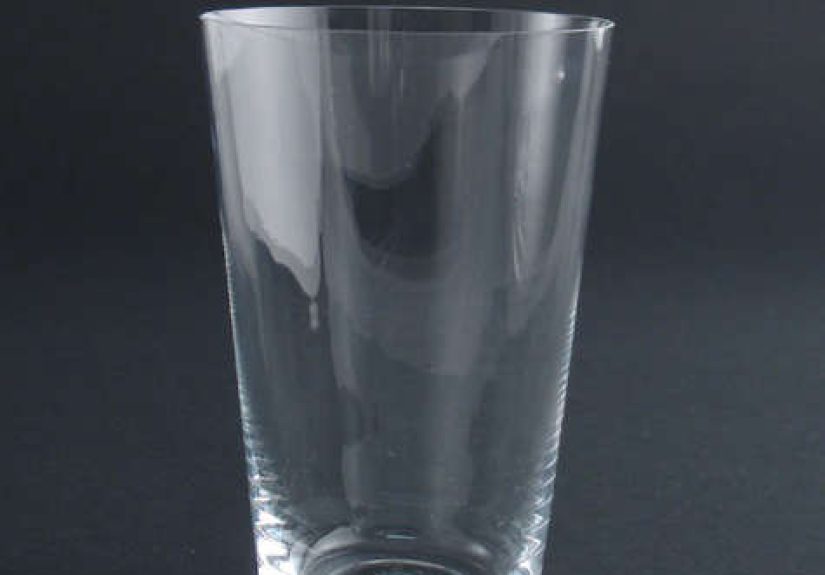
The Deborah Ehrlich crystal wine glass sits in that sweet spot where design, craftsmanship, and everyday ritual meet. It comes from a designer known for stripping objects down to their essential form and then obsessing over proportion until the result feels inevitable. The glass does not scream for attention from across the room. It simply waits on the table, looking calm, clear, and perfectly balanced, like it already knows it belongs there.
That is why people search for this piece so often. They are not just looking for a vessel to hold wine. They are looking for an experience: the feel of a paper-thin lip, the clarity of lead-free Swedish crystal, the pleasing weight in the hand, and the kind of tabletop object that makes even sparkling water look like it earned a standing ovation.
Who Is Deborah Ehrlich?
Deborah Ehrlich is a Hudson Valley-based designer and classically trained sculptor whose work has become closely associated with exquisitely simple crystal glassware. Her pieces have been hand-blown, hand-cut, and hand-polished by master craftsmen in Sweden since the late 1990s, and that background matters. You can feel the sculptor’s mindset in the restraint of the forms. Nothing is overworked. Nothing is ornamental just for the sake of showing off. Every curve looks considered, and every measurement seems to have survived a ruthless editing process.
One of the most charming stories behind her glassware is that the line was inspired by time spent in Provence, where wine is often served in simple tumblers rather than precious, overly dressed-up stemware. When Ehrlich returned, she reportedly could not find glassware that felt right, so she designed something “for my hand.” That phrase explains a lot. Her work is not about theatrical table settings. It is about touch, proportion, and the personal relationship between a hand and an object.
What Makes the Deborah Ehrlich Crystal Wine Glass Different?
1. The shape is minimal, but not plain
Minimalist design often gets unfairly confused with “the designer got tired halfway through.” Deborah Ehrlich’s wine glasses prove the opposite. Their simplicity is highly controlled. A white wine or rosé glass from her collection may appear understated at first glance, but that understatement is exactly the point. The rim, curve, height, and diameter work together to create a silhouette that feels calm and complete.
Instead of relying on heavy stems, dramatic bowls, or flashy cuts, the glass leans on proportion. That makes it incredibly versatile in real interiors. It looks just as appropriate on a rustic farmhouse table as it does in a sharply modern apartment. It does not clash with antiques. It does not fight contemporary ceramics. It just gets along with everything, which is more than can be said for certain guests at dinner parties.
2. The material is premium lead-free Swedish crystal
A big part of the appeal is the crystal itself. Deborah Ehrlich’s wine glasses are typically made from lead-free Swedish crystal, a material prized for strength, clarity, and the ability to be worked into finer lines than standard glass. That is how the pieces achieve their airy, nearly weightless look while still maintaining practical durability for careful everyday use.
The clarity matters visually, but it also changes how the object feels. The glass looks almost like water frozen into shape. That purity of appearance is one reason her pieces have become favorites among design-minded homeowners, retailers, and editors. They do not distort the drink, the table, or the light around them. They simply frame the moment.
3. The lip and weight are part of the experience
A Deborah Ehrlich crystal wine glass is not famous because it holds liquid. Plenty of vessels can manage that heroic task. It is admired because the hand-cut and polished lip changes the sensation of drinking, while the weight in the palm feels balanced and intentional. This is the sort of product that makes you notice details most people ignore until they finally use a really good glass and wonder where it has been all their life.
That attention to tactile detail is why the glassware feels almost tailored. Whether you are pouring wine, a nonalcoholic spritz, sparkling water, or something as unglamorous as ice tea on a Tuesday, the vessel elevates the act without making it feel stiff.
Why Designers and Editors Keep Coming Back to It
Deborah Ehrlich’s glassware has shown up for years in design coverage and curated retail selections because it represents a certain kind of luxury: the kind that whispers. It has been featured by prominent design retailers and publications not because it is trendy, but because it resists trendiness. That distinction matters. Trend-driven objects tend to age in dog years. Ehrlich’s pieces feel timeless because they are based on proportion and material honesty rather than novelty.
There is also a strong editorial appeal to an object that can look fragile yet be surprisingly resilient. That tension between delicacy and strength is central to her work. It is part of why her crystal glassware reads as sculptural rather than merely decorative. You do not feel like you are handling a gimmick. You feel like you are handling an idea that has been refined until only the necessary parts remain.
The Deborah Ehrlich Wine Glass as a Lifestyle Object
Calling a wine glass a “lifestyle object” may sound ridiculous, and yet here we are. The Deborah Ehrlich crystal wine glass genuinely does shape the mood of a table. It suggests intentional living without becoming preachy about it. It says you care about design, but you also understand that beauty should be usable.
This is one reason the glass appeals to people who like warm modern interiors, quiet luxury, Scandinavian restraint, and artisanal tabletop pieces. It works beautifully with linen napkins, handmade ceramics, old wood, brushed metal, and simple floral arrangements. It also plays nicely with food that is more cozy than ceremonial. Roast chicken? Great. Pasta? Great. Fancy cheese board with names you cannot pronounce? Also great. It does not require a “special occasion” because it makes ordinary occasions feel a little more special.
And importantly, that does not have to mean alcohol-centered entertaining. One of the smartest things about a beautifully made wine glass is that it can bring elegance to anything poured into it. A citrus spritz, sparkling apple cider, or chilled mineral water can feel just as elevated. The object is about ritual and design, not excess.
Is the Deborah Ehrlich Crystal Wine Glass Worth It?
For the right buyer, yes. For every buyer, not necessarily. This is not bargain-bin drinkware, and it is not trying to be. It belongs to the premium end of the market, where people pay for craftsmanship, design authorship, material quality, and longevity of style.
Reasons it may be worth the investment
- It combines sculptural simplicity with excellent craftsmanship.
- Lead-free Swedish crystal offers impressive clarity and fine lines.
- The design feels timeless rather than seasonal.
- It works for both formal and casual table settings.
- It has collector appeal for people who value modern design objects.
Reasons it may not be for everyone
- It is more expensive than mass-market glassware.
- It benefits from careful hand-washing.
- If you prefer ornate crystal, this style may feel too restrained.
- If your household treats glassware like a contact sport, you may want something less refined.
In plain English: if you love thoughtful design and care about how objects feel in daily life, it is compelling. If you want twelve glasses that can survive chaos, sports nights, and a dishwasher loaded like a physics experiment, you may want a tougher everyday backup set.
How to Style and Care for It
Styling tips
Pair the glass with natural textures and simple tableware. Linen, stoneware, unfinished wood, matte silver, and plain white ceramics all work beautifully. Because the glass is so clear and spare, it brings calm to a table rather than visual clutter. It is especially effective when mixed with handmade pieces that have a little texture or irregularity. The contrast makes the crystal look even more precise.
Care tips
Hand-washing is the safest route. Use mild soap, warm water, and a soft cloth. Do not treat the rim like it owes you money. Dry carefully and store where the pieces will not knock against thicker, heavier glassware. A little respect goes a long way with fine crystal.
Buying Advice: What to Look For
If you are shopping for a Deborah Ehrlich crystal wine glass, pay attention to the exact form you want. Her collection includes several related silhouettes, from white wine and rosé glasses to red wine options, champagne forms, and stemless pieces. The common thread is the same design language: pure lines, balanced proportions, Swedish craftsmanship, and a tactile experience that rewards close attention.
Look for details such as lead-free crystal, hand-blown construction, hand-cut and polished finishing, and the etched signature on the bottom. These details are part of what makes the object feel authored rather than anonymous. They also reinforce the idea that this is not generic luxury glassware. It is a specific designer’s vision, carried through consistently over time.
What the Experience Feels Like in Real Life
Living with a Deborah Ehrlich crystal wine glass is less about showing off and more about noticing. The first thing people usually notice is visual: the glass looks almost impossibly clear, as though the outline were drawn in air. Then comes the second realization, which is tactile. Once you pick it up, it does not feel flimsy or precious in an annoying way. It feels poised. Balanced. Quietly exact. It is the kind of object that makes you slow down for half a second, and that half second is often the whole point.
Imagine setting the table on an ordinary evening. Nothing dramatic is happening. Maybe dinner is simple. Maybe it is pasta, grilled vegetables, or takeout pretending to be a home-cooked triumph because you transferred it to a proper plate. You place one of these glasses beside the dish and the table suddenly looks more intentional. Not fancier, exactly. Just more complete. The glass does not steal the scene. It edits the scene.
That is also what makes it such a satisfying object for hosts and design lovers. Some pieces perform like extroverts. They demand compliments. Ehrlich’s glassware behaves more like the smartest person at the party who never has to raise their voice. Guests may not always know the designer’s name, but they often sense that the object is different. They hold it a second longer. They look at the rim. They ask where you found it. That curiosity is part of the pleasure.
There is also something refreshing about using a beautiful wine glass that does not insist on ceremony. Because the design language comes from simplicity rather than pomp, it feels natural with a wide range of drinks. Sparkling water with lemon looks luminous in it. Fresh juice feels unexpectedly elegant. A nonalcoholic spritz suddenly seems like it belongs in a magazine spread. The experience is not about what you are drinking so much as how thoughtfully the moment has been framed.
Over time, the appeal grows because the glass does not really go out of style. It ages well with a home. As your table linens change, as you move apartments, as your furniture becomes more personal and less temporary, the glass still works. In a world full of trend cycles and “must-have” objects that become tomorrow’s donation pile, that kind of staying power feels almost radical.
And perhaps that is the deepest experience attached to the Deborah Ehrlich crystal wine glass: it makes daily life feel a little more composed. Not performative. Not precious. Just composed. You reach for it because it feels good in the hand, because it looks right in the light, and because it turns an ordinary table into a place where design is not decoration alone. It is atmosphere. It is ritual. It is proof that even a simple object can hold more thought, care, and beauty than most of us expect. For a wine glass, that is a pretty impressive résumé.
Final Thoughts
The Deborah Ehrlich crystal wine glass has earned its reputation because it does more than look good in product photos. It reflects a coherent design philosophy built on restraint, proportion, craftsmanship, and lived experience. Designed in the Hudson Valley and brought to life by Swedish artisans, it offers the kind of understated luxury that design lovers rarely outgrow.
If you want flashy crystal, this is probably not your glass. If you want a handmade, lead-free crystal wine glass that feels sculptural, tactile, and timeless, it is easy to understand the appeal. Deborah Ehrlich created a piece that does not simply decorate the table. It improves the way the table feels. And for many people, that is exactly what great design is supposed to do.







 Close
Close