Table of Contents >> Show >> Hide
- What Are DIY Cheese-Making Kits?
- Why DIY Cheese-Making Kits Are Suddenly So Popular
- What Usually Comes in a Cheese-Making Kit?
- Types of Cheese You Can Make with DIY Kits
- How to Choose the Best DIY Cheese-Making Kit
- Food Safety: The Part That Keeps the Fun Fun
- Are DIY Cheese-Making Kits Worth It?
- Common Mistakes Beginners Make
- Best Uses for Homemade Cheese
- Who Should Buy a DIY Cheese-Making Kit?
- DIY Cheese-Making Kit Experience: What It Actually Feels Like
- Conclusion: Should You Try a DIY Cheese-Making Kit?
- SEO Tags
There are two types of people in this world: those who buy cheese at the grocery store like normal citizens, and those who stare at a gallon of milk and think, “I could turn you into mozzarella.” If you are in the second groupor dangerously close to becoming oneDIY cheese-making kits are your gateway to fresh curds, stretchy mozzarella, creamy ricotta, and the kind of kitchen bragging rights usually reserved for people who bake sourdough with a name.
A DIY cheese-making kit is a beginner-friendly bundle of ingredients, tools, and instructions designed to help home cooks make cheese without needing a dairy science degree, a barn, or a suspicious amount of stainless-steel equipment. Most starter kits focus on fresh cheeses such as mozzarella, ricotta, farmer’s cheese, chèvre, mascarpone, or paneer because these cheeses are quick, forgiving, and do not require months of aging in a temperature-controlled cave. Your refrigerator will be relieved.
In this guide, we will explore what DIY cheese-making kits include, how they work, which types are best for beginners, what to look for before buying, and how to avoid common mistakes. We will also discuss food safety, milk selection, kit value, and real-world experiences that can make your first batch feel less like a science experiment and more like dinner.
What Are DIY Cheese-Making Kits?
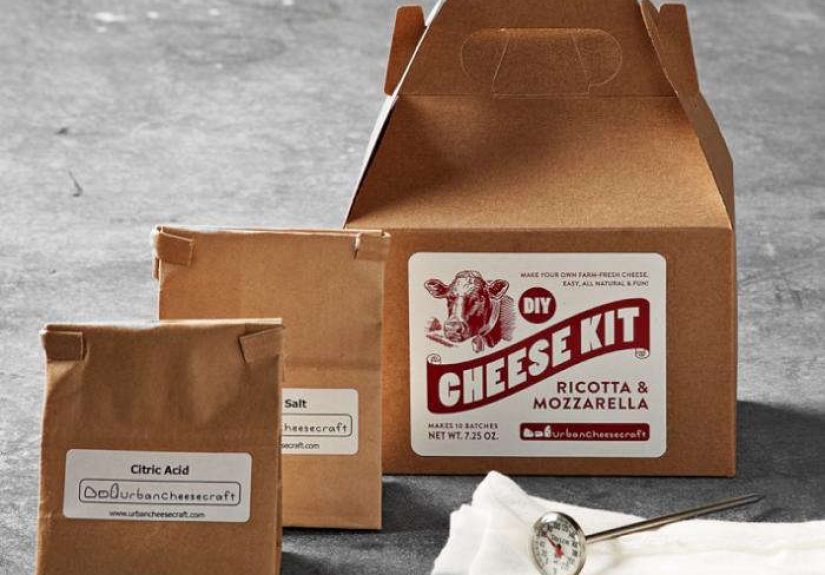
DIY cheese-making kits are packaged sets that give home cooks the basic supplies needed to transform milk into cheese. Depending on the kit, you may receive citric acid, rennet tablets, cheese salt, butter muslin, cheesecloth, cultures, molds, thermometers, recipe booklets, or access to video instructions. Some kits are simple and make only one or two cheeses. Others are more ambitious and let you try mozzarella, ricotta, feta, chèvre, mascarpone, cottage cheese, or even beginner hard cheeses.
The appeal is simple: cheese-making sounds intimidating until you realize many fresh cheeses are built on a basic process. Heat milk, add acid or culture, add rennet when needed, allow curds to form, separate curds from whey, salt, drain, shape, and enjoy. The kit does not do the dishes, unfortunately, but it does remove much of the guesswork.
Why DIY Cheese-Making Kits Are Suddenly So Popular
Home food projects have had quite the glow-up. People pickle vegetables, ferment hot sauce, brew kombucha, bake bread, and grow herbs on windowsills as if every apartment secretly wants to become a tiny farm. DIY cheese-making kits fit perfectly into that trend because they offer a hands-on experience with a delicious reward at the end.
They are also popular as gifts. A cheese-making kit is more memorable than another candle and less risky than buying someone a sweater in a color called “emotional beige.” Kits are especially appealing for food lovers, families, homeschool projects, date nights, hobby cooks, and anyone who enjoys learning how everyday foods are made.
Another reason people love these kits is freshness. Homemade ricotta can be soft, warm, and creamy in a way that store-bought tubs often cannot match. Fresh mozzarella made at home may not always look like a perfect Italian deli ball on the first try, but when it works, it delivers that satisfying stretch and mild milky flavor that makes tomatoes and basil immediately start acting fancy.
What Usually Comes in a Cheese-Making Kit?
Every kit is different, but most beginner DIY cheese-making kits include a few essential items.
Rennet
Rennet is an enzyme used to help milk coagulate into curds. Many home kits use vegetable or microbial rennet tablets, making them suitable for many vegetarian users. Rennet is especially important for mozzarella and many semi-firm cheeses.
Citric Acid or Another Acid
Citric acid helps acidify the milk. It is commonly used in quick mozzarella recipes and fresh cheese recipes. Some cheeses use vinegar or lemon juice instead, but kits often include measured citric acid because it is consistent and easy to store.
Cheese Salt
Cheese salt is usually non-iodized salt. Iodized salt can interfere with some cheese-making processes, so kits often include a small bag of the correct salt. Salt improves flavor, helps control moisture, and makes your cheese taste like food instead of confused milk.
Butter Muslin or Cheesecloth
Muslin or cheesecloth helps drain whey from curds. Butter muslin is typically tighter-woven than basic grocery-store cheesecloth, which makes it useful for softer cheeses like ricotta, cream cheese, and farmer’s cheese.
Thermometer
Temperature matters in cheese-making. Milk that is too cool may not set properly; milk that is too hot can damage cultures or change texture. A thermometer is one of the most useful tools in any cheese-making kit.
Instructions or Recipe Booklet
Clear instructions are the difference between “I made cheese!” and “I invented warm sadness.” Good kits provide step-by-step recipes with target temperatures, resting times, draining guidance, and troubleshooting tips.
Types of Cheese You Can Make with DIY Kits
Mozzarella
Mozzarella is the superstar of beginner cheese-making kits. It is fast, dramatic, and fun because the curds are heated and stretched. The process can be tricky the first time, especially if the milk is not right, but successful mozzarella is deeply satisfying. It works beautifully on pizza, caprese salad, sandwiches, and late-night “I am just testing the texture” snacks.
Ricotta
Ricotta is one of the easiest cheeses for beginners. It typically uses milk, acid, heat, and draining. The result is soft, creamy, and versatile. Use it in lasagna, pancakes, toast, pasta, desserts, or simply with honey and cracked pepper if you enjoy pretending your kitchen is a charming countryside inn.
Farmer’s Cheese
Farmer’s cheese is a mild, fresh cheese that drains into a firmer texture than ricotta. It can be crumbled, sliced, seasoned, or used in both savory and sweet dishes. It is forgiving, making it a great choice for first-timers.
Paneer
Paneer is a fresh cheese used in Indian cooking. It does not melt like mozzarella, which makes it ideal for sautéing, grilling, or adding to curries. Paneer is usually made by acidifying hot milk, draining the curds, and pressing them into a firm block.
Chèvre
Chèvre is soft goat cheese. Some kits include cultures for making tangy, spreadable goat cheese at home. It takes longer than quick mozzarella or ricotta, but the result is excellent for crackers, salads, roasted vegetables, and feeling like you casually host wine-and-cheese evenings even when it is Tuesday.
Mascarpone
Mascarpone is rich, creamy, and perfect for desserts. It is famously used in tiramisu, but it also works in sauces, frostings, and fruit bowls. Some Italian-style cheese-making kits include it as a beginner-friendly option.
How to Choose the Best DIY Cheese-Making Kit
The best DIY cheese-making kit depends on your goals. A beginner who wants quick results should not start with a complicated aged cheddar kit. That is like learning to drive in a monster truck. Start with fresh cheeses, then level up.
Pick a Kit Based on Skill Level
For absolute beginners, choose a kit that makes mozzarella, ricotta, farmer’s cheese, paneer, or mascarpone. These cheeses are faster and require fewer specialized conditions. Intermediate users can try kits with cultures, molds, presses, wax, or aging instructions.
Look for Clear Instructions
Instructions should include precise temperatures, times, measurements, and troubleshooting. Bonus points if the company provides videos or online support. Cheese-making is part cooking, part chemistry, and part “please let this curd behave,” so guidance matters.
Check What Is Included
Some kits include ingredients only. Others include a thermometer, muslin, molds, or draining baskets. Read the product description carefully. If you still need to buy half the tools separately, the kit may not be the bargain it appears to be.
Consider Batch Count
A kit that makes one batch may be fun as a gift, but a kit that makes several batches gives you room to learn. Your first mozzarella may be slightly odd. Your second may be better. By batch three, you may begin speaking about “curd structure” at dinner parties, and your friends will either admire you or quietly hide the milk.
Choose the Right Milk
Most beginner cheese kits work best with pasteurized milk that is not ultra-pasteurized or UHT. Ultra-high-temperature processing can affect the proteins in milk, making curds weaker or less reliable. Whole milk usually gives richer flavor and better texture than low-fat milk. Many kits can work with cow or goat milk, but always follow the manufacturer’s instructions.
Food Safety: The Part That Keeps the Fun Fun
Cheese-making is enjoyable, but it is still food preparation. Cleanliness matters. Sanitize tools, wash hands, use clean pots and utensils, and avoid cross-contamination. Anything that touches milk or curds should be clean and food-safe.
For home cheese-making, pasteurized milk is the safest choice for most people. Raw milk and raw-milk cheeses can carry harmful bacteria, including E. coli, Salmonella, Campylobacter, Listeria, and others. This is especially important for children, pregnant people, older adults, and anyone with a weakened immune system. A cheese-making kit should not be used as an excuse to gamble with food safety. Cheese should be thrilling because it stretches, not because it sends everyone into gastrointestinal negotiations.
Fresh homemade cheeses should be refrigerated promptly and eaten within the recommended time in the recipe or kit instructions. Because fresh cheeses have higher moisture and no long aging process, they are more perishable than hard cheeses. Label your container with the date, because “I think I made this last week” is not a food safety system.
Are DIY Cheese-Making Kits Worth It?
For many people, yes. DIY cheese-making kits are worth it if you enjoy kitchen projects, want to learn a new skill, or like edible gifts that do not taste like cardboard wrapped in optimism. They are also a good way to understand why artisan cheese costs more than mass-produced cheese. Once you heat, stir, wait, drain, salt, stretch, and clean up, you may look at a $9 ball of fresh mozzarella with new respect.
However, kits are not always cheaper than store-bought cheese, especially if you use premium milk. The value comes from the experience, freshness, customization, and education. You can add herbs, pepper, chili flakes, garlic, honey, citrus zest, or fresh basil. You can control salt levels and texture. You can also proudly say, “I made this,” which improves almost any appetizer platter by at least 37 percent emotionally.
Common Mistakes Beginners Make
Using Ultra-Pasteurized Milk
This is one of the most common reasons mozzarella fails. Ultra-pasteurized milk may not form strong curds. Always check the milk label before starting.
Ignoring Temperature
Cheese-making is temperature-sensitive. Guessing is risky. Use a thermometer and follow the recipe closely, especially during your first few attempts.
Over-Stirring the Curds
Curds can be delicate. Aggressive stirring may break them too much and lead to a grainy or weak texture. Treat them gently, like tiny dairy pillows with trust issues.
Skipping Sanitation
Clean tools are not optional. Wash and sanitize equipment before use, and make sure no cleaning residue remains on anything that touches milk, cultures, or rennet.
Expecting Perfection on the First Batch
Your first batch may be delicious but weird. That is normal. Cheese-making improves with practice because you learn how curds look, how whey separates, and how texture changes with time and temperature.
Best Uses for Homemade Cheese
Fresh mozzarella belongs on pizza, pasta, tomato salad, panini, and roasted vegetables. Ricotta is wonderful in lasagna, stuffed shells, pancakes, cheesecake, toast, and dips. Farmer’s cheese works with herbs, honey, fruit, pierogi, blintzes, or grain bowls. Paneer shines in curries and stir-fries. Chèvre can be rolled in herbs, cracked pepper, dried cranberries, or chopped nuts.
Homemade cheese also makes a thoughtful edible gift. Package it in a clean jar or container, add a label, and include a serving suggestion. Just make sure the recipient knows it is fresh and should be refrigerated. Nothing ruins a charming homemade gift faster than mysterious room-temperature dairy.
Who Should Buy a DIY Cheese-Making Kit?
A DIY cheese-making kit is a smart purchase for curious cooks, families, hobby foodies, homeschool science lessons, culinary students, sustainable-living fans, and gift shoppers. It is also great for people who want a weekend project that ends with snacks. That is the best kind of project, frankly.
It may not be ideal for someone who dislikes precise instructions, hates washing dishes, or expects aged gouda by sunset. Fresh cheese-making is approachable, but it still requires patience and attention. If you can follow a recipe, use a thermometer, and resist the urge to wander away during critical steps, you can make cheese at home.
DIY Cheese-Making Kit Experience: What It Actually Feels Like
The first experience with a DIY cheese-making kit usually begins with optimism, a gallon of milk, and the sudden realization that your kitchen counter is not as spacious as you believed. You lay out the rennet, citric acid, cheese salt, thermometer, muslin, and instructions like a contestant on a very polite cooking show. Then comes the first big lesson: read the entire recipe before heating the milk. Cheese-making moves slowly until it suddenly does not.
Heating milk is calming. It looks like nothing is happening, and then you remember that milk is basically the main character. You stir gently, watch the thermometer, and begin to understand why recipes give exact temperatures. When the acid and rennet go in, the process becomes more exciting. The milk thickens, curds form, and the whey separates. It feels slightly magical, even though it is science wearing an apron.
Mozzarella is usually the most dramatic. The curds may look unimpressive at first, like scrambled eggs that lost a debate. Then you heat and stretch them, and suddenly they pull into glossy strands. If the milk was right and the temperature behaved, the transformation is thrilling. If the curds do not stretch, do not panic. Many beginners need more than one try. The most common culprits are ultra-pasteurized milk, temperature mistakes, or not enough acidity.
Ricotta offers a gentler first win. It is less fussy, drains beautifully, and tastes fresh even when it looks rustic. Spread warm ricotta on toast with honey, lemon zest, and black pepper, and you may briefly believe you should open a tiny café. This feeling is normal and usually passes after you see the dishes.
One of the best parts of using a DIY cheese-making kit is customization. Add chopped herbs to farmer’s cheese, roll chèvre in cracked pepper, mix ricotta with orange zest, or sprinkle mozzarella with flaky salt and olive oil. The kit teaches the basic method, but your pantry brings the personality. Even small additions can make homemade cheese feel special.
Another memorable part is the whey. Beginners often underestimate how much whey appears after draining curds. Do not pour it away immediately. Depending on the recipe and salt level, whey can be used in bread dough, smoothies, soups, pancakes, pet-safe uses if approved by a veterinarian, or garden compost. It is the bonus track of cheese-making.
The cleanup is real, but manageable. Rinse tools with cool water first so milk proteins do not cling stubbornly, then wash thoroughly with hot, soapy water. Dry everything well before storing leftover ingredients. Keep rennet and cultures according to package directions, often refrigerated or stored cool and dry.
After one or two batches, the process becomes less mysterious. You learn how clean curds break, how long ricotta should drain, and how mozzarella feels when it is ready to stretch. That confidence is the hidden value of a cheese-making kit. You are not just making cheese; you are learning a food craft that turns simple ingredients into something generous, delicious, and slightly show-off worthy.
Conclusion: Should You Try a DIY Cheese-Making Kit?
DIY cheese-making kits are one of the most enjoyable ways to bring creativity into the kitchen. They are practical, educational, giftable, and delicious. A beginner kit can help you make fresh mozzarella, ricotta, farmer’s cheese, paneer, mascarpone, or chèvre without needing professional equipment. The key is choosing the right kit, using suitable milk, following temperatures carefully, and keeping everything clean.
If you want a hobby that rewards patience with fresh cheese, a DIY cheese-making kit is absolutely worth trying. Start with ricotta or mozzarella, accept that your first batch may have “personality,” and enjoy the process. Homemade cheese may not replace every grocery-store block in your fridge, but it will make you appreciate the craft behind cheeseand it may turn your next snack board into the most impressive thing on the table.