
Table of Contents >> Show >> Hide
- What a Wrinkle Releaser Actually Does (No Magic, Just Science-ish)
- Before You Start: The 30-Second Setup Checklist
- The 3 Best DIY Wrinkle Releaser Recipes
- How to Use DIY Wrinkle Releaser Like a Pro
- Fabric Compatibility: What’s Safe, What’s “Maybe,” What’s “Nope”
- Common Problems (and Quick Fixes)
- Safety, Storage, and “Please Don’t Spray This on Your Face”
- When DIY Isn’t Enough: Fast Alternatives That Actually Work
- Prevent Wrinkles Before They Happen (Because Future-You Is Tired)
- Conclusion
- Real-World Experiences: What People Notice After Using DIY Wrinkle Releaser (About )
Wrinkles have impeccable timing. They show up right before a meeting, a date, a family photo, or the one day you
decide to wear linen like you’re the main character in a coastal romance movie. And yes, you could iron…
but you could also do your taxes early. Same energy.
A DIY wrinkle releaser is the low-effort, high-payoff middle ground: a simple spray that lightly dampens fabric,
relaxes fibers, and helps creases fall out as the garment driesespecially when you smooth and tug the material
into place. It won’t replace a crisp press for formalwear, but for everyday “I just need this to look normal”
moments? It’s a hero.
What a Wrinkle Releaser Actually Does (No Magic, Just Science-ish)
Fabric wrinkles happen when fibers get bent and compressedusually from sitting, packing, overdrying, or living.
Moisture helps those fibers become more flexible, and gentle tension helps them reset closer to their original
shape while drying. That’s the core idea behind steamers, the dryer “steam refresh” trick, and wrinkle-release
sprays.
Many commercial wrinkle sprays add “fiber-relaxing” or “softening” agents plus a bit of fragrance. DIY versions
mimic the same principles using common household ingredients: water for moisture, a tiny amount of softening agent
to reduce stiffness, and sometimes an evaporating helper (like rubbing alcohol) so you’re not wearing a damp
shirt until lunchtime.
Before You Start: The 30-Second Setup Checklist
- Use a clean spray bottle with a fine mist nozzle (it matters more than you’d think).
- Distilled water is best to reduce mineral spotting, especially on dark fabrics.
- Label the bottle (future-you deserves fewer surprises).
- Spot test first on delicates, silk, “dry clean only,” or anything you’d cry over.
The 3 Best DIY Wrinkle Releaser Recipes
Below are three practical recipeseach with a different vibe. Pick the one that fits your fabric, your nose, and
your tolerance for laundry experiments.
Recipe #1: The Classic “Softener + Water” Spray (Fast, Cheap, Reliable)
Best for: cotton, cotton blends, casual shirts, tees, many everyday fabrics.
You’ll need:
- 1 cup distilled water
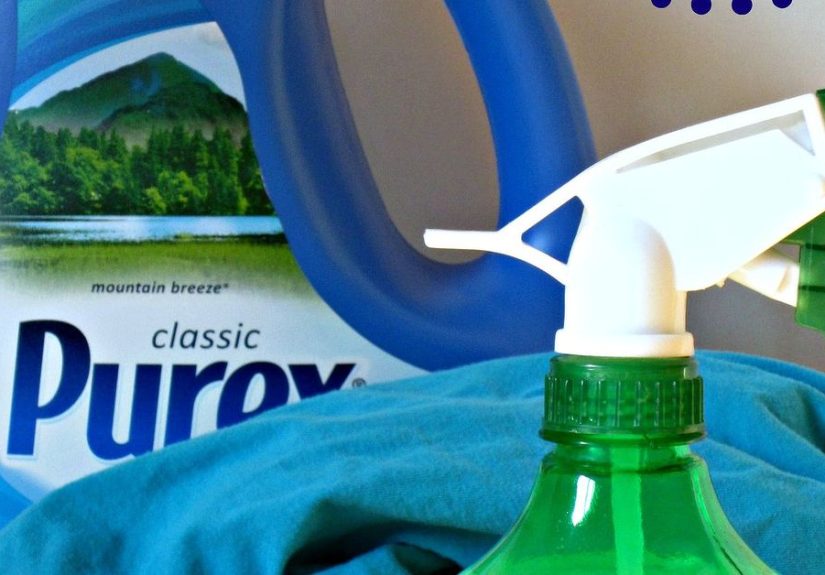
- 1 teaspoon liquid fabric softener
- Spray bottle (8–16 oz is ideal)
Directions:
- Add water to the bottle.
- Add fabric softener.
- Shake gently before each use (it can separate).
Why it works: water provides moisture and the softener can reduce stiffness so the fabric relaxes
more easily when you smooth it out.
Recipe #2: The “Evaporates Faster” Version (Softener + Water + Rubbing Alcohol)
Best for: last-minute outfits, travel, or anyone who hates waiting for fabric to dry.
You’ll need:
- 2 cups distilled water
- 1 teaspoon liquid fabric softener (or a pea-sized dab of hair conditioner as a backup)
- 1 teaspoon rubbing alcohol (isopropyl alcohol)
Directions:
- Pour water into the bottle.
- Add softener (or conditioner).
- Add rubbing alcohol.
- Shake well before spraying.
Note: Alcohol mainly helps the spray dry faster. It’s not the thing doing the “de-wrinkle”
heavy liftingthink of it as the stage crew, not the star.
Recipe #3: The “No Softener” Option (Vinegar + Water)
Best for: people who avoid softeners, quick freshening, or light wrinkles.
You’ll need:
- 3 parts distilled water
- 1 part white vinegar
- Optional: 1 drop essential oil (max) for scent
Directions:
- Combine ingredients in a spray bottle.
- Shake before use.
Important: Go easy on essential oilstoo much can stain, especially on light fabrics and synthetics.
If you’re adding anything oily, keep it truly minimal.
How to Use DIY Wrinkle Releaser Like a Pro
The spray is only half the method. The other half is what your hands do next.
Step-by-step
- Hang the garment (hanger, shower rod, closet door hookwhatever keeps it vertical).
- Mist lightly from 8–12 inches away. You want “slightly damp,” not “caught in the rain.”
- Smooth and tug the fabric into shape with your hands. Focus on seams, hems, and collars.
- Let it dry completely before wearing. Airflow helpsaim a fan at it if you’re impatient.
For stubborn wrinkles
- Use a little more spray (still not soaking), then pull fabric taut for 10–15 seconds.
- Hang it in a steamy bathroom for a few minutes, then re-smooth.
- For collars/cuffs: lay flat on a towel, mist, smooth, and press with your palm.
Fabric Compatibility: What’s Safe, What’s “Maybe,” What’s “Nope”
DIY wrinkle releaser is generally forgiving, but fabrics are like people: some handle surprises better than others.
Usually great candidates
- Cotton & cotton blends: respond well to mist + smoothing.
- Linen: improves, but don’t expect it to stop being linen (wrinkles are its love language).
- Rayon/viscose blends: often improves, but spot test to avoid water marks.
- Wool (lightweight): many pieces respond better to gentle steam than pressing; go lightly.
Use extra caution
- Silk & “dry clean only”: spot test first to avoid water spotting or texture change.
- Velvet, corduroy, lace: steam tends to be kinder than pressing; avoid heavy saturation.
- Athleisure / sweat-wicking fabrics: softener-based sprays can leave residue that affects performanceuse a plain water mist instead.
Skip it (or test like your outfit depends on it)
- Vinyl, waxy finishes, plastic trim/embellishments: heat and steam can warp or melt these materials.
- Anything with unknown dyes: (hello, thrift-store mystery garments) spot test to avoid bleed.
Common Problems (and Quick Fixes)
“My shirt has spots.”
Likely mineral deposits (tap water) or too much product. Switch to distilled water, use a finer mist, and spray
from farther away. If spots appear, lightly mist with plain distilled water and blot with a clean cloth.
“It feels sticky or stiff.”
You used too much softener/conditioner or sprayed too heavily. Dilute your mix (add more water), and use less per
application. You can also wipe the surface with a slightly damp cloth and let it dry again.
“It smells… weird.”
That’s usually old product buildup or a bottle that needs a wash. Rinse the bottle with warm water, a tiny bit of
dish soap, and then rinse well. Mix a fresh batch and label it with the date.
“It didn’t work on this fabric.”
Some wrinkles need heat. Thick cotton, heavy denim, and sharp pack-lines sometimes require a steamer, iron,
or a dryer refresh cycle. Your spray is a quick-fix tool, not a miracle worker.
Safety, Storage, and “Please Don’t Spray This on Your Face”
- Label clearly and store away from kids and pets.
- If using rubbing alcohol: keep away from flames/heat sources and don’t spray near a lit candle
(yes, people do this). - Don’t mix with bleach or other cleaners. This is fabric care, not a chemistry final exam.
- When in doubt, use less and build up slowly. You can always spray more; you can’t “unsog” a shirt quickly.
When DIY Isn’t Enough: Fast Alternatives That Actually Work
Sometimes the best wrinkle releaser is… not a spray. Here are quick, proven options when you need better results.
1) The dryer “mini-steam” refresh
Toss the wrinkled item into the dryer with a clean, damp towel for a few minutes. Remove promptly and hang.
This is especially good for everyday fabrics and quick touch-ups.
2) Shower steam (hotel classic)
Hang your garment in the bathroom while you take a hot shower. Keep it out of the direct water stream, then
smooth by hand afterward. Great for travel and lightly wrinkled clothes.
3) Steamer vs. iron
Steamers are fantastic for quick de-wrinkling and are often kinder to textured fabrics. Irons are better for crisp
creases and sharp finishes (dress shirts, formal looks). If you’re mostly battling “closet rumples,” a steamer is
usually the friendlier choice.
Prevent Wrinkles Before They Happen (Because Future-You Is Tired)
- Don’t overload the washer: crowded clothes wrinkle more.
- Shake items out before drying or hanging.
- Don’t over-dry: excess heat bakes wrinkles into fabric.
- Remove promptly from the dryer and hang or fold immediately.
Conclusion
A DIY wrinkle releaser is one of those small-life upgrades that feels suspiciously effective for how little effort
it takes. Mix a simple spray, mist lightly, smooth the fabric into place, and let physics do the rest. Keep your
expectations realistic (it’s not a tuxedo press), but for daily wear, travel, and last-minute “help me look like I
have it together” moments, it’s a solid trick to have in your laundry toolkit.
Real-World Experiences: What People Notice After Using DIY Wrinkle Releaser (About )
Once people start using a DIY wrinkle releaser, a few patterns show up again and againmostly because wrinkles
are predictable little gremlins. The first experience is usually surprise: “Wait, that actually
helped.” Not “red-carpet pressed,” but noticeably smoother and more wearable. The second experience is
overconfidence: someone sprays an entire shirt like they’re putting out a small fire and then
wonders why it feels damp and slightly tacky. (Spoiler: less mist, more smoothing.)
In real homes, this spray often becomes the go-to for “almost-clean” clothing: a sweater that’s fine but rumpled,
a button-down that looks like it fought a suitcase and lost, or a dress that just needs the skirt to behave for
20 minutes. People also love it for kids’ clothesespecially uniformsbecause it’s faster than heating an iron,
and you don’t need a stable surface in a chaotic morning. A quick mist, a few downward tugs along the seams, and
the outfit is presentable enough for school photos and surprise parent-teacher encounters.
Travelers report the biggest wins. Clothes that were folded into tiny hotel-drawer squares tend to respond well to
the “hang + mist + smooth” routine. The key discovery is that time and airflow matter. If you
spray and immediately put the garment on, you’ll feel damp and annoyed. If you spray right when you arrive, hang
it up, and let it dry while you unpack, you’ll come back to something much closer to wearable. Many people also
figure out a practical rhythm: spray the top half first, smooth it, then do the lower half, so you’re not chasing
new wrinkles you accidentally create while handling the item.
Another common experience is learning which fabrics “play nice.” Cotton and blends tend to be the crowd-pleasers.
Linen improves, but still wrinkles because it’s linenthink “relaxed and intentional,” not “perfectly flat.”
Delicates create the most cautionary tales: some silk and “dry clean only” pieces can show water spotting if
oversprayed, so people who get good results usually follow the same habit: spot test, then mist lightly.
Athleisure is its own category: users often notice that softener-based mixes can leave a film on sweat-wicking
fabrics, so many switch to plain distilled water for gym wear.
Finally, there’s the “I used it wrong, then used it right” storyline. The “right” version looks like this:
use a fine mist nozzle, keep the fabric only slightly damp, smooth with your hands like you’re stretching
pizza dough (gently), then let it dry fully. When people do those steps, the DIY wrinkle releaser becomes the
kind of household trick they tell friends aboutusually right after someone complains about wrinkled clothes
and they get to say, “Oh, I’ve got a spray for that.”





 Close
Close